Fishing Near Grand Rapids, Michigan
It can be incredibly challenging to figure out where to cast your line when you're in a vibrant, bustling area like Grand Rapids, Michigan. With so many lakes, rivers, and even the mighty Great Lakes within a reasonable drive, the sheer number of options can feel overwhelming, making it tough to plan a successful fishing trip. This comprehensive guide is here to cut through the confusion, offering you an insider's look at the best fishing spots, essential gear, and local knowledge to make your angling adventures near Grand Rapids truly rewarding.
Understanding Grand Rapids' Unique Fishing Landscape
Grand Rapids isn't just a hub for craft beer and art; it's also a fantastic launchpad for diverse fishing experiences. Nestled in West Michigan, it benefits from a network of rivers flowing into Lake Michigan, as well as numerous inland lakes. This unique geography means you can target everything from feisty trout in cool streams to massive salmon in the Great Lakes, often within an hour's drive or even right within the city limits. It’s truly a special place where urban anglers can quickly find themselves immersed in nature.
The Grand River: A Downtown Fishery
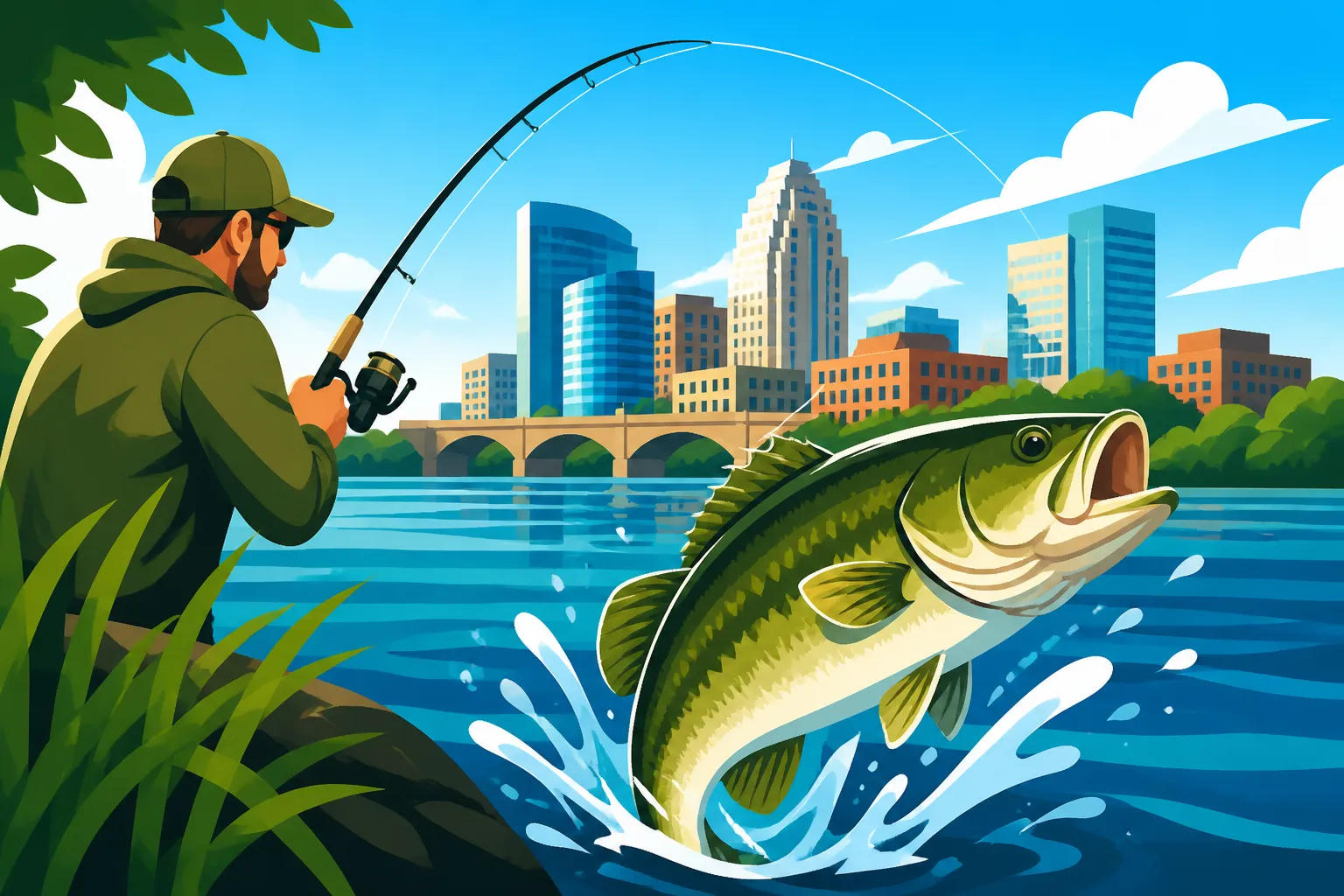
Right in the heart of Grand Rapids, the Grand River offers an astonishingly accessible fishery. Many people don't realize that you can literally walk from your downtown hotel and be casting a line for quality fish within minutes. This river is a true urban angler's paradise, flowing through the city with various public access points, parks, and even pedestrian bridges where you can fish. The most famous spot is undoubtedly the Fish Ladder Park, where you can witness salmon and steelhead making their annual migrations upstream, offering incredible visual spectacle and fantastic fishing opportunities for those willing to brave the crowds.
Beyond the Fish Ladder, the river winds its way through town, presenting opportunities for shore fishing or launching a small boat or kayak. It’s not just about the big migratory fish; the Grand River also holds healthy populations of smallmouth bass, northern pike, and a surprising number of walleye, especially in the deeper pools and slower sections. Finding a quiet bend just a few blocks from city noise can be a deeply satisfying experience, and it really highlights how Grand Rapids uniquely blends urban living with outdoor recreation.
The Blend of Urban and Natural Waterways
What makes fishing near Grand Rapids so special is this seamless transition from bustling cityscapes to serene natural settings. One moment you're watching traffic on I-196, and the next you're standing on a riverbank, listening to the rush of water. This blend means you have options for every type of fishing mood. If you're looking for a quick after-work session, the downtown Grand River is perfect. If you want to escape for a half-day or full-day trip, the surrounding counties offer countless tranquil lakes and rivers that feel miles away from any city.
This convergence of urban and natural also influences the fish behavior and fishing pressure. Some urban spots might see more anglers, especially during peak runs, but often the fish become accustomed to human presence, offering unique angling challenges. Meanwhile, a short drive can put you on a quiet, tree-lined inland lake where you might be the only boat for miles. Understanding this dynamic helps you choose your adventure wisely, depending on whether you crave convenience or solitude.
Key Fish Species to Target
The diversity of waterways around Grand Rapids naturally leads to a wide variety of fish species. You're truly spoiled for choice here! For those looking for a thrilling fight, the river systems are renowned for their runs of migratory species. Spring and fall bring impressive numbers of Chinook and Coho salmon, as well as robust steelhead. These powerful fish are a bucket-list catch for many anglers, and the rivers flowing into Lake Michigan, including the Grand, are prime locations.
But it’s not just about the big swimmers. Inland lakes and calmer river sections teem with panfish like bluegill and crappie, perfect for a relaxed family outing. Larger predatory species such as northern pike, largemouth bass, and smallmouth bass are also prevalent. And let's not forget the highly prized walleye, which can be found in various river stretches and larger lakes. Understanding these target species will help you tailor your gear and techniques, ensuring you're ready for whatever bites your line.
Top River Fishing Opportunities in and Around Grand Rapids
When it comes to river fishing, the Grand Rapids area is truly blessed. The intricate network of rivers and their tributaries offers incredible opportunities year-round, from the adrenaline-pumping runs of salmon and steelhead to the steady action of smallmouth bass and walleye. These rivers are the lifeblood of West Michigan's fishing scene, providing diverse habitats and exciting challenges for anglers of all skill levels.
The Grand River for Steelhead, Salmon, and Walleye
The Grand River, particularly the stretches immediately in and around Grand Rapids, is an absolute powerhouse for migratory fish. Anglers flock to its banks and wade its waters during the spring and fall to intercept massive runs of Chinook Salmon in Michigan's Great Lakes and chrome-bright steelhead. These fish, fresh from Lake Michigan, are incredibly powerful fighters, making for an unforgettable experience. Popular access points include the previously mentioned Fish Ladder Park, as well as spots like Riverside Park and Johnson Park, which offer ample parking and river access. Many guides operating in the area also utilize boat launches up and downstream to access less pressured stretches.
Beyond the seasonal runs, the Grand River offers excellent year-round fishing. Smallmouth bass are incredibly abundant and provide consistent action throughout the warmer months, often holding in rocky areas and current breaks. Walleye fishing can also be fantastic, especially during low-light conditions or after dark. Understanding the river's unique features – its dams, rapids, and deeper pools – is key to success. Don't be afraid to explore different stretches; a quiet bend downstream might hold a trophy walleye while the rapids upstream are teeming with hungry smallmouth.
Rogue River: A Premier Trout Stream
Just a short drive north of Grand Rapids, you'll find the Rogue River, a true gem for trout anglers. This river is renowned for its healthy populations of wild brown trout and rainbow trout, making it a favorite among fly fishermen. The Rogue is characterized by its clear, cold waters, gravel bottom, and abundant insect life, providing ideal conditions for trout to thrive. Access points are plentiful, with many parks and public land sections along its course, particularly near Rockford. The Rogue River Dam in Rockford is a well-known spot, often concentrating fish, but don't overlook the quieter, more secluded stretches both upstream and downstream.
Fishing the Rogue often involves delicate presentations with light tackle or fly gear. Dry flies, nymphs, and streamers all have their place depending on the hatch and time of year. For those who prefer spinning gear, small spinners and spoons can also be effective. The challenge of outsmarting a wary brown trout in the clear waters of the Rogue is incredibly rewarding. It's an excellent place to practice your casting and presentation skills, and the beautiful scenery only adds to the experience.
Other Notable Tributaries and Smaller Rivers
While the Grand and Rogue rivers often steal the spotlight, the Grand Rapids area is crisscrossed by many other smaller rivers and tributaries that offer fantastic, often less crowded, fishing opportunities. Rivers like the Flat River, Thornapple River, and the Plaster Creek system, though smaller, contribute significantly to the local fishery. These waterways can hold surprising numbers of smallmouth bass, northern pike, and various panfish. They also serve as important spawning grounds and nursery waters for migratory species moving up from the Grand River.
Many of these smaller rivers are perfect for kayak or canoe fishing, allowing you to access stretches that larger boats can't reach. Shore access might be more limited than on the main rivers, often requiring a bit of exploration to find public easements or parkland. However, the reward for this effort is often a peaceful fishing experience and the chance to discover a new favorite spot. Always check local regulations, as rules can vary even between connected waterways. Remember that a valid Michigan Fishing License Guide for Residents and Nonresidents is always required for legal fishing in these public waters.
Prime Inland Lake Fishing Destinations Near Grand Rapids
Beyond the vibrant river systems, the landscape surrounding Grand Rapids is dotted with a multitude of inland lakes, each offering its own unique fishing character. These lakes provide a different angling experience altogether, often favoring different techniques and species than the rivers. Whether you're looking for a relaxing day with the family or a serious hunt for trophy fish, there's an inland lake near Grand Rapids to fit your needs.
Reeds Lake: A Local Gem for Panfish and Bass
Nestled within the East Grand Rapids community, Reeds Lake is a fantastic local fishing spot that’s easily accessible and consistently productive. This urban lake is well-known for its abundant panfish populations, including bluegill and crappie, making it an ideal destination for beginners, families, and those just looking to bend a rod. The lake also holds strong numbers of both largemouth and smallmouth bass, offering exciting action for anglers targeting bigger game. Public access is readily available at Reeds Lake Park, which features a boat launch and ample shore fishing opportunities.
Fishing Reeds Lake often involves targeting weed lines and drop-offs. For panfish, simple tactics with live bait like worms or wax worms under a bobber are incredibly effective. Bass anglers will find success with a variety of lures, from soft plastics worked along the bottom to topwater baits during low-light hours. The lake is also popular for ice fishing in the winter, providing year-round action. It's a testament to urban conservation that such a productive fishery exists right in the middle of a developed area.
Versatile Options Like Thornapple Lake and Lake Macatawa
A bit further afield, but still well within a reasonable drive from Grand Rapids, are lakes like Thornapple Lake and Lake Macatawa, offering more expansive and versatile fishing opportunities. Thornapple Lake, part of the Thornapple River chain, is known for its diverse fishery, including a healthy population of walleye, northern pike, and both species of bass. Its varied structure, with points, bays, and deeper channels, provides ample habitat for many fish. Public boat launches make access straightforward, and it's a great spot for exploring different techniques, from trolling for walleye to casting for pike in the weed beds.
Lake Macatawa, situated closer to the Lake Michigan shoreline near Holland, offers a unique blend of inland lake and Great Lakes influences. It connects directly to Lake Michigan, allowing for certain species to migrate in and out. This lake is particularly good for yellow perch, walleye, and excellent smallmouth bass fishing. Its proximity to Lake Michigan also means occasional surprises, and it's a popular staging area for salmon and steelhead before they enter the river system. These lakes offer a step up in size and complexity from Reeds Lake, providing more room to roam and a chance at larger, more challenging fish.
Hidden Lakes and Ponds for Quiet Angling
Beyond the well-known hotspots, the Grand Rapids area is dotted with countless smaller, often unnamed or less-publicized lakes and ponds that can offer incredibly peaceful and productive fishing experiences. These hidden gems are often found within state game areas, county parks, or even tucked away in residential areas, requiring a bit of exploration to discover. While they might not hold the trophy fish of larger systems, they can be fantastic for panfish, smaller bass, and providing a quiet escape.
These smaller waters are perfect for a stealthy approach with a kayak, canoe, or even just shore fishing with minimal gear. Think about spots near Plainfield Township, Cascade, or Ada, where smaller bodies of water might be accessible. You'll often find less pressure, allowing for a more relaxed day on the water. Researching local county parks or using online mapping tools can help uncover these lesser-known spots. Remember to always respect private property boundaries and ensure you have the appropriate Michigan Fishing Regulations Every Angler Should Know before venturing out.
Exploring the Great Lakes Influence: Day Trips from Grand Rapids
One of the greatest advantages of fishing near Grand Rapids is its relatively close proximity to Lake Michigan. While not directly on the Great Lakes, a day trip to the shoreline opens up an entirely different world of angling opportunities, from productive pier fishing to thrilling offshore trolling for massive salmon and trout. These excursions offer a chance to experience the immense power and beauty of one of the world's largest freshwater systems.
Lake Michigan Shoreline and Piers Holland, Grand Haven, Muskegon
Just a 30-45 minute drive west of Grand Rapids, the Lake Michigan shoreline comes alive with fishing possibilities. Popular ports like Holland, Grand Haven, and Muskegon offer excellent pier fishing, which is a fantastic way to target migratory species without needing a boat. In spring, you might find brown trout, coho salmon, and steelhead near the piers as the waters warm. In late summer and fall, Chinook salmon stage near the harbors before their spawning runs, providing exciting action for pier anglers.
These piers are bustling with activity during peak seasons, and it's a truly social experience. Anglers often line the railings, casting spoons, body baits, or using bait rigs. Some of the best Lake Michigan Pier Fishing for Salmon happens right in these accessible locations. Beyond the piers, many of these port cities also have designated public beaches or shoreline access points where you can try surf fishing, casting into the waves for various species. Remember to respect other anglers and keep your tackle organized in these often-crowded spots.
Charter Fishing for Salmon and Trout
For those looking for a truly epic Great Lakes experience, booking a charter boat out of Holland, Grand Haven, or Muskegon is highly recommended. These charters specialize in targeting trophy Chinook salmon, Coho salmon, lake trout, and steelhead in the vast open waters of Lake Michigan. Charter captains are seasoned professionals who know the best spots, have all the specialized gear (like downriggers and planer boards), and track the latest fish movements. This is often the most effective way to catch a large number of fish, or even a true trophy.
Many fantastic charters operate out of these ports. Searching online for "Grand Haven fishing charters" or "Muskegon salmon charters" will yield a wealth of options. You can even use services like FishingBooker to browse and book charters, comparing prices and reviews to find the perfect fit for your group. A full-day charter trip provides all the necessary equipment, expert guidance, and an unforgettable experience on the big lake, often resulting in coolers full of delicious salmon and trout. It’s an investment, but for many, the memories and the fish are well worth it.
Accessing Deeper Waters and Diverse Species
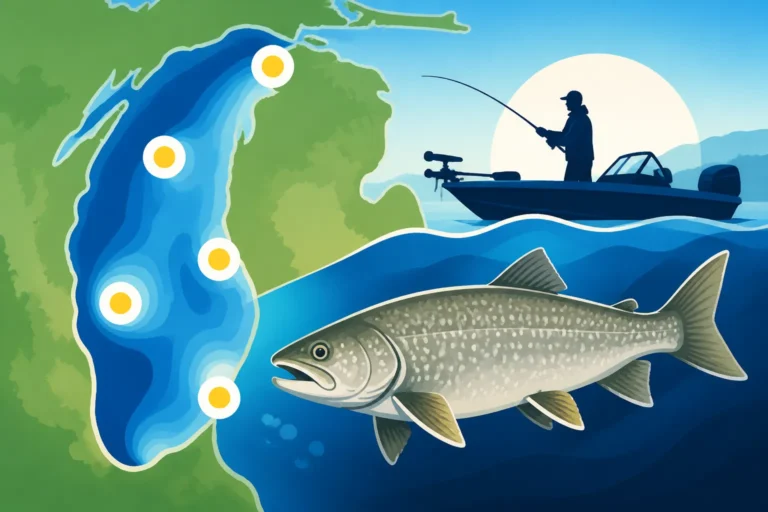
Beyond the immediate pier and nearshore action, Lake Michigan offers access to deeper waters where an entirely different array of species can be targeted. Out in the deeper thermal layers, you'll find large schools of lake trout, often caught by deep trolling. These ancient fish are strong fighters and can grow to impressive sizes. Depending on the season and specific location, you might also encounter occasional Atlantic salmon or even burbot in the colder depths.
Accessing these deeper waters typically requires a well-equipped boat designed for Great Lakes conditions, or a charter. Understanding thermoclines, baitfish movements, and using specialized electronics like fish finders are crucial for success in this environment. It's a challenging but incredibly rewarding facet of Michigan fishing, offering the chance to catch fish that are completely different from those found in the rivers and inland lakes closer to Grand Rapids. Just remember the size and power of Lake Michigan; always prioritize safety and keep an eye on weather conditions.
Essential Gear and Techniques for Grand Rapids Anglers
Having the right gear and understanding effective techniques are crucial for success, whether you're fishing the urban stretches of the Grand River or venturing out onto Lake Michigan. The varied fishing opportunities near Grand Rapids mean you'll need a versatile approach, but some core principles and tackle essentials will serve you well across many different scenarios.
Rods, Reels, and Lines for River and Lake Fishing
When fishing the diverse waters around Grand Rapids, versatility in your rod and reel setup is key. For most river fishing – targeting smallmouth, walleye, and even lighter salmon/steelhead techniques – a medium-action spinning rod, 6'6" to 7'6" in length, paired with a 2500 or 3000 series spinning reel spooled with 8-12 lb braided line and a fluorocarbon leader, will handle a wide range of situations. This setup offers enough backbone for larger fish yet remains sensitive enough for smaller bites. For serious How to Fish for Steelhead in Michigan or salmon fishing in rivers, a longer, more powerful rod (8'6" to 10'6" medium-heavy) is often preferred for better line control and handling heavy currents.
For inland lake fishing, a similar medium-action spinning setup works perfectly for panfish, bass, and pike. If you're targeting larger pike or muskellunge, you might want to step up to a heavy-action baitcasting setup with 20-50 lb braided line, capable of throwing larger baits and handling powerful fish. For Great Lakes trolling, specialized trolling rods with line counter reels spooled with heavy monofilament or braid are essential for setting baits at precise depths. Having a few different setups will allow you to quickly adapt to changing conditions and target species, preventing frustration when you realize you're under-gunned or over-gunned for the situation.
Bait, Lures, and Tackle Box Essentials
Your tackle box should be as diverse as the fishing opportunities themselves. For river fishing, a selection of soft plastics (tube baits, grubs, swimbaits), spinnerbaits, crankbaits, and jigs will cover most bass and walleye scenarios. For salmon and steelhead, spoons, plugs, and spawn bags are often incredibly effective. Live bait, such as nightcrawlers, minnows, or leeches, is always a reliable option for nearly any species in both rivers and lakes, especially for panfish.
When hitting the inland lakes, focus on lures that mimic common baitfish or insects. Topwater lures, jigs, and senko-style worms are bass favorites. Small jigs, wax worms, and pieces of nightcrawler are excellent for panfish. For those ambitious anglers pursuing Michigan Muskellunge Fishing Techniques, a separate box of large bucktails, crankbaits, and glide baits is a must-have. Don't forget essential accessories like pliers, clippers, extra hooks, sinkers, and bobbers. Keeping your tackle organized will save you valuable fishing time.
Seasonal Techniques for Maximizing Your Catch
Understanding the seasons and how they influence fish behavior is paramount for success in West Michigan.
Spring: As ice melts and water temperatures rise, fish become active. This is prime time for the spring steelhead run in rivers, where techniques like float fishing with spawn bags or beads, or drifting jigs, are highly effective. Walleye also become very active in rivers and shallow lake areas, responding well to jigs and lipless crankbaits. Bass start to move into shallower bays and warmer flats.
Summer: With warm water, fish spread out and move to deeper, cooler water in lakes during the day, coming shallow at dawn and dusk. Night fishing for walleye can be excellent in rivers. Topwater action for bass is fantastic in the early mornings and evenings. Panfish are abundant and can be caught almost anywhere. Trolling in Lake Michigan for salmon and lake trout is at its peak.
Fall: The salmon run dominates many river systems, with anglers targeting Chinook and Coho using various egg imitations, spoons, and flies. Steelhead also begin to enter rivers, preparing for their winter holdovers. Walleye and bass will feed heavily before winter, often found transitioning to deeper structures in lakes. This is a fantastic time for aggressive presentations.
Winter: Ice fishing becomes the primary focus on inland lakes. Jigging with small spoons, vertical jigs, and live bait is effective for perch, walleye, and pike. Some rivers will still hold steelhead, offering unique cold-weather angling challenges. Make sure to consult Michigan Fishing Season Dates and Rules for specific openers and closures.
| Fish Species | Prime Season (Near Grand Rapids) | Typical Location | Recommended Baits/Lures |
|---|---|---|---|
| Steelhead (Rainbow) | Spring & Fall | Grand River, Rogue River | Spawn bags, beads, jigs, flies |
| Chinook Salmon | Late Summer & Fall | Grand River, Lake Michigan piers | Spoons, plugs, egg imitations |
| Walleye | Spring & Fall (Year-round in some areas) | Grand River, Thornapple Lake, Lake Macatawa | Jigs, crankbaits, nightcrawlers |
| Smallmouth Bass | Summer | Grand River, Reeds Lake, Lake Michigan | Soft plastics, tubes, crankbaits |
| Largemouth Bass | Summer | Reeds Lake, smaller inland lakes | Topwater, jigs, plastic worms |
| Yellow Perch | Year-round (Ice fishing in winter) | Reeds Lake, Lake Macatawa | Small jigs, minnows, wax worms |
| Brown Trout | Year-round (Prime in Spring/Fall) | Rogue River | Flies, small spinners, worms |
Navigating Regulations and Seasons Near Grand Rapids
Fishing in Michigan, especially near a major population center like Grand Rapids, means you're often dealing with a mosaic of regulations. It's not always straightforward, and what applies to one stretch of river might be different just a few miles downstream or on an adjacent lake. Understanding these rules is not just about avoiding fines; it's about protecting the incredible fisheries we have in Michigan and ensuring sustainable angling for future generations.
Michigan Fishing License Requirements
First and foremost, virtually anyone over the age of 17 who fishes in Michigan public waters needs a valid fishing license. This isn't just a suggestion; it's a legal requirement. Residents and non-residents have different options, including annual licenses, senior discounts, and even a convenient Michigan 24-Hour Fishing License Explained for short trips. The good news is that acquiring a license is incredibly easy. You can purchase one online through the Michigan Department of Natural Resources (DNR) website, at most sporting goods stores like Cabela's or Dunham's, or even at many bait shops.
It’s important to remember that your license funds crucial conservation efforts, fish stocking programs, and habitat restoration, directly benefiting the fishing you enjoy. Always carry proof of your license while fishing, whether it's a physical copy, a printed receipt, or on your mobile device through the DNR Hunt Fish app. Enforcement officers do check, and getting caught without one can lead to a hefty fine and a ruined day on the water.
Key Species Seasons and Bag Limits
Michigan's fishing seasons and bag limits are designed to protect fish populations, especially during vulnerable times like spawning. For many popular species around Grand Rapids, such as walleye, bass, and panfish, seasons are typically open year-round or for extended periods. However, for migratory species like salmon and steelhead, while the Great Lakes themselves often have year-round seasons, the specific river sections they enter will have strict regulations on when you can target them, what gear you can use, and how many you can keep.
A prime example is the Michigan Bag and Size Limits Explained for walleye, which often includes a minimum size limit and a daily possession limit. Trout and salmon often have a Michigan's Combined Trout and Salmon Possession Limit, meaning your total number of these fish can't exceed a certain number, regardless of species. It's absolutely critical to consult the most current "Michigan Fishing Regulations" digest. This free publication, available online or at license retailers, is your bible for understanding current rules. Don't rely on old information or hearsay; rules can change from year to year.
Understanding Local Waterway Specific Rules
This is where things can get a little tricky, and it's where local knowledge, or diligent checking of the regulations digest, really pays off. Some stretches of rivers, particularly well-known trout streams like the Rogue River, may have special regulations that differ from statewide rules. These might include catch-and-release only sections, gear restrictions (e.g., artificial lures only, single-hook only), or different size and bag limits for specific species.
For instance, certain "Type 1" or "Type 2" trout streams will have specific open seasons for trout, even if nearby rivers have more relaxed rules. Understanding these nuances is vital. Always check the "Exceptions to General Regulations" section in the Michigan Fishing Guide for the specific county and water body you plan to fish. Misinterpreting these rules can lead to legal trouble, so when in doubt, always err on the side of caution or ask a local bait shop owner, who are often incredibly knowledgeable about the immediate area's specifics.
Disclaimer
Please be aware that fishing regulations, seasons, and licensing requirements in Michigan are subject to change. While this guide aims to provide accurate and up-to-date information, it is your responsibility to consult the most current Michigan Fishing Guide published by the Michigan Department of Natural Resources (DNR) before engaging in any fishing activities. Always prioritize safety and adhere to all local, state, and federal laws.