Michigan Spearfishing Rules for Suckers and Carp
There’s a unique thrill that comes with pursuing fish beneath the surface, but for many anglers, the world of spearfishing in Michigan feels shrouded in mystery and complex rules. It can be incredibly frustrating trying to figure out if you're even allowed to spear certain species, let alone understanding the specific regulations that apply. This guide is here to cut through the confusion, specifically breaking down Michigan's spearfishing rules for common species like suckers and carp, so you can confidently and legally enjoy this exciting method.
Understanding Michigan's Spearfishing Framework
Before we dive into the nitty-gritty of suckers and carp, it's crucial to grasp the overarching philosophy behind spearfishing regulations in Michigan. Unlike traditional rod-and-reel fishing, spearfishing often carries stricter rules, primarily because of the direct targeting aspect and the potential for misidentification or overharvest of more sensitive game species. Many anglers get hung up believing spearfishing is broadly prohibited, and while it's true for many popular game fish, it's certainly not the case across the board. The key is knowing which fish fall into the "rough fish" category and understanding the specific conditions under which they can be speared.
Differentiating Game Fish from Rough Fish
Michigan's Department of Natural Resources (DNR) clearly categorizes fish into "game fish" and "non-game fish" (often referred to as rough fish or coarse fish). This distinction is paramount for spearfishing. Generally speaking, game fish like walleye, bass, and trout are off-limits for spearfishing in most waters and at most times. This is done to protect these species, which are heavily managed for recreational angling and ecological balance. If you're ever in doubt about a species, always default to assuming it's a game fish unless explicitly stated otherwise in the regulations.
Rough fish, on the other hand, often have fewer restrictions and are frequently encouraged for harvest to help manage aquatic ecosystems, especially in cases where they might be abundant or non-native. This is where suckers and carp come into play. These species are considered non-game fish, and as such, they are often prime targets for spearfishers. This distinction is one of the first things you learn when you start diving into the comprehensive Michigan Fishing Regulations Every Angler Should Know.
General Spearfishing Equipment and Legalities
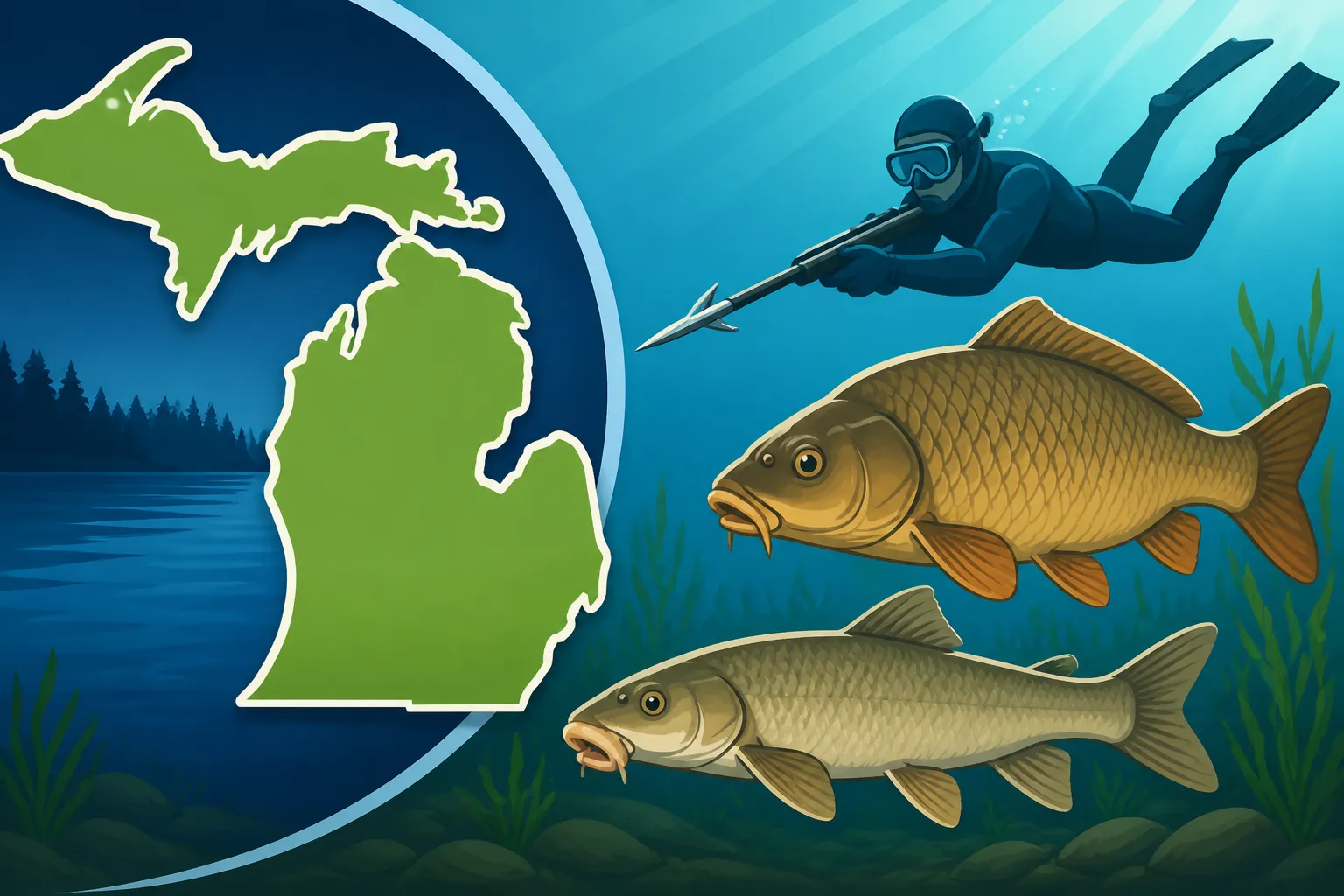
When it comes to the actual act of spearfishing, Michigan defines it as taking fish with a spear, which includes various forms like hand spears, bow and arrow, spear guns, and even gigs. However, the legal use of these tools is highly specific to the species and locations. For instance, while you might see spear guns used in clearer Great Lakes waters for specific species, their use might be completely prohibited in inland rivers or lakes, especially for rough fish where traditional gigs or bow-and-arrow methods are more common.
It’s also important to remember that all methods of taking fish, including spearfishing, fall under the general requirement of needing a valid Michigan fishing license. Whether you're a seasoned diver with an expensive speargun or just a kid with a simple gig, you'll need to secure your license. You can easily learn How to Buy a Michigan Fishing License online or through the Michigan's DNR Hunt Fish App for Licenses and Reporting. Always carry proof of your license while fishing, no matter the method.
Specific Spearfishing Rules for Suckers and Carp
Now, let's get into the heart of the matter: spearfishing for suckers and carp. These species are a popular target for spearfishers in Michigan, offering an exciting and often productive challenge. However, just because they are considered "rough fish" doesn't mean it's a free-for-all. There are specific rules regarding seasons, locations, and even time of day that you absolutely must adhere to. Ignoring these rules could lead to significant fines and penalties.
Seasons and Time-of-Day Restrictions
For suckers and carp, spearfishing is generally permitted year-round in many waters, but with a critical caveat: it's often restricted to daylight hours only. This "daylight hours" rule is crucial and typically means from one hour before sunrise to one hour after sunset. The rationale behind this restriction is usually to prevent the accidental spearing of game fish that might be less identifiable in low light conditions. Always double-check the current Michigan Fishing Season Dates and Rules, as specific water bodies or management units might have unique exceptions.
For instance, while you might find a broad "year-round" allowance for suckers in a river like the Grand River Fishing Near Grand Rapids, Michigan, the ability to use a spear is likely still tied to that daylight window. Carp, being hardy and abundant, often share these same liberal season allowances, but again, the time-of-day restriction is a common feature you shouldn't overlook. It's not uncommon for the DNR to conduct patrols, especially in areas known for spearfishing, to ensure compliance with these seemingly minor details.
Permitted Waters and Gear Limitations
Spearfishing for suckers and carp is generally allowed in many inland waters and the Great Lakes, but specific waters might have prohibitions. It's not a statewide blanket rule. You absolutely must consult the most current Michigan Fishing Regulations Digest PDF for 2026, or whatever the current year's digest is, to confirm the regulations for the specific lake, river, or stream you plan to fish. This digest will detail any water-specific closures or gear restrictions. For example, some designated trout streams might prohibit spearing of any kind, even for rough fish, to protect sensitive trout populations.
When it comes to gear, spearfishing for suckers and carp often allows for both spear guns and traditional bow and arrow methods, as well as simple gigs. However, the type of spear gun might be limited. For example, some regulations might differentiate between a compressed gas speargun and a rubber-powered speargun. Bow and arrow fishing is very popular for carp, offering a challenging and active method. You can find a good range of entry-level bowfishing setups on Amazon, which can be a great way to start if you're new to the sport. Just remember that crossbows might have different rules than traditional bows, so always verify before heading out.
Bag and Size Limits for Suckers and Carp
One of the great things about spearfishing for suckers and carp is that they often have very liberal, if any, bag or size limits. This means you can often harvest a good number of these fish, which is helpful if you're targeting them for purposes beyond just sport, like for fertilizer in your garden or for a good fish fry. Unlike managed game fish where you'd be meticulously checking the Michigan Daily Bag Limits by Species, suckers and carp typically don't have these stringent restrictions.
However, "no limit" isn't the same as "no rules at all." You still need to ensure you're correctly identifying your target. Misidentifying a game fish, even by accident, and spearing it can result in significant penalties. It's your responsibility as an angler to know what you're shooting at. If you’re spearfishing in a dark, murky environment, this can be especially challenging, underscoring why those daylight hour rules are so important. Always aim for positive identification before you release your spear or arrow.
Ethical Considerations and Best Practices
Spearfishing, like all forms of angling, comes with a set of ethical considerations and best practices that go beyond simply following the letter of the law. As responsible anglers, we have a role to play in conservation, safety, and ensuring the sport remains sustainable and enjoyable for everyone. This is particularly true in Michigan, where our waters are shared by so many different types of outdoor enthusiasts.
Avoiding Accidental Game Fish Take
The biggest ethical dilemma in spearfishing for rough fish is the risk of accidentally spearing a game fish. Imagine you're in murky water, excited by a large shadowy form, and you take your shot, only to realize too late it's a prized walleye or a sizable smallmouth bass. Not only is this illegal, but it's also a waste of a valuable resource and deeply disheartening. This scenario highlights why positive identification is paramount.
To minimize this risk:
- Fish in clear water: If the visibility is poor, consider another method or another location.
- Know your fish: Study the identification characteristics of suckers and carp thoroughly. Look for distinct features like mouth shape, fin structure, and body coloration. For example, carp often have barbels around their mouths, which suckers typically lack.
- Wait for a clear shot: Don't rush. Ensure you have a full, unobstructed view of the fish before you take your shot.
- Understand behavior: Suckers and carp often hang out in different types of habitats and exhibit different behaviors than many game fish. Knowing these patterns can also help.
Safety for Yourself and Others
Spearfishing involves inherently dangerous equipment. Whether it's a sharpened spear point, a powerful speargun, or a broadhead arrow, these tools can cause serious injury if not handled properly. Safety is not just about avoiding violations; it’s about preventing accidents that could harm you or others.
Key safety practices include:
- Always treat your speargun/bow as loaded: Never point it at anything you don't intend to spear.
- Clear your shooting lane: Be aware of what's behind and around your target. You don't want an arrow ricocheting off a rock and hitting a bystander or your diving buddy.
- Wear appropriate gear: If you're diving, a good wetsuit, mask, snorkel, and fins are essential for comfort and safety. Consider a dive flag to alert boaters to your presence. Many of these items, from quality dive masks to robust wetsuits, can be found on Amazon.
- Buddy system: Never spearfish alone, especially if you're diving. Have a buddy who can assist if you encounter an emergency.
- Know your limits: Don't push yourself physically, especially in cold water or strong currents.
Respecting Other Water Users
Michigan's lakes and rivers are used by a diverse group of people: boaters, swimmers, kayakers, other anglers, and wildlife watchers. As a spear fisher, you need to be mindful of your impact on their experience. Firing an arrow near a swimmer or unexpectedly emerging from the water near a fishing boat can create unsafe situations and foster negative perceptions of spearfishing.
- Choose your locations wisely: Avoid crowded swimming beaches or popular fishing spots during peak hours.
- Be visible: Use a dive flag if you're submerged. If you're bowfishing from shore or a boat, be aware of your surroundings and make your intentions clear without being aggressive.
- Clean up: Always take all your trash, including any discarded fish parts, with you. Leave no trace.
- Educate, don't confront: If approached by curious or concerned individuals, calmly explain what you're doing and why it's legal and safe, rather than being defensive.
By adhering to both the legal requirements and these ethical guidelines, we can ensure that spearfishing for suckers and carp remains a respected and enjoyable part of Michigan's diverse angling culture.
Where to Find Suckers and Carp for Spearfishing
While specific "hotspots" for spearfishing are often closely guarded secrets among enthusiasts, understanding the general habitat preferences of suckers and carp can dramatically increase your chances of success. These species are incredibly widespread across Michigan's diverse aquatic environments, making them accessible targets for many. However, remember to always verify local spearfishing regulations for any specific body of water you intend to visit.
Inland Lakes and Rivers
Suckers and carp thrive in many of Michigan's inland lakes and rivers, particularly those with warmer, shallower waters and abundant vegetation or muddy bottoms. These are often the places where traditional rod-and-reel anglers might not target them as heavily, making them ideal for spearfishing.
- Rivers: Many of Michigan's larger river systems, such as the Grand River or the Kalamazoo River, hold significant populations of carp and various sucker species. Look for slower moving sections, backwaters, and oxbows, especially during spring spawning runs when these fish move into shallower areas. They often congregate near submerged logs, weed beds, or undercut banks.
- Inland Lakes: Carp are notorious for stirring up muddy bottoms in shallow bays of larger inland lakes like Houghton Lake Fishing Guide: Michigan's Largest Inland Lake or smaller, less-pressured waters. Target areas with soft bottoms, plenty of aquatic vegetation, and access to deeper water nearby. Suckers might be found in similar habitats, often preferring cooler, clearer sections of lakes connected to streams.
Remember that while many inland waters are open to spearfishing for these species, some might have specific restrictions or be designated as game fish-only waters. Always check the DNR digest.
Great Lakes and Connecting Waters
The Great Lakes themselves, along with their numerous bays and connecting rivers, also offer fantastic opportunities for spearfishing suckers and carp. These large bodies of water can present different challenges and rewards.
- Great Lakes Bays: Bays like Saginaw Bay, Michigan, Walleye Fishing on Lake Huron are prime carp habitat, especially in the shallower, warmer sections with abundant vegetation. The vastness of these bays can make finding fish challenging, but when you do, you can often find large numbers.
- Connecting Rivers: Major rivers that feed into or connect the Great Lakes, such as the St. Clair River and Detroit River Perch Fishing areas, can be excellent. These rivers often have strong currents but also plenty of slower embayments and shallow flats where carp and suckers congregate. Spring spawning runs can bring massive numbers of these fish into these rivers from the Great Lakes.
- Near Shore Areas: In the Great Lakes proper, look for areas with sandy or muddy bottoms near shore, especially where rivers or streams enter, providing a food source. Carp and suckers will often cruise these areas in search of food. When fishing the Great Lakes, remember that specific regulations, such as those covered in the Michigan Great Lakes Fishing Regulations Guide, still apply and might have nuances compared to inland waters.
Regardless of where you choose to go, local knowledge is invaluable. Talk to other anglers (even traditional ones), visit local bait shops, or check online fishing forums for insights into productive areas. Always prioritize safety, especially when navigating large bodies of water or rivers with strong currents.
Disclaimer
Please note that fishing regulations, including those for spearfishing, can change frequently. While we strive to provide the most accurate and up-to-date information, it is the individual angler's responsibility to consult the official Michigan Department of Natural Resources (DNR) fishing regulations handbook or website before engaging in any fishing activity. This guide is for informational purposes only and does not constitute legal advice.