Is an Ice Fishing License Different From a Summer License in Michigan?
It’s a really common question that pops up in conversations at bait shops, on the boat launch, or huddled around a hole in the ice: "Do I need a different license for ice fishing than for summer fishing?" This query often stems from the clear differences in techniques, gear, and even the fish you target throughout Michigan's distinct seasons. This guide aims to clear up any confusion, explaining Michigan's unified annual fishing license and what it means for anglers enjoying our beautiful waters year-round.
Understanding Michigan's Unified Annual Fishing License
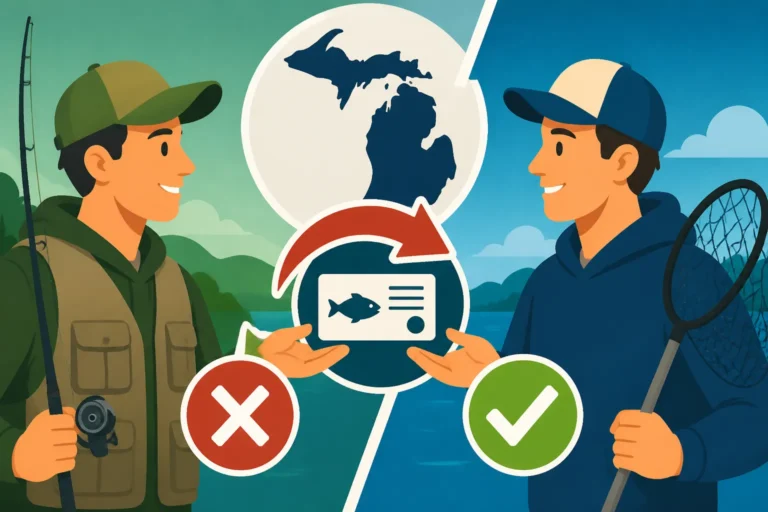
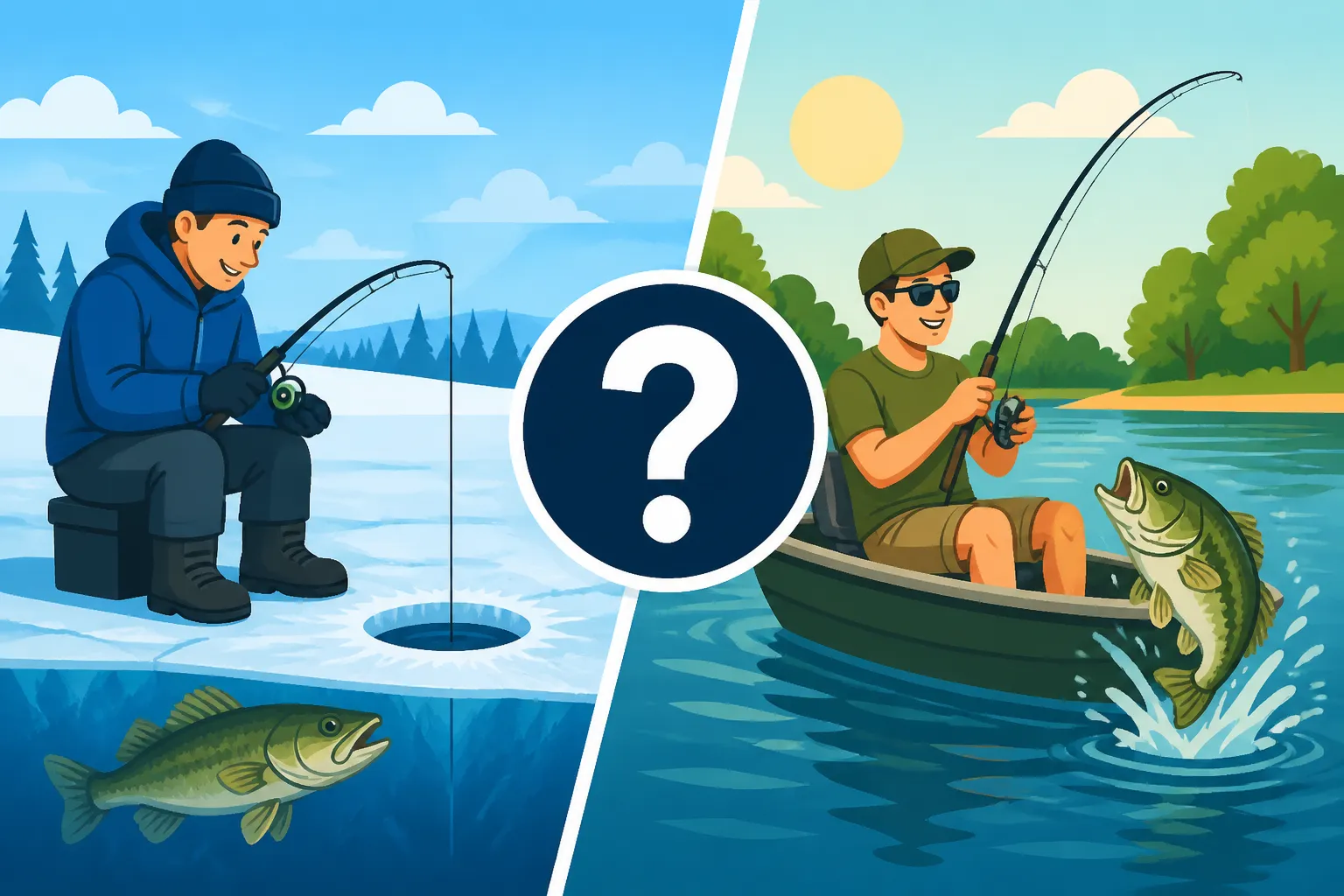
Let's get right to the heart of the matter: no, you do not need a separate license for ice fishing versus summer fishing in Michigan. The Michigan Department of Natural Resources (DNR) operates on a single, comprehensive annual fishing license system. This means that once you purchase your license for the current season, you’re good to go, whether you’re casting a line into the open waters of Lake Michigan in July or drilling a hole in the frozen surface of Houghton Lake in January.
What the Annual License Covers
The annual Michigan fishing license is designed to be all-enencompassing. It grants you the privilege to fish legally in all of Michigan's public waters – from the vast Great Lakes to our smallest inland ponds and trickling trout streams – during their respective open seasons. This includes everything from chasing spring steelhead in the Manistee River to summer bass fishing on Lake St. Clair, fall salmon runs, and, of course, winter ice fishing for walleye, perch, or pike. The license covers a wide array of species, but always remember to check the specific regulations for bag and size limits, as these can vary significantly by species and location. For instance, the rules for Michigan Walleye Daily Possession Limit might differ from those for bass.
This unified approach simplifies things immensely for anglers. Instead of worrying about multiple permits or figuring out which license applies to which method or season, you buy one, and you’re set for twelve months of angling adventures. It's a system designed for convenience, allowing you to seamlessly transition from open water to hard water without any additional bureaucratic hurdles. Just imagine the hassle if you needed a separate stamp for every type of fishing you wanted to do throughout the year – it would be a nightmare!
When to Purchase and Renew Your License
Michigan’s fishing license year runs from March 1st through March 31st of the following year. This means that a license purchased on March 1st, 2024, would be valid until March 31st, 2025. Many anglers make it a tradition to buy their new license as soon as it becomes available in early spring, often coinciding with the excitement of spring trout openers or the anticipation of warmer weather fishing. It’s a great way to kick off the new fishing season with everything in order.
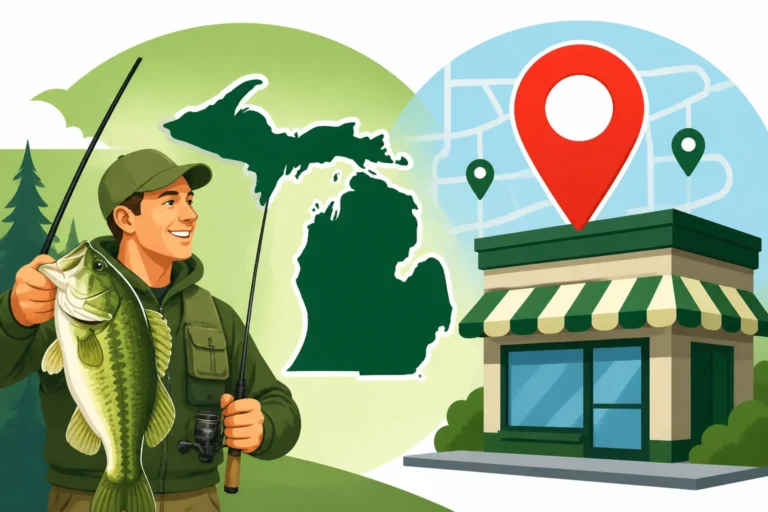
You can pick up your license in a variety of convenient ways. Many local bait and tackle shops are authorized license retailers, offering a chance to grab some fresh bait or chat about local conditions while you’re there. You can also purchase your license online through the Michigan DNR's eLicense system, or via the Michigan's DNR Hunt Fish App for Licenses and Reporting on your smartphone, which is incredibly handy when you're already out and realize your license might have expired. This digital option means you always have proof of your license right on your phone, which is a lifesaver if you forget your printed copy. Don't forget that your Michigan Fishing License Renewal Each Spring is a key date to remember.
Residency and License Types
While the annual license covers all seasons, the price you pay and the specific license types available do depend on your residency status and age. Michigan offers different rates for residents and nonresidents. For example, a Michigan Resident Annual Fishing License Cost will be less than a Michigan Nonresident Annual Fishing License Cost. There are also special considerations for seniors and youth. Kids under the age of 17 can often fish without a license, but it’s always a good idea to double-check the current Michigan Youth Fishing License Rules to be absolutely sure.
Beyond the standard annual license, Michigan also provides other options for anglers with different needs. For those just visiting for a short trip, a 24-hour license might be more economical than a full annual license. This short-term option is perfect for a quick weekend getaway to experience some of Michigan's amazing fishing, whether it’s a quick dip into some great bass waters or a spur-of-the-moment ice fishing excursion. Understanding the nuances of these options is part of being a responsible and well-prepared angler in Michigan, and the Michigan Fishing License Costs and Types Explained article covers them in more detail.
Why Anglers Might Think Ice and Summer Licenses Differ
It's completely understandable why many anglers, especially those new to Michigan or those who only fish during one particular season, might assume there's a different license requirement for ice fishing compared to open-water fishing. The two activities feel so fundamentally different, from the scenery to the gear, that it's easy to imagine separate regulatory frameworks.
The Impact of Distinct Fishing Seasons
Michigan truly has four distinct fishing seasons, each with its own unique charm and challenges. The transition from the warm, green landscapes of summer to the crisp, colorful hues of fall, then to the stark, icy expanses of winter, and finally the revitalizing burst of spring, brings about significant shifts in fish behavior and angler approaches. In summer, you might be out on a boat, trolling for salmon on Lake Huron or casting topwater lures for bass in an inland lake. When winter arrives, that same lake might be covered in several feet of ice, requiring entirely different tactics.
This stark contrast in conditions and opportunities can naturally lead to the perception that the rules might change too. After all, the environment is so radically transformed. However, the state’s licensing system intentionally avoids this seasonal segmentation. The annual license represents a yearly pass to enjoy all of Michigan’s angling opportunities, regardless of what the weather decides to do or what gear you choose to use. This makes it simpler for the DNR to manage and for anglers to comply with.
Varying Gear and Techniques
Let's be honest, the gear you use for ice fishing often looks nothing like your summer setup. For ice fishing, you're looking at specialized short rods, tip-ups, ice augers (which you can find a great selection of on Amazon, by the way), portable shanties, and heavy winter clothing. Your bait might consist of wax worms or minnows, and your technique involves jigging small lures directly below you in a hole. Compare that to summer: longer rods for casting, complex trolling setups with downriggers for salmon, or even fly fishing gear for trout streams.
Because the equipment and methods are so different – and often involve a significant investment in specialized gear – it's easy to assume that the regulatory bodies would treat them as separate sports. The thought process is often: "If I need different rods, reels, and even a completely different wardrobe, surely the license would be different too?" However, while your tackle box might undergo a complete overhaul between seasons, your fishing license remains the same. A comprehensive Michigan Ice Fishing Guide will detail all the specific gear you might need.
Different Water Bodies and Access Points
Sometimes, the confusion might also come from the perceived difference in accessibility. In summer, boat launches are bustling, and piers are lined with anglers. In winter, access might shift to specific plowed areas, or you might even be venturing out onto the ice from private property with permission. Certain smaller inland lakes that are less popular in summer might become ice fishing hot spots.
The vastness of Michigan's waters, from the Great Lakes to countless inland lakes and rivers, means that different fishing spots shine at different times of the year. This geographical and temporal shift in popular fishing locations could also contribute to the idea that different rules, including licensing, might apply. Yet, regardless of where you are or how you access the water, as long as it's public fishing water and you're within the legal seasons and regulations, your single annual license covers your activity. Remember, even if you’re on private land, if you’re fishing public waters flowing through or adjacent to that land, a license is typically required.
| Feature | Michigan Annual Fishing License | Perceived "Ice Fishing License" | Perceived "Summer Fishing License" |
|---|---|---|---|
| Validity Period | March 1st – March 31st (next year) | Not a separate license type | Not a separate license type |
| Covers Ice Fishing | Yes | N/A | No |
| Covers Open Water Fishing | Yes | No | N/A |
| Cost | Single annual fee | N/A | N/A |
| Required For All Ages | Varies by age/residency | Varies by age/residency | Varies by age/residency |
| Purchased Online/Retail | Yes | N/A | N/A |
Practical Advice for Year-Round Michigan Angling
Knowing that one license covers all seasons simplifies your life as an angler, but there are still important things to keep in mind to ensure you’re always fishing legally and safely.
Planning Your Fishing Year
With a unified license, your planning can focus more on the fish themselves and the optimal times to target them. Many anglers create a mental or physical calendar of their favorite species and when they become most active. For instance, you might dedicate spring to chasing steelhead or inland trout, summer to bass and panfish, fall to salmon, and winter to hard water species like walleye and perch. This flexibility is one of the best parts about Michigan fishing!
Don't forget to consult the Michigan Fishing Regulations Every Angler Should Know at the start of each license year. While the license itself is constant, the specific rules for particular lakes, rivers, or species can change annually. The DNR publishes a comprehensive digest, which is available online or often at places where you buy your license. It's truly your fishing bible for the year. Keeping up-to-date ensures you're always on the right side of the law, whether you're using a fancy new lure from Amazon or a trusty old worm.
Ensuring Your License is Valid
Always double-check the expiration date on your license. As mentioned, they run from March 1st to March 31st of the following year. It’s incredibly easy for that date to sneak up on you, especially if you buy your license in the middle of the previous year’s season. There’s nothing worse than getting out on the ice or in a boat, only to realize your license expired a week ago! The DNR officers are out there, and fishing without a valid license can lead to fines and headaches you definitely want to avoid.
Set a reminder on your phone or mark your calendar for late February each year to purchase your new license. This habit will save you from any last-minute scrambles. Even if you're planning to take advantage of the Michigan Free Fishing Weekends Explained, where licenses are not required, having your annual license ensures you're covered for all other days of the year.
Staying Informed About Regulations
Beyond just the license, it’s crucial to stay informed about all other fishing regulations. Michigan's diverse fisheries mean that rules can be very specific, not just by species, but by body of water. For instance, the walleye size limits on Saginaw Bay might be different from an inland lake in the Upper Peninsula. Some waters might have special tackle restrictions, especially for trout.
A quick search on the Michigan DNR website or a physical copy of the current fishing guide (which you can often pick up free at sporting goods stores or order online) should be your go-to resource. Fishing forums and local bait shops are also fantastic places to get up-to-date information on local conditions and any recent regulation changes. Being a responsible angler means more than just having a license; it means understanding and respecting the rules that protect Michigan's incredible natural resources for everyone to enjoy, whether you're enjoying the solitude of ice fishing or the camaraderie of a summer fishing trip.
Disclaimer
Please note that fishing regulations can change. While this guide provides comprehensive information, always consult the most current Michigan Department of Natural Resources (DNR) fishing guide or website for the official and most up-to-date rules and regulations before heading out on the water.