Michigan Boat Fishing License Requirement
Many anglers heading out onto Michigan's beautiful lakes and rivers often find themselves wondering about the specifics of fishing licenses when they're casting from a boat. There's a common misconception that boat registration might cover fishing, or that certain types of boats might be exempt. This guide is here to untangle all those questions, making sure you understand exactly what's required so you can enjoy your time on the water without a worry.
The Fundamental Rule: Fishing Licenses Apply to the Angler
One of the most common questions I hear from folks gearing up for a fishing trip in Michigan is whether they need a separate license to fish from a boat. It's a fair question, especially with all the different rules and regulations out there for boating itself. But let's get straight to the point: the requirement for a fishing license in Michigan is tied directly to the individual angler, not to the vessel they're using. Whether you're standing on the shore of Lake Michigan, wading into a trout stream, ice fishing on Houghton Lake, or casting from a 20-foot bass boat, if you're 17 years of age or older, you need a valid Michigan fishing license to legally engage in fishing.
This means that if you own a boat, whether it's a sleek fishing machine, a humble rowboat, or even a fancy kayak that needs to be registered, that boat's registration is entirely separate from your personal fishing license. The boat might be perfectly legal to be on the water, but if the person holding the rod doesn't have their license, they're breaking the law. It’s a crucial distinction, and one that often catches new or visiting anglers off guard. Always remember, the license is personal; it travels with you, the angler. This applies to all waters in Michigan, from the vast expanse of the Great Lakes to the smallest inland ponds.
Who Needs a License, Regardless of the Vessel
The Michigan Department of Natural Resources (DNR) is pretty clear on this. Any person 17 years of age or older must possess a valid fishing license to fish in Michigan waters. This isn't just for residents; nonresidents need one too, though the cost structure differs quite a bit. You can find all the details in our guide on Michigan Fishing License Guide for Residents and Nonresidents. It’s a blanket rule, designed to ensure that everyone who participates in recreational fishing contributes to the conservation efforts that keep Michigan's fisheries vibrant and healthy.
Think of it this way: your driver's license lets you operate a car, but it doesn't give you permission to buy a specific type of alcohol. Similarly, your boat registration lets you operate your vessel, but it doesn't grant you the right to fish. The fishing license is your specific permission slip from the state to partake in the sport. This applies whether you're using a fancy new fishing kayak you picked up online (perhaps from Amazon, if you appreciate convenient shopping!) or a classic aluminum boat that's been in the family for generations. The type of boat doesn't change the angler's personal responsibility to hold a license. Even if you're just dropping a line over the side of a pontoon boat while cruising on Higgins Lake, that fishing license needs to be in your possession.
Are There Any Exceptions for Boat Anglers
While the general rule is quite firm, Michigan does offer a few specific exceptions to the fishing license requirement, which could apply to boat anglers, but these exceptions are not tied to the boat itself. The most notable exceptions are related to age and special designated periods.
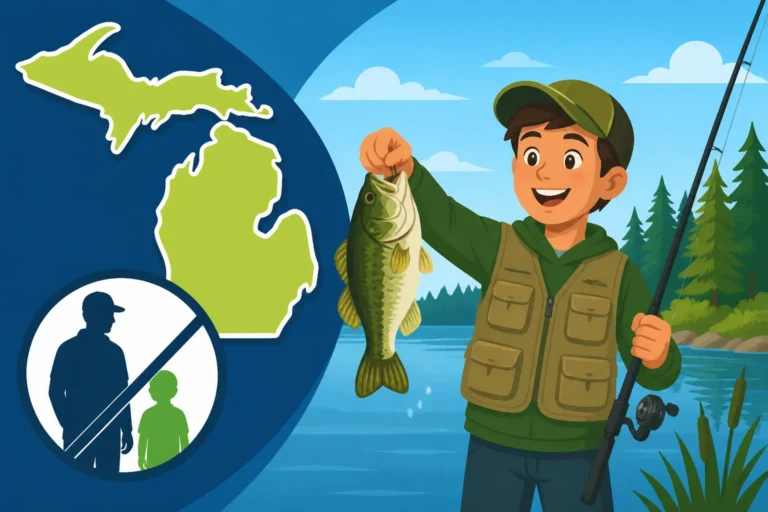
Firstly, if you're under 17 years of age, you are exempt from needing a fishing license in Michigan. This is fantastic for families, encouraging younger generations to get out on the water and enjoy fishing. So, if you're taking your kids or grandkids out on your boat, they can fish without a license, as long as they haven't hit that 17th birthday yet. We dive deeper into this topic in Do Kids Need a Fishing License in Michigan?. It's a wonderful way to introduce them to the sport without the added expense or paperwork.
Secondly, Michigan hosts two "Free Fishing Weekends" each year – one in winter and one in summer. During these specific weekends, all fishing license fees are waived for both residents and nonresidents. You can fish any Michigan public waters, from shore or boat, for virtually all species. This is an excellent opportunity to try out boat fishing if you're new to it, or to introduce a friend without them needing to purchase a license. You can learn more about these special weekends in Michigan Free Fishing Weekends Explained. Beyond these two categories, if you're 17 or older and it's not a free fishing weekend, you'll need that license, even if you're just helping someone else land a fish from the boat.
Understanding Michigan's Boat Registration Versus Fishing License
It's really easy to get confused when you're looking at all the rules for getting out on the water in Michigan. You've got your boat, you want to fish, and suddenly you're drowning in paperwork questions. The biggest point of confusion often revolves around the difference between registering your boat and getting your fishing license. These are two completely distinct requirements, overseen by different parts of the Michigan DNR, and they serve entirely different purposes. Think of them as two separate keys to two separate doors – one lets you operate your vessel, the other lets you fish from it.
The state needs to know who owns boats operating on its waters for safety, environmental, and revenue purposes. This is where boat registration comes in. However, the act of fishing itself is regulated through fishing licenses to manage fish populations, fund conservation, and track angler participation. A common mistake is thinking that because your boat is properly registered, you’ve somehow met all the legal requirements to fish from it. This is simply not the case. Both are critical for a compliant day out, but they are separate entities.
What is a Boat Registration and Why it Matters
Michigan law requires most vessels operating on public waters to be registered with the Secretary of State. This includes everything from larger motorboats and sailboats to personal watercraft (PWCs) and even smaller boats with electric trolling motors. There are specific guidelines for which vessels need to be registered, typically based on the type of propulsion and length. For instance, most canoes and kayaks without motors are usually exempt, but if you attach even a small electric motor, that exemption often disappears. We cover this in detail in our Michigan Boat Registration Requirements guide.
Boat registration primarily serves several purposes: it helps law enforcement identify vessels, provides a record of ownership, and collects funds that go towards boating safety programs, public access sites, and water-based infrastructure. When you register your boat, you receive a registration certificate, specific numbers to display on your hull, and annual decals. This process ensures your vessel is legally allowed to be on the water. It’s about the boat's legality and safety, not the angler's right to fish. You could have a fully registered, top-of-the-line fishing boat, but if you don't have your personal fishing license, any fish you catch are technically illegal.
The Clear Distinction for Anglers
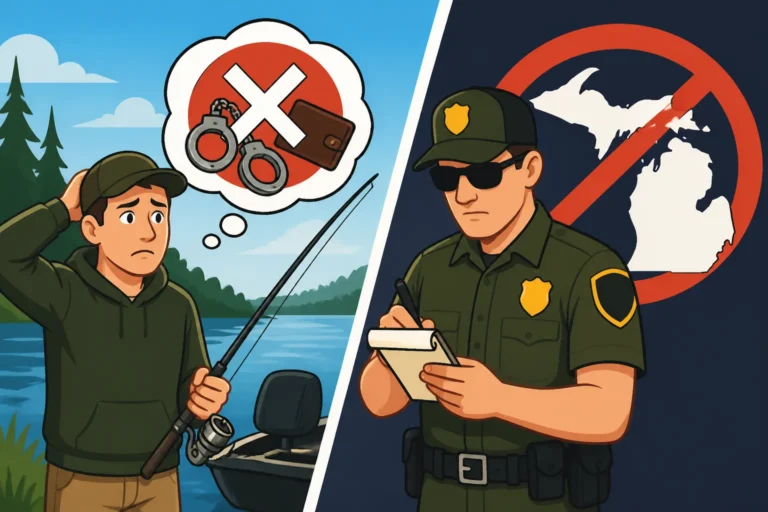
To reiterate, your boat registration proves your vessel is legal to operate, while your fishing license grants you the legal right to fish. They are not interchangeable, and one does not fulfill the requirements of the other. Imagine this scenario: you're out on Lake St. Clair, enjoying a beautiful day, your boat is perfectly registered with all the numbers and decals in place. But then a DNR officer pulls up alongside and asks to see your fishing license. If you only produce your boat registration, you could still be facing a ticket for fishing without a license. The officer isn't interested in your boat's paperwork for fishing compliance; they're interested in your fishing compliance.
This distinction is fundamental for all anglers, especially those who primarily fish from a boat. It's not uncommon for recreational boaters who decide to casually drop a line to forget this. They might think, "My boat is legal, so I'm good." This oversight can lead to an unexpected and unwelcome fine. Always make it a habit to check both your boat's registration status and your fishing license's expiration date before heading out. The fishing license year in Michigan typically runs from March 1st to March 31st of the following year, meaning you need to renew it annually. You can find more specific details on license types and costs in our article, Michigan Fishing License Costs and Types Explained.
Acquiring Your Michigan Fishing License for Boat Excursions
Okay, so we’ve established that you, the angler, definitely need a fishing license, regardless of whether you're fishing from a boat. Now, let’s talk about how you can actually get one. The good news is that Michigan has made the process incredibly convenient, offering several avenues to ensure you can secure your license with minimal hassle. This flexibility means you can usually grab one right before your trip, or even from the comfort of your home, allowing you more time to plan your actual boat outing on the beautiful waters of Michigan.
Whether you're planning a serious multi-day fishing adventure targeting salmon on Lake Michigan or just a casual afternoon chasing panfish on an inland lake from your small aluminum boat, making sure your license is valid is a simple step that avoids potential headaches. Don't let the excitement of launching your boat overshadow this crucial piece of preparation. Being prepared means you can focus on the fishing, the scenery, and making memories on the water.
Online and App Convenience
In today's digital age, one of the easiest ways to obtain your Michigan fishing license is online. The Michigan DNR website offers a straightforward portal where you can purchase licenses for residents and nonresidents alike. It’s a secure system, and once you've made your purchase, you'll receive a digital copy of your license. You can even print it out at home, or, even better, display it on your smartphone or other mobile device. This is incredibly convenient for boat anglers, as it means one less piece of paper to worry about losing overboard.
Beyond the website, the Michigan DNR also provides the "Michigan DNR Hunt Fish App," available for both Apple and Android devices. This app is a game-changer for many anglers, especially those who are always on the go. Through the app, you can purchase and store your fishing license digitally, report harvests (like for muskellunge, if you're lucky enough to catch one!), and even access regulations digests. This means your license is always with you, as long as you have your phone – a true blessing when you're out on the boat and might not have a physical wallet handy. I recommend downloading it and getting familiar with it before your trip; you can easily search for "Michigan DNR Hunt Fish App for Licenses and Reporting" to find it. Having your license accessible on your phone through the app or a PDF download makes verification on the water incredibly simple for both you and any inquiring conservation officers.
In-Person Options
For those who prefer a more traditional approach, or if you simply find yourself needing a license while already on the road to your fishing destination, there are numerous authorized license retailers across Michigan. These include many bait and tackle shops, sporting goods stores, and even some convenience stores. These locations are equipped to issue licenses on the spot, providing you with a physical copy immediately.
This can be particularly useful if you have last-minute questions, need some local advice, or want to pick up some fresh bait or a new lure for your boat fishing trip. Many of these retailers are deeply ingrained in the local fishing community and can offer invaluable tips about current conditions, what fish are biting, and the best local spots. Just make sure you bring a valid ID and proof of residency if you're a Michigan resident to ensure you get the correct license type and pricing. It's always a good idea to confirm their operating hours if you're planning a very early morning or late-night purchase. For more guidance on where to buy, check out our piece on How to Buy a Michigan Fishing License. You might also want to grab a fishing knot guide or a local fishing map, perhaps a highly-rated one you spotted on Amazon, while you're there or planning your trip.
Navigating Specific Boat Fishing Scenarios and Regulations
While the core rule about individual licensing is universal, fishing from a boat can sometimes introduce unique situations or amplify the importance of certain regulations. It's not just about having your license; it's about understanding how the broader framework of Michigan fishing regulations interacts with your boat-based activities. Knowing these nuances can save you from unexpected fines or misunderstandings, ensuring your time on the water remains truly enjoyable.
From fishing with your youngest crew members to venturing into shared international waters, understanding how these specific scenarios play out when you're in a boat is crucial. It’s about being a responsible angler and boater, respecting the resource, and ensuring everyone aboard has a safe and legal experience.
Fishing with Minors from a Boat
As mentioned earlier, children under the age of 17 do not need a fishing license in Michigan. This rule holds true whether they are fishing from shore, a pier, or your boat. This is fantastic, as it removes a barrier for introducing kids to the sport. However, there's a subtle but important detail to remember when you're the adult in charge. While they don't need a license, they still need to adhere to all other fishing regulations, including bag and size limits for specific species, as well as gear restrictions.
For example, if you're on your boat catching walleye on Saginaw Bay, and your 10-year-old catches a walleye that's under the legal size limit, it still needs to be immediately released. Their exemption from needing a license doesn't mean they're exempt from the rules of fishing. Moreover, while you're guiding them, you must still possess your own valid fishing license if you are 17 or older and plan to assist, handle, or fish yourself. The combined possession limit of fish for everyone in the boat (licensed or not) must adhere to the daily limits per licensed angler. It's always wise to have a copy of the Michigan Fishing Regulations Every Angler Should Know digest on hand, either a physical copy or easily accessible on your phone, to clarify any doubts on the spot, especially for specific waters or species.
Charter Boat Fishing Regulations
Many visitors and even residents love the experience of charter fishing on the Great Lakes. It's an incredible way to target species like Chinook and Coho salmon, or giant lake trout, especially if you don't own a boat equipped for big water trolling. When you book a trip with a licensed Michigan charter boat, the captain and crew will typically handle most of the technical aspects, including providing gear, finding fish, and ensuring the boat is properly registered and equipped.
However, the individual fishing license requirement still applies to each angler aboard the charter boat who is 17 years of age or older. The charter captain’s license covers his ability to operate the charter business and boat, but it doesn't extend to cover the individual fishing licenses of his clients. So, before you step foot on that charter in Ludington or Traverse City, make sure you've purchased your own Michigan fishing license. You can purchase a 24-hour license if it's just a one-off trip, or an annual license if you plan on more Michigan fishing adventures. Many charter captains will even remind you of this crucial step during booking, as they don't want to see their clients get in trouble. Nonresident Fishing in Michigan: What the Law Requires is a good read if you're visiting from out-of-state and planning a charter.
Fishing Boundary Waters from a Boat
Michigan shares vast freshwater boundaries with neighboring states and Canada, particularly along the Great Lakes and various rivers like the St. Clair and Detroit Rivers. Fishing these boundary waters from a boat adds another layer of complexity to licensing. The general rule is that you need a fishing license from at least one of the jurisdictions whose waters you are fishing in.
For example, if you're fishing from a boat on the Detroit River, which forms a boundary with Ontario, Canada, you would typically need either a valid Michigan fishing license or a valid Ontario fishing license. You don't necessarily need both, but you must adhere to the regulations of the jurisdiction whose license you hold, regardless of where your boat is physically located on the water. This can sometimes mean different bag limits, size limits, or even open seasons depending on whether you're following Michigan or Ontario rules. Always carry proof of your license and be aware of where the boundary lines lie. It's a tricky area, and detailed information can be found in our comprehensive guide on Michigan's Boundary Water Fishing Rules on the Great Lakes. When fishing these areas, having a good marine GPS unit on your boat, perhaps one you researched thoroughly and purchased from a reliable vendor like Amazon, can be invaluable for staying aware of which side of the line you're on. Remember to also check Michigan Boating Laws for Anglers to ensure full compliance.
Here's a quick table summarizing the general requirements:
| Scenario | Fishing License (Angler) | Boat Registration (Vessel) | Other Key Considerations |
|---|---|---|---|
| Resident 17+ on own motorboat | REQUIRED | REQUIRED | Adhere to all Michigan Fishing Regulations |
| Nonresident 17+ on own motorboat | REQUIRED | REQUIRED (for Michigan use) | Nonresident license costs more; check Nonresident Fishing in Michigan: What the Law Requires |
| Resident <17 on family canoe | NOT REQUIRED | NOT REQUIRED (no motor) | Must follow all fishing regulations (bag/size limits) |
| Angler 17+ on a charter boat | REQUIRED | Handled by Charter Operator | Captain has commercial license, but you need personal one |
| Angler 17+ on a friend's boat | REQUIRED | Friend's responsibility | Your license covers your fishing, friend's covers boat |
| During Free Fishing Weekend | NOT REQUIRED | REQUIRED (if applicable) | All other fishing/boating regulations still apply |
Remember, getting caught fishing without a license can lead to fines and potentially confiscation of your catch. These penalties are outlined in resources like Michigan Fishing Violation Penalties and Fines. It’s simply not worth the risk. A small investment in a license ensures your day on the water is stress-free and legal.
Disclaimer
The information provided in this guide is for general informational purposes only and is not intended as legal advice. Fishing regulations in Michigan are subject to change, and specific rules may vary by body of water, season, and species. Always consult the most current Michigan DNR Fishing Guide or contact the Michigan Department of Natural Resources directly for the most accurate and up-to-date information before engaging in any fishing activities. Compliance with all state and federal regulations is the responsibility of the individual angler.