When Does Walleye Season Open in Michigan’s Lower Peninsula
That anxious wait for spring, watching the last bits of ice melt away, is a familiar feeling for every Michigan angler, especially when you're dreaming of those delicious walleye. It can be incredibly frustrating to mark your calendar for opening day only to realize you’re not entirely sure when you can legally drop a line in your favorite Lower Peninsula walleye haunt. This comprehensive guide will walk you through everything you need to know about the official walleye season opener in Michigan’s Lower Peninsula, why it differs from other areas, and how you can be fully prepared to hit the water running.
Understanding Michigan's Walleye Season Structure
Michigan’s diverse geography, from the warmer southern farmlands to the colder, more rugged Upper Peninsula, means that fishing seasons aren't a one-size-fits-all affair. The Michigan Department of Natural Resources (DNR) carefully crafts fishing regulations to protect fish populations during their most vulnerable times, especially during spawning. This often results in different opening dates for various species and even different regions within the state. Walleye are no exception to this, and understanding these nuances is key to a successful and legal fishing trip. If you're new to the state or just need a refresher, diving into the general rules outlined in the Michigan Fishing Regulations Every Angler Should Know is always a good starting point.
The distinction between the Lower and Upper Peninsulas for walleye season isn't just a minor detail; it’s a critical piece of information that can save you from a potential violation. These separate opening dates are primarily driven by environmental factors, chiefly water temperature and the subsequent timing of the walleye spawn. Anglers often yearn for those early spring bites, but responsible management ensures that these prized fish have a chance to reproduce successfully before becoming targets.
The Official Lower Peninsula Walleye Opener Date
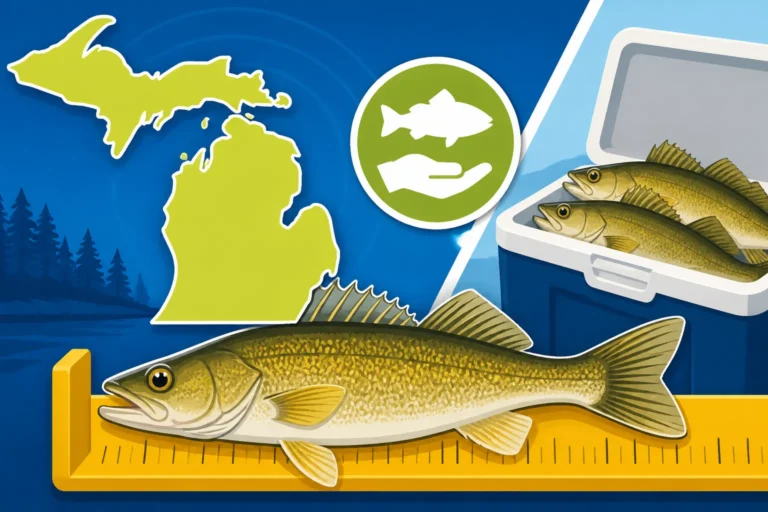
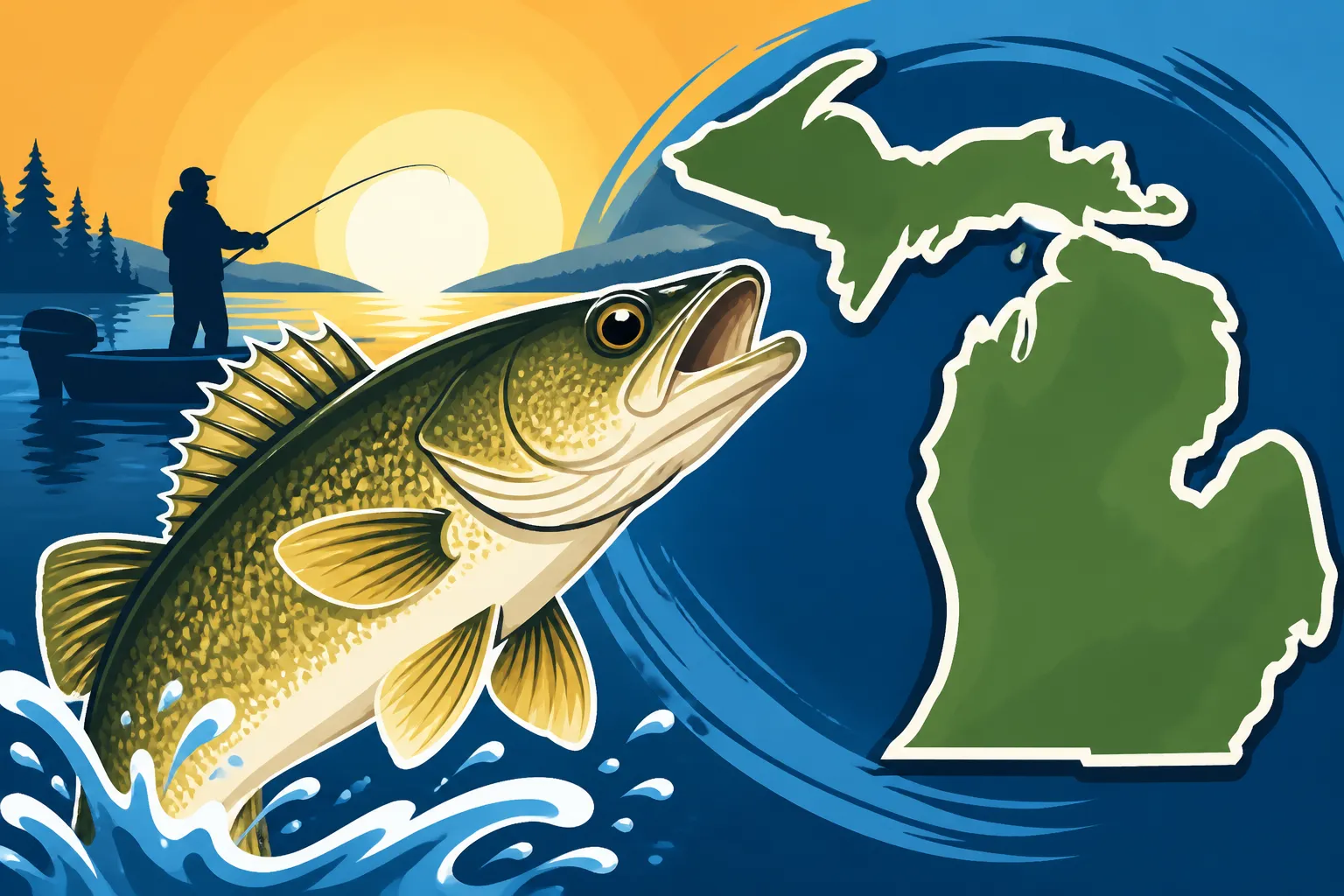
For most of us eager anglers in Michigan's Lower Peninsula, the walleye season kicks off at a very specific and much-anticipated time. You can officially begin targeting walleye in most Lower Peninsula waters, including its Great Lakes tributaries, starting on the last Saturday in April. This date is consistent year after year, offering a reliable target for planning your first spring fishing excursions.
What does this mean for your fishing plans? It means that from the last Saturday in April, you can fish for walleye in inland lakes and rivers throughout the Lower Peninsula, as well as in the connecting waters to the Great Lakes. This includes popular destinations like Saginaw Bay, Lake Erie, and the various rivers that feed into Lake Michigan and Lake Huron within the Lower Peninsula. Knowing this specific date, which is also generally the Lower Peninsula Trout and Walleye Opener, allows you to prepare your gear, scout your spots, and truly shake off the winter blues. Remember, while the opener is fixed, specific daily bag and size limits apply once the season starts, so be sure to consult the latest Michigan Walleye Size and Possession Limits to stay compliant.
Special Walleye Regulations and Exceptions
While the last Saturday in April is the general rule for the Lower Peninsula, it’s Michigan, and fishing regulations can sometimes have a few twists! It's crucial to understand that while a blanket rule exists, certain bodies of water might have specific regulations that either adjust the opener or dictate different size and possession limits. Always consider the primary document, the Michigan Fishing Regulations Digest PDF for 2026, as your ultimate source of truth.
For instance, the vast waters of Lake Erie and Saginaw Bay, both renowned walleye fisheries, fall under the Lower Peninsula’s general opening date. However, they often have specific daily bag limits that can sometimes differ slightly from inland waters due to the sheer abundance and management strategies for those massive populations. On the other hand, certain boundary waters or specific river stretches might have unique rules, perhaps a protected slot limit for walleye or a different possession count. For example, some stretches of the Detroit River, a major walleye migration route, are subject to these general rules, but you should always verify any nuances for such intensely fished areas. It's not uncommon for the DNR to implement protective measures in highly sensitive spawning areas or where fish populations require special attention. Never assume; always verify the details for the specific body of water you intend to fish.
Here’s a quick overview of general walleye regulations once the season is open in the Lower Peninsula:
| Water Body Type | Season Opening Date | Minimum Size Limit (general) | Daily Possession Limit (general) | Special Notes |
|---|---|---|---|---|
| Lower Peninsula Inland Lakes/Rivers | Last Saturday in April | 15 inches | 5 walleye | Check local regulations for exceptions. |
| Lower Peninsula Great Lakes/Connecting Waters | Last Saturday in April | 15 inches | 5 walleye | Lake Erie and Saginaw Bay often have high densities. |
| Upper Peninsula Waters | May 15th | 15 inches | 5 walleye | Opens later due to colder climate and later spawn. |
Note: These are general guidelines. Always consult the most current Michigan Fishing Regulations Digest for precise and up-to-date information for your specific fishing location. Specific lakes or rivers may have unique regulations.
Why the Lower Peninsula Walleye Season Opens Earlier
Ever wondered why those of us in the Lower Peninsula get to chase walleye a little sooner than our friends up north? It's not just random; there's some solid science and geographical sense behind it. The primary reasons revolve around climate, water temperatures, and the walleye's natural reproductive cycle. Michigan is a big state, and the difference in latitude and proximity to the Great Lakes creates distinct environmental conditions that directly influence fish behavior.
Anglers often get antsy, wishing every lake opened at the same time, but the DNR's staggered approach is a careful balance designed to promote healthy, sustainable fish populations. It acknowledges the natural progression of spring across the state, ensuring that walleye have adequate time to complete their crucial spawning activities before fishing pressure increases. This thoughtful management contributes to the excellent walleye fishing opportunities Michigan is known for, helping to sustain the fishery for future generations.
The Role of Water Temperature and Spawning
Walleye are cold-water fish, but their spawning cycle is heavily influenced by rising water temperatures in the spring. Typically, walleye begin their spawning migrations when water temperatures reach the upper 30s to low 40s Fahrenheit (around 3-6 degrees Celsius), with peak spawning occurring when temperatures hit the mid-40s to low 50s F (7-12 degrees Celsius). They prefer to spawn over gravel, rubble, or hard bottom areas in rivers and shallow areas of lakes.
The Lower Peninsula generally experiences warmer air temperatures earlier in the spring compared to the Upper Peninsula. This means that inland lakes and rivers in the Lower Peninsula warm up faster, triggering the walleye's spawning instinct sooner. By the last Saturday in April, most walleye in the Lower Peninsula have either completed their spawning activities or are nearing completion, making them less vulnerable to fishing pressure. Conversely, the Upper Peninsula, with its colder climate and lingering ice, sees a much later warming trend, delaying the walleye spawn. This crucial biological window is why the seasons are staggered, providing protection during their most vulnerable reproductive period. It’s all about giving those fish the best chance to successfully reproduce, which benefits everyone in the long run.
Geographical Differences and Management Strategies
The vast expanse of Michigan truly feels like two different states when it comes to early spring conditions. The Lower Peninsula benefits from a more temperate climate, influenced by the surrounding Great Lakes which moderate temperatures, and generally lower elevations. This leads to earlier ice-out on inland lakes and a quicker warm-up in rivers. Consequently, the walleye here begin and complete their spawning cycles weeks ahead of their northern counterparts.
The Upper Peninsula, nestled between Lake Superior, Lake Michigan, and Lake Huron, faces a much harsher and prolonged winter. Ice often persists on lakes well into May, and rivers remain colder for longer. The later May 15th opener in the Upper Peninsula is a direct response to these environmental realities, giving those walleye populations the extra time they need to spawn in safety. The Michigan DNR's management strategies are designed to account for these significant geographical and climatic differences. They continuously monitor fish populations, water temperatures, and spawning success rates to set and adjust seasons. This science-based approach ensures that while anglers get to enjoy the sport, the walleye fishery remains robust and healthy across the entire state. These are the kinds of essential regulations that, while sometimes requiring patience, ultimately ensure we have fish to catch for years to come.
Preparing for the Walleye Opener in the Lower Peninsula
The excitement leading up to the walleye opener is palpable, and preparation is half the fun! Whether you're a seasoned walleye warrior or new to the pursuit, having your gear in order and a plan in mind can make all the difference. Early spring walleye can be a bit tricky; they’re often still in or near spawning areas, can be sluggish in cold water, and their feeding patterns might not be as aggressive as later in the season. Thinking ahead about your equipment and where you'll target them will give you a significant edge.
Before you even think about hitting the water, make sure your Michigan Fishing License Guide for Residents and Nonresidents is up to date. Licenses typically renew in March, so if you haven't bought yours yet, you'll need one for the opener. You can easily get one online, through the Michigan's DNR Hunt Fish App for Licenses and Reporting, or at authorized retailers.
Essential Gear and Tackle for Early Season Walleye
When that last Saturday in April rolls around, you’ll want to be well-equipped. Early spring walleye fishing often calls for specific tackle to entice those sometimes finicky fish.
- Rods and Reels: A medium-light to medium-action spinning rod, typically 6'6" to 7' long, paired with a 2500 or 3000 series spinning reel, is a fantastic all-around setup. This combination offers enough sensitivity to detect subtle bites and enough backbone to handle a good-sized walleye. For line, a 6-10 lb test fluorocarbon or braid with a fluorocarbon leader is often preferred. Fluorocarbon is nearly invisible underwater, which can be an advantage in clear, cold waters, and offers good abrasion resistance.
- Baits and Lures:
- Jigs: Jigs are perhaps the most versatile walleye lure, especially in early spring. Tipping a 1/8 to 1/2 oz jig (depending on depth and current) with a live minnow, a piece of nightcrawler, or a soft plastic grub can be deadly. Colors like chartreuse, white, orange, and purple are often effective.
- Live Bait: Nothing beats live bait for early season walleye. Fathead minnows, shiners, or nightcrawlers fished on a jig, under a bobber, or on a slip-sinker rig are highly effective. Their natural scent and action are hard for a walleye to resist.
- Crankbaits: Shallow-running crankbaits or stickbaits like a Rapala Original Floater or a Berkley Flicker Shad in natural colors (silver, perch, firetiger) can be very productive when trolled slowly or cast in shallower areas, especially at dawn or dusk.
- Additional Gear: Don’t forget a good net with a rubberized mesh (safer for the fish and less tangles), needle-nose pliers for hook removal, and a cooler with ice to keep your catch fresh. You can find a huge variety of these essential items at your local bait shop or easily order them online from retailers like Amazon. Having your tackle box organized with a selection of jigs, hooks, sinkers, and leaders will ensure you're ready for any situation on the water.
Scouting Locations and Understanding Early Spring Behavior
Knowing when the season opens is great, but knowing where to find the walleye is the secret sauce. Early spring walleye behavior is largely dictated by water temperature and their post-spawn recovery.
- River Mouths and Tributaries: If you're fishing a Great Lake, focus on the mouths of major rivers that flow into it. These areas warm up faster and are key migration routes for spawning walleye. The current provides oxygen, and baitfish are often concentrated here. Look for eddies, current breaks, and transition zones where rivers meet the lake.
- Shallow Bays and Flats: On inland lakes, look for shallow bays, points, and flats with a hard, rocky, or gravel bottom. These areas absorb heat faster and are prime spawning grounds. Walleye will often linger in these areas for a period after spawning to recover and feed before moving to deeper summer haunts. Depths of 5-15 feet can be particularly productive.
- Bridge Pilings and Structure: Any submerged structure that breaks the current or offers ambush points can hold walleye. This includes bridge pilings, rock piles, drop-offs, and even sunken logs. These features provide cover and concentrate baitfish, making them attractive to hungry walleye.
- Time of Day: While walleye can be caught throughout the day, early morning and late evening, especially around dusk, are often the most productive times. Walleye eyes are adapted for low light, giving them an advantage over their prey during these periods. This is a great time to experiment with glow-in-the-dark jigs or lures that emit vibrations.
Understanding these patterns and combining them with scouting prior to the opener (using maps, satellite imagery, or even local reports) will significantly increase your chances of success. Local bait shops are also goldmines of information; don't be shy about asking for recent reports or specific tips for your chosen body of water.
Navigating Regulations and Staying Informed
Michigan's fishing regulations are designed to protect our precious natural resources while providing ample opportunities for anglers. However, they can sometimes feel like a complex puzzle, with rules changing annually and varying by water body. The key to staying compliant and enjoying your time on the water is to prioritize staying informed. There's nothing worse than having a great day of fishing only to realize you accidentally violated a rule. To avoid this frustration, think of checking the regulations as part of your essential pre-fishing routine, just like charging your boat battery or spooling fresh line.
A valid fishing license is your absolute first step; without it, you're not even allowed to cast a line. Make sure you understand the nuances of the various Michigan Fishing License Costs and Types Explained before you head out. And remember, it's not just about knowing the walleye opener, but also understanding the daily creel limits and minimum sizes that apply to all the fish you might encounter.
Where to Find the Latest Michigan Fishing Regulations
Staying up-to-date with Michigan's fishing regulations is easier than ever, thanks to several readily available resources. Don't rely on outdated information or word-of-mouth; always go directly to the official sources.
- Michigan DNR Website: The official DNR website (Michigan.gov/DNR) is the most comprehensive and up-to-date source for all fishing regulations. Here, you can find the complete annual Michigan Fishing Regulations Digest in PDF format. This document is typically updated annually, usually in late winter or early spring, reflecting any changes for the upcoming license year. It’s a great idea to download and save a copy to your phone or print it out.
- Michigan Fishing Regulations Digest (Print): Hard copies of the digest are available at most bait and tackle shops, DNR customer service centers, and wherever fishing licenses are sold. Many anglers prefer a physical copy to reference while on the water. These are usually free of charge. Learning how to effectively navigate and understand the Reading the Michigan Fishing Regulations Digest can save you a lot of headaches.
- DNR Hunt Fish App: The Michigan DNR offers a free mobile app called "DNR Hunt Fish." This incredibly useful tool allows you to purchase and store your fishing license digitally, report harvests (if required for certain species like muskellunge), and, most importantly, access the complete digital copy of the fishing regulations. It’s a fantastic way to have all the rules at your fingertips, even when out on the water.
- Local Bait and Tackle Shops: While not an official source, local bait and tackle shop owners and staff are often incredibly knowledgeable about the specific regulations for their area and can offer practical advice. They typically have the latest digests and are happy to help clarify rules.
Remember that Michigan's fishing license year runs from March 1st through March 31st of the following year. This means you need to renew your license each spring, typically before the walleye opener. If you're wondering When Does the Michigan Fishing License Year Start, it's always good to circle March 1st on your calendar as your reminder to get squared away.
Common Misconceptions About Walleye Season
Even experienced anglers can sometimes fall prey to common misunderstandings or outdated information regarding fishing regulations. Let's clear up a few common misconceptions about Michigan's walleye season:
- "My friend told me…": While well-intentioned, advice from friends or online forums should always be cross-referenced with official DNR regulations. Rules can change year to year, and what was true last season might not be true this one. Always verify with the current digest.
- "It's just one fish over the limit.": This is a serious misconception. Violating bag or size limits, even by a single fish, can result in significant fines and penalties, including loss of fishing privileges. Michigan conservation officers take these rules very seriously as they are vital to maintaining healthy fish populations. Knowing the Michigan Bag and Size Limits Explained for every species you target is critical.
- "I don't need a license if I'm fishing from a boat.": This is false. A fishing license is required for anyone aged 17 and older to fish in Michigan waters, regardless of whether you are fishing from shore, a pier, a boat, or through the ice. The only exceptions are during Michigan's designated Michigan Free Fishing Weekends Explained (which typically occur in February and June), or if you are under 17 years of age. For those fishing from a boat, there's no special "boat fishing license" requirement, just the standard individual fishing license.
- "The season opens at midnight on the official date.": While many seasons do open at midnight, it's always best to check the specifics in the regulations digest. Some regulations might specify "sunrise" or a particular time, although for most general seasons like walleye, midnight on the last Saturday in April is the standard start. It never hurts to double-check!
- "All walleye waters in the Lower Peninsula open at the same time.": As discussed, while the general rule is the last Saturday in April, it's crucial to remember that very specific bodies of water can have unique rules. These might include special harvest quotas, protected slot limits, or even slightly adjusted season dates for very localized management reasons. Always check the specific regulations for the lake or river you plan to fish to ensure there aren't any local exceptions to the statewide rules.
By understanding these common pitfalls and committing to verifying information with the Michigan DNR's official resources, you can ensure your walleye opener is not only successful but also completely compliant with the law. Happy fishing, Michigan anglers!
Disclaimer
Please note that fishing regulations in Michigan can change. While this article provides general information, it is crucial to always consult the current year's official Michigan Fishing Regulations Digest or the Michigan DNR website for the most accurate and up-to-date rules before you go fishing.