Best Beginner Fishing Setup for Kids
Bringing kids into the wonderful world of fishing can be an incredibly rewarding experience, but let's be honest, it can also be a bit overwhelming trying to figure out the right gear for their tiny hands and budding enthusiasm. Many parents, myself included, have made the mistake of handing over an old, complicated setup or buying something so cheap it breaks on the first cast, leading to tears and frustration for everyone. This guide is all about simplifying that process, helping you choose the best beginner fishing setup for kids so you can focus on making those precious memories on the water.
Why the Right Starter Setup Matters More Than You Think!
When you’re introducing a child to fishing, you’re not just handing them a rod; you’re setting the stage for their entire experience. A difficult, heavy, or poorly functioning setup can quickly turn a potential lifelong passion into a one-time ordeal. Think about it: if they can't cast easily, feel the bite, or reel in a fish without a struggle, it’s going to be a tough sell to get them excited about the next trip. We want joy, not tears, right? That’s why investing a little thought into their first setup is so crucial.
The Frustration of Overly Complicated Gear
I remember trying to teach my nephew to cast with a conventional baitcasting reel I'd picked up cheap at a garage sale. What was I thinking? His little fingers fumbled with the spool, the line inevitably bird-nested after every attempted cast, and the entire outing became less about catching fish and more about untangling line. It was a disaster, and it turned him off fishing for years! This is a common pitfall. Many adult setups, with their intricate drag systems, sensitive rods, and complex casting mechanics, are simply too much for a beginner, especially a young one. You’re already juggling your own gear, baiting hooks, and probably dealing with a snack request every five minutes – you don't need the added stress of a child battling a stubborn reel. Keep it simple, and you’ll keep their interest.
Comfort and Safety First
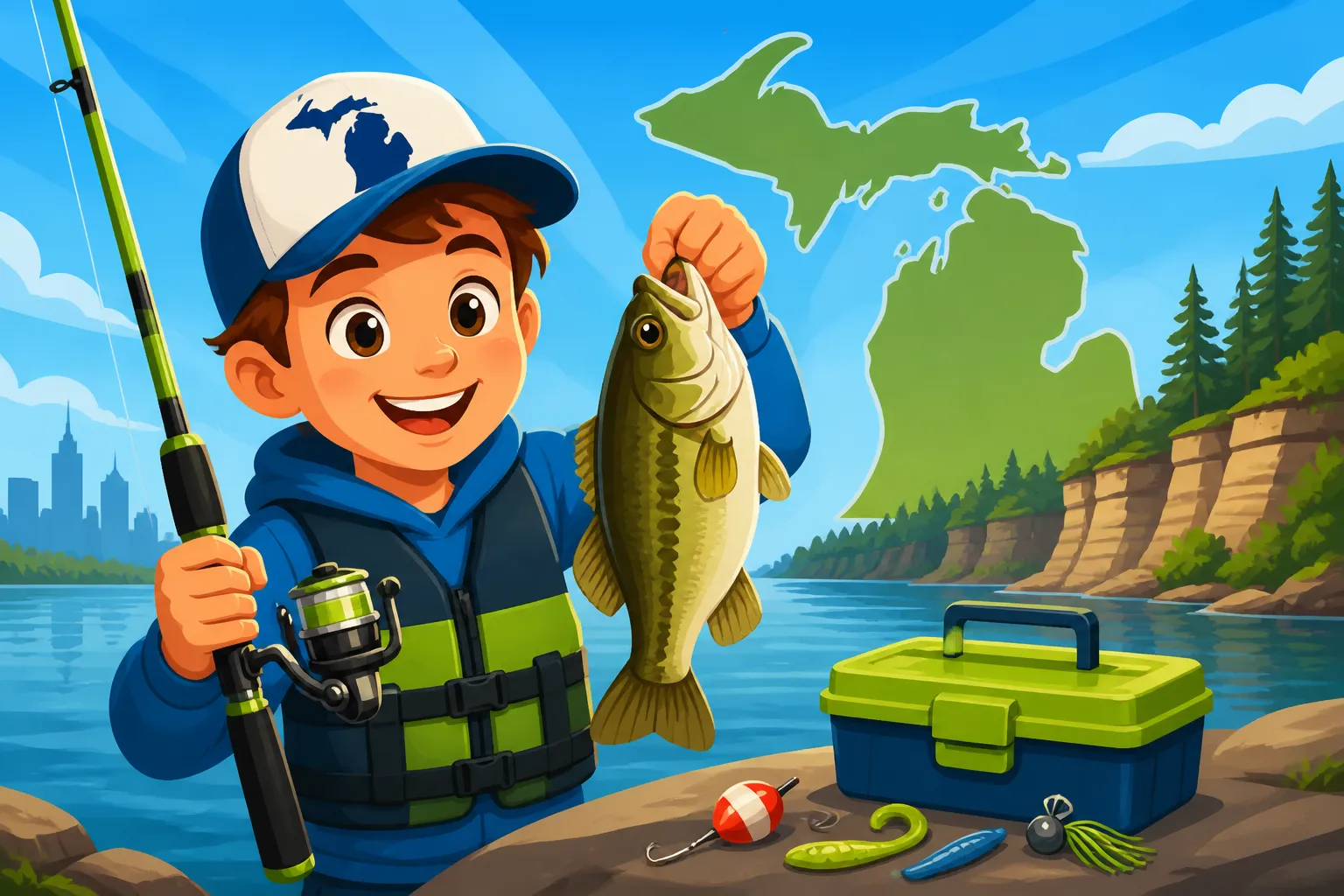
Beyond the technical aspects, a child's comfort and safety are paramount. A rod that's too long or too heavy will quickly lead to fatigue and make casting feel like a chore instead of an exciting activity. Imagine trying to hold up a telephone pole all day – that’s what a too-heavy rod feels like to a small child. Ensuring their gear is lightweight and appropriately sized not only helps them learn proper technique but also keeps them comfortable and happy on the water. And while we're talking comfort, don't forget the other essentials: a good sun hat, plenty of sunscreen, and perhaps some bug spray. Safety, of course, means always ensuring they wear a properly fitted life jacket, especially when near or on the water. Even if you're just fishing from a pier or boat, those vests are non-negotiable. For more on safety, check out Life Jackets and Michigan Boating Safety Rules.
Essential Components of a Kid-Friendly Fishing Setup
So, what exactly does a "kid-friendly" setup look like? It's all about balancing usability, durability, and a bit of fun. You want something that they can handle with minimal assistance, but that's still capable of landing those first exciting catches.
Rod and Reel Combos: Simplicity is Key
When it comes to the rod and reel for a beginner, particularly a child, simplicity truly is king. This is where the spincast (or "push-button") reel shines. Unlike spinning reels that require opening a bail and precise timing for casting, spincast reels have an enclosed spool and a simple push-button mechanism. The child presses the button, brings the rod back, then sweeps it forward while releasing the button. It's incredibly intuitive and minimizes tangles, making for a much smoother learning curve.
Look for combos specifically marketed for children, often featuring shorter rods (around 3 to 5 feet) with a light to medium-light action. This means the rod bends easily, which helps absorb the shock of a fish and makes casting lighter baits much easier for little arms. Many reputable brands offer these kits, and you can often find excellent options both in physical stores like Bass Pro Shops or online marketplaces like Amazon. These combos typically come pre-spooled with line, which is another huge time-saver for you!
Line, Hooks, and Sinkers: The Basics
Once you have the rod and reel sorted, it's time for the business end of things. You don't need anything fancy here.
- Fishing Line: The spincast combos almost always come with monofilament line, which is perfect. It's easy to tie knots with, has a bit of stretch to forgive casting errors, and is typically clear or low-visibility, so fish don't get spooked. A light test (around 4-6 lb) is usually sufficient for the panfish and smaller bass that kids are likely to target.
- Hooks: Stick to smaller, simple hooks. Size 8 or 10 Aberdeen hooks are fantastic for panfish like bluegill and perch, which are often a child's first catch. They're thin, which makes them less likely to gut-hook a fish, and they’re easy to bait with worms. Make sure to choose hooks with a long shank for easier removal.
- Sinkers: Small split shot sinkers are your friend. They're easy to pinch onto the line (though an adult should do this part for safety) and adjust the weight needed to get the bait down. Avoid heavy weights that will make casting difficult for kids. The goal is just enough weight to cast and sink the bait gently.
Basic Tackle Box Essentials
A dedicated tackle box for your child isn't just about organizing gear; it's about giving them their own special fishing domain. A small, simple plastic tackle box with a few compartments is ideal. Inside, you'll want to include:
- Bobbers: Both clip-on and slip bobbers have their place. Clip-on bobbers are super easy for quick adjustments to depth, perfect for still water or when fishing close to the bank. Slip bobbers are a bit more advanced but allow for fishing deeper water more effectively. Start with clip-on for pure simplicity.
- Extra Hooks and Sinkers: Because, let's face it, they will get snagged. It's just part of fishing! Having spares prevents a minor snag from ending the entire trip.
- Swivels: Small barrel swivels can help prevent line twist, especially when using spinners or fishing in current.
- Pliers/Forceps: Essential for safely removing hooks, especially if a fish swallows the bait a bit deeper. This is definitely an adult job.
- Small Clippers: To trim excess line after tying knots. Again, adult supervision needed.
- Snacks and a Drink: Because a hungry or thirsty child is a grumpy child, and that's not fun for anyone!
For more ideas on what to pack, you might find inspiration in Best Tackle Box Setup for Michigan Anglers.
Bait and Lures: Keeping It Enticing and Easy
The bait you choose can significantly impact a child's success and enjoyment. For beginners, the goal is often quantity over trophy size – catching something is the biggest motivator.
Live Bait for Instant Gratification
When starting out, live bait is almost always the way to go. Why? Because it works, and it works quickly! There's nothing quite like the excitement of a bobber dancing on the water, signaling a fish is interested.
- Worms (Nightcrawlers, Red Wigglers): These are the undisputed champions for beginner fishing. They're universally appealing to a wide variety of fish, especially panfish, and are relatively easy for an adult to put on a hook. The wiggling action attracts fish, and the scent is irresistible. You can buy them at almost any bait shop or even dig them up in your own backyard!
- Crickets or Small Minnows: For slightly different targets, or just to try something new, crickets (especially for bluegill) or small minnows (for crappie or smaller bass) can also be highly effective. The key is to keep it simple and focus on what's readily available and easy to manage for a first-timer. The faster a child gets a bite, the more engaged they'll be. Want to know more about baiting up for common species? Check out Best Bait for Perch.
Simple Artificial Lures for Curious Minds
While live bait offers the highest chance of initial success, introducing simple artificial lures can be a fun next step once your child has grasped the basics of casting and reeling. The key word here is simple.
- Small Soft Plastics: Think tiny curly-tail grubs or minnow imitations on a small jig head. These are lightweight, easy to cast, and often come in bright, attractive colors. They're very effective for panfish and small bass.
- Inline Spinners: Small spinners with a single hook (or a treble hook with the barbs crimped down for safety and easy release) can also be exciting. The flashing blade and vibration often trigger strikes from aggressive fish. Again, opt for smaller sizes that are easy for kids to cast.
Introduce artificials only after they've had some success with live bait. The immediate gratification of a live bait bite helps build confidence, and then they'll be more open to experimenting with lures. Don't bring a whole tackle box full of options; pick two or three simple ones and focus on those.
Beyond the Gear: Making the Experience Fun and Safe
Having the right gear is a huge head start, but a successful fishing trip with kids is about so much more than just the rod and reel. It’s about the environment you create, the lessons you teach, and the patience you bring to the experience.
Choosing the Right Fishing Spot for Kids
The location you choose is almost as important as the gear itself. You want a spot that's safe, easily accessible, and, critically, has a high probability of yielding some fish!
- Piers and Docks: Public fishing piers are fantastic. They offer a stable platform, often have railings for safety, and can put you over deeper water where fish might be congregating. Many Michigan state parks and local recreation areas have excellent piers designed for public access.
- Designated Fishing Ponds: Many communities have ponds specifically managed for youth fishing, often stocked with panfish. These are perfect because they often have easy bank access, open casting lanes, and a good chance of a bite.
- Shallow Shorelines with Cover: If fishing from the bank, look for areas with lily pads, submerged logs, or weed beds. These are natural fish habitats where smaller fish hide and feed, increasing your chances. Avoid areas with strong currents, steep drop-offs, or dense vegetation that will lead to constant snags.
- Accessibility: Choose spots with easy parking and minimal walking, especially if you’re hauling gear and young children. A short, easy trip is always better than a long, tiring trek. Consider places like Best Fishing Spots Near Grand Rapids, Michigan or Best Fishing Spots Near Detroit, Michigan for local options, or explore other fantastic areas mentioned in Best Places to Fish in Michigan.
Lessons in Patience and Ethics
Fishing is a fantastic teacher of patience, but for kids, this needs to be nurtured. Be prepared for downtime and bring distractions like nature guides or games. It's also a perfect opportunity to instill important ethical practices.
- Fish Handling and Release: Teach them how to gently hold a fish, support its body, and, if you're practicing catch and release, how to carefully remove the hook and release it back into the water. Explaining why we do this (to keep the fish healthy) helps them understand their role in conservation.
- Respect for Regulations: Even young anglers need to understand that rules exist to protect fish populations. Briefly explain why we have limits on how many fish we can keep or why certain sizes are protected. Remember, in Michigan, kids under a certain age don't need a license, but it's good to know the rules. You can learn more about Michigan Fishing License Rules for Kids Under 17 and Do Kids Need a Fishing License in Michigan?.
- Leave No Trace: Emphasize packing out everything you pack in. Show them how to properly dispose of old fishing line, bait containers, and snack wrappers. Leaving the environment cleaner than you found it is a core principle of outdoor ethics.
Creating Lasting Memories
Ultimately, the goal isn't just to catch a fish; it's to create positive, lasting memories that your child will cherish and want to repeat.
- Focus on the Experience: Celebrate the small victories – a perfect cast, a wiggly worm on the hook, the sight of a jumping fish, or even just the joy of being outdoors. The catch is a bonus, not the sole measure of success.
- Snacks, Drinks, and Downtime: Pack plenty of both! Breaks for snacks, storytelling, or simply observing the ducks on the water are just as important as the actual fishing. Sometimes, the best memories are made during these quiet moments.
- Take Photos: Capture those moments! A picture of your child proudly holding their first fish, or just laughing by the water, will be treasured for years to come. These visual reminders fuel future adventures.
The best beginner fishing setup for kids isn't just about the gear; it's about setting them up for success, ensuring their safety, and making every moment on the water an enjoyable learning experience. With a little planning and the right attitude, you can ignite a passion for Michigan fishing that will last a lifetime. If you're looking for an affordable entry point, many shops offer a Best Budget Rod and Reel Combo for Beginners that can be a great starting place. And for those planning to stick to solid ground, consider reviewing What Gear Do You Need for Shore Fishing to round out your essentials.
Disclaimer
This article is for general informational purposes only and does not constitute professional advice. Laws, prices and regulations vary by location and change over time. Consult a qualified professional for guidance on your specific situation.