How to Store Fishing Gear for Winter
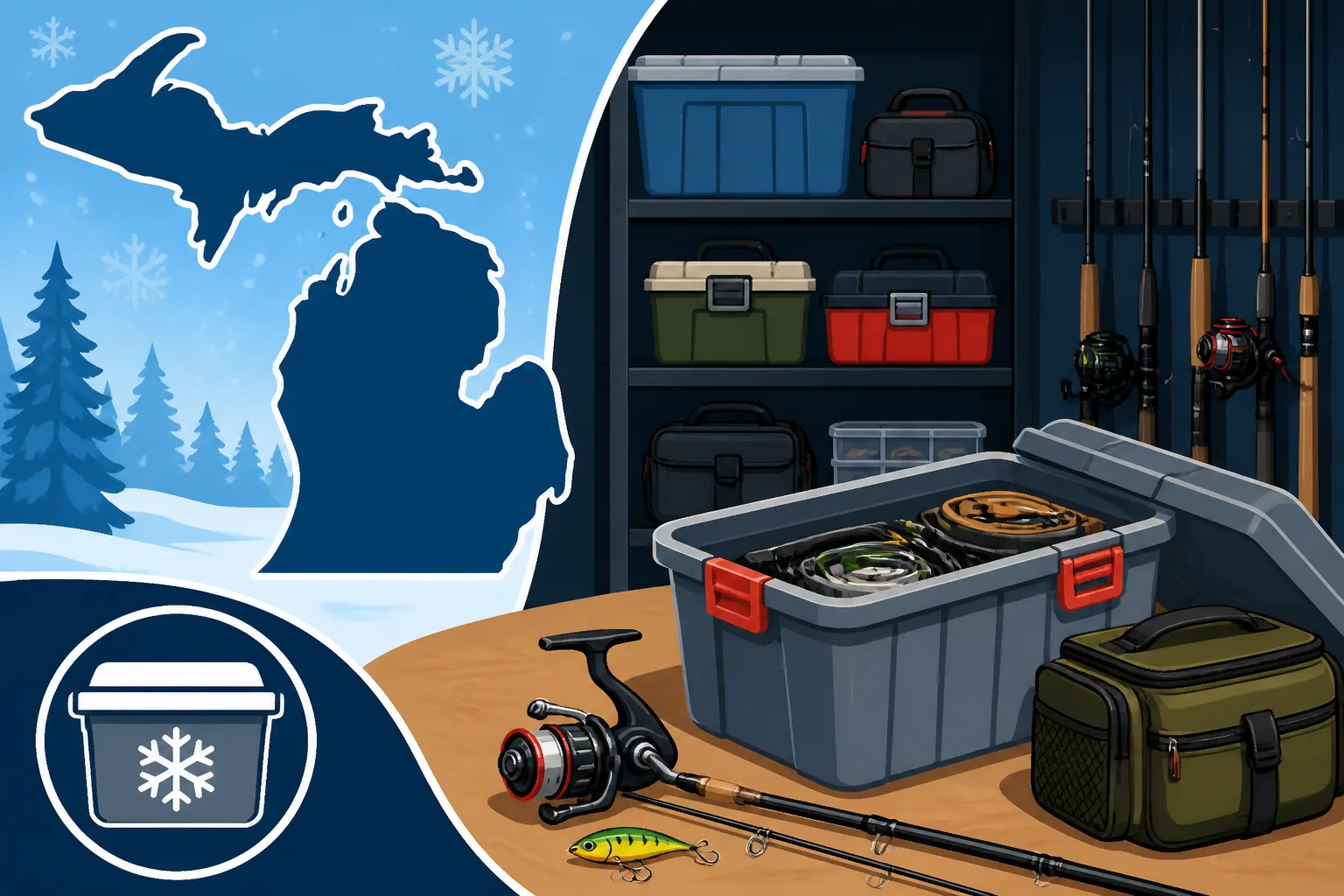
The chill of late autumn settling over Michigan's waters means one thing for many anglers: it's time to pack away the fishing gear. But simply tossing everything into a garage corner until next spring is a recipe for rust, grime, and disappointment. This comprehensive guide will walk you through the proper steps to meticulously prepare and store your beloved fishing equipment, ensuring it emerges from winter's slumber in pristine condition, ready for the first cast of the new season.
Why Proper Winter Storage is Crucial for Your Fishing Gear
Let's face it, Michigan winters are no joke. The cold, the damp, and the long months of inactivity can be incredibly harsh on fishing equipment. Neglecting proper winter storage isn't just about a bit of dust; it's about protecting your significant investment and making sure your passion isn't hampered by avoidable gear failures come spring.
Protecting Your Investment from Michigan's Harsh Winter
Think about all the time, effort, and hard-earned money you've poured into selecting the perfect rod, reel, and tackle for chasing walleye on Saginaw Bay or steelhead in the Manistee River. Leaving that gear vulnerable to Michigan's fluctuating temperatures and persistent humidity can lead to irreversible damage. Metal components can corrode, plastic parts can become brittle, and sensitive electronics can fail. Proper storage acts as a shield, preserving the integrity and performance of every piece of equipment, from your smallest jig to your biggest trolling motor. It's about respecting the tools that bring you so much joy and ensuring they have a long, productive life.
Preventing Rust, Corrosion, and Degradation
The number one enemy of fishing gear in storage is moisture. Even seemingly dry garages or sheds can harbor enough humidity to start a slow, destructive process of rust and corrosion, especially on hooks, swivels, and reel components. Lines can degrade from UV exposure or temperature extremes, losing strength and elasticity. Soft plastics can melt together or leech chemicals onto other items, creating a sticky, unusable mess. By taking preventative measures, such as thorough cleaning and drying, applying protective coatings, and controlling the storage environment, you actively fight against these insidious forces that degrade your gear over time. This meticulous approach means no surprises when you finally get out on the water after the long winter.
Ensuring Your Gear is Ready for Spring Opener
There's nothing more frustrating than the excitement of the Michigan Spring Fishing Season Guide being overshadowed by finding a seized reel, a cracked rod, or a tackle box full of rusted hooks. Proper winterization isn't just about preservation; it's about preparation. When your gear is stored correctly, it means less work for you when the ice finally melts and the fish start biting. Instead of spending precious hours scrubbing rust or untangling sticky lines, you can spend them on the water, exactly where you want to be. It streamlines your readiness and maximizes your angling time, which, for any Michigan angler, is invaluable after months of waiting.
Preparing Your Rods and Reels for Hibernation
Your rods and reels are arguably the most vital components of your fishing setup. They’re precision instruments that require delicate care to maintain their performance year after year. Neglecting them during the off-season almost guarantees issues when you're itching to hit the water again.
Cleaning and Lubricating Your Reels
This step is non-negotiable. Before storing any reel, you need to give it a thorough cleaning. Start by carefully removing the spool and wiping down the entire reel with a damp cloth, paying close attention to any saltwater residue or grime. A soft-bristled brush can help dislodge dirt from crevices. For more stubborn grime, a little mild soap and water can work, but make sure to rinse completely and dry thoroughly. Let it air dry for a good 24 hours, even if it looks dry, just to be safe. Moisture left behind is the leading cause of internal rust.
Once clean and dry, it's time to lubricate. Refer to your reel's manufacturer guidelines for specific lubrication points, but generally, a light coating of reel oil on moving parts like the bail arm and handle, and a dab of reel grease on the main gear and worm shaft, will keep things running smoothly. Don't overdo it; a little goes a long way. This ensures that the internal mechanisms don't seize up over months of inactivity. Many anglers find high-quality reel oils and greases at sporting goods stores like Bass Pro Shops or can easily order specific brands from Amazon. Remember, a properly maintained reel is a joy to fish with, and winter storage is a critical part of that maintenance.
Inspecting and Protecting Your Rods
Rods, while seemingly simpler than reels, still need attention. Begin by wiping down the entire rod blank with a damp cloth to remove any dirt, fish slime, or salt residue. Pay special attention to the guides, cleaning out any line residue or grit. Carefully inspect each guide for cracks or loose inserts – these are easy to miss but can fray your line or even cause a break during a fight next season. Check the reel seat for any corrosion and ensure the locking mechanism works smoothly.
Once clean, store your rods in a way that protects them from bending or breaking. Rod sleeves are an excellent investment, especially for more expensive graphite rods, as they prevent tangles and scratches. Ideally, store rods horizontally on a rack or vertically, tip-up, in a stable holder. Avoid leaning them against walls where they might bow over time, leading to a permanent set or even breakage. Keep them away from direct sunlight or extreme temperature fluctuations, which can damage the blank material or epoxy coatings. Proper rod care extends the life of your favorite fishing tools. If you're looking for new gear, our guide on Best Rods and Reels for Michigan Fishing might offer some good ideas.
Line Management and Replacement Considerations
Your fishing line is often overlooked but is crucial for success. For monofilament and fluorocarbon lines, it's generally a good practice to remove them from your reels before long-term storage. These lines can develop "memory" from being spooled tightly for months, leading to kinks and coils that make casting difficult. Plus, exposure to elements during the season can degrade them, so a fresh spool is often a good idea for spring anyway. Braid, on the other hand, is much more resilient to memory and can often stay on the reel. However, it's still wise to pull off a significant amount of used braid that might be frayed or weakened from abrasion during the season.
When you remove line, take the opportunity to clean your spools. Store your old line segments responsibly; don't just toss them into the water. If you plan to keep braid on the reel, loosen the drag completely to relieve tension on the internal components. When spring arrives, spooling fresh line will give you an immediate advantage, ensuring maximum casting distance and knot strength.
Caring for Tackle, Baits, and Accessories
Your tackle box is a treasure trove of possibilities, but it can quickly become a chaotic mess of rust and tangled hooks if not properly prepared for the off-season. Organizing and maintaining this gear for winter storage is a crucial step in ensuring your future fishing trips are smooth and successful.
Organizing and Maintaining Your Tackle Boxes
First things first, empty your tackle box completely. Every lure, every hook, every sinker needs to come out. This is your chance for a grand inventory and purge. Discard any rusted hooks, broken swivels, or hopelessly tangled leaders. For metal items that are still in good shape, consider wiping them down with a light oil or a rust preventative spray. Small desiccant packs (those little silica gel packets you find in new products) placed in tackle trays can work wonders to absorb moisture and prevent rust. You can often find these in bulk online through retailers like Amazon.
Clean the tackle box itself, wiping out any dirt, bait residue, or accumulated grit. Check for cracks or broken latches. If your tackle box is showing its age, perhaps it's time to consider an upgrade. When repacking, try to group similar items together. Use smaller, clear plastic containers within your main box to keep hooks, weights, and swivels separated. This organization not only protects your gear but also makes it incredibly easy to find what you need when you're scrambling to get out on the water next season. For more ideas on what to put in those boxes, check out our guide on Best Tackle for Michigan Walleye Fishing.
Storing Lures, Baits, and Soft Plastics
Hard baits like crankbaits and jerkbaits should be cleaned of any grime. Inspect the hooks for sharpness and rust. If they're dull or corroded, replace them now rather than waiting for fishing season to start. Store these lures in separate compartments or in trays where they won't tangle together or damage each other's finishes.
Soft plastics require special attention. Never store different brands or colors of soft plastics together, especially if they are not in their original sealed bags. Many soft plastics are made from different compounds, and they can react with each other, leading to a gooey, melted mess. Keep them in their original packaging or in dedicated soft plastic storage binders. Store them flat if possible, and in a cool, dark place where temperatures won't fluctuate wildly. Heat is the enemy of soft plastics in storage. Any open bags of scent attractants should be sealed tightly or discarded if they're near empty, to prevent leaks or odors attracting unwanted pests.
Waders, Nets, and Other Essential Accessories
Don't forget the supporting cast of your fishing adventures! Your waders, whether neoprene or breathable, need to be completely dry before storage. Hanging them upside down for a few days can help ensure every seam and pocket is free of moisture. Store them hanging in a cool, dark place, away from rodents that might chew through them. Folding them for long periods can create permanent creases and weaken the material. Our article on Best Waders for River Fishing offers more insights into caring for this critical gear.
Landing nets should also be cleaned and thoroughly dried. Check the net mesh for any tears or snags. A damaged net can easily lead to a lost fish. Storage in a dry, ventilated area is best. Other accessories like pliers, clippers, and scales should be cleaned, dried, and lightly oiled if they have moving metal parts. Store electronics, such as fish finders or GPS units, indoors in a climate-controlled environment, ensuring batteries are removed to prevent corrosion. Organizing these items now means less scrambling later when you're trying to pack for that first glorious spring trip.
| Gear Type | Pre-Storage Task | Storage Location/Method | Notes |
|---|---|---|---|
| Reels | Clean, dry, lubricate, loosen drag | Dry, climate-controlled, covered, or in reel case | Remove monofilament/fluorocarbon line, replace in spring. |
| Rods | Clean blank, guides, inspect, dry | Horizontal rod rack or vertical holder, rod sleeves | Avoid bending, direct sun, or extreme temperatures. |
| Tackle Boxes | Empty, clean, inspect, add desiccant | Dry, organized shelves, labeled drawers | Replace rusted hooks, group similar items. |
| Hard Lures | Clean, inspect hooks, sharpen | Organized trays, separate compartments | Store with hooks covered or in individual boxes to prevent tangles. |
| Soft Plastics | Keep in original bags, separated | Cool, dark, flat storage, dedicated binders | Do not mix brands/colors; avoid heat. |
| Waders | Thoroughly dry, inspect for leaks | Hung in a cool, dark, rodent-free area | Avoid folding to prevent creases. |
| Nets | Clean, dry, inspect mesh | Hung or laid flat in dry, ventilated space | |
| Electronics | Clean, remove batteries | Indoor, climate-controlled, protected case | Store batteries separately in a cool, dry place. |
| Boats/Kayaks | Clean, drain, winterize engine | Covered, sheltered, secure; on trailer or hung | See dedicated section below for more details. |
| Ice Fishing Gear | Clean, dry, inspect auger/shanty | Dry, well-ventilated space; auger blades protected | See dedicated section below for more details. |
Storing Larger Items: Boats, Kayaks, and Ice Fishing Gear
If you're a serious Michigan angler, you likely have larger investments like fishing boats, kayaks, or extensive ice fishing setups. These items demand even more meticulous attention for winter storage to ensure they last for many seasons to come.
Winterizing Your Fishing Boat or Kayak
Winterizing your fishing boat is a comprehensive process that goes beyond a simple wash. For outboard motors, follow the manufacturer's instructions for fuel stabilization, fogging the engine, and changing the oil and lower unit lube. Drain all water from livewells, bilges, and any plumbing to prevent freezing damage. Remove batteries, clean the terminals, and store them indoors on a trickle charger or maintainer. Clean the hull thoroughly, both inside and out, removing any weeds, grime, or fish scales. Give the trailer hubs a check and grease them if needed. Finally, cover your boat securely with a properly fitted cover that allows for ventilation to prevent mildew, but keeps snow and ice out. Consider using support poles to prevent snow accumulation from stretching or tearing the cover. For detailed information on boat regulations and care, our articles on Michigan Boat Registration Requirements and Best Boats for Michigan Fishing are excellent resources.
Kayaks and canoes also need care. Clean them thoroughly, removing all dirt and debris. Store them in a sheltered area, ideally indoors, hanging from a ceiling rack or resting on their side on sawhorses to prevent flat spots on the hull. If storing outdoors, cover them with a tarp, ensuring good airflow to prevent condensation buildup, which can lead to mold and mildew. Remove any attached accessories like fish finders, rod holders, or seats and store them separately indoors. Proper kayak storage ensures your vessel is ready for when you're exploring Michigan's rivers and lakes, as discussed in our Kayak Fishing in Michigan guide.
Preparing Ice Fishing Equipment for the Off-Season
Michigan's ice fishing season is a blast, but when the ice melts, your gear needs just as much attention as your open-water setup. Your ice auger, whether manual, gas, or electric, needs thorough cleaning. For gas augers, either run the fuel tank dry or add a fuel stabilizer according to the manufacturer's instructions. Remove the auger blades, clean them, dry them completely, and lightly oil them to prevent rust. Store the blades with their protective cover in a dry place. Electric auger batteries should be stored indoors, kept at a moderate charge, and checked periodically.
Ice fishing shanties and shelters must be completely dry before folding and storing. Even a small amount of moisture can lead to mildew, rot, and a ruined shelter. Set it up in your garage or yard on a sunny day to ensure it's bone dry. Clean any mud or debris from the floor and walls. Store it in its bag in a dry, ventilated area. Tip-ups, scoops, and other ice fishing accessories should be cleaned, dried, and stored neatly. Remember to remove batteries from any flashers or portable fish finders. Keeping your ice fishing gear in top shape means you'll be ready the moment the ice is safe, which you can learn more about in our Michigan Ice Fishing Guide or Michigan Ice Fishing Gear Guide.
Securing Your Gear Storage Location
Finally, consider the actual storage environment. A cool, dry, dark, and secure location is ideal for most fishing gear. Avoid areas with extreme temperature fluctuations, direct sunlight, or high humidity. Garages can be tricky; if yours is prone to dampness, consider using dehumidifiers or robust, sealed storage containers. For valuable items like expensive rods, reels, and electronics, a climate-controlled indoor space is always preferable.
Security is also paramount. If your gear is stored in an easily accessible garage or shed, ensure it's locked to deter theft. Investing in durable storage racks, cabinets, or even pegboards can help keep your gear organized and off the floor, away from potential moisture or pests. Taking these extra steps ensures that when you're ready to hit the water for Michigan Fishing Seasons Explained, your gear is not only in excellent working order but also where you left it.
Disclaimer
This article is for general informational purposes only and does not constitute professional advice. Laws, prices and regulations vary by location and change over time. Consult a qualified professional for guidance on your specific situation.