How Many Tip-Ups Can You Use in Michigan
It's incredibly frustrating when you're all set for a peaceful day of ice fishing, bundled up against the Michigan chill, only to realize you're not entirely sure about the rules for how many lines you can actually have in the water. The regulations can sometimes feel like a maze, especially when it comes to specific gear like tip-ups, leaving many of us scratching our heads and wondering if we're setting ourselves up for a fine. This guide is here to clear up that confusion, diving deep into Michigan's tip-up rules so you can fish with confidence and enjoy your time on the ice without any lingering worries.
Understanding Michigan's Tip-Up Regulations
When it comes to ice fishing in Michigan, tip-ups are a staple for many anglers. They allow you to cover more ground and increase your chances of hooking into a nice walleye or pike, but understanding the legal limits is paramount. You certainly don't want to overstep the bounds and end up with a citation instead of a fish story. The Michigan Department of Natural Resources (DNR) sets clear guidelines, and knowing them is your first step to a successful and legal outing.
The Statewide Standard for Tip-Ups
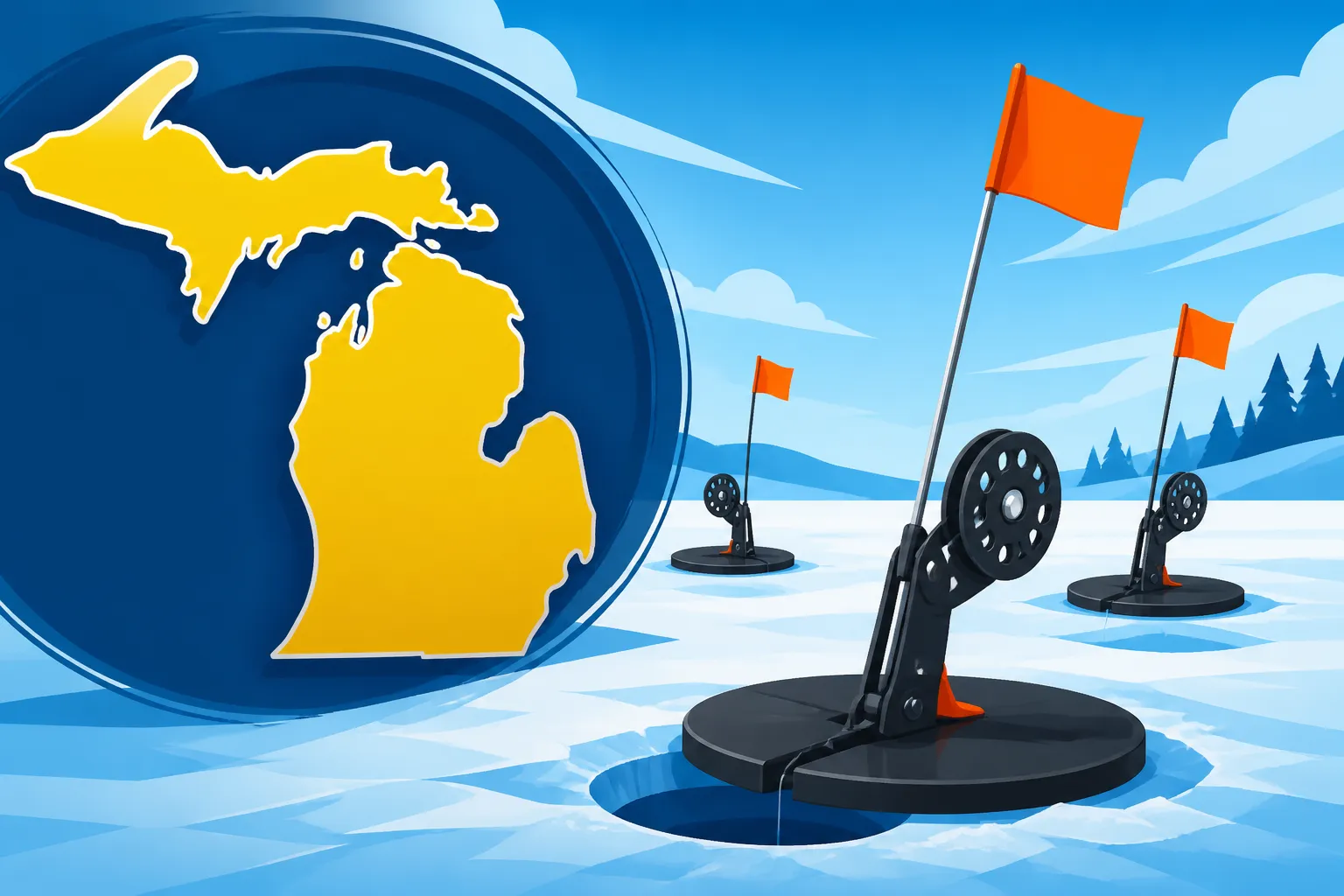
Across most of Michigan's vast waters, the general rule is that an angler is allowed to use up to three lines at one time. This limit applies whether you're using traditional fishing rods, tip-ups, or a combination of both. So, if you're out on a frozen lake with your buddy, you each get to have three lines in the water. This means if you're a solo angler, you can deploy three tip-ups, or perhaps one rod and two tip-ups – the total count must not exceed three. It's a fundamental rule designed to balance fishing opportunity with conservation, ensuring that fish populations aren't overharvested and that everyone has a fair shot at catching fish. Imagine everyone setting out a dozen lines; it would quickly become unsustainable and a logistical nightmare on the ice!
This statewide standard is the bedrock of ice fishing regulations. It doesn't discriminate based on the type of fish you're targeting or the size of the lake, for the most part. Whether you're chasing panfish in a small inland pond or hoping for a trophy walleye on a larger body of water like Houghton Lake, that three-line limit per licensed angler generally holds true. It's a number that Michigan has determined allows for a good chance of success while still maintaining a responsible approach to resource management. Always remember to consider your ability to monitor all your lines effectively, too, which we'll get into a bit later.
How Tip-Ups Count Towards Your Total Line Limit
It's crucial to understand that a tip-up is not just a piece of gear; it's considered a "line" or a "fishing device" under Michigan law, meaning each one you set out counts towards your total three-line allowance. This is where some anglers can get confused. They might think, "Oh, I have my rod, so that's one line, and then I can use three tip-ups!" Unfortunately, that's a common misconception that can lead to trouble. Each individual tip-up you deploy counts as one of your three lines.
So, let's say you're on the ice and you've got your favorite jigging rod in hand, actively fishing a hole. That's one line in use. If you want to use tip-ups, you can then set out two additional tip-ups to reach your maximum of three lines. You absolutely cannot have one rod and three tip-ups going simultaneously, as that would put you at four lines, exceeding the legal limit. This rule ensures fairness among anglers and prevents one individual from monopolizing a fishing area with an excessive number of lines. It also ensures you can realistically keep an eye on all your gear, especially important when a flag goes up! For a broader understanding of regulations, check out Michigan Fishing Regulations Every Angler Should Know.
Exceptions and Special Considerations
While the three-line rule is the general standard, Michigan fishing regulations can have nuances, and it's always wise to be aware of any exceptions that might apply to your specific fishing destination or method. Ignoring these special rules, even inadvertently, can still land you in hot water. This is why reading the full digest annually is so important, or at least checking the specific waterbody you plan to fish.
Specific Waters with Different Regulations
Michigan is a vast state with thousands of lakes and rivers, and while the three-line limit is common, there are certain bodies of water where regulations might differ. For instance, some lakes or specific areas of the Great Lakes might have unique rules for tackle, line limits, or even species-specific regulations that could indirectly affect how you fish with tip-ups. These exceptions are often put in place for specific conservation efforts, to protect vulnerable fish populations, or to manage unique ecosystems.
For example, there might be certain lakes with experimental regulations, or designated trout streams where different gear restrictions apply. While tip-ups are generally for ice fishing, and trout stream rules often focus on open water fly fishing, it's not unheard of for exceptions to exist that could impact your ice fishing setup. Always, and I mean always, consult the most current Reading the Michigan Fishing Regulations Digest before you head out. This digest is your best friend for navigating these specific, hyper-local rules. A quick search on the Michigan DNR website or using their handy Michigan's DNR Hunt Fish App for Licenses and Reporting can help you pinpoint any deviations from the norm for your chosen fishing spot.
Spearfishing and Other Unique Methods
It's important to differentiate tip-up fishing from other unique winter fishing methods, such as spearfishing. Spearfishing for certain species, like northern pike and carp, is permitted through the ice in many Michigan waters, but it operates under a completely different set of rules. When spearfishing, you're typically focused on one large hole, and the act of spearing itself is distinct from the passive method of using tip-ups.
The line limits for regular hook-and-line fishing (which includes tip-ups) do not typically apply when you are actively spearfishing. However, you generally cannot be spearfishing and have your full complement of three hook-and-line devices (rods or tip-ups) deployed simultaneously. These are usually considered separate activities, and you must adhere to the rules for whichever method you are primarily engaging in. The key takeaway here is to not mix and match regulations from different fishing methods. If you're using tip-ups, stick to the three-line rule. If you're spearfishing, review those specific regulations carefully to ensure you're compliant.
Free Fishing Weekends and Tip-Up Rules
Michigan offers wonderful Michigan Free Fishing Weekends Explained twice a year – once in winter and once in summer – where residents and non-residents alike can fish without needing a license. These weekends are a fantastic opportunity for new anglers to try out fishing or for seasoned folks to introduce friends and family to the sport. It's often asked if these free weekends also loosen up the rules on how many lines you can use, including tip-ups.
The short answer is: no. While the license requirement is waived during these special weekends, all other fishing regulations remain firmly in place. This includes daily bag and size limits for various species, gear restrictions, and, yes, the number of lines you can use. So, even on a free fishing weekend, you are still limited to three lines per angler, whether those are rods, tip-ups, or a combination. The spirit of these weekends is to promote fishing access, not to encourage overharvesting. So, go ahead and enjoy the license-free opportunity, but make sure your tip-up count stays within the legal limit! For details on what you can keep, you'll want to review Michigan Bag and Size Limits Explained.
Practical Tips for Managing Your Tip-Ups Legally and Effectively
Successfully managing multiple tip-ups on the ice goes beyond just knowing the rules; it involves smart setup, vigilant monitoring, and good old-fashioned preparedness. When you've got three lines in the water, especially if they're spread out, things can get busy quickly, especially if a school of fish moves through.
Marking and Monitoring Your Tip-Ups
One of the most critical aspects of using tip-ups is that you are legally required to keep them under constant and immediate supervision. This means you can't just set them and wander off to another part of the lake for a hike or head back to your vehicle for a long nap. The DNR specifies that you must be within a certain distance of your lines and able to respond immediately if a flag goes up. This regulation is crucial for several reasons: it prevents fish from swallowing hooks too deeply, reduces the chance of lost gear, and ensures that you can identify and claim your catches promptly.
When you're out on a busy lake, especially with multiple anglers, making sure your tip-ups are clearly marked with your name and address (or DNR license number) is also a very good idea, though often not explicitly required in the same way as boat registration numbers. It helps prevent disputes and ensures your gear can be returned if found. Consider using reflective tape or brightly colored flags on your tip-ups so they are easily visible, especially in low light conditions or when snow starts to fall. Remember, a responsible angler is a visible angler.
Gear Considerations for Multiple Tip-Ups
If you're planning to use your full complement of three tip-ups, think about the gear you'll need to manage them efficiently. This isn't just about having the tip-ups themselves (though high-quality ones are a must – you can find a great selection at places like Bass Pro Shops or on Amazon). You'll also want to consider a good ice auger to cut multiple holes quickly and efficiently. A reliable power auger can make setting up three holes a breeze, rather than a grueling workout with a hand auger.
Beyond the tip-ups and auger, consider how you'll carry and deploy them. A sled is invaluable for transporting your gear, especially if you're spreading out your lines. You'll also need a bait bucket for minnows (the preferred bait for many tip-up targets like walleye and pike), a scoop to keep your holes ice-free, and a landing net or gaff for larger fish. Think about organization: having a dedicated tackle box for your tip-up leaders, hooks, and weights will save you a lot of fumbling in the cold. Having all your What Gear Do You Need to Ice Fish in Michigan ready to go ensures you can react quickly when a flag signals a bite.
Avoiding Common Violations
Many fishing violations, especially with tip-ups, happen not out of malice but out of misunderstanding or carelessness. The most common pitfall, of course, is exceeding the three-line limit. Always double-check your setup before you start fishing. Another frequent issue is leaving tip-ups unattended. As mentioned, constant supervision is a must. If you need to step away for a significant period (like heading into a warming shanty for a break), it's often best to reel in or pull your tip-ups out of the water.
Finally, be aware of specific local regulations. While the general three-line rule is widespread, some specific bodies of water might have additional nuances, like a limit on certain bait types or different length restrictions for specific species. Always check the DNR's current fishing guide for the specific lake or region you're in. Ignorance of the law is not a valid excuse, and violations can lead to fines, confiscation of gear, and even loss of fishing privileges. Understanding Michigan Fishing Violation Penalties and Fines can really drive home the importance of staying compliant.
Why These Rules Matter: Conservation and Fair Play
Sometimes, it can feel like regulations are just there to make things complicated, but when it comes to fishing, every rule has a purpose. The limits on tip-ups and lines in Michigan are no exception. They are designed with two primary goals in mind: the health of our fish populations and ensuring an equitable experience for all anglers.
Protecting Fish Populations
The number of lines an angler can deploy directly impacts the potential for harvest. If there were no limits, it would be much easier for a few individuals to catch an unsustainable number of fish, putting immense pressure on local populations. This could lead to depletion of certain species, especially popular ones like walleye or northern pike, which are often targeted with tip-ups. By limiting the number of lines, the DNR helps manage the total fishing pressure, ensuring that enough fish remain in the system to reproduce and maintain healthy populations for future generations.
Consider the delicate balance of an ecosystem. Overfishing just one species can have cascading effects throughout the food web. The three-line limit is a scientifically informed decision aimed at promoting sustainable angling practices. It's part of a larger conservation effort that includes stocking programs, habitat protection, and size/bag limits, all working together to keep Michigan's waters teeming with fish. This mindful approach to resource management is why we can still enjoy such incredible fishing opportunities across the state.
Ensuring a Fair Fishing Experience for Everyone
Imagine showing up to your favorite ice fishing spot only to find it covered with dozens of tip-ups from a single angler, effectively monopolizing a large area and catching an unreasonable number of fish. This wouldn't just be frustrating; it would be unfair to other anglers who are looking to enjoy the same resource. The line limits, including those for tip-ups, promote fair play and equal opportunity on the water.
These rules ensure that no single angler can unfairly dominate a fishing spot or take an excessive share of the fish. It creates a more communal and respectful environment on the ice, where everyone has a reasonable chance to set up their lines and try their luck. It's about sharing our natural resources responsibly and fostering a sense of community among Michigan anglers. Ultimately, these regulations help preserve the joy and tradition of ice fishing for everyone, for many years to come.
| Aspect | Details |
|---|---|
| Statewide Limit | 3 lines per angler (combination of rods and tip-ups) |
| Tip-Up Count | Each tip-up counts as one line. |
| Supervision | All lines/tip-ups must be under constant and immediate supervision. |
| Marking | Recommended to mark tip-ups with your name/DNR license number for identification. |
| Exceptions | Some specific waters may have different rules (always check the current Michigan Fishing Regulations Digest). |
| Free Fishing Weekends | License waived, but all other rules (including line limits) remain in effect. |
| Conservation Rationale | Prevents overharvest, ensures sustainable fish populations. |
| Fair Play Rationale | Promotes equitable access and opportunity for all anglers. |
Disclaimer
This article is for general informational purposes only and does not constitute professional advice. Laws, prices and regulations vary by location and change over time. Consult a qualified professional for guidance on your specific situation.