How Often Do You Renew Boat Registration in Michigan
One of the most common questions I get from fellow Michigan anglers, especially those who are new to boating or are a bit rusty on the rules, is about keeping their watercraft legal. It can feel like a maze sometimes, trying to figure out when to renew your boat registration, how often, and what happens if you miss the deadline. This comprehensive guide is here to clear up all that confusion, walking you through the Michigan boat registration renewal process so you can spend less time worrying about paperwork and more time out on our beautiful lakes and rivers.
Understanding Michigan's Boat Registration Cycle
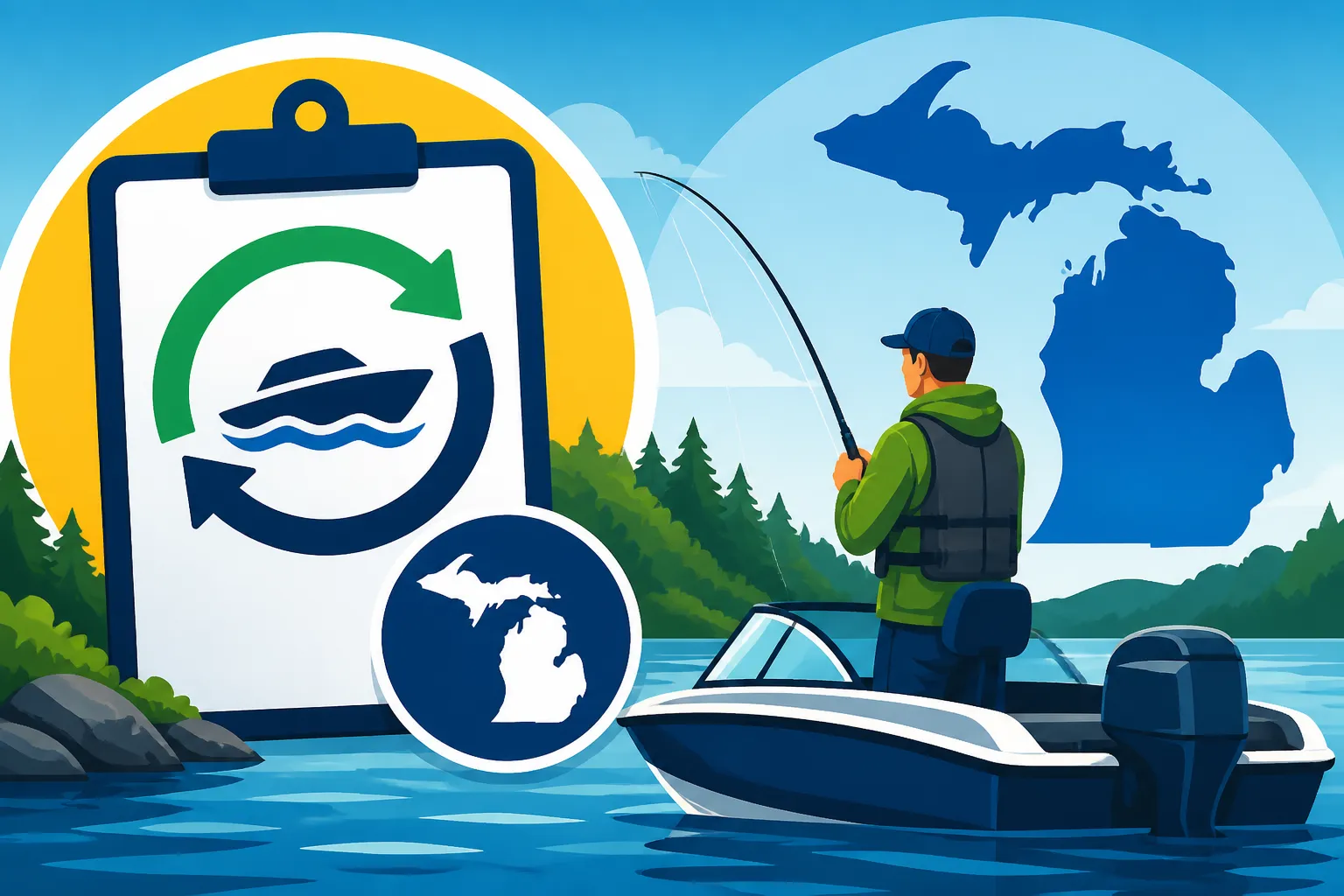
Let's dive right into the core of the matter: how often you need to renew your boat registration in Michigan. Unlike some states or other types of registrations that might be annual, Michigan operates on a three-year cycle for boat registrations. This means that once you register your boat, that registration is generally valid for a three-year period. It’s designed to make things a little less frequent for boat owners, cutting down on yearly administrative hassle.
Imagine you just bought a new fishing boat – maybe a sturdy aluminum runabout perfect for chasing walleye on Saginaw Bay, or a sleek fiberglass bass boat for Lake St. Clair. You go through the initial registration process, get your numbers and decal, and you're good to go. That initial registration kicks off your three-year cycle. You won't need to renew it again until that cycle is complete. It sounds straightforward, but there are a few nuances to be aware of, especially regarding the exact expiration date.
When Your Registration Actually Expires
While it's a three-year cycle, it’s not exactly three years from the day you registered it. This is a crucial point that trips up many boaters. All Michigan boat registrations expire on March 31st of the third year of the cycle. This standardized expiration date means that regardless of whether you registered your boat in April, August, or December within that cycle, it will always expire on March 31st.
Let's say you registered your boat on July 15th, 2024. Your registration would not expire on July 15th, 2027. Instead, it would expire on March 31st, 2027. So, while it's a three-year cycle, the actual period of validity might be a bit less than a full three years depending on when you initially registered within that cycle. The good news is, once you renew, you're set for another full three-year period that will again end on a March 31st. This consistency helps the Michigan Department of Natural Resources (DNR) manage renewals more efficiently, but it means you need to mark that March 31st date on your calendar. Knowing that your Michigan Boat Registration Renewal Every Three Years makes planning much easier.
Why the Three-Year Cycle?
You might wonder why Michigan has chosen a three-year cycle instead of an annual or five-year system. There are a few practical reasons behind this. A three-year cycle strikes a balance between regular updates and reducing the administrative burden on both boat owners and the state. Annual renewals can feel constant and overwhelming, especially if you have multiple vehicles and licenses to keep track of. A longer period, like five years, might make it easier to forget about the renewal altogether, leading to more unregistered boats on the water.
This system also aligns with how many other states manage various registrations, offering a degree of predictability. The fees collected from boat registrations contribute directly to important initiatives, including boater safety programs, public access site maintenance, and enforcing Michigan Boating Laws for Anglers. By having a predictable, recurring cycle, the DNR can better forecast revenue and allocate resources to maintain and improve our waterways for everyone's enjoyment. It's all part of the larger picture of responsible management, ensuring our waters remain safe and accessible.
The Renewal Process: How to Stay Compliant
Renewing your boat registration in Michigan is typically a straightforward process, but knowing the different avenues available can save you a lot of headache. The state tries to make it as convenient as possible, recognizing that boaters have busy lives. The key is to be proactive and not wait until the last minute, especially if you're planning an early spring trip out on the water. After all, the last thing you want is to be pulled over for an expired registration when you're just trying to enjoy a peaceful morning fishing for perch.
Receiving Your Renewal Notice
The Michigan DNR does a pretty good job of sending out renewal notices as a courtesy. These notices are usually mailed to the last address they have on file for you a few months before your registration is due to expire on March 31st. This is why keeping your contact information updated with the DNR is so important, especially if you've moved. If you don't receive a renewal notice by, say, February, don't just assume you're not due for renewal or that they've forgotten about you. It's your responsibility as a boat owner to ensure your registration is current.
Life happens, and sometimes mail gets lost, or you might have simply overlooked it in a pile of junk mail. If you're nearing March and haven't seen your notice, it's a good idea to proactively check your boat's registration status or reach out to the DNR. A quick call or visit to their website can confirm your expiration date and prevent any last-minute scrambles. It's better to be safe than sorry, especially when avoiding potential fines and hassles.
Renewal Options: Online, Mail, or In-Person
Michigan offers several convenient ways to renew your boat registration, catering to different preferences and schedules.
- Online Renewal: For many, this is the quickest and easiest option. The Michigan DNR website has a dedicated portal for renewing registrations. You'll typically need your boat's registration number, hull identification number (HIN), and payment information. It's accessible 24/7, meaning you can renew even in your pajamas after a long day of work. This method also allows you to print a temporary registration document immediately, which is great for peace of mind if you're hitting the water soon.
- Mail-In Renewal: If you prefer traditional methods, you can often renew by mail using the notice you received. Simply fill out the required information, include your payment, and drop it in the mail. Just be sure to send it well in advance of the March 31st deadline to account for mailing and processing times. No one wants to miss the spring opener because their renewal is stuck in transit!
- In-Person Renewal: For those who like a personal touch or have questions, you can renew your boat registration at any authorized license retailer or a DNR customer service center. These retailers are often sporting goods stores, bait shops, or even some local convenience stores. When you're picking up new lures or checking out the latest fishing rods at a place like Bass Pro Shops, you might even find they offer registration services right there. Remember to bring your current registration document and a form of identification. This can be a great option if you're already out and about stocking up on fishing supplies or need immediate proof of renewal. The Michigan Boat Registration Cost and Renewal can be handled efficiently through any of these avenues.
What You'll Need for Renewal
To ensure a smooth renewal process, have the following information and items ready:
- Your current boat registration number: This is usually printed on your existing registration document.
- The boat's hull identification number (HIN): This unique 12-digit code is found on the transom of your boat.
- Proof of ownership (if applicable or if there's a discrepancy): While not always required for a simple renewal, it's good to have your boat's title or previous registration handy, especially if any information has changed.
- Your Michigan driver's license or state ID.
- Payment for the renewal fees: The fees can vary based on the length of your boat. You can usually pay by credit card online, or cash/check/credit card in person. It’s always a good idea to check the current fee schedule on the DNR website beforehand so there are no surprises. For specific cost details, you might want to refer to How Much Does It Cost to Register a Boat in Michigan.
Keeping all this information organized, perhaps in a dedicated boating binder, can make renewal time a breeze. Some folks even keep digital copies on their phones.
Consequences of Lapsed Registration and Avoiding Them
It's tempting to put off tasks like renewing registrations, especially when the fishing season seems far off. However, neglecting your Michigan boat registration can lead to some inconvenient, and sometimes costly, situations. Trust me, nobody wants their fishing trip cut short because of a preventable paperwork issue. Being caught with an expired registration is definitely not the way you want to start or end your day on the water.
Penalties for Operating an Unregistered Boat
Operating a boat with an expired or absent registration in Michigan is a violation of state law. If a conservation officer or marine patrol stops you on the water and finds your registration isn't current, you could face penalties. These can include fines, which can add up quickly, especially if you're issued multiple citations. The goal of enforcement isn't just to generate revenue, but to ensure all vessels on the water are properly identified and that boat owners are contributing their fair share to the upkeep and safety of Michigan's aquatic resources.
In some cases, if the lapse is significant or combined with other violations, it could even lead to your boat being impounded, though that's less common for a simple expired registration. However, it’s not a risk worth taking. Imagine being on your way to a prime fishing spot, full of anticipation, only to have your trip derailed by a fine and the hassle of dealing with law enforcement. It’s a sure way to ruin a perfectly good day. For more information on what to expect, you can check out What Is the Penalty for an Unregistered Boat in Michigan.
Practical Issues on the Water
Beyond the legal ramifications, an expired registration can create a host of practical problems. Many public boat launches, especially popular ones on the Great Lakes or large inland lakes like Houghton or Higgins, are monitored. While they might not be checking every boat, a visible expired decal can draw attention. If you're involved in an accident, even a minor one, an expired registration could complicate insurance claims or even place you in a worse legal position.
Furthermore, if you ever need assistance from marine patrol or other emergency services on the water, having current and accurate registration information is crucial for identification and to ensure they know who they're helping. It’s about more than just a sticker; it’s about accountability and safety for everyone sharing our waters. This also ties into the larger picture of Michigan Boat Registration Requirements and ensuring all vessels are accounted for.
Setting Up Reminders for Future Renewals
The best way to avoid a lapsed registration is to be proactive. Here are a few simple strategies:
- Calendar Alerts: Set up a recurring reminder in your digital calendar (phone, computer) for early February each year. This gives you plenty of time to receive your notice, or to contact the DNR if you haven't.
- Physical Reminders: If you still use a paper calendar, mark March 31st prominently. You could also put a sticky note on your tackle box or boat keys.
- DNR Hunt Fish App: The Michigan's DNR Hunt Fish App for Licenses and Reporting is an excellent tool. Not only can you often renew licenses and registrations directly through the app, but it can also provide reminders and keep all your information in one convenient place on your phone.
- Email Reminders: When you renew online, ensure your email address is on file, as the DNR sometimes sends email reminders as well.
- Link it to another annual event: Tie the renewal to something else you do every spring, like your annual spring cleaning of your boat, or even when you file your taxes. Associating it with another recurring task can help it stick.
By taking a few minutes to set up these reminders, you can ensure your boat is always ready for legal and enjoyable time on Michigan's waters, without the worry of an expired registration.
Special Considerations and Common Questions
The topic of boat registration, while seemingly simple, often brings up a variety of specific questions. It's not always a one-size-fits-all situation, and different circumstances can lead to different requirements. Let's explore some of these common inquiries that pop up among Michigan boaters.
New vs. Used Boat Registration
The initial registration process differs slightly depending on whether your boat is brand new from a dealership or a used vessel you've purchased from a private seller.
- New Boat: When you buy a new boat, the dealership will often handle the initial registration paperwork for you as part of the purchase process. This is a huge convenience! They'll submit the necessary documents to the state, and you'll typically receive your registration and decals by mail a few weeks later. Make sure you understand exactly what the dealership is doing and what, if anything, you need to follow up on.
- Used Boat: If you buy a used boat from a private party, the responsibility for transferring and registering the boat into your name falls squarely on you. You'll need the signed-over title (if required, depending on boat size) and a bill of sale. Take these documents to a DNR customer service center or an authorized license retailer promptly after the purchase. You generally have 15 days from the date of purchase to transfer ownership and register it. This initial registration will then put you on the three-year renewal cycle, with the expiration still set for March 31st of the third year. This also applies to Michigan Boat Titling Requirements Over 20 Feet if your vessel falls into that category.
Exceptions and Exemptions
Not every watercraft on Michigan's waters requires registration. It’s important to know if your particular vessel falls under an exemption, as this can save you time and money.
Generally, boats that are exempt from registration include:
- Canoes and kayaks that are propelled by oars or paddles only (i.e., no motors, even electric trolling motors).
- Rowboats that are propelled by oars or paddles only (again, no motors).
- Boats less than 16 feet in length that are propelled solely by oars or paddles, even if they have a mount for a motor, as long as a motor is not attached.
- Non-motorized rafts, swim floats, and other similar devices.
- Federally documented vessels (though these have their own set of federal registration rules).
The critical distinction usually comes down to whether the vessel is motorized. Even a small electric trolling motor on a kayak means it requires registration. If you're unsure if your vessel needs to be registered, it's always best to err on the side of caution and check with the Michigan DNR, or consult the official regulations. You can find more detailed information on Which Boats Need to Be Registered in Michigan and Boats Exempt From Michigan Registration.
| Boat Type | Registration Required? | Renewal Cycle |
|---|---|---|
| Motorized boats (any size) | Yes | Every 3 years, by March 31 |
| Sailboats (over 16 ft) | Yes | Every 3 years, by March 31 |
| Canoes (paddle only) | No | N/A |
| Kayaks (paddle only) | No | N/A |
| Rowboats (paddle only) | No | N/A |
| Boats <16 ft (paddle only) | No | N/A |
| Boats with electric motors | Yes | Every 3 years, by March 31 |
Where Does Your Registration Money Go?
It's natural to wonder where your hard-earned money goes when you pay for a boat registration. In Michigan, these fees are not just random charges; they are dedicated to supporting boating and outdoor recreation across the state. The revenue generated from boat registrations, alongside other sources like fishing license sales, is crucial for the Michigan DNR's efforts.
Specifically, these funds often contribute to:
- Boating Access Sites: Maintaining and improving public boat launches, docks, and parking areas, ensuring easy access to Michigan's vast waterways.
- Marine Law Enforcement: Supporting the marine patrol units that help keep our lakes and rivers safe for all users, enforce boating laws, and respond to emergencies.
- Boater Safety Education: Funding programs and resources that educate boaters on safe operating practices and regulations.
- Aquatic Invasive Species Prevention: Investing in efforts to monitor, prevent, and control invasive species that threaten Michigan's aquatic ecosystems.
- Habitat Restoration and Conservation: Contributing to projects that protect and enhance fish habitats and overall water quality.
So, when you renew your boat registration, you're not just staying compliant with the law; you're also playing a part in preserving and improving Michigan's fantastic boating and fishing opportunities for years to come. This is similar to how Where Michigan Fishing License Money Goes supports fish and wildlife management. It’s an investment in the future of our outdoor heritage, ensuring that our children and grandchildren can enjoy the same beautiful waters we do today.
Disclaimer
This article is for general informational purposes only and does not constitute professional advice. Laws, prices and regulations vary by location and change over time. Consult a qualified professional for guidance on your specific situation.