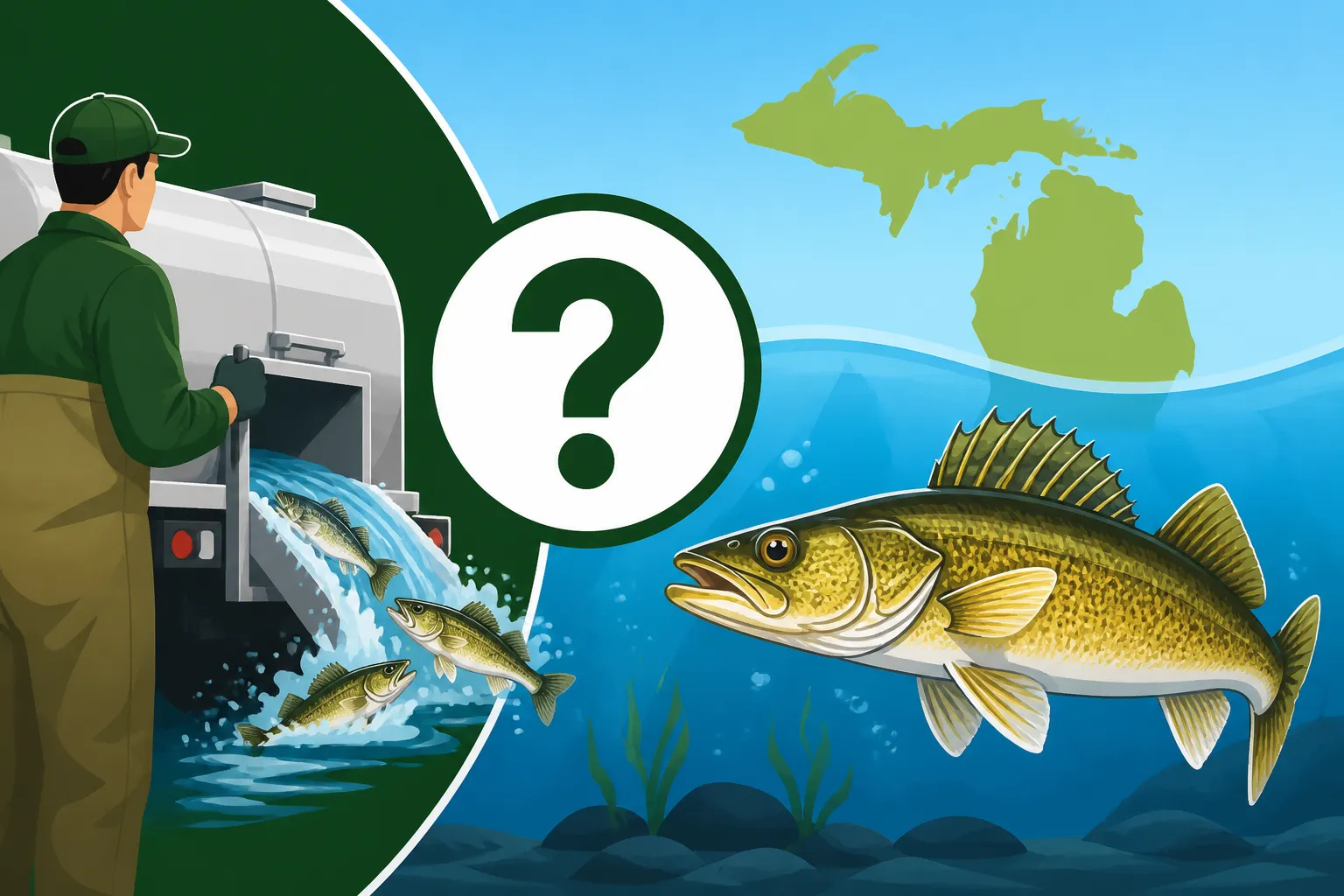
Does the DNR Stock Walleye in Michigan?
It's a common question among Michigan anglers, and frankly, it's a smart one: does the Michigan Department of Natural Resources (DNR) actually stock walleye in our lakes and rivers? Many folks wonder if the incredible walleye fishing we enjoy across the state is purely natural, or if it's the result of concerted efforts. This guide dives deep into the DNR's walleye management strategies, including when and why they stock this popular sport fish, to help you understand the full picture of our state's thriving walleye populations.
The Michigan DNR's Active Role in Walleye Management
The Michigan DNR plays a monumental role in safeguarding and enhancing our state's incredible fishing opportunities, and walleye are definitely a priority. It's not just about setting rules and limits; it's a comprehensive approach that includes everything from habitat restoration to population surveys, and yes, even stocking. Many anglers assume that if a fishery is healthy, it must be entirely self-sustaining, but the reality is often more complex, especially in a state with such diverse and heavily fished waters.
Understanding Fisheries Management in Michigan
Fisheries management in Michigan is a scientific endeavor, driven by biologists and conservationists who are constantly analyzing data, assessing fish populations, and responding to environmental changes. Their overarching goal is to maintain sustainable fisheries that provide both ecological balance and recreational opportunities for current and future generations. This means they're looking at the big picture: water quality, available food sources, spawning habitats, predator-prey relationships, and, of course, fishing pressure from us enthusiastic anglers. It’s a delicate balance, and sometimes nature needs a little help to keep things robust.
One of the key aspects of this management is understanding the natural reproductive capabilities of different fish species in various water bodies. Some lakes and rivers have ideal conditions for walleye to spawn and thrive completely on their own, consistently producing strong year classes. In these instances, the DNR's role might be more focused on monitoring and enforcing regulations to prevent overfishing. However, other waters, for a variety of reasons, might struggle to maintain a healthy walleye population without intervention.
Where Does Stocking Fit In?
Stocking is undeniably a significant tool in the DNR's fisheries management toolkit, but it's not a one-size-fits-all solution, nor is it the only solution. Think of it like this: if your garden isn't producing enough tomatoes, you might add fertilizer, improve the soil, or plant more seeds. Stocking is akin to planting those extra seeds—introducing young fish into a system that needs a boost. The decision to stock walleye isn't made lightly; it's based on extensive research and monitoring data. The DNR prioritizes stocking when there's a clear ecological or recreational benefit, such as supplementing a struggling natural population or establishing a new fishery where walleye wouldn't naturally reproduce successfully.
This careful consideration is crucial because stocking costs money and resources, much of which comes from the sale of Michigan Fishing License Guide for Residents and Nonresidents. It also needs to be done in a way that doesn't negatively impact existing fish communities or introduce disease. So, while you might hear about walleye being stocked, it's part of a much larger, carefully orchestrated plan to ensure the long-term health and vitality of Michigan's aquatic resources.
Why Walleye Stocking Remains a Vital Tool for Michigan Fisheries
For many species, natural reproduction is the ideal scenario, and indeed, many of Michigan's robust walleye fisheries are primarily sustained by nature. However, there are compelling reasons why the Michigan DNR continues to use walleye stocking as a cornerstone of its management efforts in specific situations. It's a targeted strategy to address particular challenges and enhance fishing opportunities.
Restoring Declining Populations
One of the primary drivers for stocking walleye is to help restore populations that have declined due to various factors. These declines can be attributed to habitat degradation, changes in water quality, increased fishing pressure, or even the introduction of invasive species that compete for food or disrupt spawning grounds. For instance, a lake might have historically supported a strong walleye population, but development along its shoreline could have destroyed critical spawning shoals. In such cases, stocking young walleye can help bridge the gap while other efforts, like habitat restoration, take time to yield results.
A good example might be a river system that once had natural walleye runs but now faces barriers to fish passage or significant siltation that smothers eggs. While the long-term solution involves addressing the root causes, stocking can maintain a fishable population in the interim, ensuring that anglers still have a chance to catch walleye. The goal here isn't to replace natural reproduction forever, but to provide a vital boost and help a fishery recover its footing.
Creating New Fisheries Opportunities
Beyond restoration, stocking is also used to create entirely new walleye fisheries in waters where they might not naturally reproduce effectively, or where their numbers were historically low. Michigan boasts thousands of inland lakes, and many of these have the potential to support walleye but lack the necessary spawning habitat for natural reproduction. By stocking these lakes with juvenile walleye, the DNR can establish vibrant fisheries, providing new and exciting angling destinations for residents and visitors alike.
Consider a large, deep inland lake that offers abundant food and good growing conditions but has a rocky bottom that isn't ideal for walleye egg deposition. Without stocking, that lake might never become a prime walleye spot. Thanks to DNR efforts, anglers can enjoy fantastic fishing in such locations. This strategy expands the overall fishing landscape in Michigan, giving anglers more choices and spreading out fishing pressure across more bodies of water. You might find some of these prime locations highlighted when looking for Best Waters for Michigan Walleye.
Supporting Ecosystem Balance
Believe it or not, walleye stocking isn't just about catching more fish; it also plays a role in maintaining healthy aquatic ecosystems. Walleye are apex predators in many of their environments, helping to control populations of smaller forage fish. In systems where the balance has been thrown off—perhaps by an overabundance of panfish or an invasive species that proliferates unchecked—introducing walleye can help bring the ecosystem back into equilibrium. They can act as a biological control, preventing other species from dominating to the detriment of overall biodiversity.
This is a subtle but important aspect of fisheries management. A diverse and balanced fish community is generally a more resilient one. By strategically introducing or bolstering walleye numbers, the DNR can sometimes help correct imbalances, leading to a healthier aquatic environment for all species. It’s about more than just numbers; it’s about maintaining the intricate web of life beneath the surface.
The DNR's Walleye Stocking Program: From Hatchery to Healthy Lake
The process of stocking walleye in Michigan is far more involved than simply dumping a truckload of fish into a lake. It's a carefully planned and executed operation that requires significant scientific expertise, dedicated facilities, and a deep understanding of aquatic environments. The Michigan DNR operates several fish hatcheries across the state that are crucial to these efforts, turning millions of tiny eggs into viable fish ready for release.
The Hatchery Process
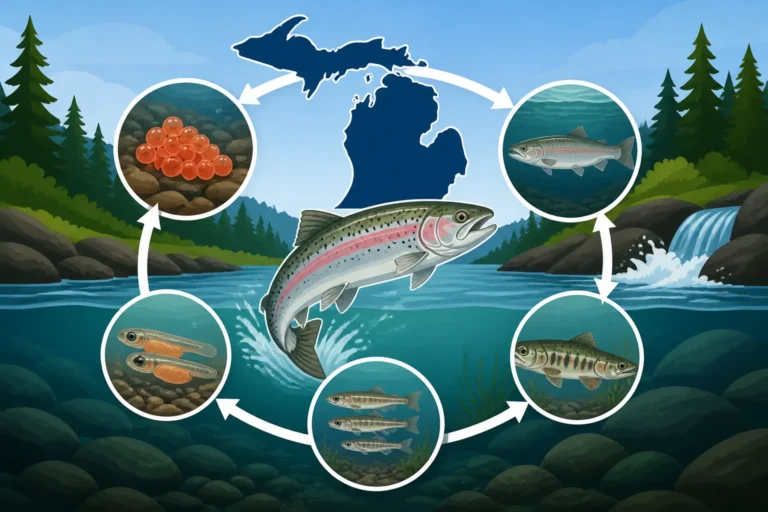
It all begins with broodstock—adult walleye captured from healthy populations, often during their spring spawning runs. These fish are carefully handled, their eggs and milt collected, and then returned to the wild. The fertilized eggs are transported to a hatchery, where they are meticulously cared for under controlled conditions. This controlled environment protects them from natural predators, adverse weather, and diseases that would decimate them in the wild.
Once hatched, these tiny walleye, known as fry, are often released directly into lakes and rivers. However, a significant portion are reared further in hatchery ponds, growing into larger "fingerlings." This stage offers them a better chance of survival after release, as they are larger and better equipped to fend for themselves against predators. The growth and health of these young walleye are constantly monitored, ensuring that only robust, disease-free fish are released into Michigan's waters. It's an intensive process, demanding constant attention and specialized equipment.
Strategic Stocking Locations and Methods
Deciding where to stock walleye isn't arbitrary; it's a strategic choice made by DNR biologists based on years of research and data. They consider factors like existing fish populations, habitat suitability, water chemistry, angler demand, and the potential for natural reproduction. Lakes that have good forage bases but poor natural spawning habitat are often prime candidates. Sometimes, stocking might occur in a specific bay or stretch of river to maximize survival rates.
The methods of stocking vary too. For very young fry, they might be dispersed broadly across a body of water. For larger fingerlings, they are often released in multiple locations around a lake, giving them a better chance to find food and cover. Trucks equipped with aerated tanks transport the walleye to their destinations, ensuring the fish arrive healthy and ready to adapt to their new home. This precision helps maximize the effectiveness of each stocking event, transforming the investment into tangible fishing benefits. When planning your next outing, it's worth checking the DNR's stocking reports, often available online, to see if a local spot has received a boost, perhaps even finding yourself gear for such an occasion on Amazon.
Monitoring and Evaluation
The DNR's work doesn't end once the fish are released. A critical component of any stocking program is rigorous monitoring and evaluation. Biologists track the survival and growth of stocked walleye through various methods, including electrofishing surveys, netting, and creel surveys (where they interview anglers about their catches). They also analyze scales and fin clips from captured fish to determine their age and whether they were hatchery-reared or naturally reproduced. This data is vital for assessing the success of stocking efforts and adjusting future plans.
This continuous feedback loop allows the DNR to fine-tune its strategies, ensuring that stocking resources are allocated efficiently and effectively. If a particular stocking effort isn't yielding the desired results, the DNR can investigate why and make necessary changes, perhaps by stocking different sizes of fish, at different times, or in different locations. It's an ongoing commitment to conservation, ensuring that Michigan's walleye fisheries remain vibrant and sustainable for years to come.
Beyond Stocking: A Holistic Approach to Michigan's Walleye Future
While stocking plays a significant role in enhancing Michigan's walleye populations, it's just one piece of a much larger puzzle. The Michigan DNR employs a comprehensive, holistic approach to fisheries management, recognizing that healthy fish populations depend on a multitude of factors working in harmony. This broader strategy involves proactive conservation measures, strict regulations, and continuous scientific research, all aimed at fostering self-sustaining walleye fisheries wherever possible.
Habitat Improvement Projects
The old adage "build it, and they will come" holds true for fish habitat. One of the most impactful ways the DNR supports walleye populations is by protecting and enhancing their natural habitats. This includes initiatives like restoring degraded wetlands, improving water quality in rivers and lakes, and creating or protecting crucial spawning grounds. For walleye, clean gravel and rock substrates in shallow areas are vital for successful natural reproduction. When these areas are lost due to siltation, shoreline development, or pollution, the DNR steps in to help.
These projects might involve removing invasive vegetation, strategically placing rock or woody debris to create cover, or working with landowners to implement erosion control measures. By ensuring that walleye have suitable places to spawn, feed, and hide, the DNR reduces the long-term reliance on stocking. It’s a sustainable investment in the future of the fishery, empowering nature to do what it does best. Investing in quality gear for fishing these improved habitats can make a difference, and many anglers seek out reliable brands, often found browsing on Amazon.
Regulation and Protection
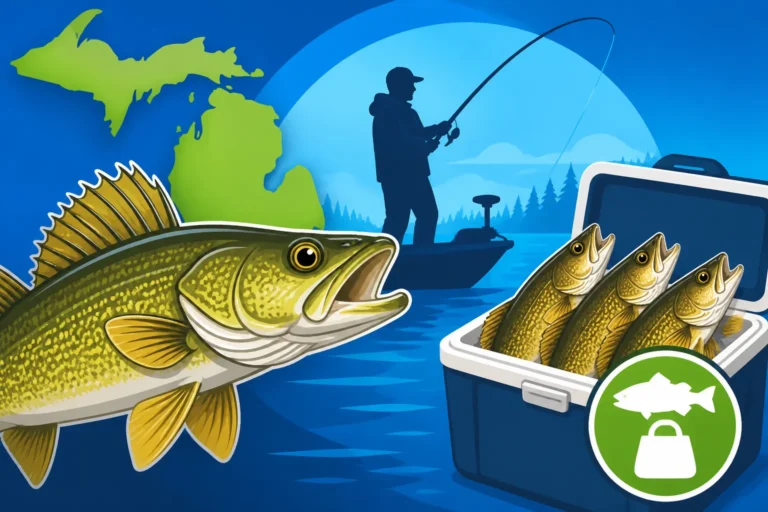
Michigan's fishing regulations are another cornerstone of walleye management, designed to protect fish populations from overharvest while still allowing ample recreational opportunities. These regulations include Michigan Walleye Size and Possession Limits, daily bag limits, and season restrictions, all of which are carefully crafted based on scientific assessments of walleye population health in specific waters. The goal is to ensure that enough walleye survive to reproduce, thereby contributing to the natural sustainability of the fishery.
For example, a minimum size limit allows younger walleye to grow and spawn at least once before they are harvested, while possession limits prevent individual anglers from taking too many fish, which could deplete local populations. These rules are regularly reviewed and updated to adapt to changing environmental conditions and fish population dynamics. Understanding and adhering to these regulations, such as Michigan Walleye Daily Possession Limit or Michigan Walleye 15-Inch Minimum Size Limit, is every angler's responsibility and contributes directly to the success of DNR's conservation efforts.
Research and Data Collection
Underpinning all of the DNR's walleye management strategies is a robust program of research and data collection. Biologists are constantly studying walleye populations, tracking their movements, growth rates, diet, and reproductive success. This involves everything from collecting fish samples for genetic analysis to using advanced sonar technology to map lake bottoms and identify critical habitats. This scientific approach ensures that decisions about stocking, regulations, and habitat projects are based on the best available information, rather than guesswork.
The DNR also collaborates with universities and other research institutions to explore new technologies and deepen its understanding of walleye ecology. This ongoing commitment to science allows for adaptive management, meaning strategies can be adjusted as new information becomes available or as environmental conditions change. By staying informed and responsive, the DNR can ensure that Michigan's walleye fisheries continue to be a source of pride and enjoyment for generations of anglers. Whether you're researching Michigan Fishing Regulations Every Angler Should Know or simply looking for the best tackle, having reliable information, much like what you'd find in a well-researched guide, is key.
Here’s a look at some scenarios where stocking might be considered versus when natural reproduction is sufficient:
| Factor/Scenario | Likely DNR Action: Natural Reproduction Focus | Likely DNR Action: Stocking Considered |
|---|---|---|
| Spawning Habitat | Abundant, clean gravel/rocky shoals; healthy substrate | Limited, degraded, or nonexistent suitable habitat |
| Natural Reproduction Success | Consistent strong year classes observed in surveys | Weak or absent natural recruitment; poor survival of young |
| Fish Population Trends | Stable or increasing; healthy age structure | Declining numbers; lack of older, mature fish |
| Angler Demand/Opportunity | Already supports excellent fishing | Desire to create or enhance a fishery in suitable water |
| Environmental Changes | Stable water quality, minimal invasive species impact | Significant habitat loss, pollution, or invasive species |
| Genetic Diversity | Healthy and diverse genetic pool | Risk of genetic bottleneck due to low numbers |
Disclaimer
This article is for general informational purposes only and does not constitute professional advice. Laws, prices and regulations vary by location and change over time. Consult a qualified professional for guidance on your specific situation.