Why the Upper Peninsula Has a Later Walleye Opener
It can be incredibly frustrating to see fishing reports and social media posts from anglers reeling in walleye in the Lower Peninsula, only to realize that the season hasn't even opened yet if you're planning a trip to the Upper Peninsula. This guide aims to clear up that common confusion, diving deep into the biological and environmental reasons behind Michigan's staggered walleye opener and explaining why the U.P. often has a later start.
The Essential Role of Water Temperature in Walleye Spawning
The difference in walleye season openers between Michigan's Lower and Upper Peninsulas isn't arbitrary; it's a carefully considered decision rooted deeply in the biology of the walleye itself and the distinct climates of these two regions. Walleye, like many fish, are heavily influenced by environmental cues, with water temperature being the paramount factor dictating their spawning cycle. Understanding this natural rhythm is key to grasping why the regulations are structured the way they are.
Water Temperature as the Spawning Trigger
Walleye are cold-blooded creatures, meaning their bodily functions, including reproduction, are directly tied to the temperature of their surrounding water. For walleye, the magic number for spawning typically falls within a range of about 42 to 50 degrees Fahrenheit (6 to 10 degrees Celsius). When the water in a lake or river reaches this temperature range, it signals to the walleye that it's time to move into shallower, rocky areas or gravel shoals to deposit their eggs. This natural phenomenon is incredibly precise; a few degrees difference can mean weeks in terms of their readiness to spawn. If the water is too cold, their eggs won't develop properly, and their bodies won't be primed for the arduous process of spawning.
Because walleye are broadcast spawners, scattering their eggs over hard bottoms rather than building nests, they rely on specific conditions to ensure egg survival. These temperatures ensure the eggs can properly adhere to the substrate and develop without being susceptible to fungal growth or predation that might occur in unsuitable conditions. Any disruption during this critical period can have ripple effects on the entire year class of walleye. Angling pressure during this vulnerable time could disturb spawning fish, scatter eggs, or even lead to direct mortality of crucial breeding stock, which is why regulators are so keen on protecting this window.
Geographic and Climatic Differences Between Peninsulas
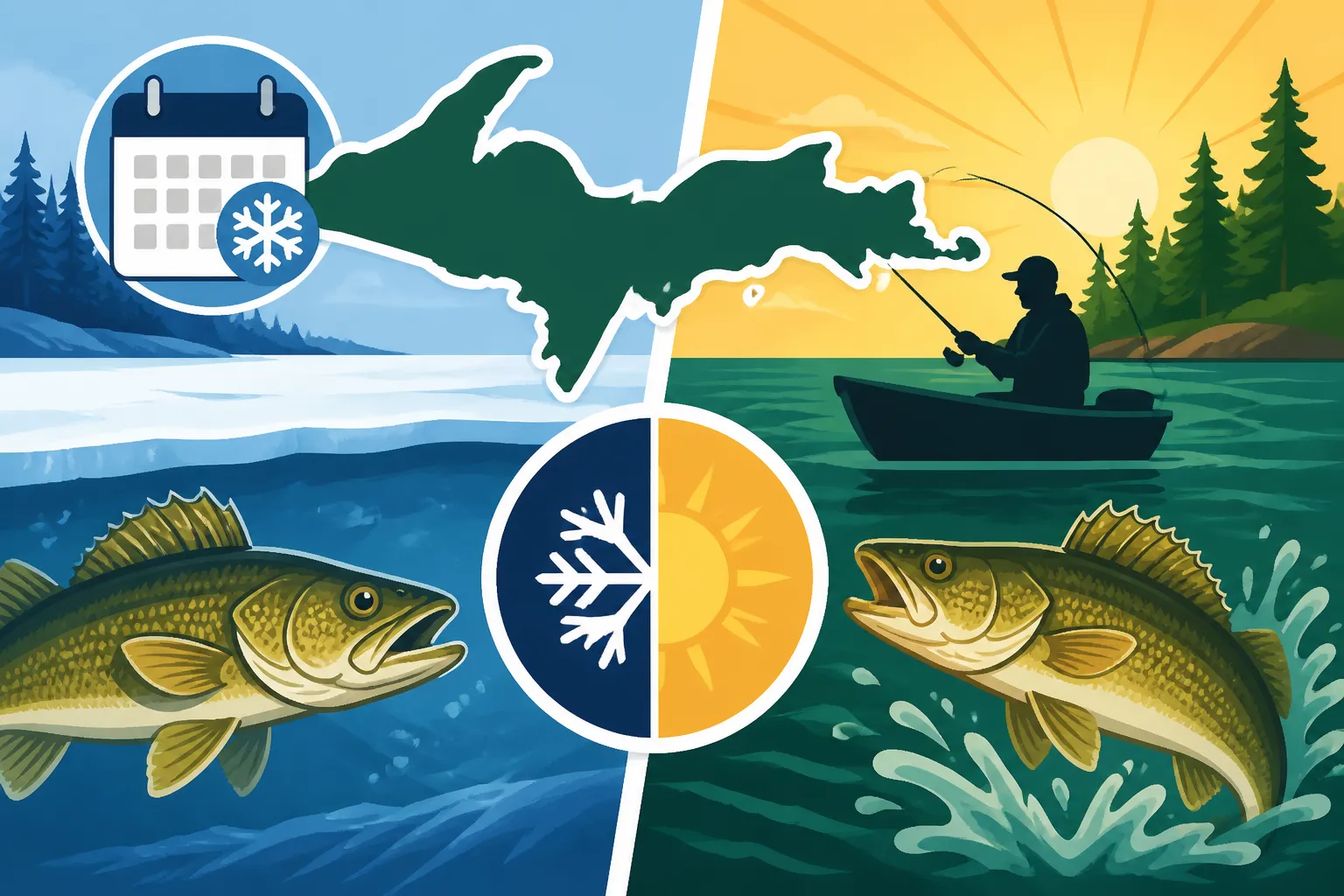
Now, let's talk about why this temperature trigger results in different season dates across Michigan. The Upper Peninsula, affectionately known as the U.P., is geographically situated much further north than the Lower Peninsula. This difference in latitude, combined with other environmental factors like greater snowpack, more persistent ice cover, and generally colder air temperatures, translates directly into a later spring thaw. Lakes and rivers in the U.P. simply take longer to warm up to that critical 42-50 degree Fahrenheit range that signals "go time" for walleye.
Consider the vast expanses of Lake Superior and northern inland lakes in the U.P. These larger, deeper bodies of water retain winter's chill for much longer than the shallower, more southerly lakes of the Lower Peninsula. It’s not uncommon for U.P. lakes to still have significant ice cover well into April, sometimes even early May, while anglers in the southern Lower Peninsula are already enjoying open water. This stark climatic difference means that if the Michigan Department of Natural Resources (DNR) were to set a uniform statewide opener, anglers in the U.P. would either be fishing through ice, missing the spawn, or, worse, potentially disrupting walleye that haven't even had a chance to reproduce yet. This staggered approach respects the natural calendar of each region. You can always check the specific dates for when does walleye season open in Michigan's Upper Peninsula to plan your trips.
The Impact on Walleye Development and Health
Opening the walleye season prematurely in the U.P. could have severe repercussions on the health and sustainability of walleye populations. When walleye are actively spawning, they are in a highly vulnerable state. They are often concentrated in specific areas, less cautious, and focused entirely on reproduction. Introducing fishing pressure during this period would not only make them incredibly easy to catch, but it would also stress them significantly, potentially affecting their ability to successfully spawn or recover afterward.
The goal of responsible fisheries management is to ensure that fish stocks remain robust for future generations of anglers. By delaying the season opener in the U.P. until after the peak spawning period, the DNR allows the walleye to complete their crucial reproductive duties undisturbed. This helps ensure that countless eggs are laid and fertilized, contributing to a healthy population that can withstand future angling pressure. It's a long-term conservation strategy that prioritizes ecological well-being over immediate angler access, even if it means a little more patience for those eager to drop a line.
Conservation and Sustainable Management by the Michigan DNR
The Michigan Department of Natural Resources (DNR) plays a pivotal role in setting fishing regulations across the state, and their decisions, particularly regarding staggered season openers, are deeply rooted in scientific research and a commitment to conservation. It's not about making things difficult for anglers; it's about protecting precious natural resources for everyone, now and in the future. Their work ensures that the angling heritage in Michigan can continue to thrive.
Protecting Spawning Fish for Future Generations
The primary reason for a later walleye opener in the Upper Peninsula, beyond the biological timing, is the critical need to protect walleye during their most vulnerable period: spawning. When walleye gather to reproduce, they are often congregated in shallow, accessible areas, making them relatively easy targets for anglers. If fishing were allowed during this crucial window, there would be a significant risk of overharvesting the breeding stock. This isn't just about catching a few extra fish; it's about potentially removing the very fish responsible for replenishing the population.
Imagine a scenario where the season opens too early. Anglers, eager for that first taste of fresh walleye, flock to known spawning grounds. While they might catch a lot of fish, each fish removed is one less contributor to the next generation. Moreover, even catch-and-release can be incredibly stressful for fish during spawning, potentially leading to post-release mortality. By closing the season during this time, the DNR provides a vital sanctuary, allowing walleye to complete their reproductive cycle with minimal human interference, thereby safeguarding the long-term health and abundance of the species. This approach is a cornerstone of responsible fisheries management, which is something every angler should be familiar with, as outlined in the comprehensive Michigan Fishing Regulations Every Angler Should Know.
Scientific Data, Research, and Community Input
The DNR doesn't just guess when to open seasons; their decisions are backed by extensive scientific research and ongoing data collection. Biologists regularly monitor water temperatures, assess walleye populations, study spawning patterns, and track catch rates across different regions. They use this information to determine the optimal timing for season openers that aligns with natural biological cycles while also considering the impact on fish stocks. For example, local DNR fisheries units conduct surveys, net fish to assess age and health, and collect samples to analyze reproductive readiness.
Furthermore, the process isn't entirely top-down. The DNR often solicits input from local communities, conservation groups, and anglers themselves. Public forums, advisory committees, and online comment periods allow stakeholders to voice their perspectives and share local knowledge. While scientific data remains the foundation, this community engagement helps ensure that regulations are practical, understood, and supported by those who will be most affected. This collaborative approach ensures a balance between scientific necessity and public acceptance, leading to more effective conservation outcomes for species like the walleye, and informing regulations such as Michigan Walleye Size and Possession Limits.
Balancing Angler Opportunity and Resource Health
One of the most challenging aspects of fisheries management is striking the right balance between providing ample angling opportunities and ensuring the long-term health of fish populations. Anglers understandably want to get out on the water as soon as possible, especially after a long Michigan winter. However, responsible management sometimes requires patience. The later opener in the U.P. is a prime example of this careful balancing act. It might mean a slightly shorter initial season for walleye in the northern reaches, but it guarantees that there will be walleye to catch for many years to come.
This management strategy isn't unique to walleye or Michigan. It's a common practice worldwide, reflecting a shared understanding that natural resources are finite and require careful stewardship. The DNR's approach to the Upper Peninsula walleye season demonstrates their commitment to a sustainable fishery, allowing anglers to enjoy their passion while actively contributing to the preservation of Michigan's incredible aquatic ecosystems. This foresight not only protects walleye but also maintains the vibrant fishing culture that defines much of the state, especially as people think about their next Michigan Fishing Season Dates and Rules.
Practical Considerations for Michigan Anglers
Understanding why the Upper Peninsula has a later walleye opener is one thing, but knowing how to navigate these regulations as an angler is another. This staggered approach requires a bit more planning and flexibility, especially for those who love to chase walleye throughout the state. But don't worry, there are plenty of ways to adapt and still enjoy Michigan's fantastic fishing opportunities, even if you're waiting for that U.P. opener.
Planning Your Spring Walleye Trips
The first and most crucial step for any angler planning a spring walleye trip in Michigan is to always, always check the current regulations. These can, and sometimes do, change annually based on DNR assessments and environmental factors. The specific dates for the Lower Peninsula Walleye Opener and the Upper Peninsula Walleye Season Opener are clearly outlined in the official Michigan Fishing Regulations Digest, which you can usually find online on the DNR website, or pick up a physical copy from a licensed dealer.
If you're an avid walleye angler, you might find yourself with a window of opportunity in the Lower Peninsula before the U.P. opens. This could mean planning two distinct trips or focusing your early season efforts downstate. It’s a good idea to monitor local fishing reports and water temperatures in the specific areas you plan to fish, as even within a peninsula, conditions can vary. Remember that licenses are required, and understanding your Michigan Fishing License Guide for Residents and Nonresidents is essential before heading out.
Exploring Other Species During the Wait
Just because walleye season might be closed in the U.P. doesn't mean there's nothing else to catch! Michigan boasts an incredible diversity of fish species, and many seasons are open earlier or even year-round. This is a perfect opportunity to explore new angling experiences or target different species that are active and abundant in the spring.
For instance, many trout seasons on inland waters open in late April, offering fantastic opportunities for fly fishing or casting for brown, rainbow, and brook trout. Panfish like bluegill and crappie also become very active as water temperatures rise, providing fun and often fast-paced action, especially for families. Even certain bass seasons might be open for catch-and-release before the walleye. Diversifying your targets can make you a more well-rounded angler and help fill the gap until that highly anticipated walleye opener. You might even discover a new favorite fishery!
Essential Gear and Preparedness for Staggered Seasons
When planning for fishing across Michigan's varied seasons and regions, having the right gear is paramount. Since you might be fishing in different climates and for different species, your tackle box might need some adjustments. For early spring walleye in the Lower Peninsula, you'll want to be prepared for potentially chilly weather and cold water, so appropriate layers and maybe even insulated waders are a must. As the U.P. season opens later, you might encounter slightly warmer conditions, but cold snaps are always possible in Michigan.
Consider versatile rods and reels suitable for different techniques, as Michigan Walleye Fishing Techniques can vary from jigging to trolling. A good selection of jigs, crankbaits, and live bait options (where permitted) will serve you well. Don't forget essentials like a net, pliers, and a reliable cooler for keeping your catch fresh. Many anglers find great deals on a variety of fishing gear, from lines to lures, on platforms like Amazon, ensuring they're well-equipped for whatever Michigan waters throw their way. Also, be sure to have a way to access your license and regulations, perhaps through the convenient Michigan's DNR Hunt Fish App for Licenses and Reporting on your smartphone. Having a physical copy of your license and the regulations, perhaps printed from Amazon's Kindle service if you prefer digital documents, is also a smart backup.
Here’s a quick overview of typical walleye opener dates in Michigan:
| Region | Typical Walleye Opener Date | Primary Environmental Factor | Angler Planning Note |
|---|---|---|---|
| Lower Peninsula | Last Saturday in April | Earlier spring warming | Often coincides with trout opener on inland waters. |
| Upper Peninsula | May 15th | Later spring warming, ice-out | Allows for full completion of spawning post-ice out. |
| Great Lakes Waters | Often Year-Round, but with specific regulations in certain bays and rivers. Specific regulations often apply to connecting waters and larger bays like Saginaw Bay, where species specific rules might apply. | Diverse thermal conditions | Always check specific regulations for Great Lakes zones. |
Note: Dates are generalized and may vary. Always consult the current Michigan Fishing Regulations Digest for precise dates.
Understanding the Scientific and Regulatory Process
It’s easy to get caught up in the dates on a calendar, but there's a fascinating and complex process behind how these fishing regulations come to be. The staggered walleye opener is a testament to the Michigan DNR's commitment to ecosystem health, demonstrating how science, observation, and adaptive management work together to protect our fisheries. This isn't a static system; it's constantly evolving based on new data and environmental changes.
How Regulations Are Determined and Updated
The process of setting and updating fishing regulations in Michigan is a dynamic one, driven primarily by biological data collected by DNR fisheries scientists. These experts are constantly monitoring fish populations, conducting surveys to assess spawning success, growth rates, and overall health of various species in different water bodies. They look at long-term trends, impacts of environmental factors like climate change, and the effectiveness of current regulations. For walleye, this means tracking water temperatures in key spawning areas, observing fish behavior, and analyzing age and size distribution within the population.
Beyond biological data, the DNR also considers socio-economic factors, such as the impact of regulations on local economies dependent on tourism and fishing, and angler satisfaction. Public input, as mentioned earlier, plays a crucial role. Proposed regulation changes often undergo a rigorous review process, including public comment periods, stakeholder meetings, and legislative review. This multi-faceted approach ensures that regulations are scientifically sound, enforceable, and, as much as possible, acceptable to the angling community. This complex process is why the Michigan Fishing Regulations Digest is updated annually, and why it's so important to review it each year, as things like Michigan Bag and Size Limits Explained can shift.
The Role of Citizen Science and Angler Reporting
While DNR biologists do extensive work, they can't be everywhere at once. This is where citizen science and angler reporting become incredibly valuable. Anglers on the water often notice subtle shifts in fish behavior, water conditions, or catch rates long before they show up in broad scientific surveys. Many dedicated anglers take pride in carefully documenting their catches, observing spawning activities, and even reporting unusual findings. This anecdotal evidence, when collected over time and across many individuals, can provide valuable supplementary information to the DNR's scientific data.
For species like muskellunge, Michigan even has specific harvest reporting rules, where anglers are legally required to report their catch. While not applicable to walleye in the same way, the spirit of contributing to conservation remains. Anglers who understand the "why" behind regulations are more likely to comply and even advocate for sustainable practices, effectively becoming stewards of Michigan's aquatic resources. This collaborative effort between the state and its citizens ensures a more comprehensive understanding of fish populations and environmental dynamics.
Climate Change and Future Regulation Adaptations
It would be unrealistic not to acknowledge the broader context of climate change and its potential impact on Michigan's fisheries and future regulations. With warming global temperatures, Michigan winters are generally becoming shorter and milder, and spring thaws are occurring earlier in some regions. This could, over time, shift the biological timing of walleye spawning, potentially leading to a review of current season dates. The DNR is keenly aware of these long-term trends and is actively studying how they might affect fish populations and necessitate future adaptations to fishing regulations.
Such adaptations might include adjusting opener dates, modifying bag and size limits, or even exploring new stocking strategies to support resilient fish populations. The current staggered walleye opener is a reflection of past and present climate realities, and it serves as a good example of how regulations can be tailored to regional conditions. As our environment continues to change, the flexibility and scientific rigor of the DNR's approach will be vital in ensuring that Michigan remains a premier fishing destination for walleye and countless other species for generations to come.
Disclaimer
Please note that fishing regulations in Michigan are subject to change. Always consult the most current Michigan Department of Natural Resources (DNR) Fishing Guide or website before heading out to fish. This article provides general information and should not be considered a substitute for official DNR regulations.