Best Trailer for Launching a Boat in Michigan
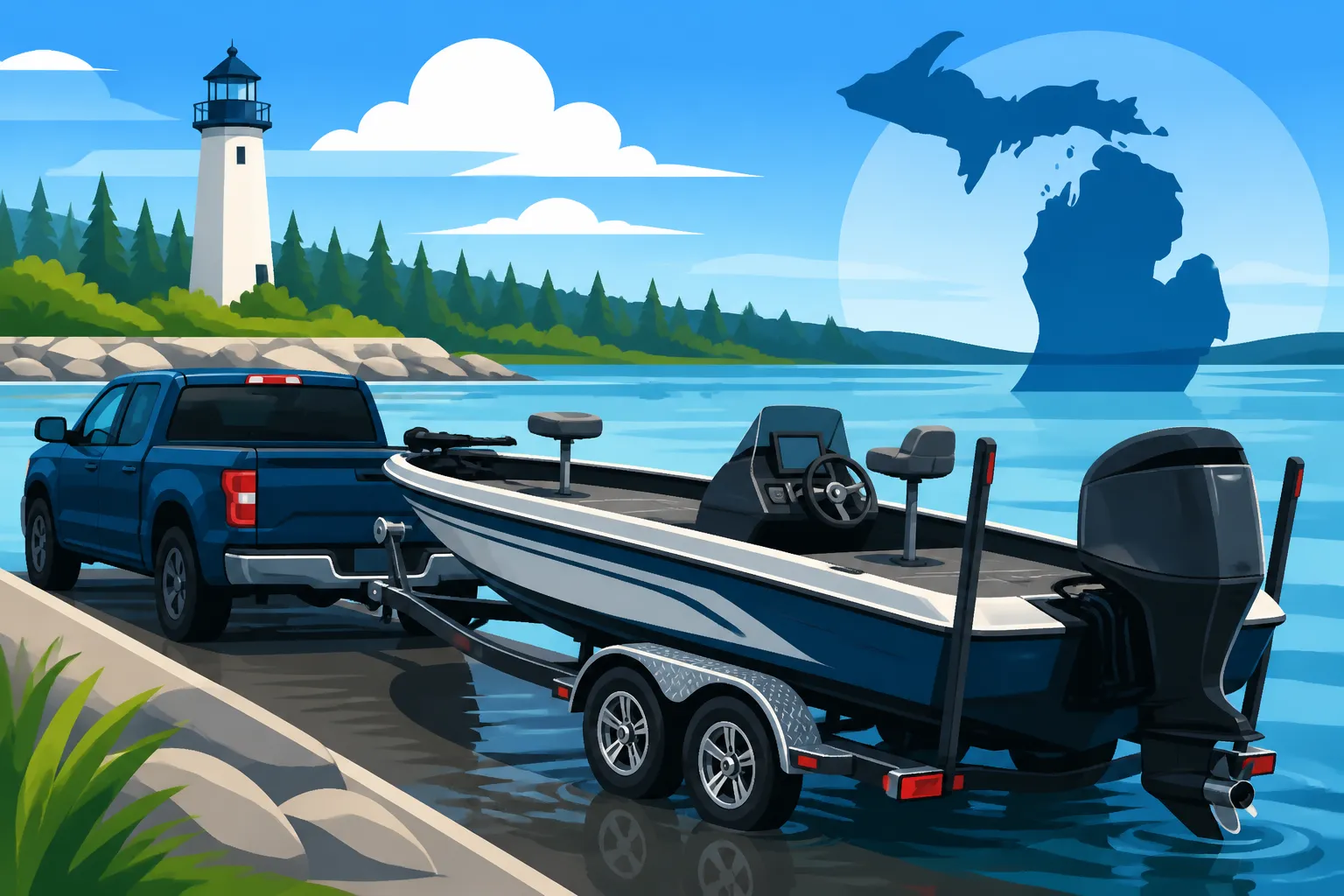
Trying to get your boat into Michigan's beautiful waters, whether it's a calm inland lake or a busy Great Lakes harbor, can be a real headache if you don't have the right trailer. The struggle of navigating crowded launches or dealing with tricky ramps, especially those with varying depths or less-than-ideal surfaces, is something many of us face. This guide is all about helping you find the absolute best boat trailer specifically designed to make launching your vessel in Michigan as smooth and stress-free as possible, ensuring you spend more time fishing and less time wrestling with your rig.
Understanding Michigan's Diverse Launch Environments
Michigan is a truly unique state for boaters, boasting an incredible array of launch environments. From the vast, often unpredictable waves of the Great Lakes to the serene, shallow inland lakes and the winding, sometimes rocky rivers, each body of water presents its own set of challenges and demands when it comes to launching your boat. It’s not a one-size-fits-all situation, and understanding these differences is the first step in choosing the right trailer.
Great Lakes and Large Inland Lakes
When you're launching into the mighty Great Lakes or some of Michigan's largest inland bodies of water like Houghton Lake or Lake St. Clair, you're often dealing with substantial boat ramps designed for larger vessels. These ramps can be long, steep, and subject to wave action or strong currents, especially at popular spots. The wear and tear on a trailer in these conditions can be significant. Saltwater isn't typically an issue here, but brackish water in certain Great Lakes connecting rivers can still be corrosive.
Furthermore, deeper ramps mean your trailer might be submerged further and for longer periods. This puts stress on axles, hubs, and lighting systems. You'll want a trailer that can handle the weight of your boat consistently, has excellent braking capabilities for those steep grades, and is built with durable components to withstand frequent submersion. Consider the overall length of your boat and trailer combination, especially if you're navigating tight turns or busy parking lots at popular Great Lakes access points, such as those found along the shorelines of Lake Michigan or Lake Huron. Michigan's Great Lakes Fishing Guide can give you an idea of the scale of these waters.
Smaller Inland Lakes and Rivers
Michigan's smaller inland lakes and numerous rivers, like the Au Sable or Manistee, offer a completely different launching experience. Ramps here can range from well-maintained concrete pads to simple gravel or even dirt access points. They might be shorter, shallower, and less forgiving, sometimes requiring a more precise launch angle. Water levels can fluctuate dramatically depending on rainfall and season, meaning a ramp that was perfect last month might be a muddy slope today.
For these environments, maneuverability is often key. You might be backing down a narrow, winding path or needing to adjust your angle frequently to find sufficient depth. A trailer that's easy to handle, perhaps with a slightly shorter overall length if your boat allows, can be a huge advantage. Axle type and tire quality become even more important on uneven or soft surfaces. You're less likely to need heavy-duty braking systems for steep grades, but reliable brakes are always a must for safety. For specific locations, checking out Michigan Inland Lakes Worth Fishing can offer some perspective on the variety of access points.
Key Features to Look For in a Boat Trailer
Choosing the best boat trailer for Michigan means looking beyond just how it looks. It's about the construction, components, and how well it stands up to the unique demands of our state's diverse waterways. We're talking about features that make launching, loading, and traveling safer and easier, no matter where your next fishing adventure takes you.
Frame Material and Construction
The backbone of any good boat trailer is its frame. For Michigan conditions, you're primarily looking at galvanized steel or aluminum. Galvanized steel trailers are known for their strength and durability. The hot-dip galvanizing process creates a coating that resists corrosion, which is crucial for trailers frequently exposed to fresh water, especially if that water contains dissolved minerals or is consistently cold. They tend to be heavier, offering a very stable tow, but can eventually succumb to rust if the coating is compromised.
Aluminum trailers, on the other hand, are lighter, which can be a boon for fuel economy and easier towing, especially with smaller vehicles. Aluminum is naturally corrosion-resistant, making it an excellent choice for longevity, particularly around any brackish waters. However, aluminum trailers often come at a higher price point and might not be as robust against impacts as steel. When considering frame construction, look for fully welded frames over bolted ones for superior strength and fewer potential points of failure over time. You want something that feels solid and won't flex under the weight of your vessel, whether you're transporting a small fishing boat or a larger craft suited for Lake Michigan.
Brakes, Axles, and Suspension
These components are critical for safety and smooth towing. Most boat trailers will feature surge brakes, which engage automatically as your tow vehicle slows down. For heavier boats, electric-over-hydraulic brakes offer superior control and stopping power. Always match the trailer's Gross Vehicle Weight Rating (GVWR) with your boat's loaded weight and consider going a step up for an added safety margin. Don't skimp on brakes – Michigan's roads can be hilly in some areas, and sudden stops are a reality.
Axles come in two main types: leaf spring and torsion. Leaf spring axles are common, provide a relatively smooth ride, and are generally easier and cheaper to repair. However, the leaf springs themselves can be prone to rusting and wear over time, especially with frequent submersion. Torsion axles, while often more expensive upfront, offer an independent suspension for each wheel, leading to a smoother ride for your boat and better tracking on the road. They also typically have fewer moving parts exposed to the elements, reducing maintenance. When browsing at retailers like Bass Pro Shops or even online through Amazon, pay close attention to these specs. For maintenance and safety, checking Michigan Boating Laws for Anglers can help you understand legal requirements.
Lighting and Wiring
The importance of reliable lighting and wiring cannot be overstated. Submerging trailer lights repeatedly in water is a recipe for electrical issues. Look for trailers equipped with fully sealed, submersible LED lights. LEDs are more durable, energy-efficient, and much less prone to failure than incandescent bulbs. The wiring harness should also be fully sealed and ideally run inside the trailer frame to protect it from road debris and water.
Even with submersible lights, it’s a good practice to disconnect your trailer’s lights from your tow vehicle before backing into the water if possible, especially if your bulbs are still incandescent. The sudden temperature change when a hot bulb hits cold water can cause it to shatter. Ensuring all connections are clean, corrosion-free, and greased (with dielectric grease) will extend the life of your lighting system significantly. There's nothing worse than getting pulled over for a burnt-out tail light on your way home from a successful fishing trip because of faulty wiring.
Winch, Bunks/Rollers, and Tongue Jack
These are the elements that make launching and loading efficient and easy. A good quality, two-speed winch with a durable strap (not cable) is essential for pulling your boat securely onto the trailer. A two-speed winch allows for faster retrieval and a lower gear for that final, powerful crank. The winch stand should be sturdy and adjustable to properly support your boat's bow.
As for supporting your boat, you'll choose between bunk trailers and roller trailers, which we'll discuss in detail next. Both have their advantages, but ensuring the bunks or rollers are correctly aligned and adjusted for your specific hull is paramount. An improperly adjusted trailer can lead to hull damage or difficult loading.
Finally, a sturdy tongue jack with a large, robust wheel or foot is a must. It makes maneuvering the trailer when unhitched much easier and protects the tongue from grinding into the pavement. A swivel wheel design is usually best for versatility, allowing you to move the trailer around your driveway or launch area with ease. For accessories like winches or tongue jacks, you can often find a good selection at sporting goods stores or online.
Types of Boat Trailers Suited for Michigan Anglers
When you're looking for a boat trailer, one of the biggest decisions you'll face is between a bunk trailer and a roller trailer. Both have passionate advocates, and each design offers distinct advantages and disadvantages, especially when considering Michigan's diverse launch conditions. Let's dive into what makes each type suitable for different anglers and scenarios.
Bunk Trailers
Bunk trailers are arguably the most common type you'll see in Michigan. They support your boat on carpeted wooden boards, or "bunks," that run along the length of the hull. The primary advantage of bunk trailers is the excellent, consistent support they provide to the boat's hull. This broad distribution of weight reduces stress points, which is particularly beneficial for fiberglass boats where hull integrity is a major concern.
Launching and loading with a bunk trailer typically requires the trailer to be submerged deeper into the water compared to a roller trailer. This allows the boat to float off the bunks more easily and, conversely, to float back onto them for loading. This deeper submersion means more of your trailer's components (axles, hubs, lights) are exposed to water, which can accelerate wear and tear if not properly maintained. For shallow ramps or those with unpredictable depths, a bunk trailer can be more challenging to use. However, for well-maintained, deeper ramps, especially at popular Great Lakes access points or large inland lakes, bunk trailers offer a secure and reliable transport method. You might find many boats sold at local Michigan dealerships with bunk trailers specifically because of the robust support they provide.
Roller Trailers
Roller trailers, as the name suggests, use a series of rubber or polyurethane rollers to support the boat. These trailers allow for incredibly easy launching and retrieval, often requiring only minimal submersion. This is a huge advantage at shallow ramps, private access points where the water isn't very deep, or when dealing with fluctuating water levels common in some Michigan rivers and smaller lakes. You can often roll your boat off the trailer with very little effort, and cranking it back on is usually a breeze, even for solo anglers.
However, roller trailers do have some drawbacks. The concentrated pressure points from the rollers can potentially dent or deform certain boat hulls, especially thinner aluminum boats or older fiberglass models, if not properly adjusted. It's crucial that the rollers are correctly positioned and provide even support across the hull. Also, the sheer number of moving parts (all those rollers and their brackets) means more components to maintain, lubricate, and potentially replace over time. While they offer convenience, the potential for hull damage or increased maintenance should be weighed carefully against the ease of use. When you're looking at different options, whether at a local marine dealer or through online resources, always consider how the trailer type aligns with your typical launch locations in Michigan.
Here's a quick comparison of bunk and roller trailers:
| Feature | Bunk Trailer | Roller Trailer |
|---|---|---|
| Hull Support | Excellent, distributed weight | Concentrated pressure points, potential for dents |
| Launch/Load Depth | Requires deeper submersion | Requires minimal submersion, easier at shallow ramps |
| Ease of Use | Can be challenging at shallow ramps | Very easy, even for solo anglers |
| Component Exposure | More components submerged (wear & tear) | Fewer components submerged (less wear & tear) |
| Maintenance | Fewer moving parts | More moving parts (rollers, brackets) |
| Cost | Generally less expensive | Often more expensive due to complex components |
| Best For | Fiberglass boats, deep ramps, secure transport | Aluminum boats, shallow ramps, solo launching |
Maintenance and Safety for Your Michigan Boat Trailer
Having the best trailer is only half the battle; keeping it in top shape and adhering to safety protocols ensures your fishing trips are enjoyable and worry-free. Neglecting trailer maintenance can lead to frustrating breakdowns on the side of the road or, worse, dangerous situations. In Michigan, where we face everything from summer heat to freezing winter conditions, proper care is year-round.
Routine Maintenance Checks
Consistent maintenance is key to extending the life of your boat trailer. After every few trips, especially if you've submerged the trailer, take a few minutes for a quick inspection. Check your tire pressure and condition. Uneven wear or low pressure can lead to blowouts or poor handling. Keep an eye out for cracks in the sidewalls or tread. Axle hubs are notorious for issues; ensure they are properly greased. Many modern trailers use bearing protectors with zerk fittings, making it easy to pump in grease, but always be careful not to over-grease. Periodically, you might need to inspect the wheel bearings themselves – a common failure point that can leave you stranded.
Check all lights – brake lights, turn signals, and running lights. Corrosion in wiring connections is a frequent culprit for non-working lights, especially with repeated exposure to water. A little dielectric grease on connections can go a long way. Inspect the winch strap for fraying and the winch mechanism for smooth operation. Don't forget the tongue jack and coupler; ensure they operate freely and are lubricated. These regular checks, though small, can prevent major headaches down the road. For more in-depth maintenance, you can often find parts and tools at Bass Pro Shops or order specialized components through Amazon.
Michigan Boating and Trailering Regulations
Michigan has specific regulations that apply to trailering boats, and it's essential to be aware of them to avoid fines and ensure safety. First and foremost, your boat must be securely fastened to your trailer. This means using tie-down straps at the stern and a bow strap or chain in addition to the winch. These prevent the boat from shifting on the bunks or rollers during transit, especially during sudden stops or turns.
All trailers, regardless of size, must have working tail lights, stop lights, and turn signals. For trailers over a certain weight, brakes are mandatory on all wheels. Ensure your license plate is clean, visible, and properly illuminated. The state also has rules regarding overall trailer length and width, though most recreational boat trailers fall within these limits. Always carry proof of your trailer's registration and proper identification for your tow vehicle. Understanding regulations like Michigan Boat Registration Requirements and Michigan Boat Titling Requirements Over 20 Feet is vital, as a non-compliant trailer can lead to serious legal issues.
Winter Storage and Off-Season Care
When the Michigan fishing season winds down and you're putting your boat away for the winter, your trailer needs just as much attention as your boat. Before storing, give the entire trailer a thorough wash, paying close attention to axles, springs, and wiring harnesses to remove any grime, salt, or debris. Lubricate all moving parts: bearings, coupler, tongue jack, and winch.
For tires, it's a good idea to either block the trailer up to take the weight off the tires or at least move the trailer periodically to prevent flat spots. Protect the tires from UV rays with covers. Disconnect the wiring harness and store it in a dry place to prevent corrosion over the long winter months. If your trailer has surge brakes, ensure the master cylinder is full and free of moisture. Properly preparing your trailer for the off-season will mean it's ready to roll when the ice thaws and the spring fishing bite begins. For tips on how to prepare your entire setup, looking into Best Trailer Setup for Michigan Boat Launches can offer valuable insights for year-round readiness.
Disclaimer
This article is for general informational purposes only and does not constitute professional advice. Laws, prices and regulations vary by location and change over time. Consult a qualified professional for guidance on your specific situation.