Michigan’s Boundary Water Fishing Rules on the Great Lakes
Michigan boundary water fishing regulations on the Great Lakes help anglers avoid legal issues while sharing resources with neighboring jurisdictions.
Michigan boundary water fishing regulations on the Great Lakes help anglers avoid legal issues while sharing resources with neighboring jurisdictions.
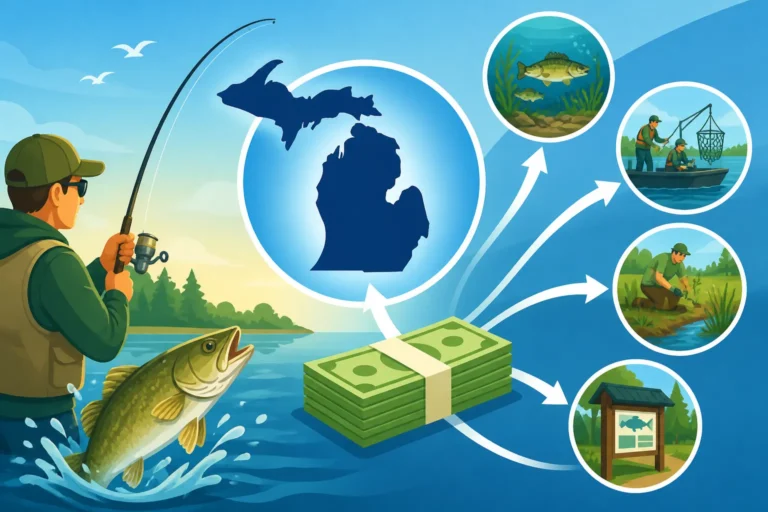
Michigan fishing license revenue funds conservation, habitat restoration, and Department of Natural Resources fisheries management programs.
Michigan fishing licenses operate on a fixed annual cycle beginning April first and expiring March thirty-first each year.
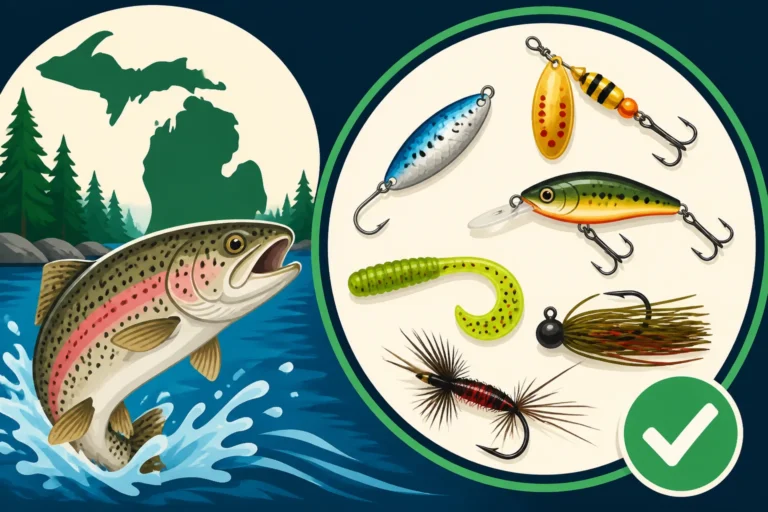
Michigan trout fishing regulations defining artificial lures, clarifying prohibited natural baits, and detailing legal man-made materials.
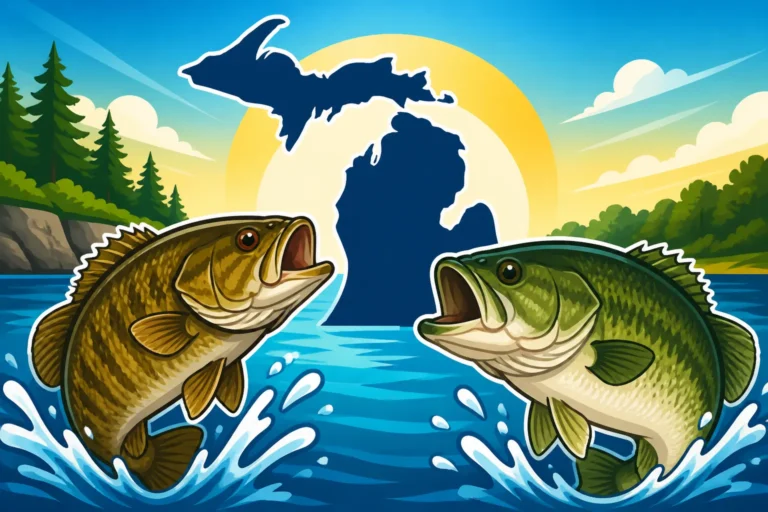
Michigan bass fishing regulations explain combined daily limits, size restrictions, and seasonal catch and release rules.
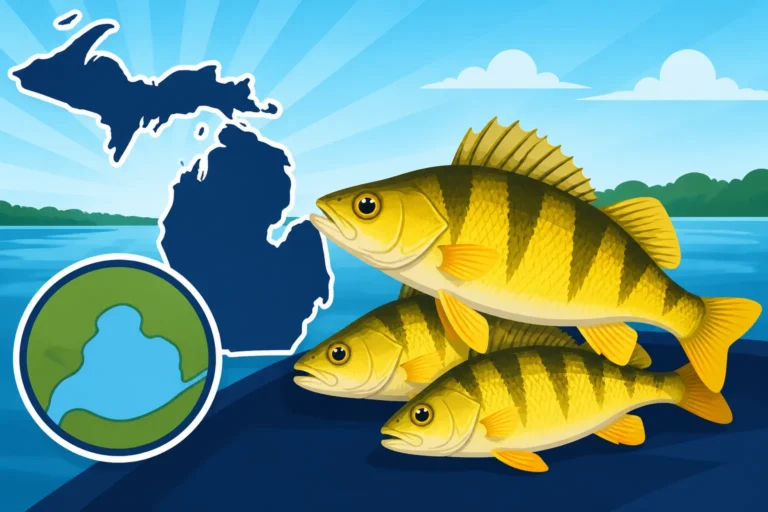
Michigan yellow perch fishing limits on Lake St. Clair help the Department of Natural Resources maintain healthy aquatic populations.
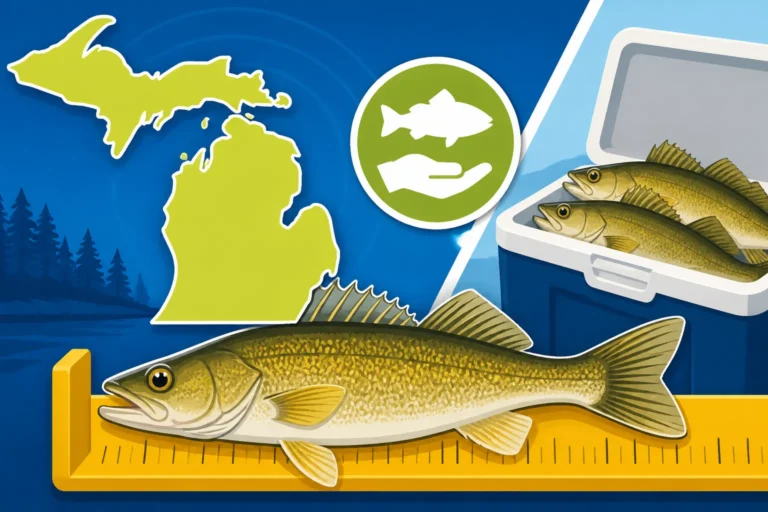
Michigan walleye size and daily possession limits explained, including conservation reasons and current resource locations.
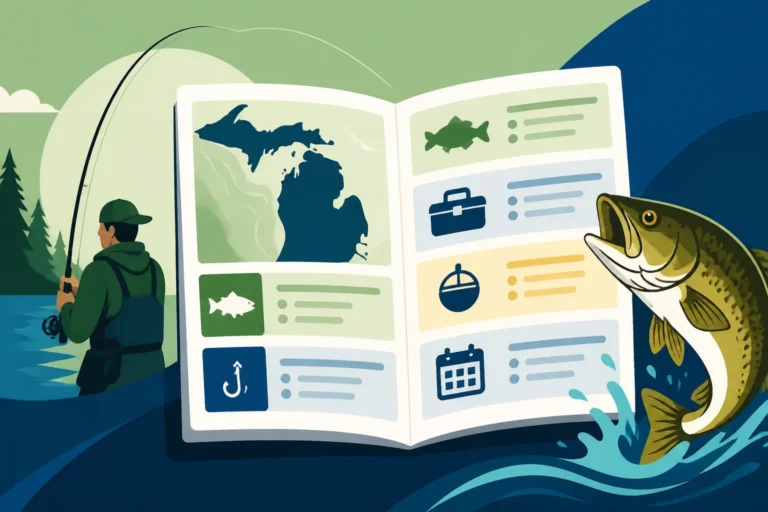
The Michigan Fishing Regulations Digest explains legal catch limits, fishing season dates, and sustainable conservation practices for anglers.
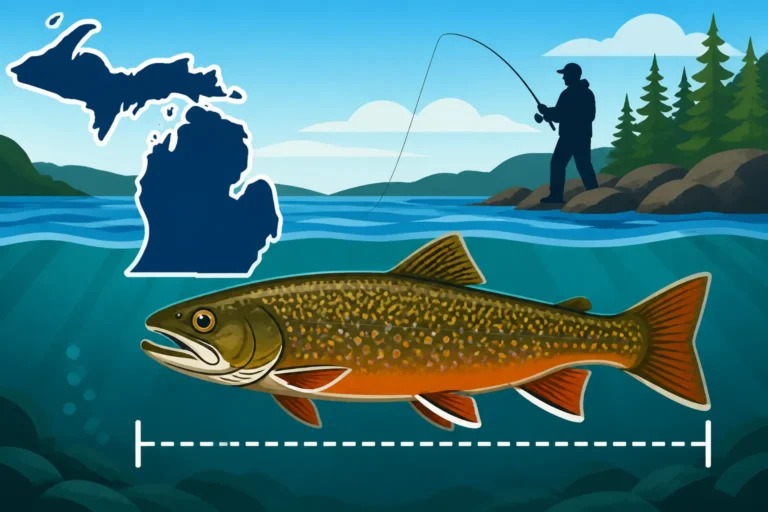
Michigan Department of Natural Resources regulations for Lake Superior brook trout protect and help restore native coaster populations.
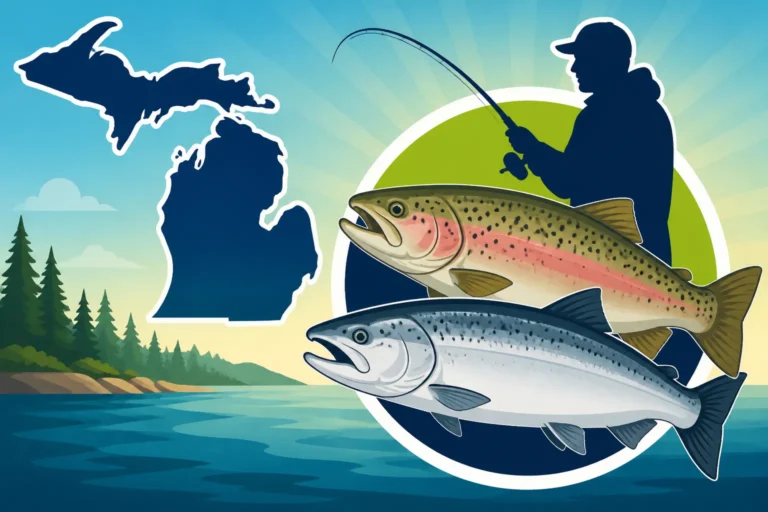
Michigan fishing regulations establish a daily combined possession limit of five trout and salmon across multiple species.