How to Catch Brook Trout on Lake Superior
Catching brook trout on Lake Superior isn't quite like casting into your favorite inland stream. The sheer size of the lake, coupled with its often challenging weather and deep, cold waters, can make locating and enticing these beautiful fish feel like searching for a needle in a very large haystack. This guide aims to demystify the process, offering practical advice and techniques to help you successfully target and land brook trout in Michigan's largest Great Lake.
Understanding Lake Superior's Brook Trout
Before you even think about packing your tackle box, it’s crucial to understand the unique characteristics of brook trout in Lake Superior. These aren’t your average small stream brookies; the vast, nutrient-rich waters of the big lake can produce some truly impressive specimens.
Identifying Lake Superior Brook Trout
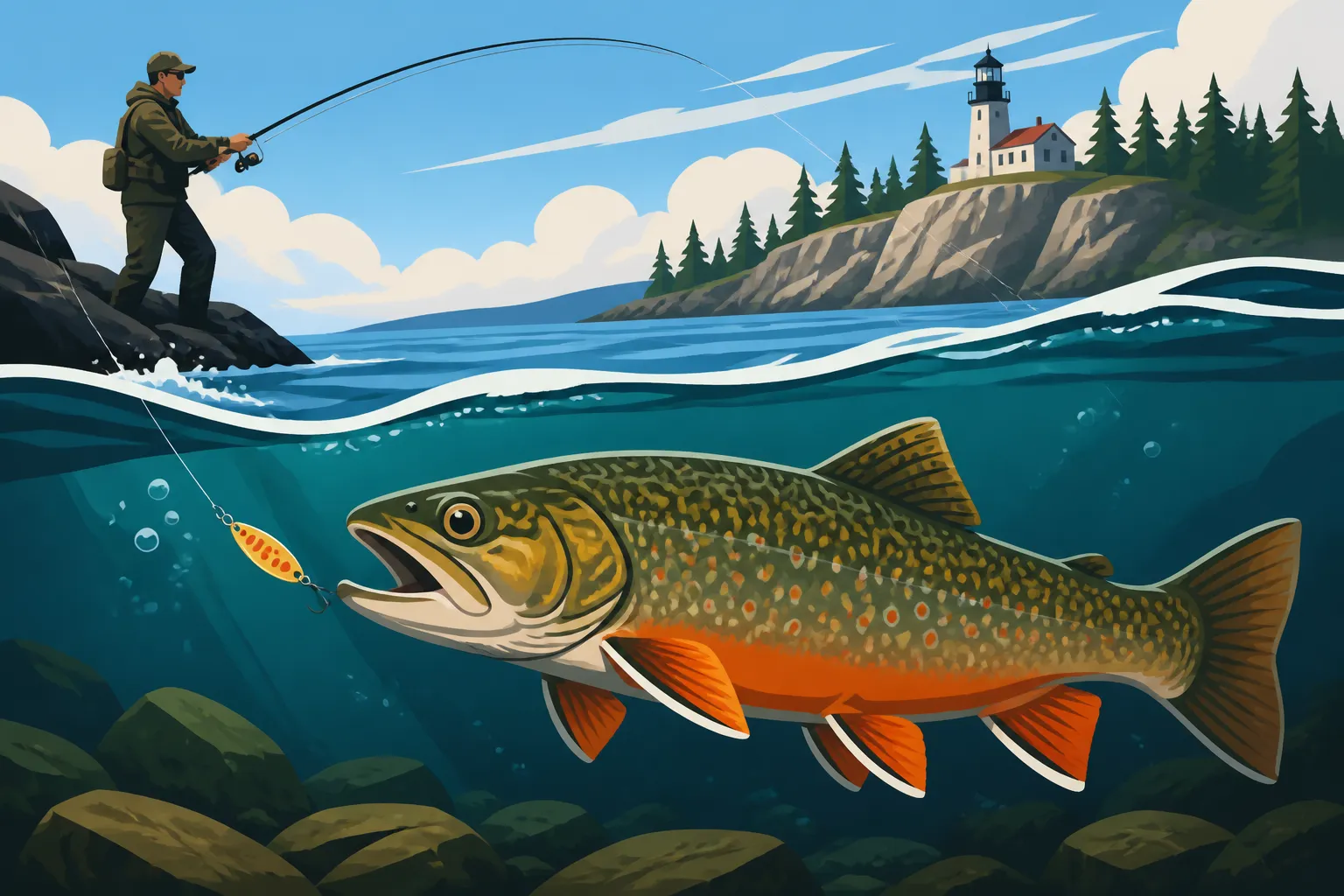
Lake Superior brook trout, often called "coasters" by seasoned anglers, are a sight to behold. They tend to be much larger and often more silvery than their stream-dwelling cousins, adapting to the open water environment. However, they still retain those classic brook trout markings that make them so distinctive. Look for the worm-like patterns, known as vermiculation, on their backs, often a rich olive green or brown. Their flanks can range from silvery-blue to bronze, adorned with scattered red spots (often with blue halos) and lighter yellow spots. Their lower fins, especially the pectoral, pelvic, and anal fins, will have a distinct white leading edge, followed by a black stripe and then a reddish-orange hue. This coloration is a dead giveaway.
These fish are true cold-water specialists, thriving in the oxygen-rich, frigid depths of Lake Superior. While they share genetic lineage with their stream counterparts, their life in the Great Lakes means they often grow to sizes that would be considered trophy-worthy in smaller waters, sometimes pushing several pounds. It's truly a special experience to connect with one of these robust fish. If you're curious to see how they stack up against other fish, check out our guide on Lake Superior Brook Trout Identification and Size.
Prime Habitats and Forage
Lake Superior brook trout primarily inhabit the nearshore areas, especially around rocky points, reefs, and the mouths of tributaries. They are particularly drawn to locations where cold, clean water flows in from rivers and streams, providing both a thermal refuge and a potential food source. Structure is key for these fish; they love hiding among submerged rocks, boulders, and along abrupt drop-offs where they can ambush prey.
Their diet in Lake Superior is diverse, reflecting the lake's abundant forage base. They'll readily feed on various small fish like smelt, ciscoes, and sculpins. You'll also find them munching on insect larvae, terrestrial insects that fall into the water, and small crustaceans. Understanding their menu helps you select the most effective lures and baits. During certain times of the year, particularly when baitfish schools are prevalent near shore, these brook trout will gorge themselves, building up significant mass.
Essential Gear and Tackle for Lake Superior Brook Trout
Having the right equipment can make all the difference when you're battling the elements and larger fish on Lake Superior. Don't skimp on quality; the lake can be unforgiving.
Rod, Reel, and Line Selection
For shore fishing or casting from a boat, a light to medium-light spinning rod, typically 6 to 7.5 feet in length, offers a good balance of sensitivity for detecting subtle bites and backbone for fighting stronger fish. The extra length helps with casting distance, which is often crucial for reaching productive waters from shore. Pair this with a reliable spinning reel in the 2000 to 2500 series. Look for a smooth drag system, as even a modest brook trout can put up a surprisingly strong fight.
If you're a fly angler, a 4 to 5-weight fly rod, about 9 feet long, is a versatile choice. It's delicate enough for presenting smaller flies but has enough power to cast streamers and handle the wind. A matching fly reel with a good disk drag is essential, spooled with a weight-forward floating line or a sink-tip line depending on the depth you're targeting.
When it comes to line, 4 to 6-pound test monofilament or fluorocarbon is generally sufficient for spinning setups. Fluorocarbon offers excellent abrasion resistance and low visibility, which can be a huge advantage in Lake Superior's typically clear waters. If you're planning on chasing larger specimens or fishing around particularly abrasive structure, you might consider bumping up to 8-pound test. For fly fishing, a standard fly line setup will work, but consider a strong leader, usually 4-6 pound test fluorocarbon, especially when fishing near rocky areas. Our comprehensive guide on Best Rods and Reels for Michigan Fishing offers more in-depth advice on selecting the right gear for various species.
Lures and Baits
Lake Superior brook trout can be quite aggressive, and they'll hit a variety of artificial lures. Here are some staples you should have in your tackle box:
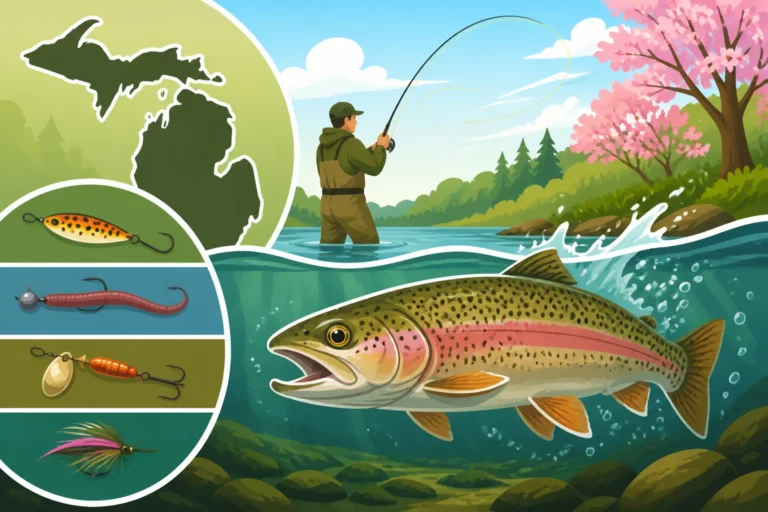
- Spinners: Classic in-line spinners like the Mepps Aglia or Comet, or Rooster Tails, in sizes #1 to #3, are incredibly effective. Colors like silver, gold, black, or those with bright orange or chartreuse accents often trigger strikes. Cast them out and retrieve steadily, varying your speed until you find what the fish prefer.
- Spoons: Small casting spoons are deadly, especially when you need to cover water or cast a long distance. Favorites include the Little Cleo, Krocodile, or Dardevle in silver, gold, or hammered finishes, sometimes with a touch of red or orange. These mimic baitfish perfectly and have an enticing wobble on the retrieve.
- Small Crankbaits: Floating or suspending crankbaits that dive a few feet can be very productive. Rapala Countdown series or Husky Jerks are excellent choices. Look for natural baitfish patterns like perch, minnow, or smelt. These are great for twitching and pausing to imitate an injured baitfish.
- Flies: For fly anglers, streamers that imitate baitfish are paramount. Clouser Minnows, Woolly Buggers, and Zonkers in various sizes and colors (white, olive, black) are highly recommended. During insect hatches, especially near tributary mouths, nymphs and even dry flies can be effective. Remember to check local regulations concerning what constitutes an artificial lure, as some areas have specific rules that you can learn more about in our guide on What Counts as an Artificial Lure Under Michigan's Trout Rules.
- Natural Bait: While many anglers prefer artificials, live minnows (where legal) or even worms can be irresistible to brook trout, especially when fished under a float or on a light bottom rig. Always verify bait regulations with the latest Michigan fishing regulations.
Many of these lures can be found readily available on platforms like Amazon, making it easy to stock up before your trip. Don't be afraid to experiment with colors and retrieves until you discover what the fish are keying in on that particular day.
Techniques for Success
Whether you're casting from shore or cruising in a boat, your approach needs to be adapted to the vastness and clarity of Lake Superior.
Shore Fishing and Wading Strategies
Shore fishing for brook trout on Lake Superior often means targeting the mouths of rivers and streams, rocky points, and sheltered bays with good structure. These areas provide the cold water and food sources that brook trout seek.
- Scouting and Access: Look for public access points along the shore, often near state parks or national forests. Areas with deeper water close to shore, or where rivers empty into the lake, are prime spots. The Keweenaw Peninsula, for instance, offers numerous rocky shorelines and tributary mouths that can be productive. While this guide focuses on Lake Superior, many principles apply across the Great Lakes, so you might find some useful tips in our Best Shore Fishing Spots on Lake Michigan article that can be adapted.
- Casting and Retrieval: Long casts are often necessary to reach deeper water or distant structure. Use a steady retrieve for spinners and spoons, varying the speed and adding an occasional twitch or pause to make the lure appear more lifelike. For crankbaits, a retrieve that mimics an injured baitfish – crank, pause, twitch – can be deadly.
- Stealth and Timing: Lake Superior water is famously clear, so a stealthy approach is vital. Avoid wearing bright clothing, and move slowly and quietly along the shore. The best times are often dawn, dusk, or on overcast days when the light penetration is reduced, and fish are more actively feeding near the surface. Post-front conditions with a light chop on the water can also be fantastic, as the chop breaks up the light and provides cover for feeding fish.
Boat and Kayak Fishing Approaches
Fishing from a boat or kayak gives you access to more extensive areas and the ability to cover more water.
- Trolling: This is a highly effective method for covering ground and finding active brook trout. Shallow trolling, typically within 50-100 yards of the shoreline, along rocky ledges, or near river mouths, can be very productive. Use small crankbaits or spoons, often with a small amount of weight or a diving planner to get them to the desired depth, usually 5-15 feet. Vary your speed between 1.5 and 2.5 mph until you find what works. For wider coverage, consider using small planer boards to spread out your lines.
- Casting from a Boat: Positioning your boat to cast towards rocky shorelines, submerged reefs, or other structure allows for precise presentations. Anchor upwind or upstream of a promising spot and cast spinners, spoons, or crankbaits into the strike zone. This is particularly effective when you've located a concentration of fish.
- Kayak Fishing: Kayaks offer a quiet, stealthy way to access tight shorelines and shallower areas that larger boats can't reach. They are perfect for hugging rocky points and working the mouths of smaller creeks. Just remember that Lake Superior can change moods rapidly, so safety is paramount. Always check weather forecasts, wear a PFD, and be prepared for cold water conditions. Our guide on Kayak Fishing in Michigan provides excellent safety tips and advice for this increasingly popular method.
Remember, safety on Lake Superior cannot be overstressed. The water is cold, and conditions can change in a heartbeat. Always let someone know your float plan, carry appropriate safety gear, and wear your life jacket.
Timing and Regulations
Knowing when and where you can fish, and what you can keep, is just as important as knowing how to fish. Michigan's regulations are designed to protect these precious resources.
Best Seasons and Weather Conditions
For Lake Superior brook trout, spring and fall are generally considered the prime seasons.
- Spring (April-May): As ice melts, brook trout become active near shore, feeding on baitfish and insects. Water temperatures are still very cold, which brook trout love.
- Summer (June-August): While the surface water of Lake Superior can warm up in sheltered bays, the deeper nearshore areas remain cold. Early summer can still be productive, but as the summer progresses, brook trout may retreat to deeper, colder pockets or concentrate near cold tributary flows.
- Fall (September-October): This is another fantastic time. As air and water temperatures drop, brook trout become very active, often feeding heavily in preparation for winter. Many also stage near river mouths for their spawning runs, although Great Lakes brook trout are not as prominent as salmon or steelhead in these runs.
- Winter (Ice Fishing): While less common to specifically target brook trout through the ice, it's not impossible. If you’re ice fishing on smaller bays connected to Lake Superior, you might find them. However, most ice anglers focus on other species.
Weather-wise, overcast days with a light chop on the water often provide the best fishing. This helps break up the sunlight, making fish feel more secure and less wary, and can stir up baitfish. Avoid bright, sunny, calm days if possible, as the clear water makes brook trout extremely spooky. You can find more detailed information about various fishing seasons in our comprehensive guide to Michigan Fishing Season Dates and Rules, and understand that Great Lakes trout and salmon seasons often differ from inland waters, as discussed in Michigan's Great Lakes Year-Round Trout Season.
Michigan's Brook Trout Regulations for Lake Superior
Michigan has specific regulations for brook trout, especially in Lake Superior, to ensure their populations remain healthy. It is absolutely critical to consult the latest Michigan Department of Natural Resources (DNR) fishing guide before you head out. These regulations can change annually, so always double-check. You can usually find the most current information by reviewing the Michigan Fishing Regulations Digest PDF for 2026 (or the current year's version).
Key points to always verify include:
- Size Limits: Lake Superior often has a minimum size limit for brook trout. For example, some areas might have a 20-inch minimum size limit for brook trout caught in Lake Superior and its tributaries. It’s imperative to know this before you keep any fish. Understanding Lake Superior Brook Trout Size Limit is vital for compliance.
- Daily Possession Limits: There will be a set number of brook trout you can keep per day. This limit is often lower than for other species and can vary by water body. For instance, the Lake Superior Brook Trout Daily Limit might be different from the general trout limit for inland waters.
- Gear Restrictions: While generally not an issue for typical rod and reel fishing, always be aware of any special lure or bait restrictions, particularly near tributary mouths or in designated "flies-only" or "artificials-only" stretches.
- Catch-and-Release: Many anglers targeting these unique Lake Superior brook trout choose to practice catch-and-release, especially for the larger "coaster" specimens, to help preserve the fishery. If you do, handle the fish minimally, keep it in the water as much as possible, and revive it gently before release.
To avoid any confusion or potential fines, always carry a copy of the current regulations, or use the Michigan DNR Hunt Fish App on your phone. Ignorance of the law is never an excuse. Staying informed about Michigan Fishing Regulations Every Angler Should Know is a core part of responsible angling.
Here’s a quick overview of typical species-specific regulations to give you an idea, but always verify current rules:
| Species (Michigan) | Typical Minimum Size Limit (inches) | Typical Daily Possession Limit | Notes |
|---|---|---|---|
| Brook Trout (Lake Superior) | Varies, often 20 inches | Varies, often 1 fish | Special regulations apply, check specific zones |
| Walleye | 15 inches (statewide) | 5 fish | Some lakes have different limits |
| Smallmouth Bass | 14 inches | 5 fish (combined) | Seasonal closures apply |
| Yellow Perch | No minimum (statewide) | 25 fish | May have lower limits on specific lakes |
| Chinook/Coho Salmon | No minimum | 5 fish (combined trout/salmon) |
Note: The table above provides general examples. Always consult the current Michigan Fishing Regulations Digest for precise, up-to-date information for your specific fishing location and time of year. Specific zones on Lake Superior might have unique rules for brook trout. You can find details on overall limits in our guide on Michigan Daily Bag Limits by Species.
Disclaimer
Fishing regulations and conditions in Michigan can change frequently. Always consult the latest Michigan Department of Natural Resources (DNR) fishing guide or website for the most current rules and advisories before heading out. This content is for informational purposes only and should not be considered a substitute for official DNR publications.