Best Inland Lake for Muskellunge Fishing in Michigan
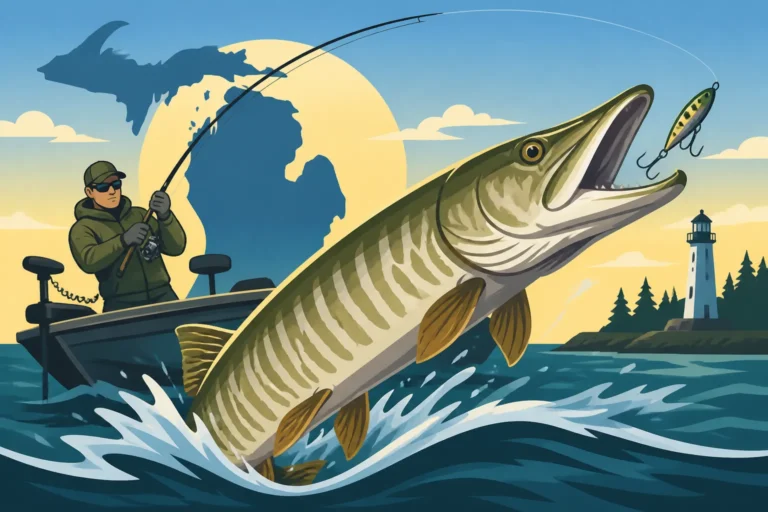
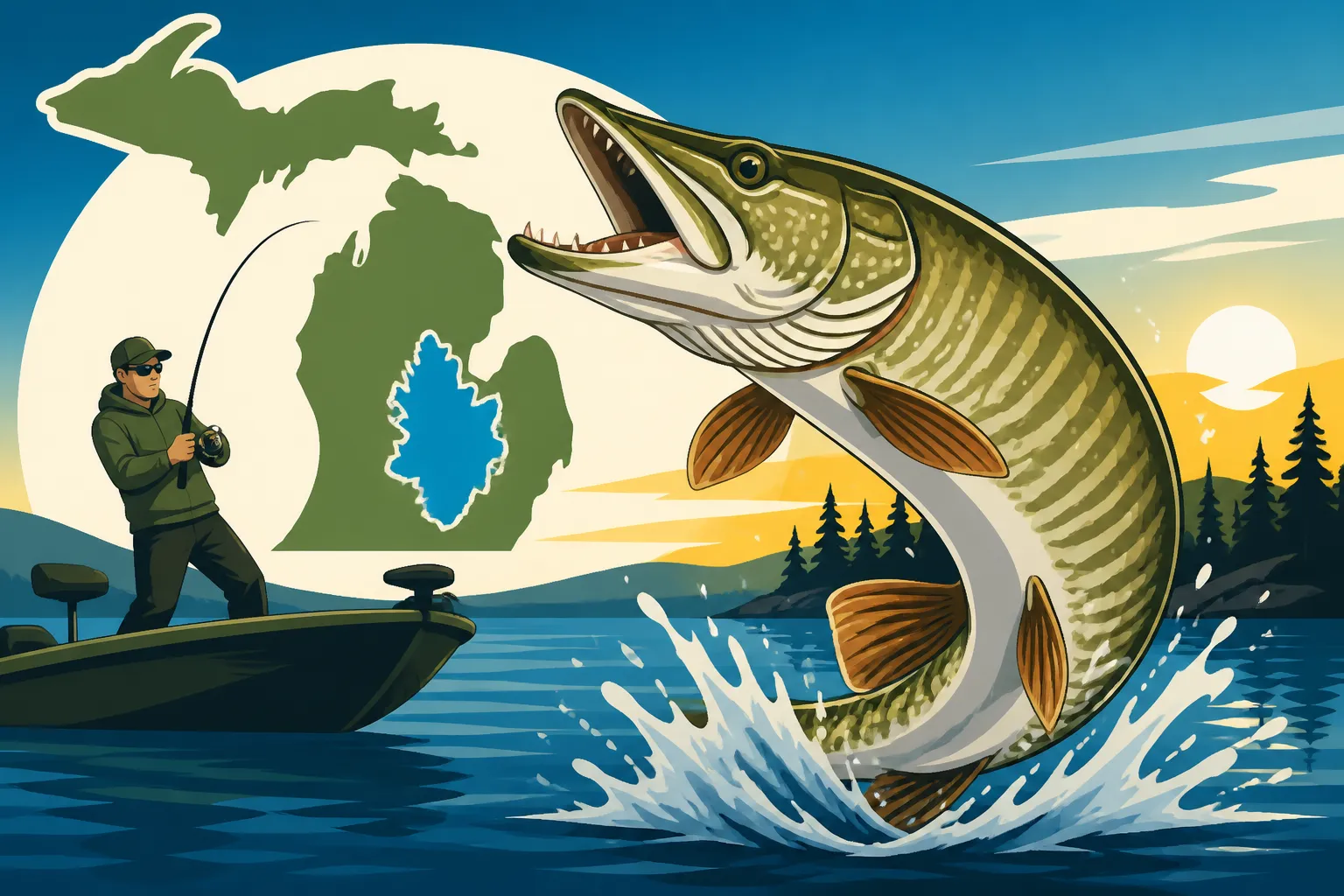
Trying to hook into a true freshwater giant like a muskellunge in Michigan can feel like searching for a needle in a haystack, especially when you're dreaming of those secluded inland lake battles away from the vastness of the Great Lakes. Many anglers get frustrated wondering where to even begin, sifting through general fishing reports that don't quite hit the mark for these elusive beasts. This guide is here to cut through the noise, revealing the absolute best inland lakes in Michigan for targeting muskies and giving you the insider tips to make your next trip a roaring success.
Identifying Prime Muskellunge Waters in Michigan
Michigan is renowned for its diverse fishery, but when it comes to muskellunge, certain inland lakes truly stand out. These aren't just any lakes; they are specially managed and possess the unique characteristics necessary to sustain a healthy population of these apex predators. Anglers often spend years trying to uncover these hidden gems, only to find that the keys lie in understanding habitat, forage, and dedicated stocking programs.
Key Characteristics of Top Muskie Lakes
What makes an inland lake a muskie hotspot? It's a combination of several factors that create the perfect environment for these powerful fish to thrive and grow to impressive sizes. Without these ingredients, a lake might hold a few muskies, but it won't be a consistent producer of trophy-class fish.
First and foremost, a prime muskie lake needs ample forage. Muskellunge are voracious eaters, and they require a steady supply of smaller fish like ciscoes, suckers, perch, and even substantial panfish to reach their maximum growth potential. Lakes with healthy baitfish populations mean healthier, larger muskies. Without this robust food base, muskies would struggle to gain weight and reach those coveted 50-inch marks. Imagine trying to grow a giant without enough food – it's simply not possible.
Secondly, structural diversity is paramount. Muskies are ambush predators, and they love to hide and wait for their prey. This means deep weed lines, submerged timber, rock piles, sudden depth changes, and expansive flats are all crucial. Lakes with varied bottom contours and plenty of cover provide excellent hunting grounds and crucial refuge areas. A featureless bowl of a lake is rarely a muskie producer; they need complexity.
Water clarity and temperature also play significant roles. While muskies can tolerate a range of conditions, optimal water quality contributes to a more productive fishery. Moderate clarity allows for effective ambush hunting, and the right temperature ranges throughout the year support their metabolism and growth. Michigan's inland lakes generally provide these conditions, particularly in the northern half of the Lower Peninsula and throughout the Upper Peninsula.
Finally, a lake's size and depth contribute significantly. While muskies can be found in smaller waters, larger lakes with deeper basins offer more expansive territory, temperature stability, and more diverse habitats, allowing for greater population numbers and larger individual fish. It's often easier for a large muskie to find a comfortable home and enough food in a sprawling lake than in a tiny pond.
Top Inland Lakes for Muskellunge Fishing
While Michigan boasts many lakes, a few truly shine when it comes to inland muskellunge fishing, often due to dedicated stocking efforts by the Michigan Department of Natural Resources (DNR) and proactive habitat management. These lakes often have specific regulations tailored to protect and enhance their muskie populations, which is something you'll want to review in the Michigan Fishing Regulations Every Angler Should Know.
One of the most talked-about inland muskie lakes is Lake Hudson in Lenawee County. This 1,100-acre lake in the southern Lower Peninsula is relatively deep and known for its excellent muskellunge fishery, often producing fish in the 40-50 inch range. Lake Hudson is particularly noteworthy because it consistently maintains a 50-inch minimum size limit for muskellunge, which is higher than the statewide 42-inch minimum. This regulation helps ensure that only truly mature, trophy-sized fish are harvested, allowing younger fish to grow. Anglers here often target the extensive weed lines and submerged timber, which provide ideal ambush points. The lake also has good populations of gizzard shad, a prime forage species for growing big muskies.
Another fantastic option is Thornapple Lake in Barry County, near Hastings. This larger inland lake, covering over 1,500 acres, is part of the Thornapple River system and has a well-established muskie population. While perhaps not as famous for its giants as Lake Hudson, it offers consistent action for respectable muskies. Like many good muskie lakes, Thornapple features diverse structures, including river channels, deep holes, and expansive flats with submerged vegetation. Its connection to the river system can also lead to interesting dynamics with fish movement, especially during certain times of the year.
While primarily known for its lake sturgeon, Black Lake in Cheboygan and Presque Isle counties also holds a respectable population of muskellunge. As one of Michigan's largest inland lakes, spanning over 10,000 acres, Black Lake offers vast opportunities for muskie hunters. Its immense size means diverse habitat, from shallow bays to deeper open water, and a robust forage base. Fishing here can be more challenging due to the sheer size, but the rewards can be significant. Black Lake also has a history of producing truly massive fish, reinforcing its potential for trophy muskie.
It's also worth noting that while Lake St. Clair is technically part of the Great Lakes system, it's often considered an honorary "inland sea" by many anglers due to its shallow, bowl-like characteristics and phenomenal muskellunge fishery. It consistently produces some of the largest muskies in the world and should not be overlooked if you're targeting true giants. However, for the purposes of strictly inland fishing, focus on gems like Lake Hudson and Thornapple.
Here's a quick look at some of these fantastic muskie waters:
| Lake Name | County | Size (Acres) | Max Depth (Feet) | Key Features for Muskie | Typical Muskie Size | Primary Regulations |
|---|---|---|---|---|---|---|
| Lake Hudson | Lenawee | 1,100 | 30 | Extensive weed lines, submerged timber, shad | 40-50+ inches | 50-inch minimum size limit |
| Thornapple Lake | Barry | 1,500+ | 30 | River channel, deep holes, diverse vegetation | 36-48 inches | 42-inch minimum size limit |
| Black Lake | Cheboygan/Presque Isle | 10,130 | 50 | Vast open water, shallow bays, diverse structure | 40-55+ inches | 42-inch minimum size limit (check specific) |
Remember, these are just a few of the top contenders. Many other inland lakes, often smaller and more localized, also hold quality muskie populations, but they might require more local knowledge or guide assistance to uncover. If you're looking for expert help or want to explore lesser-known waters with a seasoned veteran, platforms like FishingBooker can help connect you with local muskie guides who specialize in these challenging fisheries.
Essential Techniques for Inland Lake Muskellunge
Muskellunge fishing is often called the "sport of a thousand casts" for a reason. These fish are notoriously difficult to entice, requiring patience, persistence, and specialized techniques. Unlike many other species, muskie fishing isn't just about finding them; it's about making them commit.
Trolling and Casting Strategies
When fishing for muskellunge in Michigan's inland lakes, you'll generally employ two primary strategies: trolling and casting. Both have their time and place, and successful anglers often use a combination of the two depending on the conditions and the specific lake they are fishing.
Casting is a highly active and engaging way to target muskies. This involves throwing large artificial lures – often referred to as "muskie baits" – to cover, structure, or along weed lines. Common lures include oversized bucktails, large spinnerbaits, jerkbaits, glide baits, and topwater lures. The key here is to use heavy-duty gear to handle both the large lures and the powerful fight of a muskie. You'll need a stout baitcasting rod, a robust reel with a strong drag, and heavy braided line, typically 80-100 pound test, followed by a heavy fluorocarbon or wire leader to prevent bite-offs.
When casting, focus on known muskie holding areas: the edges of deep weed beds, submerged points, rock reefs, and around fallen timber. A critical part of casting for muskie is the "figure-eight" maneuver at the side of the boat. As your lure approaches the boat, don't just reel it in. Instead, plunge your rod tip into the water and make a wide figure-eight pattern with your lure. Muskies often follow a lure right to the boat, and this maneuver can trigger a strike from a hesitant fish that was just inspecting your bait. This is a game-changer and has saved countless potential strikes.
Trolling is often employed on larger inland lakes like Black Lake, especially when targeting suspended fish in open water or covering extensive areas more efficiently. Trolling allows you to present multiple large baits at specific depths for extended periods. This technique is particularly effective during the summer months when muskies might be roaming deeper, cooler waters. You'll use similar heavy gear as casting, but often with specialized trolling rods that have a softer tip to absorb the shock of a strike and stout backbone to fight the fish.
When trolling, consider using large crankbaits, swimbaits, or even larger bucktails pulled behind planer boards to spread your lines out and cover a wider swath of water. Pay close attention to your boat speed, typically between 3-6 mph, and experiment with different lure depths until you find what the fish are reacting to. Using a reliable fish finder can help identify baitfish schools and potential muskie holding structure in the open water. Platforms like FishingBooker can sometimes help you find local charter services that offer trolling trips for muskies, providing access to specialized equipment and local knowledge.
Understanding Muskellunge Behavior
To consistently catch muskies, you need to think like a muskie. Understanding their seasonal patterns, feeding habits, and preferred habitats throughout the year is crucial. They are creatures of habit but can be incredibly unpredictable.
Spring (Post-Spawn): After the ice thaws and water temperatures begin to rise, muskies will finish their spawning ritual, typically in shallow, vegetated bays. In early spring, they will be recovering and can often be found near these spawning grounds or moving to nearby shallow feeding flats. They can be very aggressive as they try to regain energy. Focus on warmer, shallower areas with emerging vegetation.
Summer: As waters warm further, muskies will establish their summer patterns. In many inland lakes, this means relating to deeper weed lines, cooler thermoclines, or cruising open water in search of schools of pelagic baitfish like ciscoes. This is a prime time for both deep casting along weed edges and aggressive trolling in open water. Early mornings and late evenings often offer the best bite, as muskies become more active during lower light conditions.
Fall: This is widely considered the best time to catch trophy muskellunge in Michigan. As water temperatures drop, muskies enter an intense feeding frenzy, trying to pack on weight for the upcoming winter. They become incredibly aggressive and will often move to shallower water or distinct structural elements where baitfish are congregating. Large, slow-moving baits like glide baits, large crankbaits, and even dead baits are often effective. This is when the "giants" are most vulnerable and active. For more insights on the best timing, check out our guide on Michigan Muskellunge Fishing: Best Time of Year.
Regardless of the season, muskies are ambush predators. They typically hide near cover or structure, waiting for an unsuspecting meal to swim by. They often patrol specific "laps" or circuits around prime ambush points. Learning these patterns on a particular lake through observation or local knowledge can significantly increase your success.
Planning Your Michigan Muskellunge Adventure
A successful muskie trip requires more than just knowing where to go and what techniques to use; it also demands careful preparation regarding gear, boat setup, and, most importantly, understanding and adhering to Michigan's specific fishing regulations. Muskies are a highly regulated species to ensure their long-term health and provide sustainable fishing opportunities.
Gear and Boat Considerations
Muskellunge fishing is not for the faint of heart, nor for light tackle. You need robust equipment that can withstand powerful strikes and prolonged battles with fish that often exceed 40 pounds.
Rods and Reels: For casting, a heavy or extra-heavy power baitcasting rod, typically 8-9 feet long, is standard. This length provides the leverage needed to cast massive lures and control a big fish. Pair this with a high-quality baitcasting reel with a robust drag system and a fast gear ratio for quickly taking up slack line and controlling the fish. Brands like Shimano, Daiwa, or Abu Garcia are popular among muskie anglers for their durability and performance. For trolling, similar heavy-action rods, often slightly shorter, are used, capable of handling the strain of large diving baits.
Line and Leaders: Spool your reels with 80-100 pound braided line. The no-stretch nature of braid is crucial for setting hooks firmly into a muskie's bony mouth and provides the strength needed to manage the fish. Due to their razor-sharp teeth, a heavy-duty leader is absolutely non-negotiable. Use a 130-150 pound fluorocarbon leader (around 18-24 inches long) or a solid wire leader. Never skimp on leader material; it's the last line of defense against a break-off. Learn more about the specific needs in our guide on Best Tackle Box Setup for Muskellunge.
Lures: As mentioned, bucktails, spinnerbaits, jerkbaits, glide baits, and large crankbaits are staples. Ensure your lures are of high quality with strong hooks that won't straighten out under pressure. The size of these lures can be intimidating – think 8-15 inches long, sometimes even larger. Colors often depend on water clarity and light conditions, but natural patterns, bright colors for stained water, and dark silhouettes for clear water are good starting points. If you're looking for recommendations, our guide on Best Lures for Muskellunge offers detailed advice.
Landing Gear: A proper muskie net is essential for safely landing and handling these large fish. It should have a large hoop (at least 40 inches wide) and a deep, rubberized, tangle-free net bag to protect the fish's slime coat and fins. Also, long-nose pliers, bolt cutters (for cutting hooks if deeply embedded, to save the fish), and a jaw spreader are critical tools for safe release.
Boats: A stable boat is key for muskie fishing. Many anglers use larger fiberglass or aluminum boats with powerful outboard motors, especially for covering vast inland lakes or for effective trolling. A good trolling motor with GPS Spot-Lock capabilities is also invaluable for precise boat control when casting to structure or holding over prime areas. Ensure your boat is properly registered and complies with all Michigan boating laws for anglers.
Regulations and Reporting Requirements
Michigan has strict and vital regulations in place to protect its muskellunge fishery, which is recovering and thriving thanks to these measures. It's not just about getting your Michigan Fishing License Guide for Residents and Nonresidents; it's about understanding the nuances of muskie-specific rules.
Licensing: First things first, you need a valid Michigan fishing license. Whether you're a resident or a nonresident, this is your entry ticket to the state's waters.
Size and Bag Limits: The statewide minimum size limit for muskellunge is 42 inches. However, as noted for Lake Hudson, some lakes have special regulations with higher minimums, such as 50 inches. Always check the current Michigan Fishing Regulations Digest for the specific lake you are fishing. The daily possession limit for muskellunge is very restrictive, typically one fish per year. This "one fish per year" rule is crucial for managing the population of these slow-growing fish. You can find more details in Michigan's One Muskellunge Per Year Rule and Michigan Muskellunge Daily Catch Limit.
Catch-and-Release: Muskellunge are highly valued as a sportfish, and many anglers practice catch-and-release to preserve the fishery. If you do plan to release a muskie, it's paramount to handle it properly to maximize its survival chances. Minimize its time out of the water, support its body weight horizontally, and revive it carefully before release. Our guide on How to Catch and Release a Muskellunge provides in-depth instructions.
Harvest Reporting: If you are lucky enough to harvest a legal muskellunge, Michigan has a mandatory reporting requirement. You must register your catch within 24 hours of landing the fish. This data is critical for the DNR to monitor the health and population dynamics of the muskie fishery. Reporting can often be done online through the DNR's website or via their Hunt Fish App. Make sure you understand the Michigan Muskellunge Harvest Reporting Rules before you head out.
By respecting these regulations and practicing responsible angling, you're not just increasing your chances of a memorable muskie encounter; you're contributing to the conservation of this incredible species for future generations of Michigan anglers.
Disclaimer
Fishing laws and regulations can change frequently. While we strive to provide the most up-to-date information, it is always the angler's responsibility to consult the official Michigan Department of Natural Resources (DNR) fishing guide or website for the most current and accurate regulations before heading out on any fishing trip. This guide is for informational purposes only and should not be considered a substitute for official legal documents.