Which Michigan Lakes Have Walleye Size Limit Exceptions
Navigating Michigan's fishing regulations can feel like trying to solve a complicated puzzle, especially when you're just eager to get your line in the water. One of the trickiest parts for many anglers is keeping track of walleye size limits, which aren't always a straightforward statewide rule. This guide is here to untangle that knot, walking you through the common walleye regulations and, more importantly, shedding light on which Michigan lakes have specific size limit exceptions you absolutely need to know before your next outing.
Understanding Michigan's General Walleye Regulations
Before we dive into the nitty-gritty of exceptions, let's firmly establish the baseline. The Michigan Department of Natural Resources (DNR) sets general rules for walleye across much of the state, but these are often modified to suit the unique characteristics of individual lakes and river systems. It’s easy to get caught off guard if you assume a "one size fits all" approach, which many seasoned anglers have learned the hard way.
Statewide Minimum Size Limits
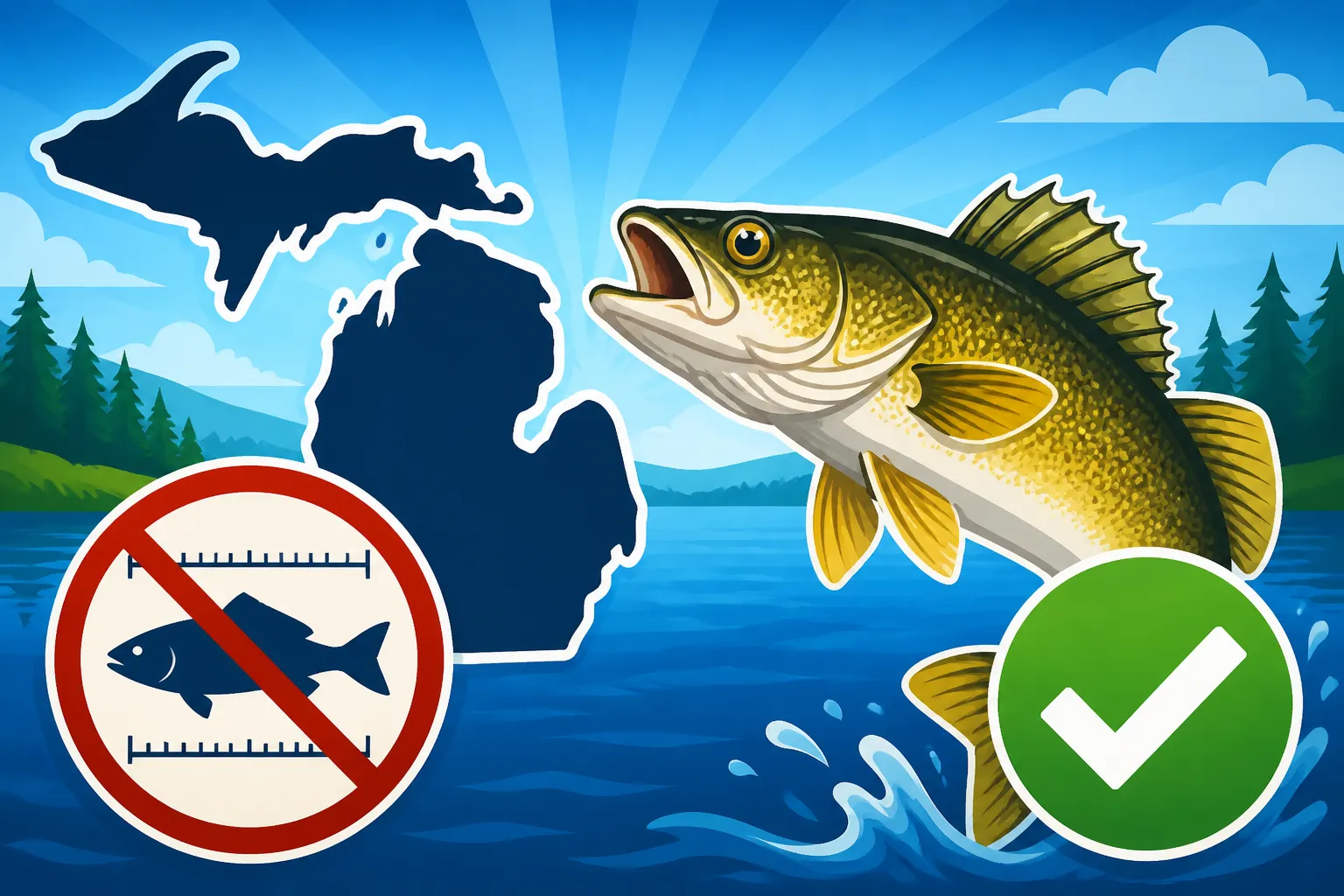
For most of Michigan's vast waters, the standard walleye rule is a 15-inch minimum size limit. This means any walleye you catch that measures less than 15 inches from the tip of its snout to the end of its tail, even if it's just a hair under, must be immediately released back into the water. This regulation is primarily in place to protect juvenile fish, allowing them to grow to a size where they can reproduce at least once, contributing to the overall health and sustainability of the walleye population. It can be frustrating, especially when you're consistently catching fish that are almost legal, but it's a vital part of managing this prized species. Many anglers carry a sturdy, easy-to-read measuring board or tape measure – you can find reliable options on Amazon – to ensure they’re always in compliance.
On top of the minimum size, there's also a daily possession limit that applies to the vast majority of Michigan waters. Generally, anglers are allowed to keep five walleye per day. However, this number can also be part of the exceptions, so it's another detail to always double-check. For a more comprehensive overview of these baseline rules, check out our guide on Michigan Walleye Size and Possession Limits.
Protected Slot Limits
Beyond a simple minimum, many of Michigan's walleye fisheries also implement a "protected slot limit." The most common statewide protected slot is between 18 and 23 inches. This means that while you can keep fish under 18 inches (provided they meet the 15-inch minimum), and fish over 23 inches, any walleye caught within that 18-23 inch slot must be released immediately.
The purpose of a protected slot limit is often to safeguard the mature, larger breeding fish within a population. These larger individuals are typically the most prolific spawners, and by protecting them, the DNR aims to ensure a strong future generation of walleye. It's a testament to sound fisheries management, even if it occasionally means releasing a beautiful, healthy walleye that would make for an impressive photo! Always refer to the latest Michigan Fishing Regulations Digest PDF for 2026 for the most current information, as these things can and do change.
Navigating Specific Walleye Size Limit Exceptions in Michigan Lakes
Now, for the core of our discussion: those specific bodies of water that march to the beat of their own drum when it comes to walleye regulations. Michigan is vast, with thousands of lakes, and the walleye populations in each can vary greatly due to habitat, forage, fishing pressure, and stocking efforts. This diversity necessitates tailored management strategies, leading to these crucial exceptions. It's not uncommon for an angler to drive an hour north or south and find entirely different rules for the same species, which can be a real head-scratcher without proper research.
Northern Michigan Lake Exceptions
Michigan's Upper Peninsula and northern Lower Peninsula are renowned for their incredible walleye fishing, but they also host some of the most notable exceptions to standard regulations. These lakes are often expansive, deep, and home to unique walleye strains or ecosystems that require specialized rules.
-
Lake Gogebic (Upper Peninsula): This large, beautiful lake is a prime example. For many years, Lake Gogebic has had its own set of rules. While the minimum size limit for walleye might be consistent with the statewide 15 inches, its protected slot limit or daily possession limit can differ significantly. Anglers targeting Lake Gogebic often find that the daily bag limit is reduced, or the slot limit tweaked, to help manage what is a highly popular and productive fishery. Always consult the specific regulations for Lake Gogebic directly from the DNR’s annual fishing guide. It's one of the Best Upper Peninsula Lakes for Walleye, making precise knowledge of its rules essential.
-
Indian Lake (Upper Peninsula): Another significant walleye fishery in the Upper Peninsula, Indian Lake often sees unique regulations aimed at promoting a robust population. Historically, it has had specific minimum size requirements that might be higher than the statewide 15 inches, or it might implement a protected slot to allow its large broodstock to thrive. Anglers accustomed to other UP lakes might be surprised by a 17-inch minimum or a narrower slot.
-
Black Lake (Lower Peninsula – Northeast): Famous for its spring walleye run, Black Lake frequently has special regulations. These often pertain to the spring spearing season for sturgeon, but its walleye rules can also vary. Given its importance as a fishery, the DNR sometimes modifies the size and possession limits here to ensure sustained yield. It's a lake where catching a trophy walleye is a real possibility, but knowing the precise rules for that trophy is paramount.
-
Burt Lake and Mullett Lake (Lower Peninsula – Inland Waterway): Part of the famous Inland Waterway, these large northern Michigan lakes are interconnected and offer fantastic walleye opportunities. Their regulations are often harmonized. While they generally follow the statewide 15-inch minimum, specific bag limits or a protected slot might be in play to protect the breeding population or to manage fishing pressure in what are popular tourist destinations. For those exploring the whole Inland Waterway, understanding these specific nuances for Burt Lake and Mullett Lake Fishing in Michigan is key.
-
Torch Lake (Lower Peninsula – Northwest): While more famous for its crystal-clear waters and lake trout, Torch Lake also holds walleye. Its unique ecosystem sometimes leads to specific, albeit less publicized, regulations for walleye, ensuring the balance of its diverse fish community. Anglers frequently visit Torch Lake Fishing in Northern Michigan for a variety of species, so checking all regulations is a good habit.
Southern Michigan Lake Exceptions
While the northern parts of the state often steal the limelight for walleye, southern Michigan also boasts exceptional walleye fishing, particularly in its Great Lakes waters. These larger systems, with their vastness and connectivity, can also present specific regulatory considerations.
-
Lake Erie: Michigan's portion of Lake Erie is undeniably one of the premier walleye fisheries in the world. Due to its sheer productivity and shared management with Ohio, its walleye regulations are almost always unique. For instance, the daily possession limit is frequently higher than the inland five-fish limit, sometimes allowing for six or even more walleye per angler. The minimum size limit can also be adjusted based on population assessments and international agreements with neighboring states and Canada. When fishing Lake Erie, you can't rely on typical Michigan inland rules; you must consult the specific Lake Erie regulations, which are usually detailed in their own section of the fishing guide. This is a highly sought-after fishery, so being informed about its rules is non-negotiable for a successful trip.
-
Lake St. Clair: While predominantly famous for its smallmouth bass and muskellunge, Lake St. Clair also supports a healthy walleye population. Its unique characteristics as a shallow, productive Great Lakes connecting water body can sometimes lead to tailored walleye regulations, though often it adheres more closely to standard Great Lakes tributary rules. However, always verify, as local conditions or population trends can trigger changes.
Great Lakes Bay Exceptions
Some of the most critical walleye fisheries are large bays connected to the Great Lakes, which often function as distinct ecosystems requiring their own set of rules.
- Saginaw Bay (Lake Huron): Saginaw Bay is legendary for its walleye fishing. Its immense size, rich forage base, and importance as a spawning ground mean its walleye regulations are almost always distinct from general inland rules. Like Lake Erie, Saginaw Bay often has a higher daily possession limit for walleye (e.g., eight fish per day). The minimum size limit typically remains at 15 inches, but the sheer volume of fish and fishing pressure necessitates careful management. Anglers flock to Saginaw Bay, Michigan, Walleye Fishing on Lake Huron, and knowing its specific limits is part of the tradition. Missing these details could easily turn a fantastic fishing day into a frustrating encounter with a conservation officer.
Here’s a simplified table summarizing some common distinctions, but remember, always refer to the current Michigan Fishing Guide for definitive, up-to-the-minute regulations, as these can change annually.
| Water Body | Minimum Size Limit (inches) | Daily Possession Limit | Protected Slot (inches) | Notes |
|---|---|---|---|---|
| Most Inland Lakes | 15 | 5 | 18-23 (release) | Standard statewide rule. |
| Lake Erie | Varies (e.g., 15) | Varies (e.g., 6) | None or adjusted | Highly productive, often higher limits, check yearly. |
| Saginaw Bay | 15 | Varies (e.g., 8) | None or adjusted | Prime walleye fishery, often higher limits. |
| Lake Gogebic | Varies (e.g., 15 or 17) | Varies (e.g., 3-5) | Often adjusted | Specific management for unique population dynamics. |
| Indian Lake | Varies (e.g., 17) | Varies (e.g., 3-5) | Often adjusted | Tailored to protect and enhance local walleye stocks. |
| Black Lake | 15 | Varies (e.g., 5) | Check specific rules | Important fishery, rules may adjust seasonally or annually. |
| Burt/Mullett Lakes | 15 | 5 | Check specific rules | Inland Waterway, regulations often consistent but worth verifying. |
Why These Exceptions Exist and How to Stay Informed
It can feel overwhelming to keep track of all these different rules, especially when you're just trying to enjoy a day on the water. But there's a good reason behind the complexity, and with a little effort, staying informed is easier than you might think.
Biological and Management Reasons
The Michigan DNR doesn't just pull these numbers out of a hat; every regulation, especially the exceptions, is based on scientific research and sound fisheries management principles. The goal is always to balance angler opportunity with the long-term health and sustainability of the fish population.
- Population Dynamics: Some lakes have naturally healthier or more prolific walleye populations that can sustain higher harvest rates, leading to more generous bag limits (like in Lake Erie or Saginaw Bay). Other lakes might have slower-growing fish, less abundant populations, or specific genetic strains that require more restrictive measures like higher minimum size limits or reduced bag limits to protect the breeding stock and allow fish to reach a larger, more reproductive size.
- Forage Base: The type and abundance of prey fish available to walleye can influence their growth rates. Lakes with a rich and varied forage base might produce larger walleye faster, allowing for different management strategies.
- Spawning Success: Regulations are often designed to protect walleye during critical spawning periods or to ensure that a healthy number of mature fish are available to reproduce each year. For instance, a protected slot limit often targets the prime spawning-size fish, allowing them to contribute multiple times to future generations before becoming legal to keep.
- Angler Pressure: Highly popular fisheries, like those around Traverse City or the larger lakes of the Upper Peninsula, experience significant fishing pressure. Special regulations help to distribute the harvest and prevent overfishing, ensuring that everyone has a chance at a good catch year after year. This proactive approach helps avoid severe population declines that would necessitate even stricter rules in the future.
These detailed rules are a testament to the DNR's commitment to managing Michigan's incredible natural resources. Understanding the why can make the what much easier to accept and follow.
Essential Resources for Anglers
Given the dynamic nature of fishing regulations, relying on old information or hearsay is a recipe for trouble. The best way to stay compliant and maximize your fishing success is to use the official resources available.
- Michigan Fishing Regulations Digest: This is your bible! The DNR publishes a comprehensive digest annually, usually in late March or early April, coinciding with the start of Michigan's fishing license year. It outlines all statewide rules, and crucially, dedicates sections to specific water bodies with their exceptions. You can find a physical copy at virtually any bait shop, sporting goods store like Cabela's or Dick's Sporting Goods, or even places like Walmart that sell fishing licenses. The digital version, the Michigan Fishing Regulations Digest PDF for 2026, is available for free download on the DNR website. It's truly the most authoritative source. I always recommend having a digital copy saved on your phone, and if you’re old-school like me, a physical one tucked into your tackle box.
- DNR Hunt Fish App: In this digital age, Michigan has made it incredibly convenient to access regulations and other vital information through the Michigan DNR Hunt Fish App for Licenses and Reporting. This free app, available for both iOS and Android, allows you to purchase licenses, check regulations, view harvest reporting details, and even find local DNR customer service centers. It’s an invaluable tool for on-the-go anglers, ensuring you have the latest rules right in your pocket.
- Local Bait Shops and Charters: Don't underestimate the wisdom of local experts! Bait shop owners and charter boat captains are often the first to know about subtle changes or local nuances in regulations. They live and breathe Michigan fishing and can offer invaluable advice. If you're planning a trip to a new lake, a quick call to a local bait shop can save you a lot of guesswork. They often have little tips and tricks too, not just about the rules, but about what's biting.
- DNR Website: The official Michigan DNR website (Michigan.gov/DNR) is a treasure trove of information. Beyond the regulations digest, you can find fishing reports, stocking information, public access points, and specific details about individual water bodies. For example, if you’re heading to the Houghton Lake Fishing Guide: Michigan's Largest Inland Lake, you can find specific details for that body of water there.
Always make it a habit to check the current regulations before each fishing trip, especially if you're venturing to a new body of water or if a new fishing season is beginning. The slight inconvenience of a quick check pales in comparison to the disappointment of a citation or, worse, unknowingly harming a precious fish population. Your diligence helps ensure that Michigan's incredible walleye fisheries remain vibrant for generations to come.
Disclaimer
Please note that fishing regulations can change. The information provided in this guide is for general informational purposes only and is based on typical regulations at the time of writing. It is the angler's responsibility to consult the most current Michigan Department of Natural Resources (DNR) Fishing Guide and local regulations before fishing. Always verify specific rules for the body of water you intend to fish.