Michigan Walleye Daily Possession Limit
There's nothing quite as frustrating as landing a beautiful walleye, only to wonder if you're actually allowed to keep it. The world of fishing regulations, especially when it comes to beloved species like walleye, can feel like a labyrinth of numbers, dates, and confusing exceptions. This comprehensive guide is here to untangle the specifics of Michigan's walleye daily possession limits, ensuring you can enjoy your time on the water with confidence and compliance.
Understanding the Statewide Walleye Daily Possession Limit
Michigan's commitment to preserving its natural resources while providing fantastic fishing opportunities means that regulations are carefully crafted. For walleye, one of the most sought-after game fish in the state, these rules are crucial for maintaining healthy populations.
The General Rule for Most Michigan Waters
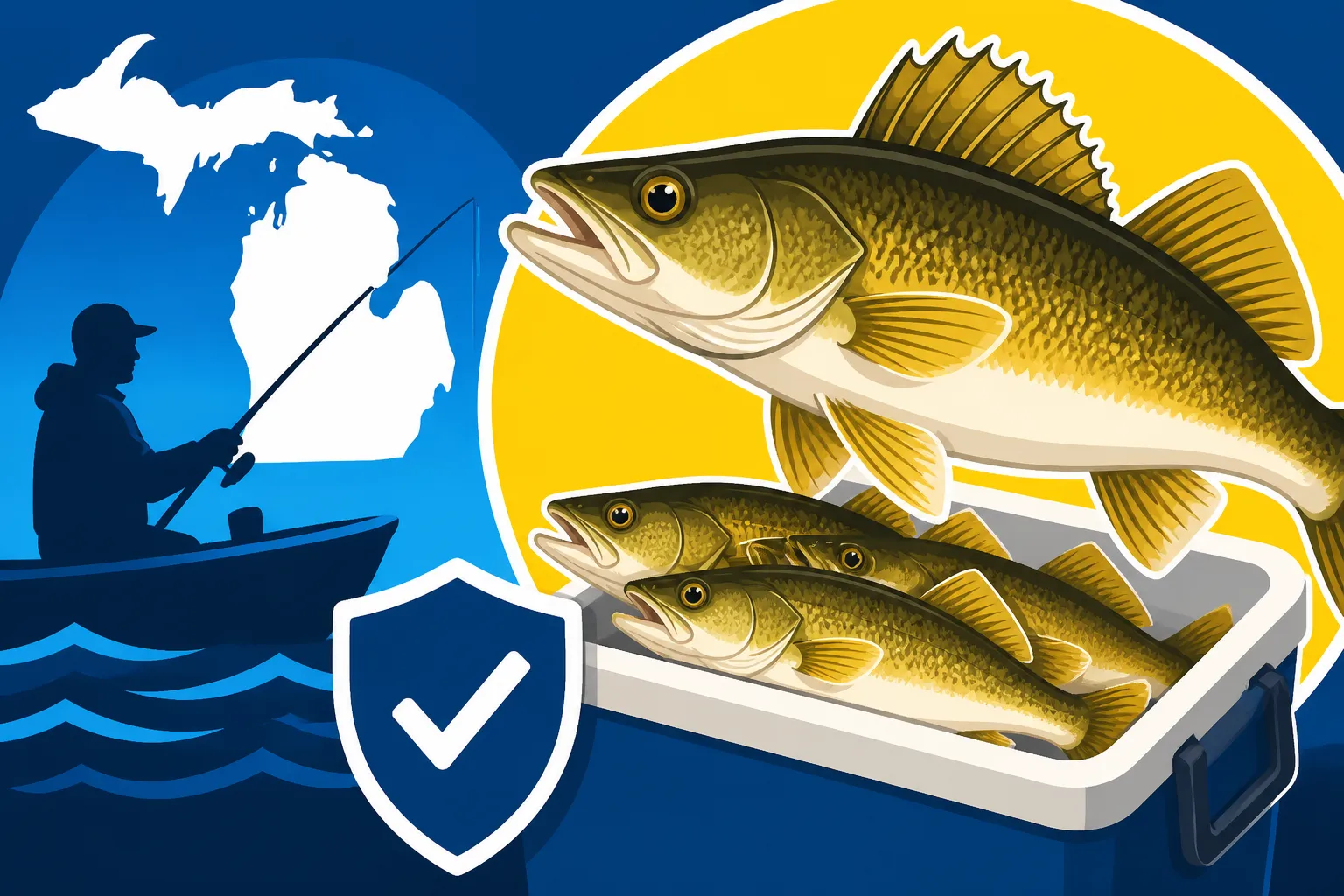
Across the vast majority of Michigan's inland lakes and rivers, and even many parts of its Great Lakes waters, the daily possession limit for walleye is fairly consistent: five walleye per angler, per day. This number might seem straightforward, but it's important to understand what "daily possession limit" truly encompasses. It's not just about the fish you've caught and put in your livewell while you're actively fishing. This limit also applies to any walleye you have in your possession while returning from a fishing trip, or that are in transit to your home, cabin, or a fish processor. Each individual angler who is licensed to fish for walleye, and who is actively participating, can keep up to five legal-sized walleye.
This standard limit is the baseline, and it's the rule you should commit to memory as your starting point. However, as with many things in fishing, there are nuances and exceptions that savvy anglers need to be aware of. To ensure you're always fishing legally, it’s vital to have a clear understanding of your responsibilities, starting with obtaining the proper credentials. You can learn more about what you need to hit the water by checking out our guide on the Michigan Fishing License Guide for Residents and Nonresidents.
Why Walleye Limits Are in Place
These seemingly strict limits aren't arbitrary; they are the result of extensive biological research and management efforts by the Michigan Department of Natural Resources (DNR). Walleye populations, while robust in many areas, can be sensitive to overfishing, especially in smaller inland lakes where reproduction might be slower. The "five walleye" rule helps ensure that enough fish survive to spawn and replenish the population, guaranteeing that future generations of anglers will also have the opportunity to experience the thrill of catching this delicious species.
The DNR constantly monitors walleye populations through surveys, creel censuses (asking anglers what they caught), and habitat assessments. This data informs their decisions on bag limits, size limits, and season dates. It's a delicate balance of providing ample recreational opportunities while safeguarding the ecological health of Michigan's aquatic ecosystems. Adhering to these regulations is a direct contribution to sustainable fishing in our beautiful state. If you’re curious about the broader regulatory landscape, a deeper dive into Michigan Fishing Regulations Every Angler Should Know can provide valuable context.
Navigating Specific Waterbody Exceptions and Special Regulations
While the statewide limit provides a good starting point, Michigan is a diverse fishing destination, and some of its most productive walleye waters come with their own specific rules. Ignoring these exceptions can lead to hefty fines and a spoiled fishing trip, so paying close attention to local regulations is paramount.
Great Lakes and Connecting Waters Differences
Some of Michigan's premier walleye fisheries are found within the Great Lakes and their connecting rivers, and these waters often have special provisions. A prime example is Lake Erie, which is renowned for its incredible walleye numbers. Historically, and sometimes seasonally, Lake Erie's Michigan waters might have a different daily possession limit or specific regulations compared to inland waters, often allowing for a higher number of fish due to its immense productivity. However, these specific regulations can fluctuate.
Another significant walleye hotspot is Saginaw Bay, a large, shallow arm of Lake Huron. While it often adheres to the statewide limit, anglers always need to double-check the current year's fishing guide, as specific zones or times might have unique rules. The St. Clair River and Detroit River, which connect Lake Huron and Lake Erie, are also famous walleye havens and often fall under the broader Great Lakes regulations or have their own nuances, particularly regarding interstate boundary waters. For comprehensive details on fishing these expansive waters, our Michigan Great Lakes Fishing Regulations Guide is an invaluable resource.
Inland Lake Special Regulations
It's easy to assume that all inland lakes follow the standard five-walleye limit, but that's a mistake many anglers learn the hard way. The Michigan DNR implements special regulations on numerous inland lakes to address specific biological or management goals. For instance, a smaller, shallower lake known for slow-growing walleye might have a more restrictive limit, perhaps three walleye per day, to protect its more vulnerable population. Conversely, a large, productive inland lake might sustain the statewide limit without issue.
These localized rules are typically found in the "Exceptions to General Regulations" section of the Michigan Fishing Guide and are usually listed by county and lake name. You might find a lake like Long Lake in Grand Traverse County has a 15-inch minimum size limit but allows the statewide 5 walleye. However, a less productive lake elsewhere could enforce a 15-inch minimum and a daily limit of only 3 walleye. It's always a good idea to research your specific destination before you launch your boat or cast your line.
Size Limits and How They Affect Possession
The daily possession limit is only one piece of the puzzle; size limits are equally critical. For walleye across most of Michigan, there's a 15-inch minimum size limit. This means that any walleye shorter than 15 inches must be immediately released unharmed. You can possess five walleye, but they all must be 15 inches or longer.
Beyond the minimum, some waters might also impose a "protected slot limit." This regulation means that walleye within a specific size range (e.g., between 18 and 23 inches) cannot be kept, even if they exceed the minimum size. The idea behind slot limits is to protect large, mature breeding fish to enhance spawning success, while still allowing anglers to keep smaller, more numerous fish.
Proper measurement is crucial. Always measure your fish from the tip of the snout to the furthest tip of the tail, with the fish lying flat. A reliable fish measuring board, easily found on Amazon, is an essential tool for any walleye angler. Remember, if a fish is even a fraction of an inch under the minimum or within a protected slot, it must go back. It's truly a matter of checking both Michigan Walleye 15-Inch Minimum Size Limit and the daily bag limits to ensure full compliance. For a quick overview of statewide fish limits, consult Michigan Daily Bag Limits by Species.
Here's a simplified table illustrating common walleye regulations in Michigan:
| Waterbody Type / Location | Daily Possession Limit | Minimum Size Limit | Special Rules / Notes |
|---|---|---|---|
| Most Inland Waters | 5 Walleye | 15 inches | Check specific lake exceptions in the DNR Guide. |
| Lake Erie (Michigan Waters) | 5 Walleye | 15 inches | Historically, limits have varied; always check current guide. |
| Saginaw Bay (Lake Huron) | 5 Walleye | 15 inches | Generally follows statewide; check for any seasonal changes. |
| St. Clair River / Detroit River | 5 Walleye | 15 inches | May have boundary water considerations; check current guide. |
| Select Inland Lakes | Varies (e.g., 3 Walleye) | 15 inches (or other) | Specific lakes might have more restrictive limits or slot limits. |
Practical Tips for Staying Compliant and Enjoying Your Walleye Catch
Navigating Michigan's walleye regulations doesn't have to be a headache. With a few smart habits and the right tools, you can stay compliant and focus on the joy of fishing.
Always Check the Latest Regulations
This cannot be stressed enough: regulations can and do change annually. What was legal last year might not be this year, or vice-versa. The most reliable and up-to-date source for all Michigan fishing regulations is the official Michigan DNR Fishing Guide. This guide is published annually, typically in late winter or early spring, and covers all species, seasons, and special regulations for specific waters.
You can usually pick up a physical copy at any Michigan DNR customer service center, bait shop, or sporting goods store. Better yet, the DNR also publishes the guide online as a PDF, making it easily accessible from your phone or tablet. For ultimate convenience, the Can You Buy a Michigan Fishing License on the DNR Hunt Fish App? also allows you to view the regulations digest right from your mobile device. Make it a routine to download the latest version or grab a new physical copy before your first fishing trip of the season. Reviewing the "Exceptions to General Regulations" section for your target waters is especially critical for walleye. Our detailed guide on Reading the Michigan Fishing Regulations Digest provides even more tips for deciphering the rules.
Best Practices for Measuring and Handling Walleye
Proper measuring technique is vital to avoid violations. When you catch a walleye, immediately place it on a flat, rigid measuring board. Ensure the snout is against the end stop and the fish is straight. Pinch the tail to get the maximum length. If it's short, wet your hands before handling it and release it quickly and gently. For fish you intend to keep, it's a good practice to dispatch them humanely and get them on ice immediately to preserve freshness. A good cooler and some ice are just as important as your fishing rod.
Handling walleye carefully, even those you plan to keep, reduces stress and ensures better meat quality. Avoid letting fish flop around on the boat deck. Many anglers keep a soft-sided cooler with ice or a livewell for legal-sized fish. And remember, while we're focusing on walleye today, other species have different rules. For instance, you’ll find that Michigan's Combined Trout and Salmon Possession Limit is a totally different ballgame, highlighting the species-specific nature of these regulations.
Planning Your Trip Around Walleye Limits
Understanding the daily possession limit becomes particularly important when you're fishing with a group or planning a multi-day trip. The limit is per licensed angler. So, if you have three anglers in your boat, each with a valid Michigan fishing license, your group can collectively possess up to 15 legal-sized walleye (5 fish x 3 anglers). However, each individual is still subject to their personal limit of five. You can't, for example, have one person catch 8 and another catch 2.
For multi-day trips or stays at a cabin, the possession limit applies to the fish you have with you, even if they're cleaned and filleted. If you're staying at a cottage for three days and catch five walleye each day, you can't have 15 whole walleye in your cooler by day three. Typically, once fish are cleaned and prepared for consumption or storage (filleted, packaged, frozen), they usually fall under a different set of possession rules that relate to your home or final destination. The most straightforward approach is to process fish as you go and transport only the daily limit back to your lodging or directly home. Remember, knowledge of Michigan Fishing License Costs and Types Explained will help you plan your budget for group trips, and you can even pick up essential items like a portable fish finder on Amazon to enhance your planning. When you’re wondering about the cost, How Much Is a Michigan Fishing License is a useful read to plan your expenses.
Knowing your limits, literally, is key to an enjoyable and legal fishing experience in Michigan. Always double-check the regulations for your specific body of water and species, and you'll be set for a fantastic day on the water.
Disclaimer
The information provided in this guide is for general informational purposes only and is subject to change. While we strive to provide accurate and up-to-date content, fishing regulations, seasons, and limits are frequently updated by the Michigan Department of Natural Resources (DNR). It is the sole responsibility of each angler to consult the official Michigan DNR Fishing Guide or the DNR website for the most current and specific regulations pertaining to their fishing activities before heading out on the water. Failure to do so may result in penalties or fines.