Best Anchor for River Fishing
One of the most frustrating things about fishing Michigan's incredible rivers is trying to stay put in a specific spot, especially when that current really gets moving. You find that perfect seam, that promising logjam, or that little eddy where you just know the fish are holding, only for your boat to drift relentlessly past it, dragging your anchor or simply refusing to bite. It's a common struggle for many anglers, whether you're in a drift boat, a jon boat, or even a kayak. This guide is all about helping you conquer those currents and varying river bottoms by choosing the best anchor for your Michigan river fishing adventures, ensuring you spend more time fishing and less time fighting the flow.
Navigating Michigan's Diverse River Bottoms and Currents
Michigan's rivers are as varied as the fish that swim in them. From the swift, gravel-bottomed trout streams like the Au Sable to wider, slower rivers with silty or muddy stretches like parts of the Grand River, the bottom composition and current speed can change dramatically. Understanding these dynamics is the first step in choosing an anchor that will actually hold.
The Challenge of River Currents
River currents are your primary adversary when it comes to anchoring. Unlike a lake where the water is generally still, a river is constantly pushing against your boat, trying to drag it downstream. The faster the current, the more force it exerts, and the more holding power your anchor needs. This force isn't always constant; heavy rains can swell rivers, turning a gentle flow into a powerful torrent overnight.
Many anglers find themselves frustrated when their "lake anchor" simply won't hold in a river. A flat, wide fluke anchor designed for soft lake beds might just slide over a rocky river bottom, or a mushroom anchor that works great in a calm pond will be dragged relentlessly down a swift current. The key is to match the anchor's design to the specific challenges of moving water. You're not just fighting the wind; you're fighting a persistent, directional force that wants to move your entire boat, gear, and you with it. This is why a strategic approach to anchoring in a river is absolutely essential for a successful and less stressful fishing trip.
Common River Bottoms in Michigan
Knowing what's beneath your boat is crucial for effective anchoring. Michigan's rivers present a variety of bottom types, each requiring a different approach from your anchor.
- Sand and Silt: Many rivers, especially in their lower stretches or slower pools, feature sandy or silty bottoms. These are often easier for certain anchors to dig into. However, in strong currents, sand can be eroded around the anchor, causing it to lose its grip and drag. Silt can also be quite soft, requiring an anchor that can penetrate deeply.
- Gravel and Rock: Our famous trout and salmon rivers, like the Pere Marquette or Manistee, often have gravel and rocky bottoms. These can be great for anchors that can dig in and wedge themselves, but they also pose a significant risk of snagging your anchor permanently. Imagine losing your favorite anchor in a deep, fast section of river – it's a real headache and can ruin your day. This is where you might consider methods that are less prone to getting stuck.
- Clay and Hardpan: Occasionally, you'll encounter a firm clay or hardpan bottom. These are challenging because they're too hard for many anchors to penetrate, causing them to simply slide across the surface.
- Weedy or Debris-Filled: Some river sections might be heavily vegetated or have a lot of sunken logs, branches, and other debris. Anchors designed to "grab" can get tangled quickly, making retrieval a nightmare. Sometimes, you're not just dealing with natural debris; urban rivers can have all sorts of unexpected junk on the bottom.
Having a general idea of the riverbed you'll be fishing is invaluable. While you can't always see the bottom, local knowledge, fishing reports, and even a little experimentation can help you adapt. Sometimes, it's about having a versatile anchor, or even two different anchors, on board.
Exploring the Arsenal: Anchor Types for Michigan Rivers
When it comes to river fishing, one size definitely does not fit all. Different anchor designs excel in different conditions. Let's look at the most common and effective types you'll find for river use. You can typically find a good selection of these at reputable outdoor retailers like Bass Pro Shops, or browse a wide array of options and read reviews from other anglers on Amazon.
The Fluke Anchor (Danforth Style)
The fluke anchor, often referred to as a Danforth-style anchor, is characterized by its two broad, flat flukes that pivot on a stock. It's a popular choice for many boaters and can be effective in certain river conditions.
This anchor is designed to dig deep into soft bottoms like sand, mud, and silt. When it's deployed and tension is applied, the flukes pivot and bury themselves, creating excellent holding power. For slower, wider rivers with consistent soft bottoms, a fluke anchor can be a good option, particularly for smaller boats or kayaks where you're not fighting extreme currents. The relatively flat design can also make it easier to store on deck compared to bulkier anchor types. However, its performance significantly drops off on hard or rocky bottoms where the flukes can't penetrate, or in very swift currents where it might skip or drag rather than setting firmly. You'll often see these used on larger boats in the calmer stretches of lakes and bays, but for aggressive river currents or snag-filled bottoms, they might not be your best bet.
The River Anchor (Mushroom or Pyramid Style)
When people think "river anchor," they often picture the mushroom or pyramid style. These anchors are simple, heavy, and have a unique design that makes them surprisingly effective in specific river scenarios.
A mushroom anchor, as the name suggests, has a concave mushroom-like head that creates suction in soft mud or silt. Pyramid anchors, a variation, have a pointed, four-sided design that helps them bite into softer bottoms and resist rolling. Their primary strength lies in sheer weight and the ability to dig in and create suction on soft riverbeds. They are often a go-to for many drift boat and jon boat anglers on moderate currents with muddy or silty bottoms. They tend to be less prone to snagging on light debris than some other designs because they don't have large, protruding flukes. However, in strong currents, especially over gravel or rock, they can still drag if they can't get a good purchase, relying more on their weight than on biting into the bottom. They can also be quite bulky and heavy for their holding power compared to other anchor types, meaning you'll need a heavier model to hold a larger boat in a faster current.
The Grappling Anchor
The grappling anchor is a fantastic tool for specific river environments, especially those with challenging bottom structures. It’s often overlooked but can be a real game-changer.
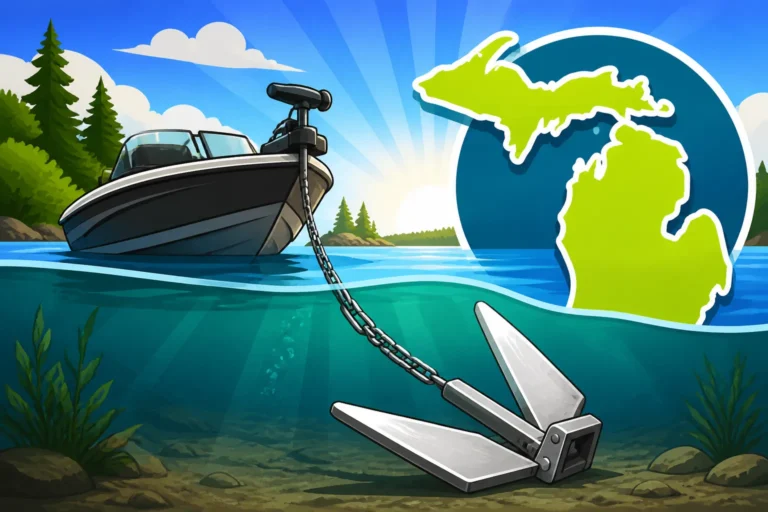
This anchor features four or more prongs (or "flukes") that fold out from a central shaft. Its strength lies in its ability to grab onto irregular surfaces. If you're fishing a river with a rocky bottom, submerged trees, or heavy weed beds, a grappling anchor is designed to hook into these features and hold your boat in place. Many models are also foldable, making them very compact for storage, which is a huge plus for smaller craft like kayaks or canoes. The downside is that they are very prone to getting permanently snagged. If a fluke wedges itself too deeply into a rock crevice or wraps around a log, it can be incredibly difficult, if not impossible, to retrieve. Many anglers mitigate this risk by rigging their grappling anchors with a "breakaway" or "retrieve" system, which involves tying the anchor rode to the crown (top) of the anchor and using a zip tie or light line to secure it to the shank (bottom). If it snags, a hard pull breaks the zip tie, allowing you to pull the anchor out crown-first. It's a clever trick that can save you a lot of grief and money.
Specialty Anchors and Drag Chains
Beyond the common types, there are a few other options that shine in particular river situations. These are often used by seasoned river anglers who understand the nuances of various waterways.
- Box Anchors: These are less common but highly effective for specific river applications. A box anchor is designed to dig in on all four sides, creating immense holding power, especially in sand or gravel. They are often heavier and bulkier but provide superior grip.
- Drift Sock/Sea Anchor: While not an anchor in the traditional sense of holding you stationary, a drift sock or sea anchor is an invaluable tool for controlling your drift speed in a river. It's a parachute-like device deployed from the stern that creates drag, slowing your boat down and allowing you to fish a run more thoroughly. Many river anglers use these in conjunction with a main anchor or as their primary "speed control" device for Drift Fishing Michigan Rivers for Steelhead.
- Drag Chains (Scraps of Rebar/Chain): For exceptionally snag-filled, rocky rivers, some anglers forgo traditional anchors altogether and use a heavy chain or even a bundle of rebar as a "drag anchor." The idea is that the chain conforms to the bottom, hooks around rocks, and provides enough weight to slow or hold the boat. If it gets truly stuck, you're only losing some relatively inexpensive scrap metal. This method is common for those fishing heavily structured areas or very fast currents where conventional anchors are a constant liability. It’s a very pragmatic solution for tricky conditions.
Crafting Your Perfect River Anchoring Strategy
Choosing the right anchor is only half the battle. You also need the right accessories and techniques to make your river fishing trips safe, effective, and enjoyable.
Matching Anchor to Boat Size and River Conditions
The most critical factor in successful river anchoring is ensuring your anchor is appropriately sized and weighted for your vessel and the conditions you expect to encounter. A small kayak fishing the Kalamazoo River will require a vastly different anchor setup than a 16-foot jon boat tackling the Muskegon River during a strong spring current.
Think about the heaviest current you might reasonably face and the type of boat you have. For a solo kayak or canoe, a 5-10 pound grappling or small pyramid anchor might be sufficient in moderate currents. For a larger drift boat or a small aluminum fishing boat, you're likely looking at 15-30 pounds, possibly more, depending on the current. It’s always better to err on the side of slightly heavier, as an anchor that drags is useless. You can often find detailed sizing charts from manufacturers at stores like Bass Pro Shops or online retailers like Amazon, which offer recommendations based on boat length and weight, as well as anticipated conditions. Don't forget to account for any extra gear and passengers that add to your boat's total weight. When you're fishing for species like steelhead, where holding precise position can be key, having the right anchor for your boat can make all the difference. Best Rod Length for River Steelhead also ties into the type of fishing and therefore the need for stable anchoring.
Essential Anchor System Components Beyond the Anchor
Your anchor is just one part of a complete anchoring system. The "rode" (the line connecting your anchor to your boat) and other accessories are equally important for safe and effective deployment and retrieval.
- Anchor Rode (Rope and Chain): The material and length of your anchor rode are crucial. Most river anglers use a combination of rope and chain. A short length of heavy chain (typically 3-6 feet) between the anchor and the rope helps the anchor lie flat and dig in more effectively, providing a better angle of pull. The chain also offers abrasion resistance against rocky bottoms. The rope itself should be strong nylon or polypropylene.
- Scope: This is perhaps the most overlooked aspect of anchoring. "Scope" refers to the ratio of the length of your anchor rode (rope + chain) to the depth of the water. For rivers, a minimum 7:1 ratio is generally recommended, meaning if the water is 10 feet deep, you should have at least 70 feet of rode out. This low angle helps the anchor dig in and hold. Without enough scope, your anchor will pull horizontally and drag, no matter how heavy it is. In strong currents, you might even need more scope than 7:1.
- Anchor Trolley (for Kayaks/Canoes): If you're kayak fishing, an anchor trolley is a game-changer. This system allows you to deploy your anchor from the bow or stern of your kayak and then, using a pulley system, move the anchor attachment point along the side of your kayak. This lets you orient your kayak precisely in the current, presenting your lure or bait perfectly to your target zone. It’s an essential piece of gear for serious river kayak anglers.
- Quick Release System: For safety, especially in fast currents, having a way to quickly release your anchor is vital. If your anchor snags, or if you unexpectedly encounter downstream hazards, being able to cut loose immediately can prevent a dangerous situation. A knife readily accessible or a quick-release cleat is a must-have. Always prioritize safety on the water, especially on moving rivers, which is why understanding Michigan Boating Laws for Anglers is so important.
Here's a quick comparison of common river anchor types:
| Anchor Type | Best For River Bottom | Current Suitability | Pros | Cons |
|---|---|---|---|---|
| Fluke (Danforth) | Sand, Mud, Silt | Light to Moderate | Good holding in soft bottom, lightweight, stores flat | Poor on hard/rocky bottoms, can drag in strong current |
| River (Mushroom/Pyramid) | Mud, Silt, Soft Gravel | Light to Moderate | Good for slower currents, less snag-prone in light cover | Relies on weight, can drag in strong current/rock |
| Grappling | Rock, Weeds, Woody Debris | Moderate to Strong | Grabs quickly, foldable, effective in varied terrain | High risk of permanent snagging (needs breakaway) |
| Drag Chain/Rebar | Heavy Rock, Fast Current | Moderate to Strong | Conforms to bottom, less likely to snag permanently | Less precise holding, requires more scope |
Best Practices for Anchoring Safely and Effectively
Anchoring in a river isn't just about dropping the hook; it's about strategy, safety, and respect for the environment. Following these best practices will help you stay safe and fish more effectively.
- Scout Ahead: Before anchoring, look downstream for any potential hazards like rapids, logjams, or other boats. Never anchor directly above a major hazard. Plan your exit strategy before you even drop your anchor.
- Approach from Upstream: Always approach your desired anchoring spot from upstream. This allows you to drift past the spot, estimate the current, and ensure you have enough room to set your anchor without drifting into danger. Drop your anchor well upstream of where you want to fish, letting out plenty of rode as you drift back into position. This gives your anchor time to set properly.
- Use Proper Scope: As mentioned, maintaining sufficient scope (the length of your anchor line relative to the water depth) is crucial. A good rule of thumb for rivers is at least a 7:1 ratio, but in very strong currents, you might need even more. This ensures the anchor digs in horizontally, maximizing its holding power. Without enough scope, even the best anchor will just skip along the bottom.
- Check Your Hold: Once your anchor is deployed and you've drifted back into position, give a firm tug on the anchor line to confirm it's dug in securely. You should feel a solid resistance, not a continued drift. If it's dragging, pull it up and try again, perhaps with more scope or in a different spot.
- Avoid Overcrowding: Be mindful of other anglers. Give other boats ample room, especially when anchoring in popular spots. Dropping an anchor too close to another boat can create a hazardous situation or disrupt their fishing. If you're out on a popular waterway like the Au Sable, a little courtesy goes a long way.
- Carry a Spare Anchor: Rivers are notorious for snagging and losing anchors. Carrying a spare, perhaps a different type to suit varying conditions, is always a smart move. It can save your fishing trip if your primary anchor decides to become a permanent part of the riverbed.
- Retrieve with Care: When it's time to move, motor or row slowly upstream directly over your anchor. This reduces the angle of pull and often helps free a stubborn anchor. For heavily snagged anchors, a breakaway system on a grappling anchor can save you from losing it entirely.
- Consider an Anchor Reel: For convenience, especially on smaller boats or kayaks, an anchor reel or a dedicated anchor line management system can make deploying and retrieving your anchor much smoother and safer. It keeps your line organized and prevents tangles.
- Personal Flotation Devices: Regardless of your anchoring strategy, wearing a Life Jackets and Michigan Boating Safety Rules is paramount, especially when fishing in rivers with currents, as unforeseen events can happen quickly.
By understanding the river's character, selecting the right anchor type for the bottom and current, and employing thoughtful anchoring techniques, you'll gain the confidence to hold your ground and effectively target those elusive Michigan fish. Whether you're chasing Michigan's Trout and Salmon Season on the Great Lakes or casting for smallmouth on an inland river, mastering your anchor will significantly improve your angling success.
Disclaimer
This article is for general informational purposes only and does not constitute professional advice. Laws, prices and regulations vary by location and change over time. Consult a qualified professional for guidance on your specific situation.