Best Wading Boots for Michigan Rivers
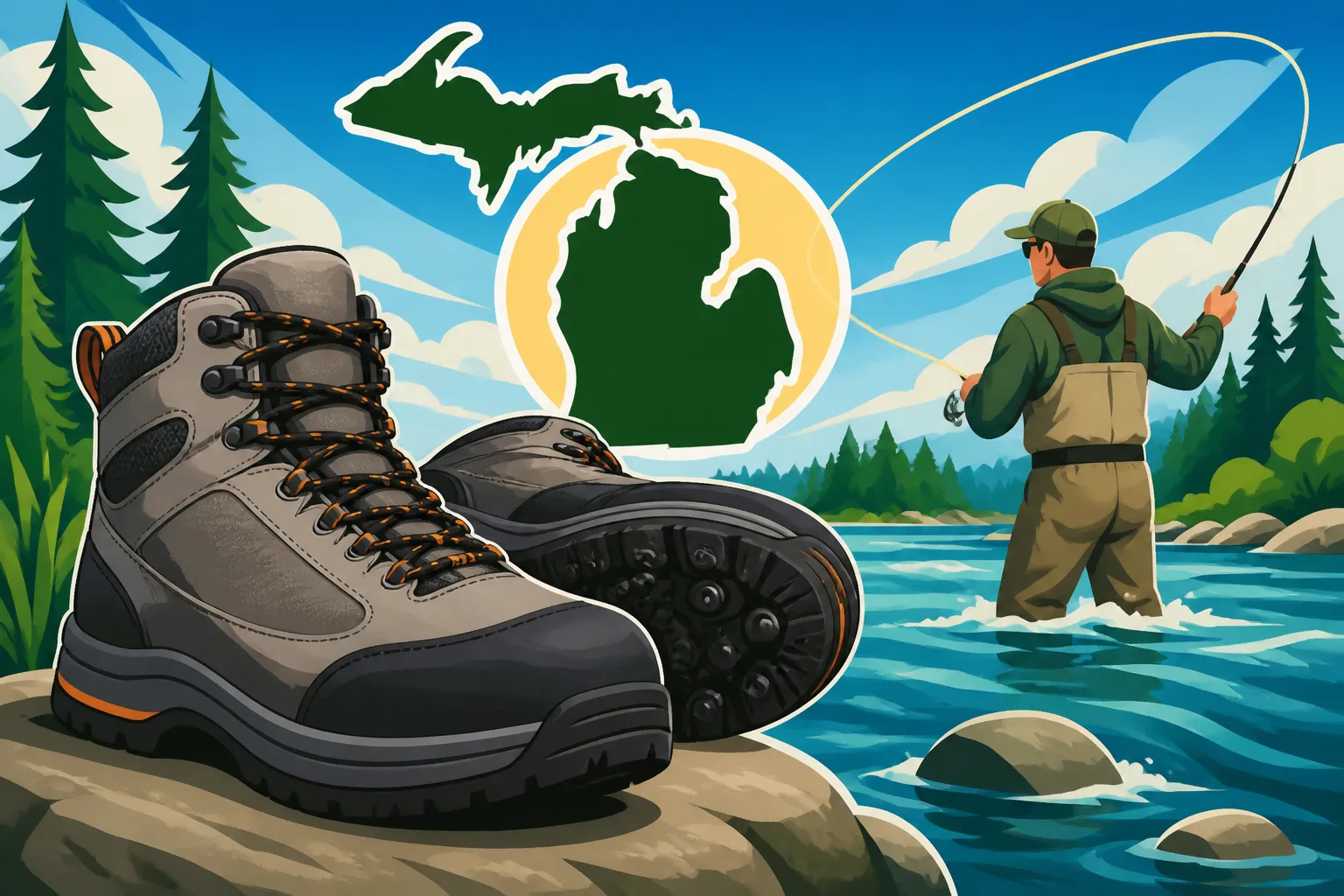
It's a frustrating, even dangerous, experience when you're wading Michigan's beautiful, but often treacherous, rivers and your feet just can't find purchase. Slipping on slick rocks, feeling every sharp stone, or struggling with boots that just don't fit right can quickly turn a peaceful fishing trip into a miserable ordeal. This guide is all about helping you navigate those currents with confidence by finding the best wading boots for our beloved Michigan rivers, ensuring safety and comfort from the first cast to the last.
Why Quality Wading Boots Are Absolutely Essential for Michigan River Anglers
Our Michigan rivers are a treasure trove for anglers, brimming with trout, steelhead, and salmon, but they also present some unique challenges. From the rocky, fast-moving currents of the Manistee to the gravelly runs of the Au Sable, the river bottom can be unpredictable. That's where your wading boots become more than just footwear; they're a critical piece of safety equipment and a comfort enhancer that directly impacts your ability to fish effectively.
Navigating Tricky River Bottoms with Confidence
Picture yourself mid-stream, the current pushing against your legs, trying to maintain your balance while casting. Now imagine doing that with inadequate footwear. Michigan's rivers feature a diverse range of bottom compositions. You'll encounter smooth, algae-covered boulders, loose gravel, slippery clay, and even submerged logs. Each of these presents a different challenge to your footing. Without reliable traction, every step becomes a gamble, and a misstep can lead to a dunking, a twisted ankle, or worse, losing your gear to the current. Good wading boots are engineered to grip these varied surfaces, giving you the confidence to focus on your fishing, not just staying upright.
Many anglers who brave our legendary rivers for species like steelhead know the critical importance of secure footing. When you're How to Fish for Steelhead in Michigan in a strong current, trying to keep your line tight, the last thing you want is to be worried about your feet sliding out from under you. High-quality boots with appropriate outsoles provide that much-needed stability, allowing you to wade deeper, cover more water, and access prime fishing lies that might otherwise be out of reach due to precarious wading conditions. It's about empowering you to move safely and efficiently through the water.
Protecting Your Feet and Ankles from the Elements
Beyond traction, wading boots offer crucial protection. The cold waters of Michigan, especially during the spring and fall steelhead runs, can quickly numb your feet, impacting your balance and comfort. Waders, of course, help with insulation, but your boots provide an additional layer, often designed to work in conjunction with neoprene booties. Furthermore, the robust construction of wading boots shields your feet from sharp rocks, submerged debris, and other hazards that could cause punctures or bruising.
Ankle support is another non-negotiable feature. Anyone who's spent a day wading knows the fatigue that sets in, especially when battling strong currents or negotiating uneven terrain. Quality wading boots are designed with reinforced ankle support, much like hiking boots, to prevent strains and sprains. This support is vital when you're rock hopping or making your way across a swift run. The last thing you want is to cut your trip short because of a minor injury that could have been prevented by choosing the right pair of boots. This protection allows you to spend more time on the water, comfortably and safely, pursuing your passion.
Key Features to Prioritize in Your Michigan Wading Boots
When you're sifting through all the options for wading boots, it can feel a bit overwhelming. But for Michigan's unique fishing environments, there are a few core features that really stand out as non-negotiable. Focusing on these will guide you toward a pair that will serve you well for many seasons to come.
Superior Traction for Slippery Substrates
This is, arguably, the most important feature of any wading boot destined for Michigan rivers. Our riverbeds are infamous for being slick. Algae-covered rocks, slimy clay, and even smooth gravel can make every step a potential slip-and-fall hazard. The outsole of your boot is your primary point of contact with these surfaces, so its design and material are paramount. We'll dive deeper into felt versus rubber outsoles shortly, but generally, you want a sole that offers aggressive grip and sheds water efficiently.
Many boots now feature stud or cleat compatibility, allowing you to add extra traction in particularly challenging conditions. While not always necessary, having the option to screw in carbide studs can be a game-changer on heavily mossed rocks or icy conditions during winter steelheading. Think about the variety of places you fish: do you frequent boulder-strewn stretches of the Pere Marquette, or mostly gravel flats on the Au Sable River Trout Fishing in Michigan? Your preferred river bottom types will heavily influence the best traction choice for you. Having confidence in your footing translates directly into safer, more enjoyable, and ultimately, more productive fishing trips.
Ankle Support and Overall Comfort for Long Days
Imagine spending eight hours on your feet in a river, constantly shifting your weight against the current. Comfort and support become incredibly important. Good wading boots will offer ample ankle support to prevent twists and turns on uneven riverbeds. This often comes in the form of a padded collar and a lacing system that cinches securely around your ankle without creating pressure points. Just like a good pair of hiking boots, the support should feel firm yet flexible, allowing for natural movement while wading.
Beyond ankle support, the overall fit and internal cushioning contribute significantly to comfort. Your waders' neoprene booties add bulk, so you'll want to size your boots appropriately to accommodate them without being too tight or too loose. Too tight, and you'll restrict circulation and develop hot spots; too loose, and your foot will slide around, leading to blisters and instability. Many boots also feature shock-absorbing midsoles that lessen the impact of long days on hard river bottoms. Investing in a comfortable pair means you'll be able to stay on the water longer, focusing on the fish rather than nagging foot pain.
Durability Against Michigan's Elements
Michigan's fishing seasons can be tough on gear. From freezing temperatures and abrasive ice during winter fishing to scorching summer sun, your boots need to withstand a beating. Look for boots constructed from durable, quick-drying synthetic materials like PVC-reinforced nylon or abrasion-resistant fabrics. Reinforced toe caps and heel counters are also critical, as these areas take the brunt of impacts from rocks and debris.
Stitching and seam construction are other tell-tale signs of a boot's longevity. Double-stitching and robust glues ensure that the boot won't fall apart after a few seasons of hard use. Corrosion-resistant hardware for laces and straps is also a must, especially if you're frequently fishing in areas with high mineral content or even venturing into the Great Lakes for some shore fishing. A durable pair of boots might cost a bit more upfront, but it's an investment that will save you money and headaches in the long run, eliminating the need for frequent replacements.
Felt vs. Rubber Outsoles: Making the Right Choice
This is perhaps the most debated topic among wading anglers: felt or rubber outsoles? Both have their ardent supporters and their distinct advantages and disadvantages, especially when considering the diverse conditions found in Michigan's waterways.
The Classic Grip of Felt Soles
Felt soles have been the traditional choice for river anglers for decades, and for good reason. Their primary advantage is their unparalleled grip on slimy, algae-covered rocks. The porous felt material conforms to uneven surfaces and provides a surprising amount of friction, making them incredibly secure on the slickest river bottoms. If you primarily fish rivers known for their slippery, basalt rock beds or heavily mossed boulders, felt soles often feel like Velcro, giving you immense confidence in your footing.
However, felt soles come with some significant drawbacks. They can be incredibly slippery on mud, wet grass, snow, or ice, making getting to and from the river's edge a precarious affair. They also tend to hold water, making them slower to dry and potentially a vector for carrying invasive species between watersheds. This environmental concern has led to outright bans on felt soles in some regions outside of Michigan, though they remain legal here for now. While many anglers swear by them for pure in-river traction, you need to weigh their superior grip against their limitations on land and their potential environmental impact.
The Modern Versatility of Rubber Soles
Rubber outsoles have seen massive advancements in recent years, closing the gap on felt's grip while offering superior versatility. Modern rubber soles often feature aggressive lug patterns, specially formulated compounds, and even embedded grip enhancements, providing excellent traction on a wide range of surfaces – from dry land to wet gravel to some degree of slick rock. Many anglers prefer rubber soles because they perform much better on trails, through mud, and over snow and ice when hiking to access their favorite fishing spots.
Furthermore, rubber soles are easier to clean and dry quicker, reducing the risk of transferring invasive species. This makes them a more environmentally conscious choice and simplifies post-fishing cleanup. While they might not offer the exact same level of "sticky" grip on extremely slick, algae-covered rocks as felt, the gap has narrowed considerably with advancements in tread design and material science. Many rubber soles are also compatible with screw-in studs, allowing you to customize your traction for the most demanding wading conditions, offering a best-of-both-worlds solution for many Michigan anglers. You can find excellent options from brands available at Bass Pro Shops and on Amazon that feature these advanced rubber sole technologies.
Choosing the Right Outsole for Your Needs
The decision between felt and rubber ultimately comes down to your personal fishing habits and the specific rivers you frequent. Consider the type of terrain you encounter most often, both in the water and on the approach.
Here's a quick comparison to help you decide:
| Feature | Felt Outsole | Rubber Outsole |
|---|---|---|
| In-Water Grip (Slick Rock) | Excellent | Good to Excellent (especially with studs) |
| In-Water Grip (Gravel) | Good | Excellent |
| On-Land Grip (Mud/Grass) | Poor | Excellent |
| On-Land Grip (Snow/Ice) | Very Poor | Good (especially with aggressive lugs) |
| Drying Time | Slow | Fast |
| Invasive Species Risk | Higher (holds moisture and debris) | Lower (easier to clean) |
| Durability | Can wear down faster on abrasive surfaces | Generally very durable |
| Stud Compatibility | Generally not applicable, but some hybrid designs | Often compatible for enhanced traction |
If your fishing involves minimal hiking and you spend most of your time in notoriously slick, rock-bottomed rivers, the pure grip of felt might appeal to you. However, for overall versatility, environmental responsibility, and better performance on the banks and trails, modern rubber soles, especially those that can be studded, are often the more practical choice for the diverse conditions across Michigan. Many anglers who fish the Best Rivers for Trout and Steelhead in Michigan often find rubber soles with studs to be the most adaptable.
Wading Boot Construction and Materials
Beyond the sole, the entire construction of your wading boot plays a massive role in its performance, comfort, and how long it will actually last. Just like any good piece of outdoor gear, it's the sum of its parts working in harmony.
Materials That Stand Up to the Test
The upper of a wading boot needs to be tough, quick-drying, and resistant to abrasion. You'll commonly see synthetic materials like heavy-duty nylon, Cordura, or reinforced PVC. These materials are chosen for their ability to shed water, resist tears, and dry relatively quickly, which is crucial for preventing mildew and prolonging the life of the boot. Some higher-end boots might incorporate synthetic leather or even full-grain leather for added durability and a more traditional look, though these often require more maintenance.
Look for boots with minimal stitching or reinforced seams. Every stitch is a potential point of failure, especially when subjected to constant wetting and drying cycles. Welded seams or boots with fewer panels can reduce these vulnerabilities. Additionally, robust toe and heel protection, often made of rubber or a tough synthetic, are essential. These areas take a lot of abuse from kicking rocks, bumping into submerged logs, and generally navigating rough terrain, so a strong, protective cap can prevent premature wear and keep your feet safer.
The Importance of a Snug and Secure Fit
A poorly fitting wading boot is a recipe for disaster. It can lead to blisters, ankle instability, and simply put, a miserable day on the water. When trying on wading boots, always wear the waders you intend to use. The neoprene booties of your waders will add significant bulk, so you'll typically need to size up from your regular shoe size. Some manufacturers have specific sizing guides that account for this, so always check their recommendations.
The fit should be snug, but not constricting. Your foot shouldn't slide around inside the boot, especially your heel. The lacing system should allow you to cinch the boot down tightly and evenly across your foot and ankle, providing firm support without creating painful pressure points. Metal hardware for the laces should be corrosion-resistant to stand up to constant exposure to water. A good fit prevents excess foot movement, which can cause friction and blisters, and ensures that the ankle support the boot provides is actually effective when you're wading in swift currents or over uneven ground. You want your boots to feel like an extension of your leg, giving you total control and confidence with every step.
Maintaining Your Wading Boots for Extended Lifespan
You've invested in a good pair of wading boots, and now you want them to last as long as possible. Proper care and maintenance aren't just about cleanliness; they're about preserving the integrity of the materials, preventing the spread of unwanted organisms, and ensuring your boots are ready for your next Michigan adventure.
Proper Cleaning After Each Trip
This is perhaps the most overlooked but critical step in boot maintenance. After every single fishing trip, especially if you've been in a different body of water, give your boots a thorough cleaning. The primary reason is to prevent the spread of aquatic invasive species (AIS), which can hitch a ride on damp gear. These include everything from New Zealand mudsnails to whirling disease spores. You might be fishing the Manistee River Steelhead and Salmon Fishing in Michigan one day, and the next you're on a small inland lake. Thorough cleaning is part of being a responsible angler in Michigan.
Start by rinsing your boots with clean, warm water. Use a stiff brush to remove all visible mud, sand, gravel, and plant matter from the soles, laces, and all crevices. Pay extra attention to the felt if you have it, as it's notorious for holding debris. For an extra layer of protection against AIS, some anglers use a diluted bleach solution (e.g., 1 cup of bleach per gallon of water) or a commercial gear disinfectant. Spray down the boots thoroughly, let them sit for a few minutes, then rinse again with fresh water. This small effort goes a long way in protecting our precious Michigan ecosystems.
Drying and Storage Best Practices
Once your boots are clean, proper drying is key to preventing mildew, rot, and material degradation. Never store wet boots. After rinsing, shake out as much excess water as possible. Then, ideally, hang them upside down in a well-ventilated area, out of direct sunlight. Sunlight can degrade synthetic materials over time, making them brittle. If hanging isn't an option, place them where air can circulate around them from all angles. You can stuff them with crumpled newspaper to help absorb moisture from the inside, just be sure to change the paper every few hours until they're dry.
It's tempting to throw your boots in the back of the garage or shed, but a consistent storage method will prolong their life. Once completely dry, store them in a cool, dry place. Avoid leaving them in a hot car trunk, as extreme temperatures can damage glues and materials. If you use studs, check them periodically for wear or looseness and replace as needed. By making cleaning and drying a routine part of your post-fishing ritual, you'll ensure your wading boots remain in top condition, ready to tackle Michigan's rivers for many seasons to come.
Disclaimer
This article is for general informational purposes only and does not constitute professional advice. Laws, prices and regulations vary by location and change over time. Consult a qualified professional for guidance on your specific situation.