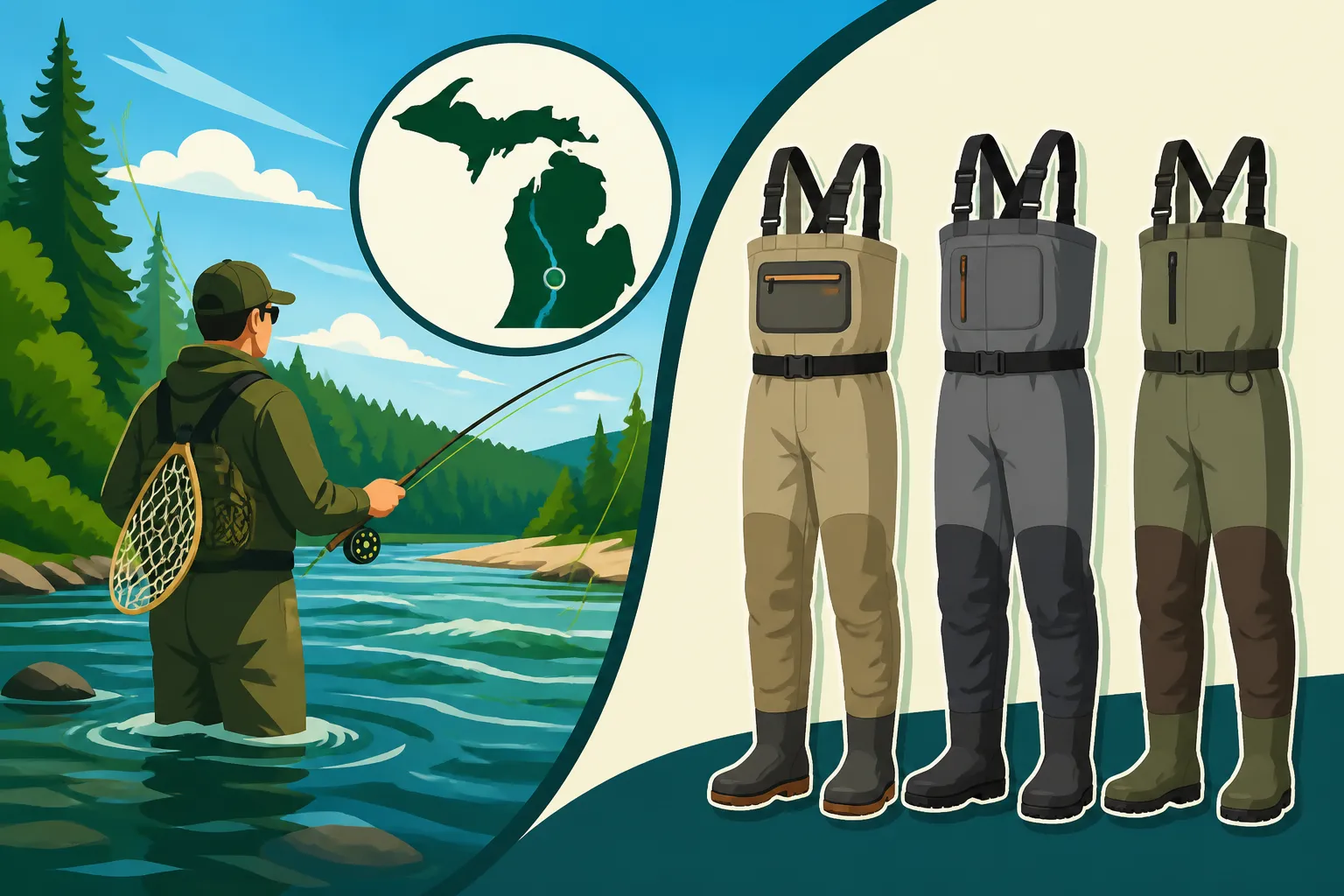
What Waders Are Best for the Au Sable River
For any angler planning to wade the legendary Au Sable River, choosing the right waders isn't just about comfort; it's about safety, endurance, and ultimately, your success on the water. The Au Sable, with its famously cold, clear waters, diverse bottom, and varied fishing styles, presents unique challenges that demand careful consideration when selecting this essential piece of gear. This comprehensive guide will walk you through everything you need to know to pick the perfect waders for your Michigan fly-fishing adventures.
Understanding the Au Sable River's Unique Demands for Waders
The Au Sable isn't just any river; it's a Michigan icon, a blue-ribbon trout stream that commands respect from anglers and gear alike. Its specific characteristics heavily influence what kind of waders will serve you best, and understanding these nuances is the first step in making an informed decision.
Water Temperature and Seasonality
Michigan's Au Sable River is renowned for its cold, pristine waters, largely fed by springs. This means that even on a scorching summer day, the water temperature can be surprisingly chilly, often hovering in the 50s. While this is fantastic for trout, it can be brutal on an unprepared angler.
During the prime fishing seasons of spring and fall, when the air temperatures can be quite moderate or even cold, the water remains consistently brisk. This necessitates waders that provide adequate insulation to prevent hypothermia, or at the very least, allow for comfortable layering underneath. You might think breathable waders are only for warm weather, but on the Au Sable, even in summer, a breathable pair allows you to layer up or down, adapting to sudden changes in weather or water immersion time. Imagine standing mid-thigh in the Au Sable for hours on an overcast spring morning; a thin, uninsulated wader will quickly turn your pleasant outing into a shiver-fest. Conversely, on a hot August afternoon, you’ll be grateful for breathability to wick away sweat as you trek to your favorite spot, even if the water is still cool.
River Bottom and Terrain
The bottom of the Au Sable River is a mosaic of different surfaces, each presenting its own challenge to wading. You'll encounter stretches of fine sand, which can be surprisingly stable, but also larger, rounded gravel that can shift underfoot. Perhaps the most notorious are the smooth, algae-covered rocks, especially in faster currents or deeper sections, which can be incredibly slick.
Your waders, and more specifically your wading boots if you opt for stockingfoot waders, need to be able to handle this variety without compromising your stability. A sudden slip can quickly turn into a dangerous fall, especially if you're carrying gear or trying to land a fish. Durable wader material is also crucial here. Dragging your waders over submerged logs, sharp rocks, or abrasive gravel banks can quickly lead to punctures and leaks, especially if the material isn't robust. It’s a real frustration to spend good money on waders only to have them spring a leak on their second outing because you brushed against a submerged branch.
Fishing Style and Mobility Needs
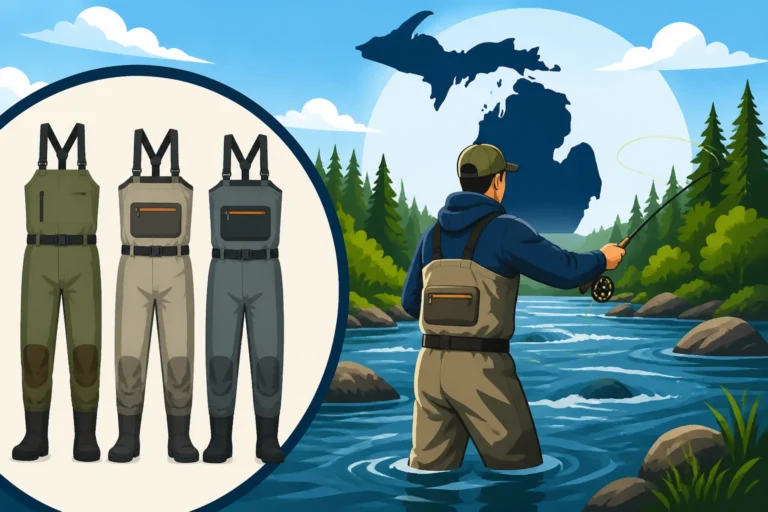
The Au Sable caters to a range of fishing styles, and your preferred method will also guide your wader choice. Many anglers here are dedicated fly fishers, often involving extensive wading, walking long stretches of river, or navigating complex currents to reach prime casting positions. This demands waders that offer excellent mobility, flexibility, and a comfortable fit that doesn't restrict your casting motion or stride.
Other anglers might focus on Drift Fishing Michigan Rivers for Steelhead or pursuing other species, which may involve less active wading but still require freedom of movement. If you're primarily fishing from a drift boat or kayak, your waders might prioritize different features, like reinforced seats, but you'll still need to be able to comfortably hop out and wade a promising run. Mobility is key; stiff, bulky waders can quickly lead to fatigue and make those long walks along the riverbank or intricate wading maneuvers feel like a chore. The ideal wader disappears on you, allowing you to focus purely on the fishing.
Key Features to Look for in Au Sable River Waders
Now that we understand the specific demands of the Au Sable, let's dive into the critical features that make certain waders stand out for this particular fishery. Investing in the right features upfront will save you headaches and cold feet down the line.
Material and Durability
The material of your waders is paramount, determining both their comfort and their lifespan on a river like the Au Sable. The two main categories are neoprene and breathable fabrics (like Gore-Tex or proprietary laminates).
Neoprene waders are essentially wetsuits for your legs. They offer superior insulation, making them fantastic for very cold water or winter fishing. If you're planning to brave the Au Sable during the late fall or early spring when ice can still cling to the banks, neoprene might be a strong contender for its warmth. However, neoprene doesn't breathe. This means that if you're walking any distance or fishing on a warmer day, sweat will accumulate inside, leading to a clammy, uncomfortable experience. They also tend to be bulkier and less flexible, which can hinder mobility, especially for active fly casting.
Breathable waders, on the other hand, are the workhorses for most Au Sable anglers. Constructed from multi-layered, waterproof, and breathable fabrics, they allow moisture vapor (sweat) to escape while preventing water from entering. This breathability is a game-changer for comfort, particularly during warmer months or when you're hiking to remote sections of the river. The key is durability. Look for waders with a higher denier fabric (a measure of fabric thickness and toughness) and reinforced areas, especially in the knees and seat. Four-layer or five-layer construction is common in higher-end breathable waders and offers excellent puncture and abrasion resistance. Strong, welded seams are also critical, as seams are often the first place waders fail. Many reputable brands offer specific reinforced sections, knowing that anglers often kneel or sit on rough surfaces.
Fit, Comfort, and Mobility
A good fit is non-negotiable for waders, especially when you're spending hours on the Au Sable. Waders should be snug enough to prevent excessive bunching but loose enough to allow for a full range of motion and comfortable layering. Remember, you might want to wear fleece pants or thick thermal base layers underneath, especially during cooler seasons.
Look for features that enhance comfort and mobility. Adjustable suspenders are standard, but comfortable, wide straps that don't dig into your shoulders are a huge plus. Some waders include an elastic wading belt, which is essential for safety (it prevents water from rushing into your waders if you fall) and also helps cinch them for a better fit. Articulated knees—sections sewn into the waders that mimic the natural bend of your knee—significantly improve flexibility and reduce strain when bending or climbing over obstacles. Pockets are another comfort factor; external pockets for fly boxes or tippet, and internal waterproof pockets for your phone or car keys, can make a huge difference in your organization and enjoyment on the water. Imagine fumbling for your phone in a zippered jacket pocket while standing waist-deep in the Au Sable; a secure internal wader pocket would be far more convenient and safer.
Bootfoot vs. Stockingfoot Waders
This is a fundamental choice for any wader purchase, and for the Au Sable, each has its pros and cons.
Stockingfoot waders are essentially waterproof pants with neoprene booties attached at the feet. They require separate wading boots, which you purchase based on your specific foot size and desired sole type. This system offers incredible versatility. You can choose specialized boots for different river conditions (felt for slick rocks, rubber for hiking and diverse terrain, studded options for extra grip), and if your boots wear out, you only replace the boots, not the entire wader. They also tend to be lighter and pack down smaller, which is great if you're hiking into your fishing spot. The downside is the upfront cost of buying waders and boots, and the extra time it takes to put them on. For avid Au Sable anglers who spend a lot of time wading, the customizability and performance of stockingfoot waders with dedicated wading boots are often preferred. Best Waders for Cold River Fishing articles often highlight stockingfoot designs for layering flexibility.
Bootfoot waders have the boots permanently attached to the waders. This offers convenience: just step in, pull them up, and go. There are no worries about gravel getting into your separate wading boots or changing socks. They are generally warmer, as the integrated boot provides extra insulation. However, the compromise often comes in fit and boot performance. The attached boots are typically less comfortable and less supportive than dedicated wading boots, and you can't easily swap out the sole type. If the boots wear out or develop a leak, you typically have to replace the entire wader. While convenient for quick trips or less demanding wading, most serious Au Sable waders opt for the superior fit and performance of stockingfoot waders.
Here’s a quick comparison to help you decide:
| Feature | Stockingfoot Waders | Bootfoot Waders |
|---|---|---|
| Boots | Separate, chosen independently | Permanently attached |
| Fit | Highly customizable (wader size + boot size) | Limited by integrated boot size |
| Traction | Excellent, can choose specific sole types/studs | Varies, generally less specialized/supportive |
| Mobility | Excellent, lighter, more flexible | Good, but can be bulkier/heavier |
| Warmth | Depends on layering and boot choice | Often warmer due to integrated insulation |
| Durability | Replace boots independently; waders last longer | If boots fail, often need to replace entire wader |
| Convenience | More gear to put on/take off | Quick on/off, no gravel in boots |
| Cost | Higher initial cost (waders + boots) | Lower initial cost (all-in-one) |
| Packing Size | More compact | Bulkier |
| Ideal For | Serious waders, varied conditions, long walks | Quick trips, less aggressive wading, extreme cold |
Top Wader Types for the Au Sable and What to Consider
Given the Au Sable's characteristics, certain wader types inherently lend themselves better to the river's demands. Let's explore the most suitable options and when to deploy them.
Breathable Stockingfoot Waders
For the vast majority of Au Sable River anglers, breathable stockingfoot waders are the absolute gold standard. Their combination of versatility, comfort, and performance is unmatched for the diverse conditions you'll encounter. Brands like Simms, Orvis, Patagonia, and Redington offer excellent breathable options that are well-regarded in the fly fishing community. You'll often find a good selection from these brands at outdoor retailers like Bass Pro Shops or online at Amazon.
The biggest advantage is their ability to manage moisture. Even when the air is cool, hiking to a remote bend on the Au Sable can work up a sweat. Breathable fabrics allow that perspiration to escape, keeping you dry and comfortable from the inside out. This is crucial for regulating your body temperature. On colder days, you can simply add warmer base layers underneath, without the waders themselves becoming bulky or restrictive. Imagine a long morning on the river, casting to rising trout; you need that full range of motion.
Furthermore, the separate wading boot system is a huge plus. You can pair your stockingfoot waders with high-quality wading boots featuring excellent ankle support and traction tailored to the Au Sable's varied bottom. Many anglers opt for rubber-soled boots that can accept studs, providing superior grip on those slippery rocks without being overly aggressive on other surfaces. This modularity means you can replace just your boots when they wear out, or even own multiple pairs of boots for different conditions. Best Wading Boots for Michigan Rivers often recommends options that pair well with stockingfoot waders.
Neoprene Waders for Colder Conditions
While breathable waders are generally preferred, there's definitely a place for neoprene waders on the Au Sable, particularly if you're a dedicated cold-weather angler. When Michigan winter's grip is firm, or during those brutally cold stretches of early spring or late fall when water temperatures plummet, neoprene truly shines.
Neoprene offers exceptional thermal insulation, trapping a layer of water against your skin (just like a wetsuit) which your body then warms, providing an effective barrier against the icy river. For anglers who specifically target the Au Sable during these colder periods, or perhaps do a lot of Ice Fishing Techniques for Michigan Walleye in nearby frozen lakes, a 3.5mm or 5mm neoprene wader can be a lifesaver. They are especially popular with duck hunters who spend long periods stationary in cold water. The warmth they provide can mean the difference between an enjoyable outing and an early retreat due to shivering.
The trade-off, as mentioned, is breathability. If you plan to hike any distance to your fishing spot or if the air temperature rises unexpectedly, you'll quickly become sweaty and clammy. They are also heavier and less flexible, which can impact your mobility and comfort during active wading or casting. For most year-round Au Sable fishing, neoprene is probably overkill, but for specific, frigid conditions, they are unparalleled in warmth.
Integrated Bootfoot Waders for Convenience
Bootfoot waders, where the boots are permanently attached, are a classic option that still holds appeal for certain types of fishing, including some scenarios on the Au Sable. Their primary advantage lies in their sheer convenience. There's no separate struggle with putting on wading boots over neoprene booties; you simply step into the waders, pull them up, and you're ready to go. This makes them ideal for quick, impromptu trips or when you're frequently getting in and out of the water.
They also eliminate the issue of gravel or sand getting inside your wading boots, a common annoyance with stockingfoot systems. Because the boot is sealed to the wader, you won't get any debris working its way down to irritate your feet. Furthermore, the integrated boot often provides an additional layer of insulation, which can be a bonus in moderately cold water.
However, the convenience often comes at the expense of performance and fit. The boots on integrated waders are typically not as supportive or comfortable as high-quality separate wading boots. They are also less versatile, as you cannot change the sole type to suit different river conditions. If the boot fit isn't perfect for your foot, it can lead to discomfort, blisters, or reduced stability. Many serious waders find that the compromise in boot performance isn't worth the convenience, especially on a river like the Au Sable where solid footing is crucial. For the casual angler or someone primarily fishing from a boat and only occasionally stepping into the river, bootfoot waders might be a perfectly fine, cost-effective solution.
Practical Tips for Choosing and Maintaining Your Au Sable Waders
Beyond the type and features, there are several practical considerations that will ensure you get the most out of your waders for the Au Sable and prolong their life.
Sizing and Layering Considerations
Getting the right size is paramount for both comfort and performance. Don't just order your regular pant size. Wader sizing accounts for the bulky layers you'll likely wear underneath, especially when fishing the Au Sable's cold waters for extended periods. When trying on waders, wear the thickest socks and heaviest base layers you anticipate using. You should have enough room to squat, kneel, and lift your knees comfortably without the waders feeling tight or restrictive.
Pay close attention to the inseam, chest, and foot size. If the waders are too tight in the crotch, they can restrict movement and put undue stress on the seams, leading to premature leaks. If they're too baggy, they can be cumbersome and collect excess water, making wading harder. For stockingfoot waders, ensure the neoprene booties fit snugly but not tightly around your feet, allowing enough room for thick socks but preventing them from bunching up inside your wading boots. Remember, the goal is to be able to comfortably layer fleece pants or other thermal wear without feeling like a sausage. What Gear Do You Need to Ice Fish in Michigan also stresses the importance of layering under outer garments.
Essential Wading Boot Features
If you choose stockingfoot waders, your wading boots are just as important as the waders themselves, especially for the Au Sable. Traction is the name of the game. You'll primarily choose between felt soles and rubber soles, each with their champions and detractors.
- Felt Soles: These provide superior grip on smooth, algae-covered rocks, which are common in many trout streams, including parts of the Au Sable. They conform to irregular surfaces and offer exceptional adhesion. However, felt can pick up invasive species (like Didymo or "rock snot," though stringent cleaning protocols are always necessary regardless of sole type) and can be slippery on muddy banks, snow, or ice. Some states have even banned felt soles due to invasive species concerns.
- Rubber Soles: Modern rubber soles, often with aggressive lug patterns, have come a long way and offer very good traction on a variety of surfaces, including mud, gravel, and dry land. They are generally better for hiking to and from the river and are easier to clean. For enhanced grip on slippery rocks, many rubber soles are designed to accept screw-in studs or cleats, which can be a game-changer for stability in the Au Sable's slicker sections.
Look for boots with good ankle support, especially if you'll be wading in swift currents or over uneven terrain. Quick-lacing systems and drainage ports are also desirable features. Brands like Simms, Orvis, and Korkers (known for their interchangeable sole system) offer excellent wading boot options.
Care and Longevity
Waders are an investment, and proper care will significantly extend their lifespan, saving you money and frustration. The biggest enemy of waders is improper drying and storage, which can lead to mildew, fabric degradation, and seam failure.
After each use, especially if you've been in murky water, rinse your waders inside and out with fresh water. Pay particular attention to the booties to remove any sand or debris. Then, hang them inside out first (to dry the interior, which often gets damp from sweat), then right side out in a cool, well-ventilated area, out of direct sunlight. Never store them wet or crumpled in a pile, as this is a fast track to mildew and leaks. Best Waders for Cold River Fishing also suggests ensuring proper drying, especially when dealing with moisture from sweat and cold temperatures.
Inspect your waders regularly for small punctures or seam leaks. Most minor issues can be easily repaired with a wader repair kit (patches and AquaSeal or similar sealant). Addressing these small problems quickly prevents them from becoming major headaches. Proper storage means hanging them in a closet or storing them loosely rolled in a large bag, away from extreme temperatures or sharp objects. With a little care, a good pair of waders can provide many seasons of comfortable fishing on the Au Sable River.
Disclaimer
This article is for general informational purposes only and does not constitute professional advice. Laws, prices and regulations vary by location and change over time. Consult a qualified professional for guidance on your specific situation.