Best Boat Length for the Great Lakes
Oh, the Great Lakes! They are truly magnificent, aren't they? Vast, beautiful, and sometimes, incredibly daunting. If you've spent any time on them, you know they can go from glass-smooth to a raging tempest faster than you can say "fish on!" This dramatic unpredictability makes choosing the right boat length a truly agonizing decision for many anglers. It's not just about what fits your budget; it's about safety, comfort, and whether you'll actually use the boat without constantly worrying about the weather. This guide will dive deep into what boat length truly makes sense for tackling Michigan's Great Lakes, helping you weigh the pros and cons so you can hit the water with confidence.
Understanding the Great Lakes Environment
Before we even talk about specific boat lengths, it's crucial to wrap our heads around what fishing on the Great Lakes actually entails. These aren't your typical inland lakes; they behave more like oceans, and respecting their power is the first rule of responsible boating.
The Unpredictable Nature of Great Lakes Weather
Ask any veteran Great Lakes angler, and they'll tell you stories of sunny, calm mornings turning into white-knuckle rides back to port by midday. The sheer size of Lakes Michigan, Huron, Superior, Erie, and St. Clair means they generate their own weather systems and can churn up significant waves with astonishing speed. A light breeze can quickly escalate into a stiff wind, creating chop and swells that would swamp a smaller craft in minutes. This isn't just about discomfort; it's a genuine safety concern.
Imagine you're trolling for salmon miles offshore on a perfectly calm morning. You've got your spread out, the downriggers are humming, and the sun is just breaking over the horizon. Suddenly, the wind picks up, the sky darkens, and those gentle ripples turn into 3-5 foot waves that slam into your hull. In a boat that's too small, this isn't just unpleasant; it's terrifying. You're taking spray over the bow, the boat is pounding, and every minute spent trying to reel in lines and get back to safety feels like an eternity. That quick change is precisely why Great Lakes boaters often prioritize seaworthiness. You need a vessel that can handle getting you home when conditions turn sour, not just when they're perfect.
Varying Depths and Distances to Cover
The Great Lakes are enormous. When you're fishing, you're often covering vast distances to reach productive grounds. Trolling for salmon and trout often takes you miles offshore, sometimes 10-20 miles out, where deep water holds the big fish. This isn't a quick jaunt across a small inland lake. These long runs demand a boat that's not only capable of handling potential rough water but also has the speed and fuel capacity to get you there and back safely.
Consider chasing walleye on Saginaw Bay or Lake Erie. While these might seem shallower than the deep troughs of Lake Michigan, they can still be incredibly vast, requiring long runs to find schools of fish. Or perhaps you're venturing into the deep, cold waters of Lake Superior for lake trout. The distance from the nearest port to a productive fishing structure can be significant. A smaller boat might struggle to make these runs comfortably, quickly burning through fuel and leaving you exposed for extended periods. The ability to make good time, even in a bit of chop, becomes a major factor, reducing your exposure to changing weather and increasing your fishing time. You don't want to spend half your day just getting to the fishing grounds, only to realize you need to head back early because your boat isn't handling the ride.
Factors Influencing Boat Length Choice
Choosing the right boat length isn't just about bigger-is-better. There's a delicate balance that needs to be struck between capability, comfort, and practical ownership considerations.
Stability and Seaworthiness in Rough Water
This is perhaps the single most important factor for Great Lakes fishing. Longer boats, generally speaking, offer a smoother, more stable ride in rough water. They tend to bridge waves rather than plunging through them, reducing the jarring impact that smaller boats experience. A longer waterline length means the boat can handle larger wave periods more effectively, making the ride more comfortable and safer for everyone on board.
Beyond just length, the hull design plays a huge role. A deep-V hull, characterized by a sharp deadrise angle at the transom, is excellent for cutting through waves. While it might feel a bit less stable at rest than a flatter hull, it shines when moving through chop, providing a much softer ride. Combined with a wider beam (the boat's width), a longer deep-V hull creates a vessel that inspires confidence even when the lakes get angry. For example, a 24-foot boat with a deep-V hull will generally handle rougher conditions much better than a 24-foot flatter-bottomed boat designed for calm inland waters. The extra length, coupled with thoughtful design, helps reduce spray and keeps the boat tracking true, preventing that exhausting side-to-side roll or constant pounding that can make a day on the water miserable, if not dangerous.
Intended Use and Fishing Style
How you plan to fish will heavily dictate your ideal boat length. Are you a serious salmon troller, meticulously setting out multiple lines with downriggers and planer boards? Or do you prefer jigging for walleye closer to shore, perhaps even doing some Night Fishing Techniques for Walleye? Maybe you're looking to cast for smallmouth bass in calmer bays, or take the family out for a leisurely cruise with a bit of casual fishing mixed in.
If your passion is offshore trolling for big Chinook and Coho salmon, you'll want a boat that offers ample deck space for managing rods, storing tackle, and moving around when a fish hits. Trolling for Chinook Salmon on Lake Michigan often involves several anglers, each with their own rod, plus the complexity of handling multiple lines. A longer boat, typically 22 feet or more, provides the necessary room, stability, and storage for specialized gear like downriggers, multiple rod holders, and large coolers for your catch. These boats are often designed with walk-around cabins or open cockpits that maximize functional fishing space.
On the other hand, if you're primarily targeting walleye on calmer days in Saginaw Bay or the Detroit River, a 17-20 foot multi-species boat might be perfectly adequate. These boats are often versatile, allowing for casting, jigging, and light trolling. They are easier to maneuver and generally require less power. However, taking a smaller, lighter boat like this out into the big rollers of Lake Superior on a windy day would be a recipe for disaster. Think about the type of fishing you'll do most often and the species you'll pursue. If your primary goal is to hit the big lake offshore, don't compromise on length and capability.
Trailering, Storage, and Launching Considerations
Here’s where the practicalities of boat ownership really hit home, and often where anglers have to make tough compromises. A longer, heavier boat comes with a whole host of logistical challenges that can make or break your enjoyment of it.
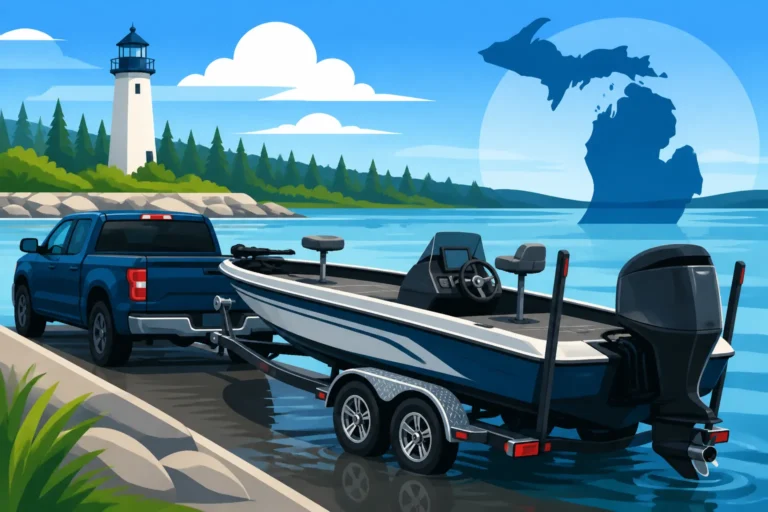
First, trailering. A 25-foot boat with a deep-V hull and a beefy outboard or two is a heavy rig. You'll need a serious tow vehicle – think a full-size pickup truck or heavy-duty SUV – capable of safely pulling thousands of pounds. This isn't just about horsepower; it's about braking capacity, suspension, and overall stability on the highway. Beyond the tow vehicle, you need a substantial trailer, often a triple-axle model, which adds to the overall cost and maintenance. Driving a large rig, especially in traffic or through tight turns, requires skill and confidence.
Next, storage. Where will your boat live when it's not on the water? A 25-foot boat might not fit in a standard garage, meaning you'll likely need outdoor storage at your home or a dedicated storage facility, which can be expensive. If you opt for permanent dockage, marina fees can add up quickly. Consider the length of your driveway, your municipal ordinances for boat storage, and your budget for off-site storage.
Finally, launching. While many public boat launches on the Great Lakes are designed to accommodate larger vessels, navigating a massive boat and trailer in a busy ramp area can be stressful. You'll need more space to maneuver, and some smaller or older ramps might not have the depth or turning radius for truly large boats. This is why many owners of larger Great Lakes boats opt for permanent dockage, avoiding the hassle of trailering altogether, which, of course, comes with its own costs. For more information on navigating these practicalities, check out Best Trailer Setup for Michigan Boat Launches. These are very real, often overlooked, considerations that significantly impact the overall cost and convenience of owning a Great Lakes boat.
Budget and Maintenance Costs
Let's be realistic: boats are not cheap, and bigger boats are definitely not cheap. The initial purchase price of a longer, more capable Great Lakes fishing machine can be substantial. Beyond that, the running and maintenance costs scale up significantly with length.
Larger boats almost always require more powerful engines, or multiple engines, which means higher fuel consumption. A long day of trolling or making extended runs to offshore fishing grounds can easily burn dozens of gallons of fuel. Engine maintenance, including oil changes, spark plugs, and annual servicing, becomes more expensive with larger or multiple engines. Think about the costs associated with specific gear, too; equipping a larger vessel with the proper Trolling Gear for Michigan's Great Lakes like heavy-duty rods, reels, downriggers, and advanced electronics can easily run into the thousands. Brands like Bass Pro Shops or online retailers like Amazon offer a wide range of marine electronics and fishing gear, but the cumulative cost for a larger boat setup is still substantial.
Then there are other expenses: insurance premiums are higher for larger, more valuable boats. Winterization and storage costs increase. If you have permanent dockage, those marina fees can be a significant annual outlay. Even routine tasks like waxing the hull or cleaning the deck take more time and require more product. It’s crucial to sit down and honestly assess not just the purchase price, but the ongoing financial commitment required to own and operate a Great Lakes boat of a certain size. Don't let the dream of a huge catch blind you to the realities of boat ownership costs.
Recommended Boat Length Ranges for Great Lakes Fishing
Now, let's talk brass tacks about what length ranges generally make sense for different types of Great Lakes fishing. Remember, these are guidelines, and personal preference, skill, and specific local conditions will always play a role.
Smaller Boats: 17-21 Feet
These boats represent the entry point for many anglers wanting to experience the Great Lakes. They are often multi-species boats, deep-V aluminum boats, or smaller fiberglass runabouts.
Pros:
- Affordability: Generally the most budget-friendly option for purchase and ongoing costs.
- Ease of Trailering & Launching: Much easier to tow with a standard half-ton truck or even a larger SUV, and less stressful to launch at busy ramps.
- Versatility: Many of these boats are designed for both inland lakes and calmer Great Lakes conditions, making them great all-around fishing platforms if you also enjoy smaller waters.
- Fuel Efficiency: Smaller engines mean less fuel consumption, reducing your running costs.
Cons:
- Limited Seaworthiness: These boats will get bounced around significantly in anything over 2-3 foot waves. They are not designed for truly rough conditions and can become unsafe quickly. You'll spend a lot of time checking the forecast and canceling trips.
- Limited Range: Smaller fuel tanks and less comfortable rides mean shorter offshore trips and less time covering ground.
- Less Space: Limited deck space for multiple anglers, gear, and fish boxes. If you're planning on a full spread of trolling rods, it's going to be cramped.
- Exposure: Less protection from spray and wind, leading to a colder, wetter ride in less-than-ideal weather.
Typical Use: These boats are best suited for calmer days on the Great Lakes, targeting species like yellow perch on Lake St. Clair or walleye in Saginaw Bay. They can handle near-shore trolling for salmon and trout on calm mornings but should be reserved for those days when the forecast is absolutely pristine. They are excellent for exploring harbors or fishing protected bays. If you're just starting your Great Lakes journey or primarily fish inland and want occasional Great Lakes access on nice days, a boat in this range might be a good fit. But always err on the side of caution with the weather.
Mid-Sized Boats: 22-27 Feet
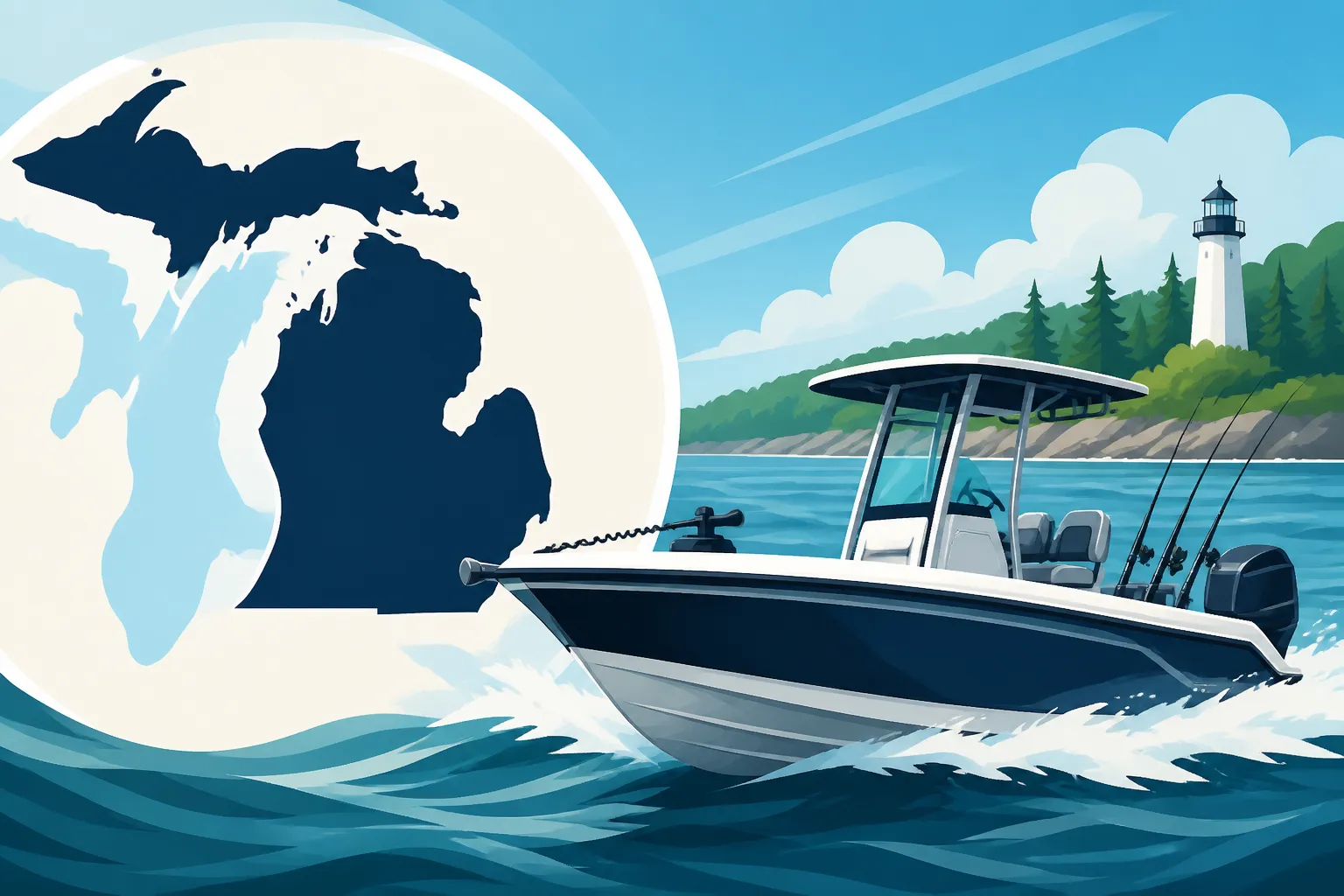
This is arguably the "sweet spot" for many serious Great Lakes anglers, offering a fantastic balance of seaworthiness and manageability. You'll find a wide variety of boat types in this range, including walk-around cuddy cabins, center consoles, and large aluminum deep-V fishing boats.
Pros:
- Excellent Seaworthiness: These boats can comfortably handle 3-5 foot waves, making them much safer and more comfortable in a broader range of Great Lakes conditions. The longer hull bridges waves, and the deeper-V designs cut through chop effectively.
- Good Range: Larger fuel tanks allow for longer runs to distant fishing grounds and extended trolling sessions.
- Ample Space: Enough deck space for 2-4 anglers to fish comfortably, with room for coolers, tackle boxes, and specialized equipment like downriggers and planer boards. This size is ideal for those serious about How to Troll for Salmon on the Great Lakes.
- Comfort & Protection: Many boats in this range offer enclosed cabins or substantial consoles that provide shelter from the elements.
Cons:
- Increased Cost: Higher purchase price, insurance, maintenance, and fuel costs compared to smaller boats.
- Heavier to Trailer: Requires a heavy-duty tow vehicle (3/4 ton truck recommended) and a substantial, often tandem-axle, trailer. Launching can be more challenging for beginners.
- Storage Challenges: May still fit in larger garages or driveways, but often requires outdoor storage or dedicated marina space.
Typical Use: This length range is the workhorse of the Great Lakes fishing fleet. It's ideal for dedicated salmon and trout trolling offshore, venturing into the deeper waters of Lake Michigan or Lake Huron. They are also fantastic for chasing walleye on Lake Erie or Saginaw Bay, offering the comfort and capability to handle changing conditions. Many charter captains operate boats in the upper end of this range due to their versatility and safety. If you're looking for a serious Great Lakes fishing platform that you can still trailer and manage with a reasonable amount of effort, this is likely where you'll find your perfect match. These boats often strike the best balance between capability on the water and practical ownership.
Larger Boats: 28+ Feet
These are the leviathans of the Great Lakes fishing world – dedicated offshore machines, often cabin cruisers or large sportfishing vessels.
Pros:
- Superior Seaworthiness & Comfort: These boats offer the ultimate in ride comfort and safety in almost any conditions the Great Lakes can throw at them (within reason, of course). They have the length, weight, and hull design to make big waves feel manageable.
- Extended Range: Massive fuel tanks and often multiple engines allow for very long runs, overnight trips, or multi-day excursions to remote fishing grounds.
- Abundant Space & Amenities: Huge decks, large cabins, full heads (bathrooms), galleys (kitchens), and sleeping quarters provide exceptional comfort for multiple anglers or family members.
- Advanced Equipment: Often equipped with sophisticated marine electronics, radar, autopilots, and all the bells and whistles for serious offshore fishing. For details on essential electronics, check out Fish Finders for Michigan Boat Fishing.
Cons:
- Very High Cost: Astronomical purchase prices, maintenance, insurance, and running costs. Fuel bills alone can be eye-watering.
- Challenging to Trailer: Boats in this size range are often difficult, if not impossible, to trailer regularly. They typically require specialized heavy-duty equipment and permits, or are kept at a permanent slip.
- Dedicated Dockage: Almost always require permanent marina dockage, which comes with significant annual fees.
- Complex Systems: More engines, more electronics, more plumbing means more potential for things to go wrong and higher repair bills.
Typical Use: These boats are for the most dedicated Great Lakes anglers, charter operations, or those who truly want to live aboard for extended periods. They are perfect for long-distance runs to prime fishing grounds, multi-day offshore tournaments, or luxury cruising with serious fishing capability. If you have the budget and logistical capacity, a boat of this size will give you the confidence to tackle almost anything the Great Lakes can dish out. For most recreational anglers, however, the practicalities often steer them towards the mid-sized range.
| Boat Length Range | Pros | Cons | Typical Great Lakes Use |
|---|---|---|---|
| 17-21 Feet | Affordable, easy to trailer/launch, versatile for inland & calm Great Lakes. | Limited seaworthiness (2-3ft max), shorter range, less space, minimal protection. | Calm near-shore walleye/perch, protected bays, light tackle fishing. |
| 22-27 Feet | Excellent seaworthiness (3-5ft), good range, ample space for 2-4 anglers, good protection. | Higher cost, requires heavy-duty tow vehicle, moderate storage challenges. | Dedicated offshore salmon/trout trolling, walleye on larger bays, versatile for varied conditions. |
| 28+ Feet | Superior comfort/safety (5ft+), extended range, abundant space/amenities, advanced electronics. | Very high cost, challenging/impossible to trailer, requires permanent dockage, complex systems. | Deep offshore multi-day trips, charter operations, serious sportfishing. |
Key Features to Look For Beyond Length
While length is a crucial starting point, it's just one piece of the puzzle. The boat's design and features are equally important, perhaps even more so, in determining its true Great Lakes capability.
Hull Design and Freeboard
We touched on this earlier, but it bears repeating: hull design is paramount. For the Great Lakes, a deep-V hull is almost universally recommended for any boat venturing far from shore. This design allows the bow to slice through waves rather than pound against them, providing a much softer and drier ride. While a deep-V might feel a little less stable at rest (more "rocky"), the benefits when underway in chop are undeniable. Look for a hull with a deadrise of 18-24 degrees at the transom for a good balance of ride comfort and stability.
Freeboard – the distance from the waterline to the top of the boat's side – is also incredibly important. Higher freeboard means less chance of waves breaking over the bow or splashing into the cockpit, keeping you and your gear drier and safer. When battling a big salmon or lake trout in choppy conditions, you want plenty of boat side between you and the water. A good self-bailing cockpit is also a must. This design ensures that any water that comes over the gunwales drains automatically, preventing it from accumulating and potentially swamping the boat. Check for robust construction, solid hardware, and strong welds or fiberglass laminates – these boats take a beating.
Power and Fuel Capacity
Once you've decided on a length and hull type, consider what's pushing it through the water. Adequate horsepower isn't just about speed; it's about having the ability to safely navigate tough conditions and get back to port quickly if needed. You don't want to be underpowered when a squall rolls in and you need to punch through waves. Consider twin engines for redundancy on larger boats; if one fails, you still have power to get home.
Equally important is fuel capacity. Great Lakes fishing often involves long runs, and you don't want to be constantly worrying about running out of gas. A good rule of thumb is to calculate your anticipated round trip, double it for a safety margin, and then ensure your tank can hold that much fuel. For offshore fishing, having enough fuel for 100-200 miles of range is not uncommon. Think about the types of journeys you anticipate making. If you're exploring Michigan's Upper Peninsula Fishing Spots Guide, you might find fuel stops less frequent, making larger tanks even more critical. Always factor in extra fuel for trolling, which can be surprisingly thirsty over a full day.
Safety Equipment and Electronics
No matter the length of your boat, safety should always be your number one priority. The Great Lakes are unforgiving, and being prepared is non-negotiable. This means having all required Michigan Boating Laws for Anglers safety equipment onboard, including life jackets for everyone, throwables, flares, and a first-aid kit.
Beyond the basics, marine electronics are your lifeline. A reliable VHF radio is essential for communicating with other boats and marine authorities, especially when cellular service is spotty miles offshore. A GPS chartplotter is critical for navigation, marking fishing spots, and finding your way back to port, especially in fog or at night. Many anglers opt for units that combine GPS with a fish finder, providing invaluable information about underwater structure and fish schools. Fish Finders for Michigan Boat Fishing are indispensable for targeting specific depths and areas. On larger vessels, radar can be a game-changer for navigating in dense fog or at night, detecting other vessels and aids to navigation.
Don't skimp on quality when it comes to these items. Brands widely available at retailers like Bass Pro Shops or online via Amazon offer excellent marine electronics from manufacturers like Garmin, Lowrance, and Humminbird. Regular maintenance and familiarization with your safety gear and electronics are just as important as having them. Always tell someone your float plan before heading out, especially on the vast waters of the Great Lakes. For broader regulatory details, check out the Michigan Great Lakes Fishing Regulations Guide.
Disclaimer
This article is for general informational purposes only and does not constitute professional advice. Laws, prices and regulations vary by location and change over time. Consult a qualified professional for guidance on your specific situation.