Michigan Ice Fishing Gear Guide
The biting cold, the seemingly endless expanse of a frozen Michigan lake, the sheer thought of venturing out onto that hard water can be daunting for even experienced anglers. Many people dream of pulling a fat walleye or a stringer full of perch through a hole in the ice, but they get tripped up by the sheer volume of gear options out there, or worse, they worry about staying safe and warm enough to actually enjoy the experience. This guide is here to cut through the confusion and walk you through every piece of essential ice fishing gear you'll need to confidently and comfortably chase fish on Michigan's frozen lakes this winter.
The Absolute Foundation: Ice Safety Gear You Can't Live Without
Before you even think about drilling a hole or setting up a shelter, your top priority on any Michigan ice fishing adventure has to be safety. The ice can be unpredictable, especially with our fluctuating winter temperatures, and being prepared for the worst-case scenario isn't just smart, it's absolutely critical. Never, ever skimp on safety gear; it's the investment that literally saves lives.
Ice Picks: Your Immediate Self-Rescue Tool
Imagine this: you're walking across a seemingly solid patch of ice, perhaps just after an early season cold snap, and suddenly, the unthinkable happens. The ice gives way. In that terrifying moment, every second counts. Ice picks are not just an accessory; they are your primary self-rescue tool designed to give you immediate grip on slippery ice edges to pull yourself out of the water. They are usually compact, with sharp metal points, and are often tethered together by a cord to wear around your neck or in an easily accessible pocket.
These simple, inexpensive tools are often overlooked by beginners, but they're absolutely vital. If you fall through, your hands will be wet, cold, and likely struggling to find purchase on the slick ice. Having those picks instantly available allows you to dig them in, gain leverage, and begin the process of pulling yourself back onto solid ice. It's a small item that makes an enormous difference in a high-stress situation, turning a potentially catastrophic event into a manageable one. Remember to always keep them outside your jacket, readily available, not buried deep in a pocket.
Spud Bars and Ice Augers: Assessing and Penetrating the Ice
Before you even consider stepping onto a new patch of ice, a spud bar is your best friend for verifying ice thickness. This heavy, chisel-ended metal bar is swung downward to chip at the ice ahead of you, giving you an immediate, audible, and tactile assessment of its solidity. It's particularly useful at the beginning of the season, when ice is just forming, or when you're exploring unfamiliar areas where ice conditions can vary wildly, even just a few feet apart. How Thick Does Ice Need to Be to Fish in Michigan is a critical piece of information to know, and a spud bar helps you verify it.
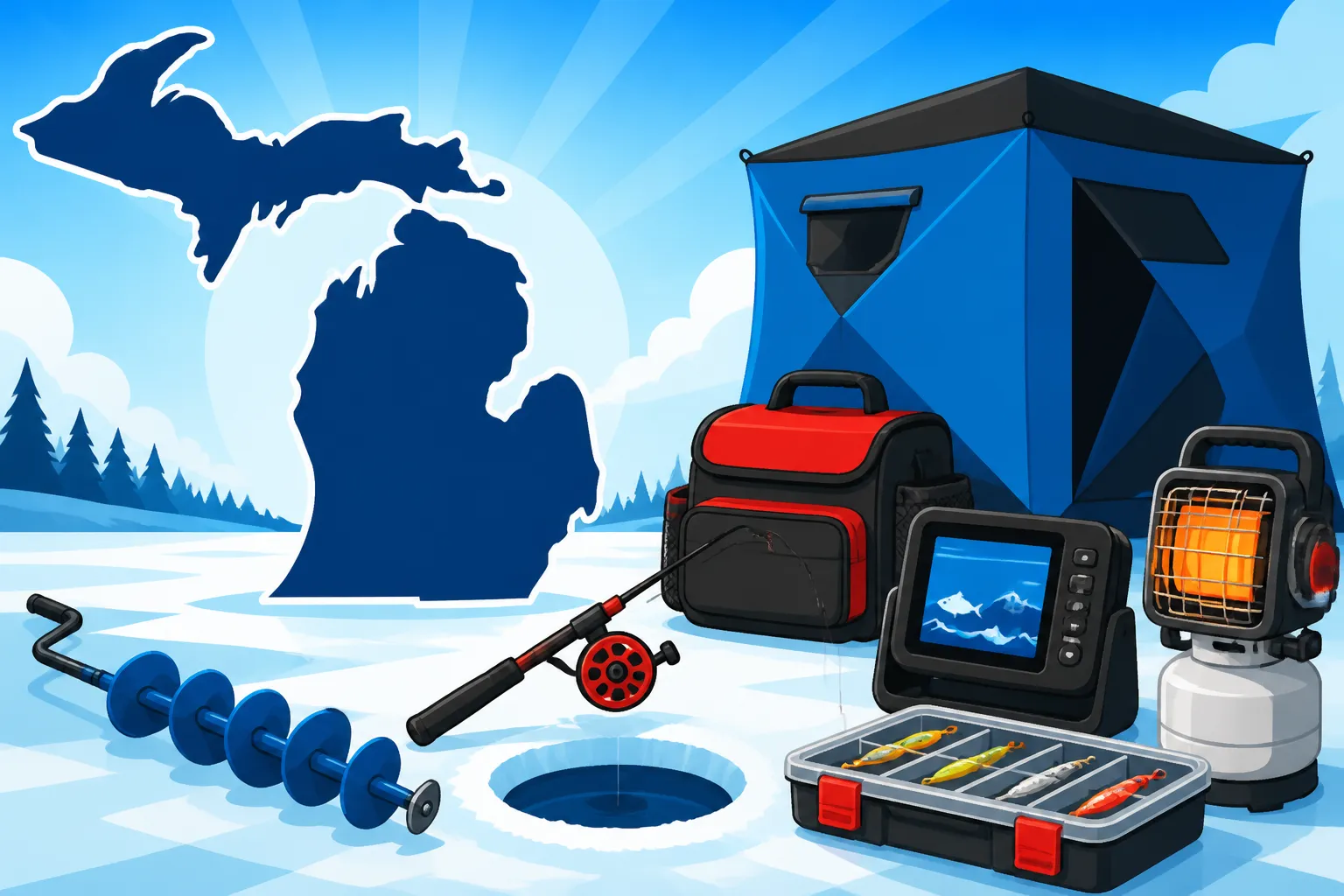
Once you've determined the ice is safe, your ice auger comes into play. This is the tool that creates the fishing holes, allowing you to access the water below. There are several types of augers, each with its own benefits. Manual augers are perfect for those who enjoy the workout and want a quieter, less expensive option, especially on thinner ice. They're great for smaller setups or when you don't plan on drilling dozens of holes.
Power augers, whether gas-powered, propane, or increasingly popular electric models, are a godsend for thicker ice or for anglers who want to drill many holes quickly and efficiently. Electric augers, powered by rechargeable batteries, are becoming favorites due to their quiet operation, lack of fumes, and ease of use. They require minimal maintenance compared to gas models, which is a huge plus on a cold morning. When considering which to buy, think about the typical ice thickness in your fishing spots and how many holes you realistically plan to drill. For serious Michigan ice anglers, a reliable power auger is often a worthwhile investment.
Shelter from the Storm: Keeping Warm and Comfortable on the Ice
Michigan winters can be brutal, with wind, snow, and plummeting temperatures combining to make a day on the ice less than pleasant without proper protection. An ice fishing shelter isn't just about comfort; it's about extending your time on the ice, staying safe from the elements, and ultimately, catching more fish because you're not shivering the whole time.
Pop-Up and Flip-Over Shelters: Your Mobile Home Away From Home
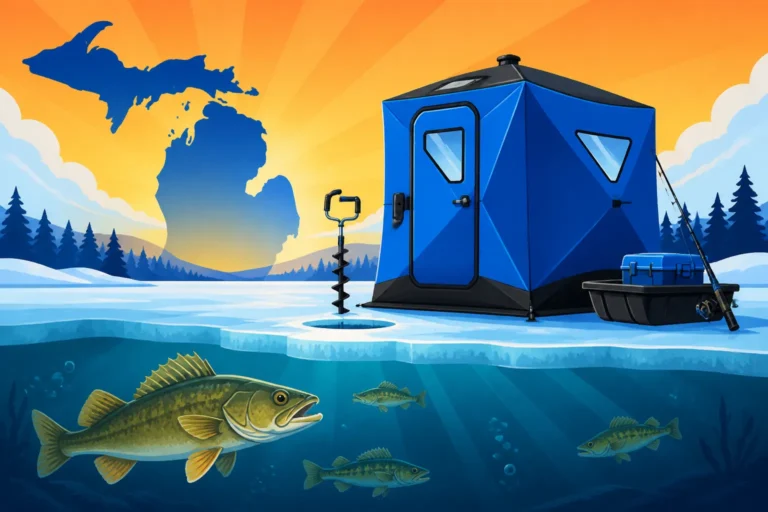
When it comes to ice fishing shelters, you generally have two main categories: pop-up shanties and flip-over shelters. Pop-up shelters, like those found at Bass Pro Shops, are incredibly popular for their portability and spacious interiors. They resemble large camping tents, collapsing into a manageable bag for transport. Once on the ice, they "pop up" in minutes, providing ample room for several anglers, a heater, and all your gear. They excel in providing a comfortable, wind-protected environment, allowing you to fish in relative luxury even when the wind howls outside.
Flip-over shelters, on the other hand, are often designed for solo anglers or duos and are built onto a sled base. This design makes them incredibly quick to deploy and pack up – you simply "flip" the tent portion over, and you're ready to fish. The sled base doubles as storage for your gear and makes for easy transport across the ice, especially if you're pulling it by hand or with an ATV. While they might offer slightly less interior space than a large pop-up, their speed and convenience for mobile fishing tactics, where you move frequently to find fish, are unmatched. Think about your typical fishing style: are you a stationary angler, or do you like to chase the bite? This will heavily influence your choice.
Portable Heaters and Ventilation: Staying Toasty and Safe
A good portable heater is absolutely essential for transforming your ice shanty from a cold canvas box into a comfortable fishing sanctuary. Propane heaters are the most common choice, offering reliable and efficient heat. Brands like Mr. Heater are very popular among ice anglers for their safety features and heat output. These heaters often come with safety shut-off valves that activate if the unit tips over or if oxygen levels drop too low, which is a critical feature to look for.
However, heat comes with a crucial caveat: carbon monoxide. Because ice shelters are enclosed spaces, proper ventilation is not just recommended, it's a non-negotiable safety measure. Always ensure your shelter has adequate vents or partially open a door or window to allow fresh air circulation. Carrying a portable carbon monoxide detector is also an extremely wise precaution. It's a small device that provides immense peace of mind, allowing you to focus on the fishing without worrying about unseen dangers. Remember, staying warm is important, but staying safe is paramount.
The Angler's Arsenal: Rods, Reels, and Line for the Hardwater
Once you're safe and warm, it's time to talk about the business end of ice fishing: the rods, reels, and line that connect you to the fish below. You might think a regular rod and reel would work, but specialized ice fishing gear makes a world of difference in sensitivity, control, and overall enjoyment.
Ice Fishing Rods: Sensitivity and Control
Ice fishing rods are noticeably shorter than open-water rods, typically ranging from 24 to 48 inches. This compact length is crucial for fishing in tight quarters inside a shelter and for allowing you to sit directly over your hole for maximum control. The sensitivity of an ice rod is paramount; often, a fish will only "kiss" the bait, and a highly sensitive rod tip allows you to detect even the slightest tap. You'll find options ranging from ultra-light action for panfish like bluegill and perch to medium-heavy or heavy action rods for larger species like walleye, pike, or even muskellunge.
The blank material also plays a huge role in sensitivity. Graphite rods offer incredible sensitivity, transmitting subtle bites directly to your hand. Fiberglass rods, while less sensitive, are often more durable and offer a better parabolic bend, which can be advantageous when fighting bigger fish and preventing hooks from pulling out. Many rods now feature a blend of both, offering a good balance. Consider your target species and typical lure weight when selecting the right action and material for your Michigan ice fishing adventures.
Ice Fishing Reels: Smoothness and Durability in the Cold
Just like rods, reels designed specifically for ice fishing offer distinct advantages. Spinning reels are the most common choice, favored for their versatility and ease of use. Look for reels with a smooth drag system, as fighting a fish in freezing temperatures can quickly expose flaws in a cheap reel. Cold weather can also stiffen lubricants and affect tolerances, so a reel designed with cold-weather performance in mind will serve you much better.
Inline reels are gaining popularity, especially for panfish and trout. These reels are designed to eliminate line twist, which can be a major issue with traditional spinning reels when repeatedly dropping small, lightweight jigs down a hole. They also offer a very direct connection to the fish, allowing for precise depth control. Whatever type you choose, ensure the reel is built with durable materials that can withstand the harsh conditions, and perhaps even wear a lightweight glove to avoid direct contact with freezing metal components.
Ice Fishing Line: Visibility, Strength, and Freezing Resistance
The type of line you choose for ice fishing is also critical. Monofilament line is a classic choice, offering stretch that can be forgiving when a fish strikes hard, helping to prevent hooks from tearing out. However, mono can also absorb water and become brittle in extreme cold, and its stretch can reduce sensitivity. Fluorocarbon line is an excellent alternative, offering less stretch than mono for increased sensitivity and being virtually invisible underwater, a huge advantage in clear Michigan waters. It's also more resistant to water absorption and freezing.
Braided line offers the ultimate in sensitivity and strength with almost zero stretch. However, braided line will absorb water, which can then freeze on your reel spool and guides, creating frustrating issues. Many anglers combat this by using a short fluorocarbon or monofilament leader with braid as the main line. The general rule of thumb for ice fishing is to use lighter line than you might for open water, as the direct vertical presentation and often clear water conditions make heavy line more visible to wary fish. What Line Weight for Michigan Steelhead is a good read if you're targeting those powerful species through the ice.
Lure 'Em In: Baits, Lures, and Terminal Tackle
Once you've got your rods, reels, and line sorted, it's time for the exciting part: choosing what to put on the end of your line to entice those Michigan fish! Ice fishing baits and lures are often smaller and more subtle than their open-water counterparts, designed to appeal to fish that may be less active in cold water.
Jigs, Spoons, and Rattle Baits: Attracting Fish Below
For panfish like perch, bluegill, and crappie, small tungsten jigs are incredibly effective. Tungsten is much denser than lead, allowing these tiny jigs to sink quickly and feel heavier on light line, improving bite detection. Tip these jigs with a maggot, wax worm, or a small piece of soft plastic, and you've got a deadly combination. The key is to impart subtle action, jigging them gently to mimic small insects or crustaceans.
For larger species like walleye, pike, and even lake trout, a wider array of lures comes into play. Jigging spoons, often brightly colored or with holographic finishes, are excellent for attracting fish from a distance. Their erratic flutter on the fall can trigger aggressive strikes. Rattle baits, which contain internal beads that create noise, are also fantastic for drawing attention in stained water or when fish are scattered. These lures mimic baitfish and can be jigged aggressively or allowed to pendulum softly. Consider a selection of these for your tackle box, varying in size and color to match the conditions and species you're targeting.
Live Bait: The Irresistible Enticement
While artificial lures are highly effective, sometimes nothing beats the real thing. Live bait remains a staple for many Michigan ice anglers, and for good reason: it's often irresistible to cold-water fish. Minnows are probably the most popular live bait, especially for walleye and pike. They can be fished on a jig, under a bobber, or on a tip-up, offering natural movement that fish can't ignore. Having a good minnow bucket with an aerator is crucial for keeping them lively throughout the day.
Worms, particularly wax worms and spikes (maggots), are incredibly effective for panfish. Their small size and squirming action are perfect for tipping tiny jigs. They're also quite durable and easy to keep alive in a small container. Don't forget about various insect larvae and grubs, which can also be highly productive. While sometimes a bit messier to handle in the cold, the natural appeal of live bait can often turn a slow day into a successful one. Remember to check local regulations on bait usage, as some waters may have restrictions on certain live baits.
Tip-Ups: Passive but Highly Effective Fishing
Tip-ups offer a fantastic way to cover more water and fish multiple holes simultaneously, legally, of course! These simple devices consist of a spool of line submerged in the water, and a flag that "tips up" when a fish takes the bait. They allow you to spread out your presentation, covering different depths or areas of a fishing spot without needing to actively hold a rod. How Many Tip-Ups Can You Use in Michigan is a good read to ensure you're compliant with state law.
Often rigged with live minnows or shiners, tip-ups are particularly deadly for walleye, pike, and lake trout. The setup is straightforward: bait your hook, set your desired depth, and leave it to do its work. When the flag goes up, it’s a rush of excitement as you sprint to the hole, grab the line, and hand-over-hand fight the fish. They're an excellent addition to any Michigan ice angler's gear list, especially when you're targeting those larger, more predatory species.
Stay Warm, Stay Safe: Essential Clothing and Personal Comfort
The saying "there's no bad weather, only bad clothing" holds especially true for Michigan ice fishing. Being cold isn't just uncomfortable; it's dangerous. Hypothermia is a real threat, and dressing properly is your best defense against the harsh elements.
Layering Systems: The Key to Warmth and Adaptability
The secret to staying warm on the ice is a strategic layering system. Forget bulky single coats; think multiple, thinner layers that trap air and allow you to adjust to changing temperatures and activity levels. Start with a moisture-wicking base layer against your skin. This layer, typically made of synthetic materials or merino wool, draws sweat away from your body, preventing that clammy, cold feeling. Cotton is a huge no-no as a base layer because it holds moisture and loses its insulating properties when wet.
Next comes your mid-layer, providing insulation. Fleece jackets, down vests, or synthetic insulated jackets are perfect for this. They add warmth without excessive bulk. Finally, your outer layer should be waterproof and windproof, protecting you from snow, freezing rain, and bitter winds. This shell layer can be part of a full flotation suit (highly recommended for safety) or a separate heavy-duty winter jacket and bibs. The ability to add or remove layers as you move, drill holes, or sit in your shelter is crucial for regulating your body temperature.
Boots, Gloves, and Headwear: Protecting Extremities
Your extremities are the most vulnerable to frostbite, so investing in high-quality boots, gloves, and headwear is paramount. For boots, look for insulated, waterproof options rated for extremely cold temperatures, often with a rating down to -40°F or even colder. Muck Boots or similar brands with thick insulation and a waterproof membrane are excellent. Layering wool socks can add extra warmth, but ensure your boots aren't so tight that they restrict circulation.
Gloves are tricky because you need both warmth and dexterity. Many anglers opt for a layering approach here too, wearing thin, sensitive gloves for knot-tying and baiting, and then pulling on thick, insulated, waterproof mittens or gloves over them for general warmth. You can also find "flip-mitts" which allow you to expose your fingers quickly. For headwear, a warm hat that covers your ears is essential, as a significant amount of body heat is lost through your head. A balaclava can provide additional face and neck protection on particularly windy days.
Essential Extras: Electronics, Tools, and Comfort Items
Beyond the core gear, a few extra items can significantly enhance your ice fishing experience, making you more efficient, more successful, and even more comfortable on the ice. These might not be strictly necessary for your first trip, but you'll quickly appreciate their value.
Fish Finders and Underwater Cameras: Seeing What's Below
Modern electronics have revolutionized ice fishing. A portable fish finder, often called a flasher, allows you to see what's happening beneath the ice in real-time. You can identify fish, gauge their depth, and even see your lure as it descends, allowing you to present it right to the fish. This immediate feedback helps you understand fish behavior and adjust your presentation accordingly. Brands like Humminbird and Garmin offer excellent ice-specific flasher units.
Underwater cameras take this a step further, providing a live video feed of the aquatic world below. You can identify specific fish species, observe their reactions to your lure, and even see the structure they're holding onto. While not as effective for quickly locating fish over a wide area as a flasher, a camera offers incredible insight into fish behavior and can be endlessly fascinating. Both flashers and cameras run on rechargeable batteries, so ensure you have enough power for a full day on the ice.
Ice Skimmers, Rod Holders, and Pliers: Tools for Efficiency
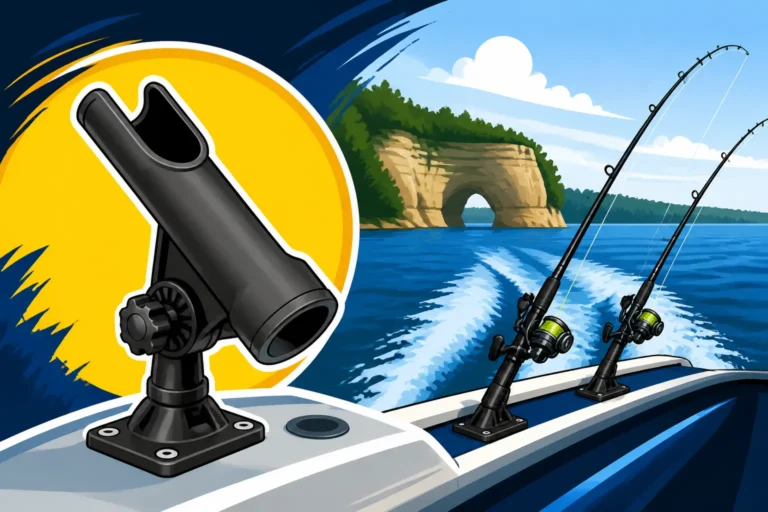
A simple ice skimmer (or ladle) is indispensable for keeping your fishing hole clear of slush and ice buildup. Even in a heated shanty, ice can form, and a quick scoop with a skimmer ensures your line runs freely. Portable rod holders, whether tripod-style or those that attach to the side of your bucket, allow you to set multiple rods, particularly helpful when jigging one hole and leaving another on a dead stick (a rod left mostly still).
A good pair of long-nose pliers or forceps is crucial for safely unhooking fish, especially those with sharp teeth like pike or walleye. A small pair of line clippers or a knife is also essential for tying knots and cutting line. Don't forget a tape measure and a small scale for recording your catches – it's always fun to know the size of that trophy walleye you just landed. These small tools, while easily overlooked, contribute greatly to a smooth and enjoyable day.
| Item Type | Key Function | Typical Species Targeted | Average Cost (Shape) | Importance Level |
|---|---|---|---|---|
| Ice Picks | Self-rescue from fall-through | N/A (Safety) | Very Low | Critical |
| Spud Bar | Ice thickness testing | N/A (Safety) | Low | High |
| Auger (Manual) | Drilling fishing holes | All | Low | Essential |
| Auger (Power) | Rapid hole drilling | All | Moderate to High | Essential |
| Pop-Up Shelter | Wind & cold protection | All | Moderate | High |
| Flip-Over Shelter | Wind & cold protection, mobility | All | Moderate to High | High |
| Portable Heater | Interior warmth | All | Moderate | High |
| Flotation Suit | Buoyancy & insulation (safety) | N/A (Safety) | High | Critical |
| Ice Rod & Reel | Fishing setup | Specific to action | Low to Moderate | Essential |
| Tungsten Jigs | Lures for panfish | Perch, Bluegill, Crappie | Low | High |
| Jigging Spoons | Lures for predatory fish | Walleye, Pike, Trout | Low | High |
| Minnow Bucket | Live bait storage | Walleye, Pike, Trout | Low | High (with live bait) |
| Tip-Ups | Passive fishing, cover water | Walleye, Pike, Trout | Low | Very Useful |
| Layered Clothing | Personal warmth & safety | N/A (Comfort/Safety) | Moderate to High | Critical |
| Insulated Boots | Foot warmth | N/A (Comfort/Safety) | Moderate | Critical |
| Fish Finder (Flasher) | Locate fish, see lure | All | High | Very Useful |
| Ice Skimmer | Clear ice holes | All | Very Low | Essential |
Transporting Your Gear: Getting Across the Ice
Hauling all this essential gear onto the ice can be a workout, especially if you're venturing far from your access point. Having the right transport method can save you energy and make your entire ice fishing trip more enjoyable.
Sleds and Gear Haulers: Manual Power
For those who prefer to keep things simple, or for shorter hauls, a heavy-duty sled is a fantastic, cost-effective option. These plastic sleds are designed to be pulled by hand, typically with a rope harness, and can carry a surprising amount of gear, from your auger and shelter to your cooler and tackle boxes. Look for sleds with high sides to prevent gear from spilling out and a robust tow rope that won't dig into your hands. Many anglers customize their sleds with bungee cords or even build wooden frames to keep everything organized.
If you're fishing in easily accessible areas or prefer a more mobile, minimalist approach, a good sled is often all you need. It forces you to be strategic about what you bring, ensuring you only carry the essentials. It's a humble piece of equipment, but a reliable sled is a workhorse that many Michigan ice anglers wouldn't do without. They're also relatively inexpensive and durable, standing up to years of abuse on the ice.
ATVs and Snowmobiles: When Distance and Weight are Factors
For serious ice anglers who venture far out onto vast lakes like Saginaw Bay or Houghton Lake, or who simply want to transport a lot of gear with minimal effort, an ATV (All-Terrain Vehicle) or snowmobile becomes an invaluable asset. These machines can quickly cover miles of ice, making remote spots accessible and allowing you to move around freely to find the hottest bite. Many anglers attach large sleds or custom-built ice shacks directly to their machines, creating mobile fishing setups.
However, using motorized vehicles on the ice comes with its own set of responsibilities and safety considerations. Always ensure the ice is thick enough to support the weight of your vehicle, not just yourself. Check local regulations regarding vehicle use on specific bodies of water. Carry extra fuel, tools, and a communication device. And always, always drive with caution, especially in low visibility or unfamiliar territory. While they offer unparalleled convenience, ATVs and snowmobiles require careful planning and respect for the ice conditions. Michigan Boating Laws for Anglers can sometimes have crossover rules for ice vehicles, so it's always wise to check.
Staying Prepared: The Unseen Essentials
Beyond the main categories of gear, there are a few other items that don't fit neatly into a box but are nonetheless crucial for a successful and safe Michigan ice fishing outing. These are the things that often get overlooked until you desperately need them.
First Aid Kit and Emergency Supplies: Expect the Unexpected
No matter how careful you are, accidents can happen on the ice. A well-stocked first aid kit is an absolute must-have. It should include basics like bandages, antiseptic wipes, pain relievers, and any personal medications. But for ice fishing, also consider items specific to cold weather: hand warmers, emergency blankets, and perhaps even a small stove or fuel for melting snow if you get stranded.
It’s also wise to carry a reliable form of communication, like a fully charged cell phone (in a waterproof bag) or a satellite messenger device, especially if you're fishing in remote areas with spotty cell service. A headlamp or flashlight is essential for early morning setups or late evening pack-ups, and a spare battery for any electronic devices can be a lifesaver. Being prepared for an unexpected overnight stay or a minor injury can make all the difference in a wilderness setting.
Food, Drink, and Trash Management: Sustaining Yourself and the Environment
Ice fishing is an energy-intensive activity, and staying hydrated and fueled is crucial for maintaining warmth and focus. Pack plenty of high-energy snacks like granola bars, nuts, and sandwiches. Hot drinks in a thermos—coffee, tea, or hot chocolate—are incredibly comforting and help keep your core temperature up. Don't forget water; even in cold weather, dehydration is a risk.
Finally, practice good stewardship of Michigan's beautiful natural resources. Pack out everything you pack in. This includes all food wrappers, empty bait containers, and any broken fishing line. Leaving trash on the ice not only harms the environment but can also be unsightly and dangerous for wildlife and other anglers. Bringing a small trash bag specifically for your waste ensures you leave your fishing spot as clean, or cleaner, than you found it. This simple act reflects a deep respect for the outdoors that every Michigan angler should embody. Michigan Fishing Regulations Every Angler Should Know often includes details about environmental practices.
Finding Your Gear: Where to Buy and What to Look For
When it comes to outfitting yourself for Michigan ice fishing, you have a wealth of options. Local bait and tackle shops are fantastic resources. Not only do they often have specialized gear perfectly suited for local conditions, but the staff can provide invaluable advice on current ice conditions, hot baits, and fishing reports. Supporting these local businesses also strengthens the angling community.
Large outdoor retailers like Bass Pro Shops offer an extensive selection of ice fishing gear, from basic hand augers to top-of-the-line electric augers and spacious shelters. They often have sales and a wide variety of brands, allowing you to compare products side-by-side. Online retailers like Amazon also provide a convenient way to research and purchase gear, often with competitive pricing and home delivery. Just remember that when buying online, you can't physically examine the product, so rely on reviews and detailed product descriptions. Always prioritize quality and safety when making your choices, as reliable gear makes for a much more enjoyable and successful day on the ice.
Disclaimer
This article is for general informational purposes only and does not constitute professional advice. Laws, prices and regulations vary by location and change over time. Consult a qualified professional for guidance on your specific situation.