What Is the State Record Walleye in Michigan
Every angler dreams of landing that one fish that makes history, the one that measures up against the best. For those of us who chase the elusive walleye across Michigan's vast and diverse waters, that dream often revolves around the state record. This guide is dedicated to exploring the legendary status of Michigan's state record walleye, what it takes to catch such a behemoth, and the incredible fishery that continues to inspire us all.
The Allure of the Michigan State Record Walleye
There's just something about walleye that truly captures the hearts and minds of Michigan anglers. Maybe it's their elusive nature, their finicky bites, or perhaps it's the sheer joy of reeling in a fish that's not only a challenging fight but also absolutely delicious on the dinner plate. Whatever the reason, the walleye holds a special place in our state's fishing culture, and the idea of catching a record-breaker is a powerful motivator.
Why the Walleye is Michigan's Prized Catch
Walleye aren't just fish; they're an experience. They're known for their distinctive "eye shine" (from which they get their name, due to a light-gathering layer in their eyes), their preference for low-light conditions, and their uncanny ability to find the choicest spots in a lake or river. When you hook into a good walleye, you know it. They fight hard, with powerful head shakes and runs that test your tackle and your patience. For many, a Michigan fishing trip isn't complete without a few walleye in the cooler. Beyond the fight, they are undeniably one of the best-tasting freshwater fish available, with delicate, flaky white meat that makes for an incredible meal. It's this combination of challenge, beauty, and culinary reward that solidifies the walleye's status as a truly prized catch.
The Thrill of Chasing a State Record
The idea of catching a state record fish is the stuff of legends. It's a dream that keeps us bundling up in the cold, launching our boats before dawn, and enduring long days on the water. It’s not just about the size of the fish; it’s about the story, the persistence, and the fleeting chance to etch your name into the angling history books. Imagine the excitement, the trembling hands, the disbelief as you pull a truly massive walleye from the depths, knowing it might be something truly special. The chase for a state record represents the pinnacle of angling achievement, a testament to skill, knowledge, and a little bit of pure luck. It inspires countless hours of studying maps, researching fishing reports, and perfecting techniques, all for that one magical moment.
What You Need to Know About Michigan's State Record Walleye
When we talk about state records, we're talking about more than just big fish; we're talking about officially verified, recognized giants that stand above the rest. Michigan's state record walleye is a true behemoth, a testament to the incredible potential of our waters. Knowing its history and the process for verification is crucial for any aspiring record breaker.
Unveiling the Current Record Holder
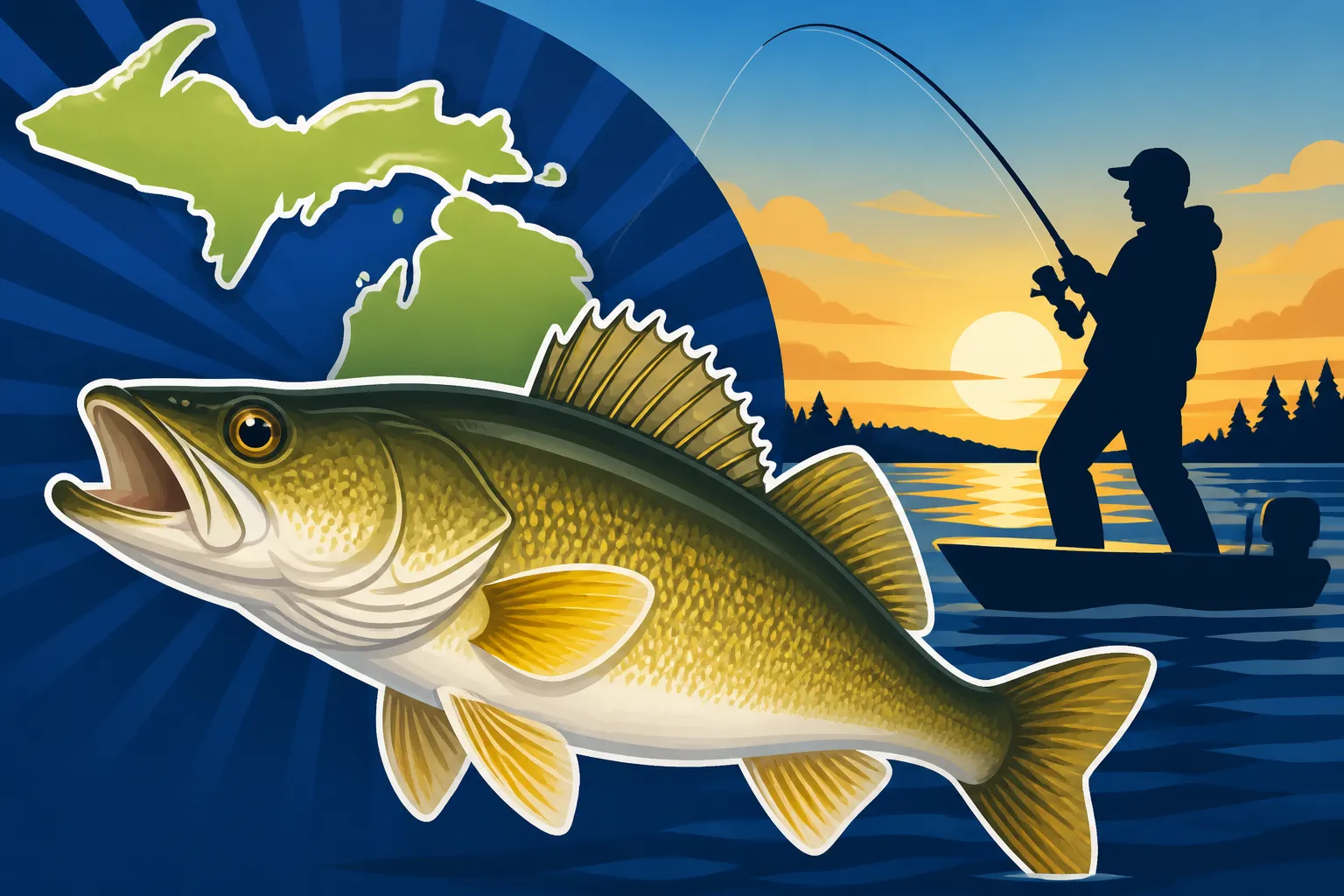
The current Michigan state record walleye is a monumental catch that has stood for decades, inspiring awe and ambition in anglers across the state. This legendary fish weighed in at an astounding 17 pounds, 10 ounces. It was caught way back in 1951 from the waters of Pine River in the Upper Peninsula by an angler named Gus Wickstrom. Think about that for a moment: 1951! This means the record has withstood over 70 years of dedicated anglers, advancements in fishing technology, and countless hours of pursuit. It truly speaks to the incredible size of that particular fish and the challenge it presents to anyone hoping to surpass it. The sheer longevity of this record is a source of both pride and frustration for those who continually try to best it, serving as a constant reminder of the incredible fish that swim in our Michigan rivers and lakes.
The Process of Verifying a State Record
Catching a potential state record fish is only half the battle; getting it officially recognized is another challenge entirely. It's not enough to just catch a huge fish and tell your buddies about it. There's a stringent process in place to ensure the legitimacy of any claim. First and foremost, the fish must be weighed on a certified scale, usually at a grocery store or an official weigh station, often in the presence of witnesses. The scales must be inspected and certified for accuracy, leaving no room for doubt.
Next, the species of the fish must be positively identified by a qualified fisheries biologist or a Michigan Department of Natural Resources (DNR) official. This step is critical, especially for species that have close look-alikes, like distinguishing a walleye from a sauger or a saugeye. Measurements of the fish's length and girth are also typically taken. Detailed photographs are a must, capturing the fish from multiple angles, ideally with the angler and the scale visible. There's usually an application form that needs to be filled out with all the pertinent details of the catch, the location, and the gear used. It's a thorough process, but it's essential to maintain the integrity of the state record books. For more detailed information on regulations, you'll want to review the Michigan Fishing Regulations Every Angler Should Know.
Strategies for Targeting Trophy Walleye in Michigan Waters
Chasing trophy walleye, let alone a potential state record, requires a specific mindset and approach. These aren't your average eaters; these are seasoned veterans of the underwater world, wary and often found in specific locations. You can't just throw a line in anywhere and expect to hook a giant.
Best Waters Known for Large Walleye
Michigan is blessed with an abundance of fantastic walleye fisheries, but some waters consistently produce bigger fish. When you're dreaming of a record-breaker, you'll want to focus your efforts on these prime locations. Saginaw Bay on Lake Huron is legendary for its massive walleye population, offering vast expanses of fertile water where walleye can grow to impressive sizes. It’s a popular spot for both boat and ice fishing. The Detroit River is another hotspot, especially during its famous spring and fall runs, where colossal walleye migrate through its currents, offering incredible opportunities for jigging and trolling. Lake St. Clair, while more famous for smallmouth bass and muskellunge, also holds a healthy population of large walleye, particularly in certain areas and during specific times of year. Don't forget the deeper, colder waters of the Great Lakes themselves, where some truly monstrous walleye lurk, often requiring specialized open-water trolling techniques. Further north, the expansive waters of Lake Erie and parts of Lake Michigan and Huron also yield impressive catches. Each of these bodies of water has its nuances, its seasonal peaks, and its preferred methods, but they all share the potential for truly exceptional walleye.
Key Techniques and Gear for Trophy Walleye
Targeting trophy walleye often means employing specific techniques tailored to their habits and the conditions of the water. Trolling is a hugely popular and effective method, especially on larger lakes and bays like Saginaw Bay or Lake Erie. This involves pulling crankbaits or spinner rigs behind a boat, often using planer boards to spread out lines and cover more water. Depths are critical, and using a good fish finder is essential to locate structure and schools of baitfish where walleye might be ambushing prey. For river fishing, jigging with soft plastics or minnows is a deadly technique, allowing you to present bait directly in front of their noses in current seams and deeper holes. Slip bobber fishing with live bait, such as leeches or shiners, can also be incredibly effective, especially when walleye are suspended or holding tight to structure.
When it comes to gear, you'll want reliable, sturdy equipment. A medium-heavy to heavy power rod with a fast action tip is ideal for setting hooks in tough walleye mouths and handling their powerful runs. Pair that with a smooth, durable spinning or baitcasting reel spooled with strong braided line and a fluorocarbon leader for abrasion resistance and stealth. Don't skimp on your lures; quality crankbaits from reputable brands and sharp, strong hooks are critical. You can find a fantastic selection of these specialized baits and heavy-duty rods and reels on platforms like Amazon, making it easier to gear up for your next trophy hunt. Remember, bigger walleye often mean bigger baits, so don't be afraid to throw larger profile crankbaits or use a substantial jig. If you're looking into specific gear, you might find more helpful tips in our guide on Best Tackle for Michigan Walleye Fishing.
Understanding Walleye Behavior for Big Catches
To consistently catch trophy walleye, you need to think like a walleye. These fish are opportunistic predators, often lurking in low-light conditions or deeper water. They are highly sensitive to light, which is why they are often most active at dawn, dusk, and even at night. Understanding their seasonal movements is key. In spring, they migrate into shallower waters and rivers to spawn, offering excellent opportunities for shore anglers and boaters alike. As summer progresses, they move to deeper, cooler waters, often congregating around structures like reefs, humps, drop-offs, and points where they can ambush baitfish. Fall sees them feeding heavily in preparation for winter, often becoming more aggressive.
Water temperature plays a huge role in their activity levels and preferred depths. Using a good thermometer and adjusting your presentation to match the water temperature can make a significant difference. Pay attention to changes in weather patterns as well; cloud cover, wind, and barometric pressure can all influence walleye behavior. Finally, understanding their forage base is paramount. If you can locate schools of baitfish, you're likely to find walleye nearby. Matching the hatch, so to speak, with lures that mimic their natural prey in terms of size, shape, and color can dramatically increase your success rate. This kind of nuanced understanding comes with experience, but by actively observing conditions and fish behavior, you'll greatly improve your chances of hooking into a true Michigan giant.
Beyond the Record: Enjoying Michigan's Walleye Fishery
While the dream of a state record is exciting, the vast majority of our time on the water is spent simply enjoying the pursuit of these incredible fish. Michigan's walleye fishery offers so much more than just record-breaking potential; it provides countless opportunities for memorable days, delicious meals, and a deep connection to nature.
Respecting Regulations and Conservation
As passionate anglers, it's our collective responsibility to ensure that Michigan's walleye populations remain healthy and thriving for generations to come. This means strictly adhering to all fishing regulations, which include specific Michigan Walleye Size and Possession Limits and daily bag limits. These rules are not arbitrary; they are carefully crafted by fisheries biologists to manage populations, protect spawning stock, and allow fish to reach maturity. Taking only what you need and practicing responsible catch-and-release, especially for larger breeding-size fish, helps maintain the delicate balance of the ecosystem. If you do plan to keep a fish, make sure it meets the legal size requirements and contribute to the sustainability of this wonderful resource. Understanding and following these guidelines is a fundamental aspect of being a responsible angler in Michigan.
The Joys of the Walleye Harvest
Let's be honest: one of the biggest draws of walleye fishing is the incredible table fare they provide. Freshly caught Michigan walleye, with its firm, flaky, white meat and delicate flavor, is truly a culinary delight. There's nothing quite like preparing a meal from fish you've caught yourself, sharing it with family and friends, and recounting the day's adventures on the water. Whether you prefer them pan-fried with a simple breading, baked with herbs, or even battered for a classic fish fry, walleye are consistently delicious. The experience of harvesting and enjoying your catch connects you even more deeply to the natural world and the bounty that Michigan's waters provide. Even if you don't land a state record, a cooler full of fresh walleye is a prize in itself, providing an abundance of healthy and tasty meals. Many anglers swear by the "golden" color of their eyes for spotting them at night, which can be seen in some of the fishing lights available on Amazon, though traditional headlamps work fine too for late-night filleting.
Here's a quick comparison of what separates your typical walleye from a true trophy contender:
| Feature | Typical Walleye (Eater) | Trophy Walleye (Potential Record) |
|---|---|---|
| Size | 15-22 inches, 1-4 pounds | 28+ inches, 8+ pounds (Michigan record: 17 lbs, 10 oz) |
| Age | 3-7 years | 10+ years |
| Appearance | Healthy, well-fed, often slender | Deep bodied, robust, scarred from battles with other predators |
| Habitat | Widely distributed in various depths and structures | Often found in deeper, cooler water, specific ambush points |
| Behavior | More active, schooling fish, less wary | Wary, solitary, experienced in avoiding anglers |
| Targeting | General techniques, smaller baits, lighter tackle | Specialized techniques, larger baits, heavy-duty tackle |
| Challenge | Moderate fight, common catch | Strong, powerful fight, rare and challenging catch |
| Primary Goal | Filling the cooler, enjoyable fishing day | Personal best, potential state record |
Remember, every fishing trip is an opportunity to learn, to connect with nature, and to maybe, just maybe, encounter a fish of a lifetime. The Michigan state record walleye stands as a beacon, reminding us all of the incredible possibilities that await us on the water.
Disclaimer
This article is for general informational purposes only and does not constitute professional advice. Laws, prices and regulations vary by location and change over time. Consult a qualified professional for guidance on your specific situation.