Best Season to Catch Panfish in Michigan
It’s a common frustration for Michigan anglers: you head out to your favorite lake, convinced today’s the day for a cooler full of panfish, only to come back empty-handed. Many assume panfish are always easy to catch, but knowing the best season for bluegill, crappie, and perch is absolutely key to consistent success. This guide is all about helping you understand the rhythms of Michigan’s panfish throughout the year, so you can stop guessing and start catching.
Spring: The Panfish Explosion
Ah, spring in Michigan! The ice is finally gone, the trees are budding, and for panfish enthusiasts, it’s arguably the most exciting time of year. After a long winter under the ice, these fish are hungry and ready to move, making them much more accessible than in other seasons.
Pre-Spawn Preparations and Locations
As soon as the ice leaves, usually sometime in April, panfish like bluegill, crappie, and yellow perch start to become active. Their metabolism kicks into high gear as the water temperatures begin to rise, typically hitting the high 40s to low 50s Fahrenheit. During this pre-spawn period, they’re looking for two main things: food to bulk up for the upcoming spawn, and warmer water.
You’ll find them moving into shallower bays, channels, and along sun-warmed shorelines, especially areas with darker bottoms that absorb heat more efficiently. These spots often have the first signs of new weed growth, which also attracts baitfish and insects—a perfect buffet for hungry panfish. Focus on depths of 3 to 8 feet. Small jigs tipped with wax worms, minnows, or even a tiny piece of plastic like a Gulp! Alive! Minnow are incredibly effective. Often, a simple bobber setup works wonders, allowing you to suspend your bait just above the bottom. For those looking to stock up on these essential small baits and jigs, you can often find a wide variety on Amazon, perfect for a tackle box refresh.
The Spawn: A Frenzy of Activity
The true panfish bonanza usually kicks off when water temperatures reach the mid-60s, typically from late May through June for bluegill and crappie, and a bit earlier for perch. This is the spawn, and it’s when panfish are most concentrated and aggressive.
Bluegill and crappie will move into extremely shallow water, often less than 5 feet deep, to create their nests. Bluegill are notorious for forming large colonies of "beds" in sandy or gravelly bottoms, sometimes so close together you can see them from shore or a boat. Crappie will often spawn in areas with submerged brush, fallen trees, or thick weed beds. When you find one bed, you’ve usually found many! The fish are highly territorial and will strike almost anything that comes near their nests. This is when sight fishing becomes a real thrill. For bluegill, a tiny jig or fly fished under a bobber can be irresistible. Crappie will hit small minnows or jigs suspended near cover. Bluegill and Crappie Fishing in Michigan goes into more detail about these popular species. It's truly a sight to behold—anglers often experience incredible action during this window.
Post-Spawn Recovery and Deeper Water
Once the spawn is over, usually by late June or early July, panfish need a little R&R. They’ve expended a lot of energy, and while they’re still feeding, they might not be as aggressively concentrated as during the spawn.
They typically start to disperse from the very shallow spawning beds and move towards slightly deeper, cooler waters, often congregating around the edges of weed lines, drop-offs, or submerged structures in 8 to 15 feet of water. Don't abandon those spawning areas entirely, though, as some fish will linger. During this phase, they're still looking for easy meals, so continue to use small baits and lures. Presentations might need to be a bit slower and more subtle than during the frantic spawn. Pay attention to changes in depth and structure using a fish finder, as schools can be transient.
Summer: Sunny Days and Scattered Bites
Summer in Michigan is glorious, full of long, warm days perfect for being on the water. While panfish can still be caught, this season often presents unique challenges compared to the spring frenzy. The fish tend to spread out and move deeper, making them harder to locate consistently.
Early Summer Shallows and Weed Lines
In early summer, before the dog days set in, you can still find good panfish action in the shallows, especially during cooler mornings and evenings. Bluegill and perch will relate heavily to dense weed beds, submerged timber, and docks where they can find both food and shelter from predators and the bright sun. Crappie, after their shallow spawn, might transition to slightly deeper weed edges or brush piles.
This is a great time for exploring new areas with a quiet approach, like kayak fishing. Casting small jigs or even tiny crankbaits along the outside edges of weed beds can yield good results. Remember, the deeper and thicker the cover, the more likely you are to find concentrations of fish seeking refuge. Sometimes, pitching a worm under a bobber right into a pocket within a weed bed is all it takes. For targeting yellow perch specifically, Yellow Perch Fishing in Michigan offers more localized insights.
Mid-Summer Deeper Water and Thermoclines
As summer progresses and water temperatures climb, panfish, especially in larger, deeper lakes, will often retreat to cooler, more oxygenated water. This means they'll follow the thermocline—the layer in the water column where temperatures rapidly change. This could be anywhere from 15 to 30 feet deep, depending on the lake.
Finding this thermocline and any associated structure like humps, points, or deep weed edges becomes critical. A good fish finder is invaluable here, helping you pinpoint both the depth of the thermocline and any schools of fish or structure below. Vertical jigging with small spoons or blade baits, or dropping a tiny jig tipped with bait, can be effective. This can be a more challenging period for casual anglers, requiring a bit more effort in locating the fish. However, once found, these deeper schools can be quite large, offering consistent action.
Evening and Night Fishing Strategies
Don't write off summer panfishing entirely during the heat of the day. As the sun begins to set and the air cools, panfish often move back into shallower areas to feed under the cover of darkness. This is especially true for crappie, which are known for their nocturnal feeding habits.
Fishing under lights can be incredibly productive for crappie in summer. Hang a submersible fishing light or even a lantern over the side of your boat, and it will attract plankton, which in turn attracts baitfish, and then the crappie come in for the feast. Small minnows or glow-in-the-dark jigs are excellent choices. Bluegill and perch can also be caught near docks and shallow weed beds after dark. This offers a tranquil and often surprisingly productive fishing experience away from the daytime crowds.
Fall: A Last Hurrah Before the Freeze
Fall in Michigan is absolutely stunning, with vibrant foliage and crisp air. It’s also a fantastic, albeit often overlooked, season for panfish. As water temperatures start to drop, panfish begin another feeding frenzy, trying to pack on weight for the lean winter months ahead.
Early Fall Feeding Frenzy
As summer transitions into early fall, usually September and early October, water temperatures gradually cool into the 50s and low 60s. This triggers a strong feeding response in panfish. They haven’t quite moved to their deep wintering holes yet, so you can often find them in familiar spots like weed edges, submerged brush, and points, but they'll be a bit deeper than their summer haunts.
Focus on depths of 10-20 feet. These fish are actively chasing bait, so slightly more aggressive presentations can work. Small crankbaits, spinnerbaits, or even vertical jigging with a spoon can entice strikes. This is a time when fish are often concentrated in larger schools, so once you find them, the action can be fast and furious. Pay close attention to your Michigan Fishing Regulations Every Angler Should Know as fall can bring changes to certain species' behavior and location.
Late Fall Deep Water Aggregation
As late fall sets in, typically from late October through November, and water temperatures dip into the 40s, panfish will begin their migration to deeper wintering areas. This is a crucial time for ice anglers to scout potential winter hotspots.
Panfish will aggregate in very specific, often deep, locations, such as basin areas, deep channels, or significant submerged structure like sunken islands or rock piles. They might be suspended over deep water or tight to the bottom in 20-40 feet of water. While they're less active, their schooling behavior means that if you find one, you'll likely find many. Vertical jigging with tiny baits and a very subtle presentation is key. Use your electronics to mark fish and the bottom, and then experiment with different depths until you find the strike zone.
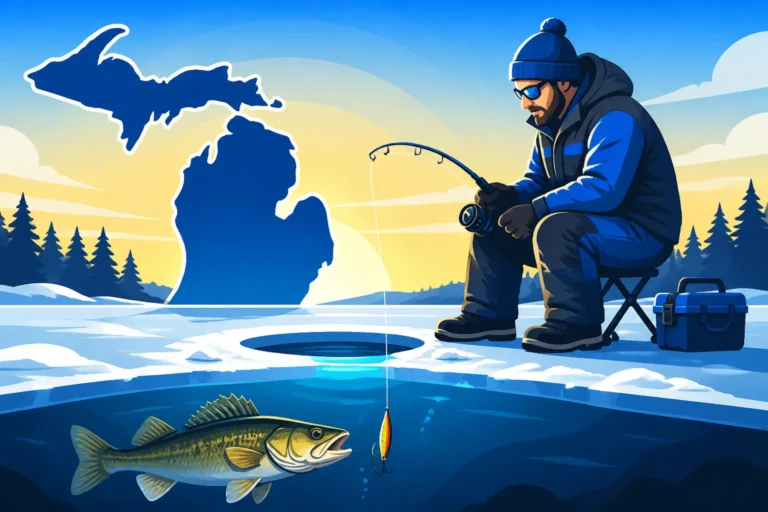
Winter: Ice Fishing for Panfish Rewards
For many dedicated Michigan anglers, winter is prime panfish time. The clear, cold water under the ice often makes for excellent visibility and predictable fish behavior, offering some of the most rewarding fishing experiences of the year.
First Ice Opportunities
The first few weeks of safe ice, usually in December, offer some of the hottest panfish action of the entire winter. Fish are still relatively active from their fall feeding, and there's less fishing pressure than during mid-winter. They’ll often be found in shallower depths than later in the season, frequently in 8-15 feet of water near weed lines, drop-offs, or submerged wood.
This is the time to be mobile. Drill several holes in a pattern and actively search for schools. Small jigs tipped with a single wax worm, spike, or a piece of plastic are deadly. Tungsten jigs are popular because they are dense and get down to the fish quickly. Consider picking up a variety of tungsten jigs from Amazon before heading out. The key is to find the fish, and when you do, stay put! Michigan Ice Fishing Guide provides a comprehensive overview of getting started.
Mid-Winter Slump and Finesse Tactics
January and February often bring the thickest ice and coldest temperatures, which can lead to a "mid-winter slump" in panfish activity. Fish metabolism slows down significantly, and they tend to hug the bottom in deeper basins or tight to structure in 20-30 feet of water.
This is when finesse fishing truly shines. Go smaller with your baits and lighter with your line. Tiny micro jigs, often 1/64th or 1/32nd ounce, tipped with a single maggot or a small plastic tail, are ideal. Use a sensitive rod with a spring bobber to detect the lightest bites, which might feel like nothing more than a slight "tick" or just slack in your line. A flasher or sonar unit is almost essential to see your bait and how the fish are reacting to it. Patience is a virtue during this period; sometimes, you have to coax the fish into biting. Check out How to Catch Perch Through the Ice in Michigan for more specific techniques.
Late Ice Revival
As winter starts to wane in March, and the ice begins to show signs of softening (always exercise extreme caution during late ice!), panfish often experience a surge of activity. This "late ice bite" is often compared to the spring pre-spawn, as fish once again start feeding heavily in anticipation of the open water and spawning season.
You’ll find them moving back into shallower water, often 5-15 feet deep, near known spawning grounds or areas with emerging weed growth. They’re looking for food and the first signs of warming water. Similar to first ice, mobility and searching are important. Don't be afraid to try slightly larger baits than in mid-winter, as their aggression levels are up. This can be one of the most productive times for catching trophy-sized panfish before the ice completely melts away. What Gear Do You Need to Ice Fish in Michigan can help ensure you have the right setup.
Essential Gear and Techniques by Season
Having the right gear and knowing the specific techniques for each season will dramatically increase your success rate. Panfish, while often seen as beginner-friendly, still respond best to tailored approaches.
Rods, Reels, and Line
For panfish, lighter is almost always better. A light or ultralight spinning rod (4-6 feet long) with a small spinning reel (500-1000 series) spooled with 2-4 pound monofilament or fluorocarbon line is perfect for open water. For ice fishing, an ultralight ice rod, often just 24-30 inches long, paired with an equally small reel or even a simple fly reel-style ice reel, is ideal for detecting those subtle bites. Fluorocarbon leaders are excellent for their invisibility, especially in clear Michigan waters. Best Rods and Reels for Michigan Fishing delves deeper into selection.
Baits and Lures
Panfish are not picky eaters, but they do have preferences that can change with the season.
- Live Bait: Wax worms, spikes, red worms, and small minnows are consistently effective year-round, especially when fishing under a bobber.
- Jigs: Tiny jigs (1/32 to 1/16 ounce) in various colors (chartreuse, pink, white, black) are staples. Tip them with live bait or small plastic trailers. For ice fishing, tungsten jigs offer a faster fall rate.
- Spinners & Spoons: Small inline spinners or tiny casting spoons can be very effective in spring and fall, especially when fish are more active.
- Soft Plastics: Micro soft plastics resembling grubs, minnows, or insect larvae, fished on a tiny jig head, are incredibly versatile.
Remember to match the hatch, so to speak, and use smaller presentations when fish are finicky. Best Bait for Perch and Best Bobber Setup for Panfish offer more specific advice.
Electronics and Accessories
While not always strictly necessary, electronics can give you a significant advantage, especially in summer and winter. A portable fish finder can help locate schools of fish and identify structure, while an ice fishing flasher can show you your bait and fish in real-time under the ice. Other useful accessories include a good pair of pliers for hook removal, a small net, and a cooler for your catch. For those longer trips, having an organized tackle box, which you can easily assemble with components found on Amazon, will make your day much smoother.
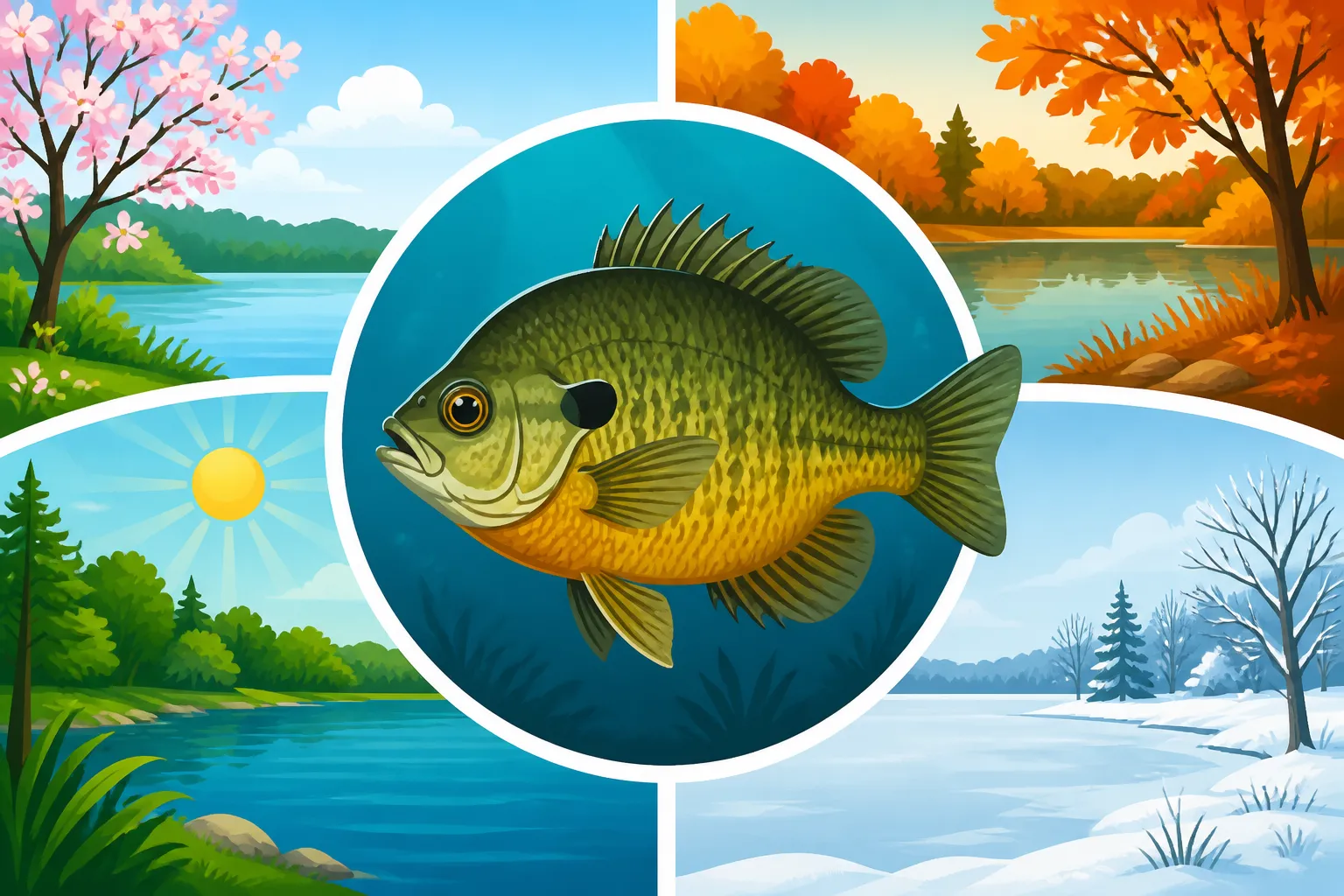
Here's a quick overview of panfish activity by season:
| Season | Primary Species | Typical Water Temp Range | Key Locations | Preferred Depths | General Activity Level | Best Baits/Lures |
|---|---|---|---|---|---|---|
| Spring | Bluegill, Crappie, Perch | 50°F – 65°F | Shallow bays, weed lines, sandy/gravelly bottoms (spawn) | 3-10 feet | High | Worms, minnows, small jigs, tiny spinners |
| Summer | Bluegill, Crappie, Perch | 65°F – 75°F | Deep weed edges, thermocline, submerged structure, docks | 8-25 feet (deeper mid-summer) | Moderate to Low | Small jigs, plastics, minnows (night fishing) |
| Fall | Bluegill, Crappie, Perch | 45°F – 60°F | Drop-offs, deep weed lines, transition to basins | 10-20 feet | High (early fall), Moderate (late fall) | Jigs, minnows, spoons, small crankbaits |
| Winter | Bluegill, Crappie, Perch | 32°F – 40°F | Deep basins, humps, weed edges, submerged structure | 10-35 feet | Moderate (first/late ice), Low (mid-winter) | Tungsten jigs, maggots, wax worms, small spoons |
Disclaimer
This article is for general informational purposes only and does not constitute professional advice. Laws, prices and regulations vary by location and change over time. Consult a qualified professional for guidance on your specific situation.