Best Fishing Spots Near Escanaba, Michigan
Navigating the vast waters around Escanaba, Michigan, can feel like searching for a needle in a haystack if you don't know where to start. Many anglers, both local and visiting, find themselves overwhelmed by the sheer number of options, wondering which spots truly live up to the hype and promise a successful day on the water. This comprehensive guide will cut through the confusion, revealing the best fishing spots near Escanaba, detailing what makes them special, and offering practical advice to maximize your catch.
The Allure of Escanaba Fishing: A Gateway to Diverse Waters
Escanaba, nestled on the shores of Lake Michigan's Big Bay de Noc, isn't just a charming Upper Peninsula town; it's a bonafide fishing mecca. The region offers an incredible diversity of angling experiences, from expansive Great Lakes bays teeming with trophy fish to serene inland rivers and lakes. What often frustrates newcomers is pinpointing exactly where to drop a line for the best action, given the wealth of options. But that's precisely what makes Escanaba such a fantastic base camp for any fishing adventure: you're spoiled for choice, provided you know the local secrets.
The Unique Appeal of the Bays de Noc
The "Bays de Noc" – Big Bay de Noc and Little Bay de Noc – are more than just geographical features; they are legendary fishing destinations. These two large, relatively shallow bays of Lake Michigan provide an intricate ecosystem that supports a phenomenal array of fish species. Their sheltered nature, compared to the open waters of Lake Michigan, creates unique habitats and fisheries that are accessible for different types of boats and fishing styles. This protection from the harshest Great Lakes weather makes them reliable producers throughout much of the year, a significant advantage for those planning a trip.
For generations, these bays have been synonymous with world-class walleye fishing, but their appeal doesn't stop there. The varying depths, submerged weed beds, rocky structures, and gradual drop-offs create a smorgasbord for predatory fish. It's not uncommon for anglers to target walleye in the morning, switch to smallmouth bass in the afternoon, and even pursue northern pike in the shallower coves, all within a short distance. This multi-species potential is a huge draw, ensuring that even if one bite is slow, there’s always another opportunity waiting. You can dive deeper into these diverse angling opportunities by exploring a broader guide to Michigan's Great Lakes Fish Species Guide.
Escanaba's Position as a Year-Round Fishing Destination
What many anglers quickly learn about Escanaba is that the fishing never truly stops. While each season presents its own challenges and rewards, the region maintains its productivity throughout the entire year. This isn't just a summer hotspot; it’s a four-season playground for those who love to fish.
During the warmer months, the bays come alive with open-water trolling for walleye, casting for smallmouth bass along rocky shorelines, and pursuing northern pike in weed-choked flats. When the cooler air of autumn arrives, the fishing can actually get even better, particularly for trophy smallmouth and the last push of aggressive walleye before winter sets in.
Then, winter transforms the landscape into a vast, frozen expanse, making way for an incredibly popular ice fishing season. The ice fishing here, particularly on Little Bay de Noc, is legendary, drawing thousands of anglers from across the Midwest. Finally, spring brings the melt and renewed river activity, kicking off another cycle of vibrant fishing. This year-round access means you can plan a trip almost anytime and find a productive bite. For those looking to plan their trips around seasonal peaks, our guide on the Best Time of Year to Fish in Michigan can be incredibly helpful.
Premier Fishing Grounds: Great Lakes and Connected Bays
When you think of fishing near Escanaba, the Great Lakes and their connecting bays immediately come to mind. These vast bodies of water offer some of the most consistent and exciting fishing experiences in Michigan, primarily known for their incredible walleye, smallmouth bass, and northern pike populations, with seasonal salmon and trout adding to the mix.
Big Bay de Noc: Walleye, Smallmouth, and Northern Pike Haven
Big Bay de Noc, the larger and more wild of the two bays, offers a truly expansive fishing experience. It stretches for miles, encompassing numerous points, islands, and shallow flats that create diverse habitats. This bay is a true multispecies gem, particularly during the open water season from late spring through fall.
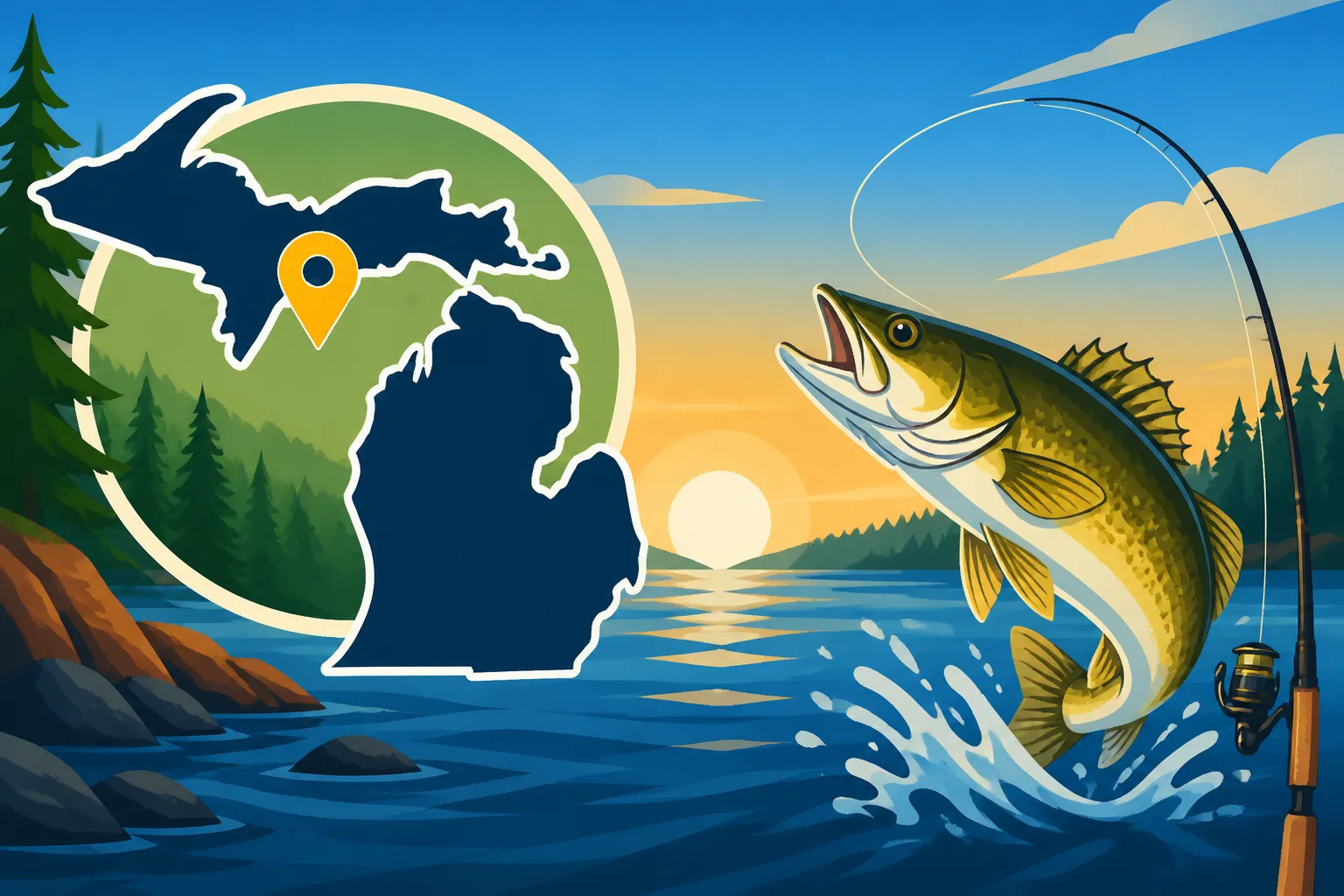
Walleye fishing here is exceptional, especially around structure like the Garden Peninsula, Fayette State Park, and the numerous shoals and reefs that dot the bay. Trolling with crankbaits or crawler harnesses is a popular and effective method, especially during low light conditions or when fish are scattered. Anglers often find success by targeting depths ranging from 10 to 30 feet, depending on the time of year and baitfish presence. The key to Big Bay walleye is often covering water and adapting to their movements, which can be influenced by wind and current.
Smallmouth bass are another huge draw for Big Bay de Noc. The rocky shorelines, submerged boulders, and points provide ideal ambush spots for these aggressive fighters. Target areas like Nahma, Garden, and around the many small islands. Soft plastics, crankbaits, and topwater lures can all be incredibly effective, especially during the summer months when smallmouth are actively feeding. You'll want to check out our detailed guide on Michigan Smallmouth and Largemouth Bass Daily Limit to stay compliant with regulations.
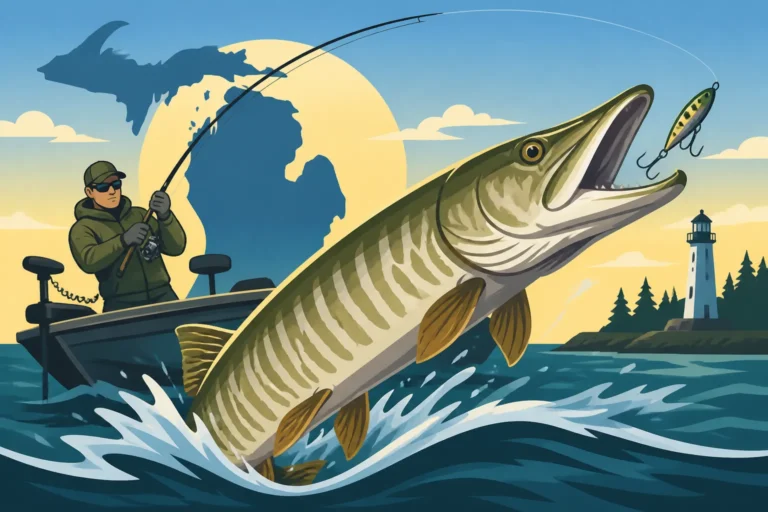
Northern pike lurk in the bay's extensive weed beds and shallower flats. Areas like the Sturgeon River Slough and other protected coves offer prime pike habitat. Casting large spoons, spinnerbaits, or even live bait under a float can entice these toothy predators. While walleye and smallmouth draw much of the attention, a trophy northern pike can certainly provide an unforgettable fight.
Little Bay de Noc: World-Class Walleye and Perch Fishing
Little Bay de Noc, while smaller than its big brother, boasts an even more concentrated reputation, particularly for its world-class walleye fishing. This bay is often cited as one of the top walleye fisheries in the entire country, attracting anglers from all over. The bay's relatively consistent depths, abundant forage, and strategic structure make it a prime environment for these sought-after fish.
During the open water season, jigging with minnows or soft plastics is incredibly effective, especially when targeting fish holding to specific depths or structure. Trolling with crankbaits like Rapalas or Reef Runners is also highly productive, especially as fish spread out. Look for humps, breaklines, and the mouths of feeder rivers like the Escanaba River. The key spots often include the "Black Bottom" area, the Gladstone area, and various points and reefs. Knowing the Michigan Walleye Size and Bag Limits is crucial here, as regulations ensure the sustainability of this fantastic fishery. Many anglers find great success by booking local guides through platforms like FishingBooker, who can put them directly on the fish and share current patterns.
Beyond walleye, Little Bay de Noc is also famous for its yellow perch. These panfish are abundant and can provide fast action, especially for families or those looking for a delicious meal. Perch often school in large numbers, making them a fun target. Look for them around weed edges and slightly deeper flats, often using small jigs tipped with bait like minnows or waxworms. In winter, the bay transforms into an ice fishing paradise, with countless shanties dotting the frozen landscape, all targeting those delicious walleye and perch. Our comprehensive Michigan Ice Fishing Guide will certainly help prepare you for this thrilling winter experience.
Lake Michigan's Expansive Opportunities
While the Bays de Noc are the primary draw, don't overlook the expansive opportunities that the main body of Lake Michigan offers, especially for salmon and trout. While it requires a larger boat and different tactics, offshore trolling can yield impressive catches of Chinook (King) Salmon, Coho Salmon, Lake Trout, and even Steelhead.
From Escanaba, charter boats often head out into the deeper waters of Lake Michigan, targeting temperature breaks and baitfish schools. Using downriggers, dipsy divers, and planer boards with a variety of spoons, flies, and plugs can produce incredible results. The thrill of a screaming reel as a 20-pound Chinook takes off is an experience every angler should have. Early summer can see great Coho action closer to shore, while late summer and fall are prime for big King Salmon as they stage for their spawning runs. If you're considering tackling these larger waters, understanding the nuances of Michigan Salmon Species Explained will give you a significant advantage. Again, a local charter found through a service like FishingBooker can provide all the necessary gear and expertise for a successful Great Lakes salmon trip.
| Fishing Spot | Primary Species (Open Water) | Primary Species (Ice Fishing) | Key Techniques | Notes |
|---|---|---|---|---|
| Big Bay de Noc | Walleye, Smallmouth Bass, Pike | Walleye, Perch, Pike | Trolling, Casting, Jigging | Expansive, diverse structure, more wild feel |
| Little Bay de Noc | Walleye, Yellow Perch, Smallmouth | Walleye, Yellow Perch | Jigging, Trolling, Live Bait | World-class walleye, high angler pressure, easy access |
| Lake Michigan | Chinook/Coho Salmon, Lake Trout | N/A | Offshore Trolling with Downriggers | Requires larger boats, targets migratory salmon/trout |
| Escanaba River | Smallmouth Bass, Pike, Panfish | N/A | Casting, Fly Fishing, Drift | Scenic, less pressured, seasonal runs |
| Local Inland Lakes | Panfish, Bass, Pike | Panfish, Pike, Bass | Shore Fishing, Kayak Fishing | Family-friendly, quieter, diverse small lake species |
Exploring Inland Gems Near Escanaba
While the bays often steal the spotlight, the area surrounding Escanaba is also home to a network of beautiful inland rivers and smaller lakes that offer a different, often more tranquil, fishing experience. These spots are fantastic for a change of pace, and frequently less pressured than the Great Lakes tributaries.
The Escanaba River: A Hidden Treasure
The Escanaba River, which flows into Little Bay de Noc, is a true hidden treasure for anglers seeking something beyond the open water. This river offers a diverse fishery throughout its various stretches, from its lower reaches near the bay to its more wild, upper sections.
The lower river, particularly in spring and fall, sees runs of steelhead and brown trout, offering exciting opportunities for those who enjoy river fishing techniques like drift fishing or fly fishing. Smallmouth bass are also abundant throughout the river, providing excellent action during the warmer months. Look for them around rocky areas, log jams, and current breaks. Casting small crankbaits, spinnerbaits, or soft plastics can be very effective. Northern pike also frequent the slower, deeper pools and backwaters of the river.
Further upstream, the river becomes more remote and is known for its resident trout populations, including brook trout and brown trout. This section often requires wading or canoe access and provides a more solitary angling experience. Fly fishing here can be particularly rewarding, especially during insect hatches. Always consult the Michigan Fishing Regulations Every Angler Should Know, as specific stretches of the river might have special rules regarding gear, seasons, or catch limits. Fishing the Escanaba River offers a serene escape, a stark contrast to the vastness of the bays, and a chance to truly connect with nature.
Local Inland Lakes: Panfish and More
Beyond the Escanaba River, numerous smaller inland lakes dot the landscape around Escanaba, each offering its own unique fishing opportunities. These lakes are often fantastic for families, beginners, or anyone looking for a relaxed day of fishing away from the larger boat traffic.
Lakes like Round Lake, Chandler Lake, and Silver Lake, though not household names like the Bays de Noc, provide excellent panfish action (bluegill, crappie, perch), as well as resident populations of largemouth bass, smallmouth bass, and northern pike. Shore fishing is often possible at public access points, and smaller boats, canoes, or kayaks are perfect for exploring their calmer waters. For those interested in more specific information about catching different species, our comprehensive guide on Walleye Fishing in Michigan, for instance, offers techniques that can often be adapted for inland lake walleye where present, or the same principles applied to bass and pike.
These lakes are particularly good for ice fishing in winter, with many offering consistent catches of panfish through the hardwater. They generally freeze earlier and are safer to access for ice fishing than the larger bays, making them popular choices when the season first starts. Using small jigs tipped with waxworms or minnows under a bobber is a tried-and-true method for panfish, while larger tip-ups with minnows can attract bigger pike or bass. It's a fantastic way to enjoy Michigan's diverse fishing, offering something for every angler, regardless of their preferred target species or fishing style.
Planning Your Escanaba Fishing Adventure
A successful fishing trip to Escanaba goes beyond just knowing where the fish are; it involves proper preparation, understanding the local rules, and having the right tools for the job. Michigan's diverse waters offer incredible opportunities, but they also demand respect and readiness.
Essential Gear and Techniques for Success
The type of gear you'll need around Escanaba largely depends on your target species and chosen fishing spot. For open water fishing on the Bays de Noc, a boat is almost essential for truly exploring the best areas. Depending on whether you're chasing walleye, smallmouth, or salmon, your rod and reel setups will vary.
- Walleye & Perch: For jigging walleye on Little Bay de Noc, a medium-light to medium power spinning rod (6'6" to 7'0") with a fast action tip, paired with a 2500-3000 size spinning reel spooled with 8-10 lb braid and a fluorocarbon leader, is ideal. For trolling, specialized trolling rods with line counter reels are often preferred. For perch, a lighter panfish setup with small jigs or bobbers is perfect.
- Smallmouth Bass: Medium-heavy spinning or baitcasting setups (6'8" to 7'4") are versatile for casting a variety of lures, from soft plastics to crankbaits. 10-15 lb fluorocarbon or braided line with a fluorocarbon leader will cover most situations.
- Northern Pike: A robust medium-heavy to heavy power baitcasting rod (7'0" to 8'0") with a strong baitcasting reel and at least 20-30 lb braided line, along with a steel or heavy fluorocarbon leader, is necessary to handle their sharp teeth and powerful runs.
- Salmon/Trout (Lake Michigan): This typically involves heavy-duty trolling gear, including specialized trolling rods, large capacity reels with leadcore, copper, or braided lines, and essential accessories like downriggers and planer boards. If you're considering buying new equipment, our guide on Best Boats for Michigan Fishing might offer insights into suitable vessel types, while the Best Rods and Reels for Michigan Fishing can help you pick the right tackle.
Beyond rods and reels, consider portable fish finders (especially for kayaks or smaller boats), quality pliers, a net (especially a large net for muskies or salmon), and a good cooler for keeping your catch fresh. Don't forget appropriate clothing for Michigan's often unpredictable weather, including rain gear and layers. For those venturing out onto the ice, a specialized Michigan Ice Fishing Gear Guide will detail all the essentials from augers to shelters.
Understanding Michigan Fishing Regulations
Perhaps the most critical aspect of planning any fishing trip in Michigan is a thorough understanding of the regulations. These rules are put in place by the Michigan Department of Natural Resources (DNR) to ensure the sustainability of the state's incredible fisheries.
First and foremost, you will need a valid Michigan fishing license. Whether you're a resident or non-resident, annual or 24-hour, make sure your license is current and on your person while fishing. Our comprehensive Michigan Fishing License Guide for Residents and Nonresidents covers all the nuances, from purchasing to different license types. You can easily purchase these online via the DNR website, their mobile app, or at numerous license retailers across the state. The Michigan Fishing License Costs and Types Explained offers a breakdown of the various options available.
Beyond the license, it is absolutely essential to know and follow specific regulations for each body of water and species you plan to target. This includes:
- Season Dates: When certain species can be legally harvested. While many waters are open year-round for some species, others have very specific open and closed seasons.
- Size Limits: Minimum or maximum lengths for keeping certain fish. For example, walleye often have a minimum size limit, and some lakes may even have slot limits.
- Daily Possession Limits: The maximum number of fish of a particular species you can legally keep in a single day or possess. Our Michigan Bag and Size Limits Explained guide provides a detailed overview.
- Gear Restrictions: Limitations on the type of bait, lures, or number of lines you can use in certain areas.
Ignorance of the law is not an excuse, and violating regulations can result in significant fines and penalties. Always carry a copy of the current Michigan Fishing Guide (available digitally on the DNR website or in print at license dealers) and refer to it frequently. You can also get up-to-date information by checking with local bait shops or guide services. Organizations like FishingBooker connect anglers with local experts who are always current on the latest rules, ensuring you have a compliant and successful trip.
Disclaimer
Please remember that fishing conditions, regulations, and fish populations can change. Always consult the latest Michigan Department of Natural Resources (DNR) fishing guide and local advisories before heading out on the water. This article is intended for informational purposes only and does not constitute official legal or regulatory advice.