Best Michigan Rivers for Rainbow Trout
If you've ever dreamt of battling a vibrant, acrobatic rainbow trout on a pristine Michigan river, you know the allure. But figuring out where to go and which river truly holds the promise can feel like a daunting task, especially with so many incredible waterways crisscrossing our beautiful state. It’s easy to get overwhelmed trying to pinpoint the best spots when time on the water is precious. This guide will cut through the noise, detailing Michigan's premier rivers for rainbow trout and steelhead, offering practical advice to help you plan your next unforgettable angling adventure.
Why Michigan's Rivers Offer Unparalleled Rainbow Trout Fishing
Michigan is blessed with an abundance of cold, clear rivers and streams, many of which flow directly into the Great Lakes. This unique geographical feature creates an incredible environment for rainbow trout, supporting both resident populations and the revered "steelhead" – rainbow trout that migrate to the Great Lakes and return to the rivers to spawn. The sheer volume and quality of these waterways make Michigan a world-class destination for trout anglers, offering diverse experiences from intimate fly-fishing streams to powerful, wide-open rivers.
The Life Cycle of Michigan Rainbows and Steelhead
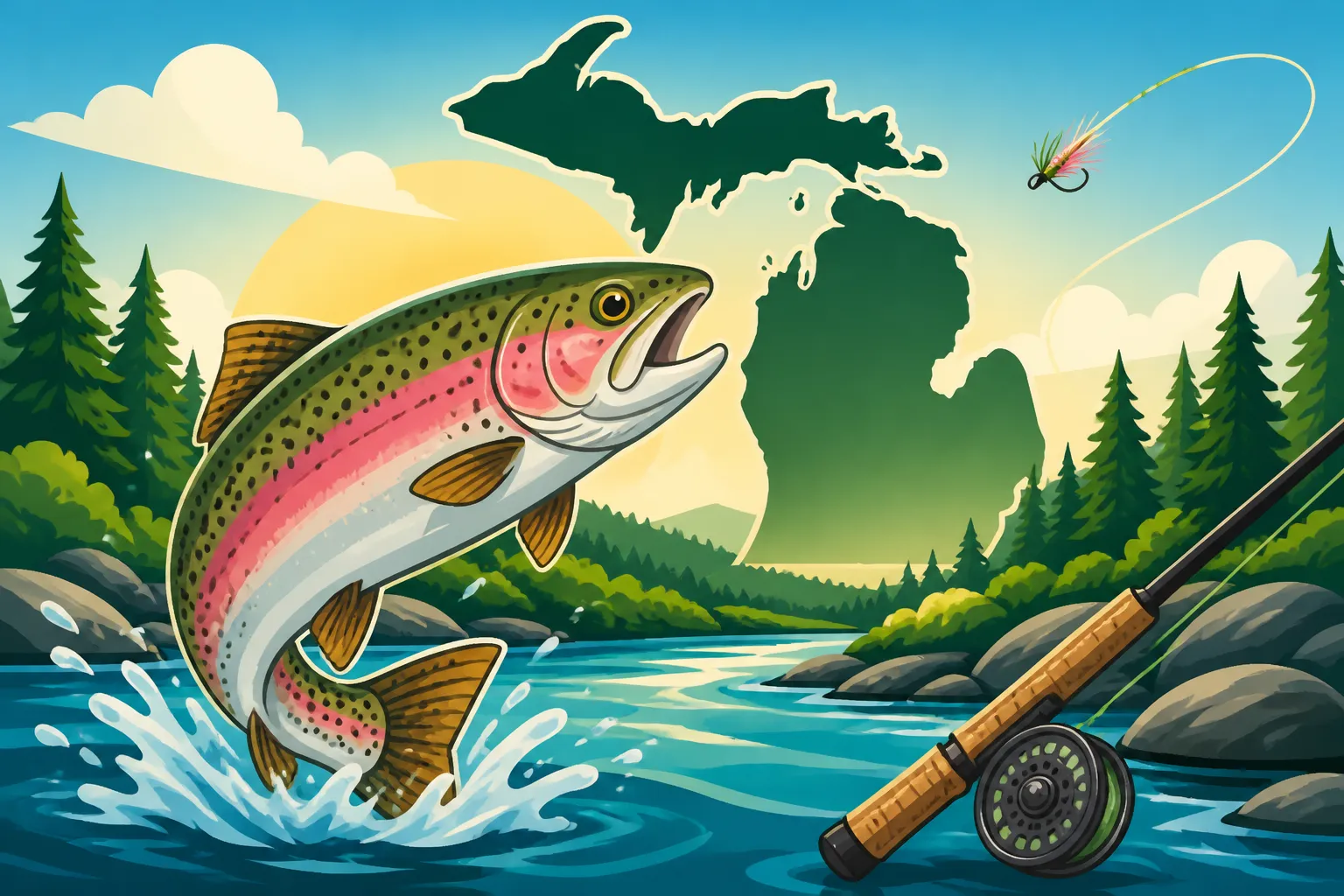
Understanding the life cycle of rainbow trout in Michigan is key to successful fishing. Resident rainbow trout spend their entire lives in the rivers and streams, typically growing to smaller sizes but offering consistent action. They thrive in oxygen-rich, cool water with plenty of insect life. However, the true trophy rainbows often come in the form of steelhead. These are sea-run (or in our case, lake-run) rainbow trout. They hatch in the rivers, migrate to the vast waters of the Great Lakes to grow large and powerful, and then return to their natal rivers in the fall, winter, and spring to spawn. This migratory pattern provides distinct fishing opportunities throughout the year, as these powerful fish ascend the rivers, offering an incredible fight that anglers chase for a lifetime. The sheer strength and aerial acrobatics of a chrome-bright steelhead fresh from Lake Michigan or Lake Huron are legendary among fly and gear anglers alike.
Unique Ecosystems of Michigan's Trout Rivers
Michigan's trout rivers boast incredibly diverse ecosystems. You'll find everything from meandering, gravel-bottomed stretches ideal for wading, to deep, fast runs requiring a boat or advanced casting techniques. The geology of the state plays a huge role; rivers in the northern Lower Peninsula and the Upper Peninsula often carve through forested landscapes, fed by cold groundwater springs that maintain ideal temperatures even in summer. This consistent cold water is vital for rainbow trout survival and makes these areas prime habitats. The diverse insect hatches throughout the year provide a constant food source, influencing trout behavior and offering specific opportunities for fly anglers who "match the hatch." These varying conditions mean that anglers can find a river or section of a river that perfectly suits their preferred fishing style, whether it's dry fly fishing for wild rainbows or nymphing deep pockets for powerful steelhead.
Top Rivers for Chasing Michigan Rainbow Trout
When it comes to rainbow trout and steelhead, Michigan has a lineup of rivers that consistently produce incredible fishing. These waterways are renowned not just for the quantity of fish, but often for the quality and size of the rainbows they hold.
Manistee River: A Steelhead Powerhouse
The Manistee River, particularly its sections below Tippy Dam, is arguably one of Michigan's most famous steelhead rivers. Running through the northern Lower Peninsula, it offers breathtaking scenery and a robust fishery. Fall sees the first push of chrome-bright steelhead entering the river from Lake Michigan, followed by strong winter and spring runs. While the Manistee is famous for its steelhead, it also holds good populations of resident rainbow trout throughout its colder upper reaches and tributaries. Fishing for steelhead here often involves float fishing with spawn bags, beads, or jigs, as well as fly fishing with heavy nymph rigs or swung flies. During the spring, as water temperatures rise, fish become more aggressive, and lighter presentations can be effective. Many anglers rely on experienced local guides, which can often be found and booked through platforms like FishingBooker, especially if you're looking to target specific runs or learn the intricacies of this powerful river. For more detailed information, check out our guide on the Manistee River Steelhead and Salmon Fishing in Michigan.
Au Sable River: Classic Trout Water
The legendary Au Sable River is synonymous with trout fishing in Michigan. While it's most famous for its brown trout, the Au Sable also supports a healthy population of resident rainbow trout, particularly in its colder, upper reaches and tributaries. These fish might not reach the same sizes as steelhead, but they offer fantastic dry fly and nymph fishing opportunities in a quintessential trout stream setting. The Au Sable is known for its incredible insect hatches throughout the spring, summer, and fall, making it a fly angler's paradise. The "Holy Waters" section, from Burton's Landing to Wakeley Bridge, is catch-and-release only for trout and managed under special regulations to protect its wild populations. While not typically a steelhead river in the same vein as the Manistee, the resident rainbows here provide a thrilling challenge for those who appreciate finesse fishing in clear, often challenging waters. If you're keen on exploring this iconic waterway, our Au Sable River Trout Fishing in Michigan guide offers even more insights.
Pere Marquette River: Wild and Scenic Beauty
The Pere Marquette River, or "PM," is another gem of the Lower Peninsula, holding the distinction of being the first river in Michigan to be stocked with Pacific salmon and steelhead. Today, it remains a phenomenal fishery for steelhead, especially in its lower stretches. What sets the PM apart is its Wild and Scenic River designation, meaning much of its course is undeveloped, offering a truly immersive wilderness experience. Like the Manistee, the Pere Marquette sees strong fall, winter, and spring steelhead runs. Fly fishing is incredibly popular here, with spey casting and traditional indicator nymphing being common methods. Spin anglers also find success with beads and small jigs. The river's clear waters and gravel bottom provide ideal spawning grounds and excellent habitat. Keep in mind that specific sections of the PM have special regulations, including "flies-only" or "artificial lures only" restrictions, so always consult the latest Michigan fishing regulations digest before heading out. Our article on Pere Marquette River Fly Fishing in Michigan delves deeper into the techniques and experiences unique to this river.
Muskegon River: Abundant Steelhead and Access
The Muskegon River, downstream from Croton Dam, is one of Michigan's largest rivers and hosts an incredibly abundant run of steelhead. Its size and accessibility make it a favorite for many anglers, especially during the peak spring and fall runs. The sheer volume of water means there are always new spots to explore, from deep holes to gravel runs and structure-laden banks. Fly fishing, centerpinning, and conventional spin fishing are all highly effective methods on the Muskegon. The river is wide enough in many places to accommodate drift boats and jet boats, allowing anglers to cover significant stretches of water and access prime holding lies that might be difficult to reach otherwise. Early spring often brings the biggest push of fish, eager to spawn, and they can be found throughout the system. The Muskegon offers a fantastic opportunity for both seasoned and novice anglers to hook into big steelhead. For those interested in the timing of these incredible runs, our post on Muskegon River Michigan Steelhead Run Timing provides a detailed seasonal breakdown.
| River Name | Primary Trout Species Targeted | Best Fishing Methods | Peak Seasons (Rainbow/Steelhead) | Key Characteristics |
|---|---|---|---|---|
| Manistee River | Steelhead, Resident Rainbows | Float, Fly (Nymphing/Spey) | Fall, Winter, Spring | Large, powerful river, famous for large steelhead runs |
| Au Sable River | Resident Rainbows, Brown Trout | Fly (Dry Fly/Nymphing) | Spring, Summer, Fall | Classic trout stream, clear water, strong insect hatches |
| Pere Marquette River | Steelhead | Fly (Spey/Nymphing), Spin | Fall, Winter, Spring | Wild & Scenic, flies-only sections, strong steelhead runs |
| Muskegon River | Steelhead | Float, Fly, Spin | Fall, Winter, Spring | Large, accessible, abundant steelhead, diverse fishing spots |
Essential Gear and Techniques for Michigan Rainbows
Successfully targeting rainbow trout and steelhead in Michigan's diverse rivers requires specific gear and a good understanding of various techniques. While the basic principles of trout fishing apply, the power of a Great Lakes steelhead often demands heavier tackle and more robust approaches than smaller stream trout.
Rods, Reels, and Line Selection
For resident rainbow trout in smaller streams like the upper Au Sable, a lightweight fly rod (3-5 weight) or a light spinning rod (6'6" to 7' with 4-6 lb test) is ideal. These setups allow for delicate presentations and make fighting smaller fish incredibly enjoyable. However, when pursuing steelhead, you'll need to step up your game significantly. For fly anglers, a 10-11 foot 7-9 weight switch or spey rod is common, allowing for powerful casts and effective line control in larger rivers. If you prefer single-hand fly rods, an 8-9 weight rod in the 9-10 foot range will give you the backbone needed. For spin anglers, a medium-heavy action rod, often 8-10 feet long, paired with a reliable spinning reel spooled with 10-20 lb braided line and a fluorocarbon leader, is standard. Many dedicated steelhead anglers also favor centerpin outfits, which use specialized floats and a free-spooling reel to achieve incredibly natural drifts. Regardless of your chosen method, having the Best Rods and Reels for Michigan Fishing for the specific species and conditions you're targeting makes a huge difference.
Effective Fishing Techniques
Michigan's rainbow trout and steelhead fisheries demand a variety of techniques. For resident rainbows in the Au Sable, traditional fly-fishing methods like dry fly casting (matching mayfly, caddisfly, or stonefly hatches) and nymphing (presenting subsurface insect imitations) are paramount. Small spinners and spoons can also be very effective for aggressive resident fish.
For steelhead, the game changes.
- Float Fishing (or "Centerpinning"): This is perhaps the most popular method on many Michigan steelhead rivers. It involves using a buoyant float (bobber) to suspend a bait (like a spawn bag, bead, or jig) at a precise depth, allowing it to drift naturally with the current. This technique is incredibly effective for covering long runs and presenting bait directly to fish.
- Fly Fishing: Steelhead fly fishing encompasses several styles. Indicator nymphing involves using a strike indicator to detect subtle takes as heavy nymph patterns drift near the bottom. Swinging flies (often with spey rods) involves casting across the current and allowing a large, often brightly colored, fly to swing downstream, mimicking a baitfish or large insect. Learning Fly Fishing Techniques for Michigan Trout Streams can significantly enhance your success.
- Casting Spinners and Spoons: For aggressive steelhead, especially those fresh from the lake or actively migrating, casting and retrieving brightly colored spinners or small spoons can trigger violent strikes. This is particularly effective in faster water or when fish are holding in distinct pockets.
Remember, proper knot tying, maintaining sharp hooks, and having a good understanding of how to read river currents are universal skills that will greatly improve your success with any of these techniques.
Seasonal Considerations for Rainbow Trout Fishing
Michigan offers rainbow trout and steelhead fishing opportunities virtually year-round, but each season presents unique conditions and requires adjustments to your approach. Understanding these seasonal changes is crucial for being in the right place at the right time.
Spring Runs and Summer Opportunities
Spring is prime time for steelhead in Michigan's major rivers. As the snow melts and water temperatures begin to rise, large numbers of steelhead, often referred to as "spring chrome," enter the rivers to spawn. This run typically begins in late March and can last through April and into May, depending on the river and specific weather patterns. Fish are often concentrated in gravelly spawning areas or holding in deeper pools just downstream. For specifics on when to expect these fish, consult resources like the Michigan Steelhead Run Timing. Post-spawn, some "drop-back" steelhead will linger in the rivers, often voraciously feeding as they recover before returning to the Great Lakes.
Once the spring steelhead runs subside, summer transitions into excellent resident rainbow trout fishing. Rivers like the Au Sable, with their consistent cold water, remain productive throughout the warmer months. Early mornings and evenings often provide the best dry fly action as insects hatch, while nymphing remains effective during the day. Small spinners and spoons can also tempt opportunistic rainbows. While the biggest steelhead have returned to the lakes, the resident population offers consistent, enjoyable fishing, perfect for those seeking a more tranquil experience away from the spring crowds. For general spring advice, our Michigan Spring Fishing Season Guide can offer broader context.
Fall and Winter Steelhead Fishing
Fall marks the beginning of another exciting chapter for rainbow trout anglers: the first push of "fall-run" steelhead. These fish, fresh from the Great Lakes, typically enter the rivers from September through November, often coinciding with the salmon runs. They come in to feed and stage for their spring spawning. Fall steelhead are known for being incredibly aggressive and powerful, often reacting well to swung flies, large streamers, or drifted spawn bags. The vibrant fall colors along the riverbanks only add to the beauty of the experience.
As winter sets in, dedicated anglers brave the cold for a chance at "winter steelhead." While fishing can be more challenging due to frigid temperatures and slower fish metabolism, the rewards can be immense. Winter steelhead often hold in deeper, slower pools, conserving energy. Stealthy approaches and subtle presentations, such as carefully drifted beads, small jigs, or nymphs, are often key. Good cold-weather gear and patience are absolute necessities. Many guides continue to operate throughout the winter, and finding an experienced local on FishingBooker can be invaluable for navigating the unique challenges of winter steelheading.
Conservation, Regulations, and Responsible Angling
Michigan's fantastic rainbow trout and steelhead fisheries are a precious resource that we all have a responsibility to protect. Responsible angling practices, combined with an understanding of state regulations, ensure these opportunities persist for future generations.
Understanding Michigan Fishing Regulations
Before you even step foot in a Michigan river, it is absolutely vital to familiarize yourself with the current fishing regulations. The Michigan Department of Natural Resources (DNR) publishes an annual fishing guide that details everything from statewide bag and size limits to specific regulations for individual rivers and sections. These regulations can include length limits, daily possession limits, gear restrictions (e.g., "flies-only" or "artificial lures only" sections), and season dates. For instance, the general trout season might differ from specific Great Lakes or boundary water rules. Always carry a physical or digital copy of the latest guide. Our comprehensive Michigan Fishing Regulations Every Angler Should Know article is an excellent starting point for understanding these rules, and be sure to read about the Michigan Fishing License Guide for Residents and Nonresidents to ensure you're legally prepared.
The Importance of Catch and Release
For many anglers targeting rainbow trout and especially steelhead, catch and release is a strongly encouraged practice, particularly for wild fish. While legal harvest limits exist in many areas, releasing fish, especially large spawning steelhead, helps sustain populations and improve future fishing. When practicing catch and release, handle fish with extreme care:
- Minimize air exposure: Keep the fish in the water as much as possible.
- Wet hands: Always wet your hands before touching a fish to protect its protective slime coat.
- Use a rubberized net: These nets are gentler on fish scales and fins.
- De-barb hooks: Crimping down the barb on your hooks makes removal much easier and less traumatic for the fish.
- Support the fish: When holding a fish for a quick photo, support its body horizontally, especially larger steelhead, to avoid damaging internal organs.
These practices significantly increase a fish's chances of survival and contribute to the health of Michigan's rivers. Many charter and guide services, including those found on platforms like FishingBooker, emphasize and practice responsible catch and release techniques, making it an integral part of the fishing experience.
Disclaimer
The information provided in this guide is for general informational purposes only and is subject to change. Always consult the latest Michigan Department of Natural Resources (DNR) fishing regulations and local advisories before engaging in any fishing activities. Fishing conditions, regulations, and fish populations can vary significantly.