Best Walleye Lakes in Michigan’s Lower Peninsula
For anyone who's ever spent hours on the water in Michigan's Lower Peninsula, casting and reeling with nothing but hope in their heart, only to come up empty-handed while hearing tales of monster walleye caught just down the road, you know the frustration. Finding those prime walleye lakes isn't always easy, but it’s an incredibly rewarding pursuit when you finally crack the code. This guide is dedicated to revealing some of the best walleye lakes and waters across Michigan's Lower Peninsula, offering insights into why they shine and how you can maximize your chances of success.
Michigan's Walleye Powerhouses: The Great Lakes Bays
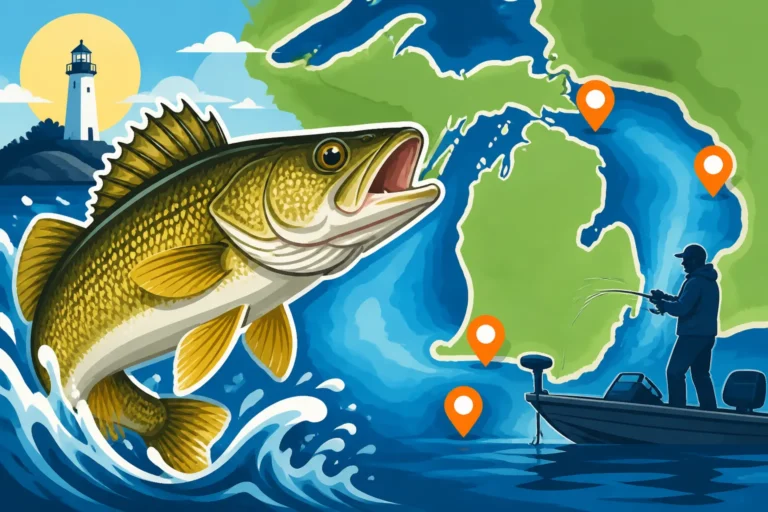
When we talk about walleye fishing in Michigan's Lower Peninsula, it's impossible not to start with the sheer abundance and quality found in the Great Lakes bays. These vast, nutrient-rich waters offer incredible habitat and forage, leading to robust walleye populations and some truly impressive catches. They are often the first stop for serious walleye anglers, and for good reason.
Saginaw Bay: A Walleye Paradise
Saginaw Bay, part of Lake Huron, is arguably the most famous walleye fishery in the entire state of Michigan, and for many, it's simply the place to go for consistent action. The bay’s shallow, fertile waters, combined with extensive stocking efforts and natural reproduction, create an ideal environment for walleye to thrive. From early spring until late fall, Saginaw Bay offers fantastic opportunities. In the spring, as ice recedes and water temperatures climb, walleye move into the shallower portions of the bay and its tributary rivers to spawn. This is a prime time for jigging or casting crankbaits in areas like the inner bay.
As summer progresses, the walleye spread out across the bay, often congregating around structural elements like reefs, points, and channel edges. Trolling with crankbaits or crawler harnesses becomes the go-to method for many anglers, allowing them to cover vast expanses of water and locate active schools. Early mornings and evenings often yield the best results, as walleye are light-sensitive predators. For those looking for detailed insights, checking resources on the "Best Time to Fish Saginaw Bay for Walleye" can be invaluable. Even into the fall, before the hard water sets in, excellent fishing can be had as walleye feed aggressively in preparation for winter.
Lake Erie's Michigan Waters: Trophy Walleye Haven
While much of Lake Erie's walleye fame belongs to Ohio, Michigan's relatively small portion of the western basin holds its own as a world-class fishery, especially for trophy-sized walleye. The shallow, productive waters of the western basin are a walleye factory, producing incredible numbers of fish, many of which are truly massive. The Michigan waters are often a bit overlooked compared to the central basin, but don't let that fool you. This area can produce phenomenal catches, particularly during the spring and early summer months.
Anglers targeting Lake Erie walleye often employ trolling techniques with crankbaits like Bandits or Reef Runners, especially in chartreuse, purple, or metallic colors, or using weight-forward spinners with live bait, such as nightcrawlers. The area off the Detroit River mouth, around Luna Pier, and stretching east into the open lake are consistent producers. Depths can vary, but generally, shallower waters (15-30 feet) often hold active fish, particularly in low-light conditions. Always be mindful of the wind on Lake Erie; it can go from calm to treacherous quickly. If you're new to the lake or want to maximize your chances, booking a charter through services like FishingBooker can provide a huge advantage, as experienced captains know exactly where the fish are holding and what presentations they prefer.
Premier Inland Walleye Destinations in the Lower Peninsula
Beyond the colossal Great Lakes, Michigan's Lower Peninsula boasts numerous inland lakes that are vibrant walleye fisheries in their own right. These lakes offer a different, often more intimate, fishing experience, and many are regularly stocked by the Michigan Department of Natural Resources (DNR) to maintain healthy populations.
Houghton Lake: Michigan's Largest Inland Walleye Gem
Houghton Lake, situated in Roscommon County, proudly holds the title of Michigan's largest inland lake. Its expansive, relatively shallow waters (averaging about 7-8 feet deep, with a maximum depth around 22 feet) are a fantastic habitat for walleye, as well as a popular destination for ice fishing. The lake's sandy and silty bottom, punctuated by weed beds and drop-offs, provides ample cover and feeding grounds for walleye. Spring and fall are prime times for open-water fishing, with many anglers finding success trolling crawler harnesses or crankbaits along the weed edges and deeper contours.
During the hardwater season, Houghton Lake transforms into an ice fishing mecca. Walleye are a primary target, with anglers setting up tip-ups with live minnows or jigging with spoons and soft plastics. The key to Houghton Lake's success is its consistent natural reproduction supplemented by DNR stocking, ensuring a healthy population. When planning a trip, consider checking local bait shops for current conditions and preferred baits; they often have the most up-to-date information for this beloved lake. For those interested in year-round opportunities, exploring guides on "Michigan Ice Fishing Guide" can offer additional tips for the colder months.
West Michigan's Walleye Hotspots: Muskegon and Traverse City Areas
West Michigan offers a diverse array of walleye opportunities, from large navigable lakes to unique bay fishing experiences. Muskegon Lake, connected directly to Lake Michigan, provides a phenomenal mixed-species fishery, with walleye being a significant draw. Its connection to the big lake means that it often sees transient fish, alongside its resident population. Anglers here find success trolling the deeper channels and flats with crankbaits, especially during the low-light hours. The lower Muskegon River, which feeds into the lake, is also a hotspot during spring spawning runs.
Further north, the Grand Traverse Bays (East and West) on Lake Michigan, near Traverse City, also offer exciting walleye fishing, though it's often overshadowed by the region's salmon and trout opportunities. Walleye here tend to be concentrated in specific areas, often around points, humps, and drop-offs in depths ranging from 20-50 feet. Trolling with deep-diving crankbaits or downriggers can be effective. While less talked about than Saginaw Bay, these areas can produce some impressive walleye, particularly for anglers willing to put in the time to locate schools. Local guides are experts at navigating these waters, and a quick search on FishingBooker for Traverse City fishing charters will show you plenty of options.
Michigan's northern Lower Peninsula also boasts several other excellent inland walleye lakes, including Burt Lake and Mullett Lake, part of the famed Inland Waterway. These deep, clear lakes offer a different challenge but can reward persistent anglers with quality walleye. Trolling open water or targeting specific structures like humps and points with jigs or bottom bouncers are common strategies.
Tips for Consistent Walleye Success on Michigan's Lower Peninsula Lakes
Catching walleye consistently requires a blend of understanding their behavior, employing the right techniques, and adapting to the specific conditions of the lake you're fishing. It's not just about showing up; it's about preparation and strategy.
Understanding Walleye Behavior and Seasonal Patterns
Walleye are opportunistic predators, highly sensitive to light, which largely dictates their feeding patterns. They are most active during low-light conditions—dawn, dusk, and overcast days—or at night. During bright sunny days, they typically retreat to deeper, darker water or seek cover in dense weed beds or under docks. Understanding these preferences is crucial. In spring, after ice-out, walleye move shallow to spawn, making them accessible in rivers and shallow bays. This is when many anglers hit the water, keeping a close eye on the "When Does Walleye Season Open in Michigan's Lower Peninsula" regulations.
Summer sees walleye spreading out, often suspending over deeper water or relating to thermoclines in search of baitfish. This is prime time for trolling open water with precision. As fall approaches, walleye begin to feed aggressively, bulking up for winter. They often move shallower again during low-light periods, making them vulnerable to casting presentations near structure. Even in winter, during ice fishing season, walleye remain active, often found near breaklines and structural transitions. Knowing the "Michigan Walleye Size and Bag Limits" for the specific body of water you're fishing is also vital, as regulations can vary.
Essential Gear and Techniques for Lower Peninsula Walleye
The gear you choose and the techniques you master will significantly impact your walleye success. While specific preferences vary, some core items and methods are consistently effective.
Rods and Reels: A medium-light to medium-heavy spinning rod (6'6" to 7'6") paired with a reliable spinning reel spooled with 8-10 lb test monofilament or braided line with a fluorocarbon leader is a versatile setup for jigging, casting, and even light trolling. For heavier trolling, a longer, more forgiving rod (like a 7-8 foot medium-heavy trolling rod) with a baitcasting reel is preferred.
Lures and Baits:
- Crankbaits: From shallow-diving models like Rapala Shad Raps to deep-diving bandits, crankbaits are staples for trolling and casting, mimicking baitfish. Colors often vary by water clarity, but natural patterns, firetiger, and bright chartreuse are often top producers.
- Crawler Harnesses: These consist of a spinner blade, beads, and two or three hooks, usually tipped with a live nightcrawler. They are incredibly effective when trolled slowly, often with bottom bouncers, particularly in summer.
- Jigs: Tipped with live minnows, leeches, or soft plastic paddle tails and grubs, jigs are excellent for vertical jigging over structure or casting to shallow areas, especially in spring and fall. The "Best Bait for Michigan Walleye" often includes live minnows or nightcrawlers.
- Live Bait: Beyond nightcrawlers and minnows, leeches can be incredibly effective, especially in warmer water.
Techniques:
- Trolling: This is arguably the most popular and effective method for covering large areas and finding active walleye, especially in the larger bays and lakes. Varying speeds, depths, and lure presentations is key.
- Jigging: Excellent for targeting specific structures or schools of fish. Vertical jigging works well from a boat or through the ice.
- Casting: Effective in shallower areas, especially during low-light conditions or in rivers.
- Night Fishing: Don't overlook the power of "How to Catch Walleye at Night in Michigan". Walleye's excellent low-light vision makes them aggressive nocturnal feeders, especially on clear, calm nights.
Electronics: A good fish finder with GPS and mapping capabilities is almost essential for finding structure, monitoring depth, and marking fish. Side imaging and down imaging technologies can significantly improve your ability to locate walleye-holding areas. For newcomers to Michigan fishing, consulting a comprehensive guide like "Michigan Fishing Regulations Every Angler Should Know" is crucial to ensure you're compliant with all local rules. Before you even head out, understanding the "Michigan Fishing License Guide for Residents and Nonresidents" and knowing "How to Buy a Michigan Fishing License Online" will save you a lot of hassle.
| Walleye Lake/Bay | Location | Primary Season | Typical Depth | Key Techniques | Notes |
|---|---|---|---|---|---|
| Saginaw Bay | Lake Huron | Spring, Summer, Fall | 10-30 ft | Trolling, Jigging | High numbers, great for limits |
| Lake Erie (MI) | Western Basin | Spring, Early Summer | 15-30 ft | Trolling | Trophy potential, often windy |
| Houghton Lake | Roscommon Co. | Spring, Fall, Winter | 7-22 ft | Trolling, Jigging, Ice Fishing | Largest inland lake, year-round action |
| Muskegon Lake | Muskegon Co. | Spring, Summer, Fall | 10-40 ft | Trolling, Jigging | Connected to Lake Michigan, diverse fishery |
| Grand Traverse Bays | Traverse City | Summer, Fall | 20-50+ ft | Trolling (downriggers) | Good quality, but often secondary to salmon |
Planning Your Lower Peninsula Walleye Adventure
Michigan's Lower Peninsula offers a diverse and bountiful walleye fishing experience, from the vast expanses of the Great Lakes bays to the more intimate settings of its large inland lakes. Planning your trip effectively can make all the difference between a good day and a truly memorable one.
Choosing Your Destination Based on Goals
Are you looking for sheer numbers, trophy-sized fish, or a specific type of fishing experience, like ice fishing or river jigging? If numbers are your game, Saginaw Bay is hard to beat. For a shot at a true wall-hanger, the Michigan waters of Lake Erie are a strong contender. If you prefer a larger inland lake with diverse opportunities, Houghton Lake offers fantastic year-round action. For those who enjoy combining their fishing trip with other recreational activities, the Traverse City area, with its beautiful scenery and access to the Grand Traverse Bays, is an excellent choice. Don't forget that many of these locations also offer opportunities for other species, so you might also consider the "Michigan's Combined Trout and Salmon Possession Limit" if you plan to target multiple fish.
Thinking about the time of year is also critical. Early spring typically means targeting walleye in rivers or shallow staging areas before they disperse. Summer is often about open-water trolling in deeper sections of the bays and large lakes. Fall can bring another shallow-water bite as fish feed heavily. And, of course, many of these lakes are ice fishing hotbeds in winter.
Resources for a Successful Trip
Before you head out, make sure you're properly licensed. You'll want to check out the "Michigan Fishing License Costs and Types Explained" to understand your options, whether it's an annual license or a short-term one for a quick trip. Always have a copy of the current "Michigan Fishing Regulations Digest" with you, as rules can change and vary by specific body of water. You can usually find a PDF version online through the Michigan DNR website.
For those who are new to a specific lake or want to learn the ropes quickly, consider hiring a local fishing guide. These professionals know the water, the patterns, and the best techniques for that particular time of year. Websites like FishingBooker are excellent resources for finding and booking experienced walleye guides across Michigan, including on Saginaw Bay, Lake Erie, and many of the larger inland lakes. They can provide all the necessary gear and teach you the nuances that only local expertise can offer. Additionally, local bait and tackle shops are invaluable resources for up-to-the-minute fishing reports, bait preferences, and any unexpected changes in conditions. Don't hesitate to stop in and chat with the proprietors – they often hold a treasure trove of local knowledge.
Disclaimer
Fishing conditions and regulations in Michigan can change frequently. Always consult the latest Michigan Department of Natural Resources (DNR) fishing guide and local regulations before heading out on the water. This information is intended for general guidance and informational purposes only.