Burt Lake and Mullett Lake Fishing in Michigan
It's completely understandable to feel a bit overwhelmed when you're planning a fishing trip to Michigan's vast and beautiful waters. With so many incredible lakes and rivers, knowing where to start, what to expect, and how to maximize your time on the water can be a real head-scratcher. This comprehensive guide is here to untangle all those questions, focusing specifically on two phenomenal Northern Michigan destinations: Burt Lake and Mullett Lake, giving you all the insider info you need for a memorable angling adventure.
Discovering Michigan's Inland Water Gems: Burt and Mullett Lakes
When you think about fishing in Michigan, your mind might immediately jump to the Great Lakes, and for good reason—they're truly spectacular. But tucked away in the northern Lower Peninsula are inland treasures that offer equally thrilling experiences, often with a different, more intimate charm. Burt Lake and Mullett Lake are two such jewels, forming integral parts of the famous Inland Waterway. They’re not just bodies of water; they’re vibrant ecosystems teeming with diverse fish species, surrounded by stunning natural beauty that makes every cast a joy.
A Tale of Two Connecting Lakes: Geography and Character
Burt Lake and Mullett Lake are both significant parts of Michigan's Inland Waterway, a remarkable chain of rivers and lakes that stretches for 38 miles, allowing boaters to travel from Lake Huron all the way to Crooked Lake. Burt Lake, located southwest of Mullett Lake, is the fourth-largest inland lake in Michigan, covering approximately 17,120 acres. It's known for its relatively clear waters and varied bottom structure, offering a mix of sandy flats, rocky points, and deeper channels. The Sturgeon River, Maple River, and Crooked River feed into Burt Lake, while the Indian River connects it directly to Mullett Lake.
Mullett Lake, slightly larger than Burt Lake at around 17,360 acres, is the second-largest inland lake in Michigan. It's renowned for its impressive depths, reaching over 120 feet in some areas, which creates unique habitats for cold-water species. The Cheboygan River flows out of Mullett Lake, eventually leading to Lake Huron, connecting these inland giants to the wider Great Lakes system. This continuous flow of water between the two lakes and the rivers means a healthy exchange of nutrients and fish, making them both incredibly productive fisheries. Both lakes feature a good mix of residential development, public parks, and untouched shorelines, ensuring diverse access and scenic views.
Why These Lakes Stand Out for Anglers
These two magnificent lakes aren't just big; they're incredibly diverse and offer something for every kind of angler, from the seasoned pro chasing trophy fish to families looking for a relaxing day of panfish action. Their size and depth variations create a multitude of fishing environments, from shallow weed beds perfect for bass and pike to deep, cold trenches ideal for lake trout and walleye. The connectivity of the Inland Waterway also means that fish can move between systems, contributing to a robust and dynamic fishery. You might catch a hefty walleye in Burt Lake one day and a chunky smallmouth bass in Mullett Lake the next, all thanks to this intricate natural highway.
What truly sets Burt and Mullett Lakes apart is the consistent quality of their fishing. The Michigan Department of Natural Resources (DNR) actively manages these fisheries, conducting regular surveys and stocking programs to ensure healthy populations. This dedicated management, combined with the natural fertility of the lakes, leads to thriving fish populations that provide exciting opportunities year-round. Whether you're casting lines in the warmth of summer or bundled up for an ice fishing adventure, these lakes rarely disappoint. They also boast excellent public access and amenities, making it easy for anglers to get on the water, whether you have your own boat or plan to rent one.
Prime Species and Peak Seasons for Burt Lake
Burt Lake is a truly versatile fishery, offering a wide array of angling opportunities that shift with the seasons. From aggressive predators lurking in the depths to schooling panfish ready for a quick bite, this lake has it all. Understanding the key species and their preferred habitats and feeding patterns throughout the year is crucial for maximizing your success. It’s a dynamic environment, and knowing when and where to focus your efforts will make all the difference.
Targeting Walleye and Northern Pike in Burt Lake
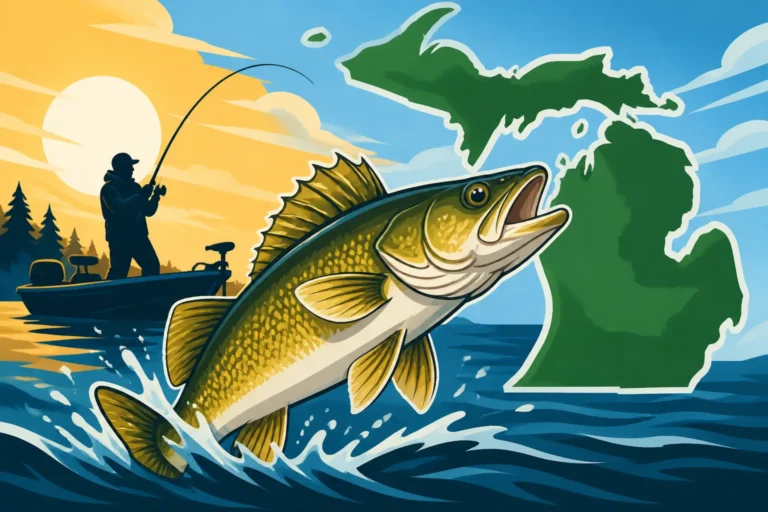
Walleye are undoubtedly one of the most sought-after species in Burt Lake, and for good reason. These delicious fish offer a fantastic fight and are a true culinary delight. They prefer rocky bottoms, humps, and drop-offs, especially areas near the Indian River inlet and the deeper sections of the lake. In spring, after the ice recedes and water temperatures begin to climb, walleye move into shallower spawning areas, making them accessible to shore anglers and those casting from boats in the evenings. As summer progresses, they often retreat to deeper, cooler waters during the day, coming up to feed in low light conditions. Techniques like trolling crankbaits or jigging with live bait (like leeches or nightcrawlers) are incredibly effective.
Northern Pike are another top predator that calls Burt Lake home. These aggressive fish are ambush hunters, often found lurking in the extensive weed beds, alongside fallen timber, or in the shallower bays. They're particularly active in the spring and fall when water temperatures are cooler, but can be caught throughout the summer as well, especially during early morning or late evening hours. Large spoons, spinnerbaits, and even topwater lures can entice a strike. Many anglers find success casting these offerings around structure or slow-trolling larger baits along weed lines. While they might not be as prized for the dinner table as walleye, pike offer an exhilarating fight and can grow to impressive sizes in Burt Lake. If you're looking for more details on these toothy critters, check out our guide on Northern Pike Fishing in Michigan.
Chasing Smallmouth Bass and Panfish on Burt Lake
Burt Lake's clear waters and rocky structures make it an ideal habitat for smallmouth bass. These bronze beauties are renowned for their powerful fights and acrobatic leaps, making them a favorite among sport anglers. You'll find them congregating around rocky points, submerged humps, shoals, and break lines throughout the warmer months. Spring and early summer are particularly productive, as they move shallower to spawn and are aggressively feeding. Topwater lures, jerkbaits, and various soft plastic presentations (like tubes and Senkos) worked along structure can yield fantastic results. Later in summer, they may move deeper but will still relate to rocky areas.
For those looking for a more relaxed day or introducing youngsters to fishing, Burt Lake offers fantastic panfish opportunities. Yellow perch, bluegill, and crappie are abundant, providing consistent action and a tasty meal. Perch often school in deeper flats and along drop-offs, while bluegill and crappie tend to stick to weed beds, docks, and submerged brush in shallower bays. Simple techniques like fishing with a bobber and live bait (worms, minnows) or small jigs are highly effective. You can often find concentrated schools, leading to a steady stream of bites. It's a perfect way to spend a family day on the water, and knowing that you're likely to get some action can be a huge confidence booster for new anglers.
Seasonal Strategies for Burt Lake Success
Fishing Burt Lake successfully really boils down to understanding the seasonal patterns of its fish. In spring, as the ice leaves, water temperatures are cool. This is prime time for walleye and northern pike to be shallower, preparing for or completing their spawn. Bass will also start becoming active. Live bait presented slowly is often key. As summer heats up, fish tend to move deeper during the day, especially walleye and lake trout, seeking cooler, oxygenated water. Early mornings, evenings, and overcast days can bring them shallower. Trolling deep-diving crankbaits or jigging spoons become more effective in the mid-lake basins.
Fall sees water temperatures cool again, triggering aggressive feeding binges for nearly all species as they prepare for winter. Walleye and pike will once again be found shallower, and smallmouth bass will be schooled up on rocky structure, voraciously feeding. This is often considered one of the best times for trophy fishing. Finally, winter brings the exciting world of ice fishing to Burt Lake. Walleye, northern pike, and perch are all popular targets through the ice, often caught by jigging small spoons or using tip-ups with minnows. A reliable ice fishing guide, like our Michigan Ice Fishing Guide, can offer even more specific strategies. Always remember to consult the Michigan Fishing Regulations Every Angler Should Know for specific season dates and limits, as these can vary by species and waterbody.
Mullett Lake's Angling Opportunities and Hotspots
Mullett Lake, with its impressive size and deep, cool waters, offers a slightly different, yet equally exciting, fishing dynamic compared to Burt Lake. While there's overlap in species, Mullett Lake really shines for its cold-water inhabitants and provides diverse challenges and rewards for anglers willing to explore its vastness. Its connections to the Cheboygan River and the rest of the Inland Waterway means a constant flow of life and opportunities.
Mullett Lake's Renowned Walleye and Lake Trout Fishery
Just like Burt Lake, Mullett Lake boasts an exceptional walleye fishery. However, due to its greater average depth, walleye often hold in deeper water throughout the summer months, making them a target for deep trolling or jigging. Key areas to focus on are the many submerged humps, reefs, and sharp drop-offs found across the lake. The outflow area into the Cheboygan River can also be a hotspot, especially during migrations. Spring and fall still offer shallower opportunities, but during the dog days of summer, be prepared to fish at depths of 20-40 feet, often using sonar to locate schools. Bottom bouncers with crawler harnesses or deep-diving crankbaits are go-to choices. Our guide on Best Bait for Michigan Walleye might give you some specific ideas.
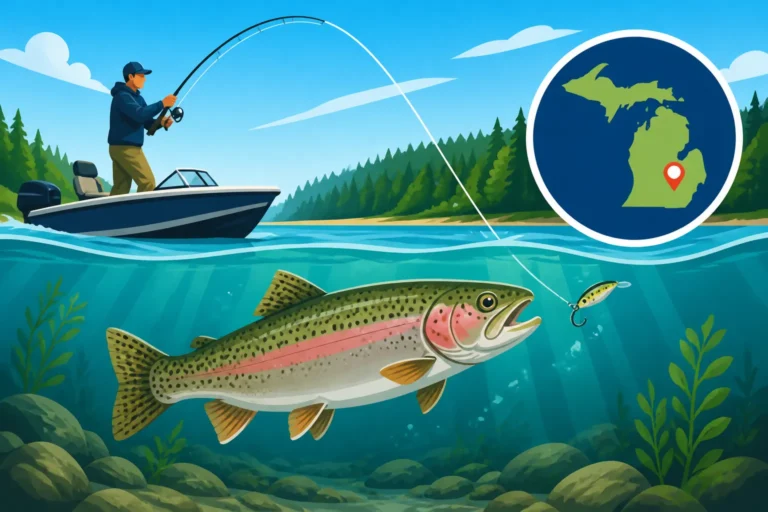
What truly sets Mullett Lake apart from Burt Lake is its excellent lake trout population. The lake’s significant depth and cold, oxygen-rich waters provide a perfect environment for these powerful char. Lake trout are a truly challenging and rewarding catch, known for their strong runs. They'll be found in the deepest sections of the lake, especially during the warmer months, often relating to significant underwater structure like steep drop-offs or deep rock piles. Downriggers are almost essential for effectively targeting these fish, allowing you to present spoons, flies, or large stickbaits at precise depths. The DNR also stocks splake here, a hybrid of brook trout and lake trout, which adds another exciting cold-water species to the mix. Understanding Michigan's Combined Trout and Salmon Possession Limit is important when targeting these species.
Exploring Mullett Lake for Bass and Panfish Action
While lake trout might steal some of the spotlight, Mullett Lake also provides excellent fishing for both smallmouth and largemouth bass. The smallmouth bass thrive in Mullett's clear waters and rocky shorelines, particularly along points, reefs, and rocky shoals. Their behavior mirrors those in Burt Lake, with spring and early summer being peak times for shallower action, transitioning to deeper structure as the water warms. Effective techniques include casting jerkbaits, soft plastics, and topwater lures around these rocky areas.
Largemouth bass, while perhaps not as numerous as smallmouth, can be found in the shallower, weedier bays and along the more vegetated shorelines of Mullett Lake. Look for areas with lily pads, emergent weeds, and fallen logs. Spinnerbaits, Texas-rigged worms, and frog imitations can be deadly in these areas, especially in low-light conditions. Mullett Lake also offers abundant panfish, including yellow perch, bluegill, and crappie. These species congregate in similar shallow, structured areas as in Burt Lake – near docks, weed beds, and submerged timber. They provide consistent light-tackle fun and are perfect for a family outing.
Understanding Mullett Lake's Seasonal Dynamics
Mullett Lake's seasonal fishing patterns are largely similar to Burt Lake, but with a few key distinctions, especially regarding the deeper, colder water species. In spring, as the ice retreats, walleye move to shallower spawning grounds. Northern pike also become active in the bays. Smallmouth bass will be staging for their spawn. This is a great time for casting and jigging in shallower to mid-depths. As summer fully arrives, the lake stratifies, and cold-water fish like lake trout will move to the deepest, coolest parts of the lake. Walleye will also seek out cooler depths during the day. Trolling with downriggers or deep jigging becomes essential for these species. Bass and panfish still offer great action in shallower areas, especially mornings and evenings.
Fall is a fantastic time on Mullett Lake. All species enter a feeding frenzy. Walleye and bass will be actively gorging in various depths, often moving shallower as the water cools. Lake trout can also become more active in the upper water column before winter. The cooler temperatures make for comfortable fishing. Finally, winter transforms Mullett Lake into an ice fishing paradise. Walleye are a primary target, often found over deep humps and flats. Lake trout can also be caught through the ice, requiring specialized presentations near the bottom in deep water. Perch and northern pike provide additional ice fishing opportunities closer to shore or near weed beds. For safe ice fishing practices and gear, our Michigan Ice Fishing Guide has you covered.
Essential Gear and Techniques for Fishing Burt and Mullett Lakes
Success on Burt and Mullett Lakes often comes down to having the right tools for the job and knowing how to use them effectively. These lakes offer such a variety of fishing scenarios that a versatile approach to gear and techniques will serve you best. Don't worry, you don't need a boatload of expensive equipment, but understanding the basics for each target species will make your trip much more enjoyable and productive.
Recommended Rods, Reels, and Line for Inland Fishing
For most general-purpose fishing on Burt and Mullett Lakes, a medium-light to medium-heavy spinning rod, around 6'6" to 7' in length, paired with a 2500-3000 series spinning reel, will be incredibly versatile. This setup is excellent for casting a variety of lures, from jigs to crankbaits, and handles everything from panfish to decent-sized walleye and bass. Spool your reel with 8-12 lb monofilament or fluorocarbon line, or consider 15-20 lb braided line with a fluorocarbon leader for added sensitivity and strength, especially when targeting walleye or smallmouth.
If you're specifically targeting larger northern pike, or looking to troll for lake trout, you might want to step up to a medium-heavy baitcasting setup. A longer, more robust rod (7' to 7'6") with a reliable baitcasting reel spooled with 20-30 lb braided line will handle larger lures and the powerful fights of these bigger fish. For panfish, a lighter action rod (ultralight to light) with a smaller 1000-2000 series spinning reel and 4-6 lb test line will maximize the fun and sensitivity.
| Species Targeted | Recommended Rod Action | Recommended Reel Size | Line Type & Strength |
|---|---|---|---|
| Walleye | Medium to Medium-Heavy | 2500-3000 spinning | Braid (15-20lb) w/ fluoro leader (8-12lb) |
| Northern Pike | Medium-Heavy to Heavy | 3000-4000 spinning or baitcasting | Braid (20-30lb) w/ wire leader |
| Smallmouth Bass | Medium-Light to Medium | 2500-3000 spinning | Braid (10-15lb) w/ fluoro leader (6-10lb) |
| Largemouth Bass | Medium-Heavy | 3000 spinning or baitcasting | Braid (20-30lb) or Fluorocarbon (12-17lb) |
| Lake Trout | Medium-Heavy to Heavy (Trolling) | Levelwind trolling reel | Braided (30-50lb) or Monofilament (17-25lb) |
| Perch/Bluegill/Crappie | Ultralight to Light | 1000-2000 spinning | Mono (4-6lb) |
Go-To Lures and Baits for Each Target Species
Choosing the right lures and baits is critical for success. For walleye, a mix of jigging spoons, blade baits, and soft plastic swimbaits in natural colors (perch, smelt) are excellent for vertical jigging on deeper structures. Trolling anglers will find success with deep-diving crankbaits from brands like Rapala or Berkley, in colors matching local baitfish. Live bait such as nightcrawlers (often on a crawler harness), leeches, or minnows fished on a jig or under a slip bobber are also incredibly effective, especially during cooler water periods.
When chasing northern pike, large inline spinners, spoons (like Dardevles), and crankbaits with a good wobble are top choices. Bright colors or those mimicking perch can be particularly productive. Always use a steel or heavy fluorocarbon leader to prevent bite-offs from their razor-sharp teeth. For smallmouth bass, jerkbaits, tube jigs, drop-shot rigs with small worms, and topwater poppers or walk-the-dog lures are fantastic. For largemouth bass, focus on weedless presentations like Texas-rigged soft plastics, spinnerbaits, and frog imitations in heavy cover. Lake trout respond well to large spoons (e.g., Little Cleo, Northport Nailer) or flasher-and-fly combinations trolled deep. Finally, for panfish, small lead-head jigs tipped with a piece of worm, minnow, or a soft plastic grub, fished under a bobber or slowly retrieved, are usually irresistible.
Mastering Techniques for Both Open Water and Ice Fishing
In open water, versatility is key. Casting and retrieving various lures is a fundamental technique for bass, pike, and even walleye in shallower areas. For walleye and lake trout in deeper water, trolling with proper gear like planer boards or downriggers allows you to cover vast areas and present baits at precise depths. Vertical jigging over structure marked on your fish finder is also highly effective, especially for walleye and lake trout. Learning to "read" your sonar is incredibly beneficial. For more complex techniques, like centerpinning or float fishing, which are often used for river steelhead, you'd need specialized gear, but for these lakes, more common approaches suffice.
When the lakes freeze over, the focus shifts to ice fishing. Portable ice shanties and powerful augers become essential. For walleye and lake trout, jigging with small spoons or blade baits, often tipped with a minnow head, is popular. Many anglers will also set up tip-ups with live minnows for a more passive approach, especially for northern pike and walleye. For panfish through the ice, tiny jigs tipped with wax worms or spikes, fished very slowly, are usually the ticket. Safety on the ice is paramount; always check ice thickness and let someone know your plans. For further in-depth guidance, exploring our Michigan Ice Fishing Guide will provide invaluable tips and ensure a safe and successful winter outing.
Navigating Regulations and Access for a Smooth Trip
Fishing in Michigan is a fantastic experience, but it’s vital to understand the rules and how to access these beautiful waters legally and responsibly. The Michigan Department of Natural Resources (DNR) works tirelessly to manage and protect our fisheries, and adherence to their regulations ensures that everyone can enjoy these resources for years to come. Skipping over this section could lead to fines or, worse, impacting the sustainability of our beloved fishing spots.
Understanding Michigan's Fishing License and General Regulations
The very first thing you need to do before wetting a line in Burt or Mullett Lake, or any public water in Michigan, is to ensure you have a valid Michigan fishing license. Anyone aged 17 or older needs one, whether you're a resident or a nonresident. The good news is that acquiring a license is straightforward. You can purchase one online through the Michigan DNR's eLicense system, via their convenient Michigan's DNR Hunt Fish App for Licenses and Reporting, or in person at various authorized retailers, including bait shops and sporting goods stores across the state. Our guide on How to Buy a Michigan Fishing License walks you through the entire process.
Beyond the license, it’s crucial to familiarize yourself with the statewide and, if applicable, specific regional regulations. While many rules apply generally, certain lakes or river sections might have special rules regarding size limits, bag limits, or even tackle restrictions for specific species. For instance, there are specific Michigan Walleye Size and Possession Limits and Michigan's Combined Largemouth and Smallmouth Bass Limit that anglers must adhere to. The annual Michigan Fishing Regulations Digest is your best friend here, available as a PDF online or in print wherever licenses are sold. Always check the current digest before heading out, as regulations can change annually. Ignoring these rules isn't just illegal; it undermines the conservation efforts that keep these fisheries healthy.
Public Access Points and Launch Ramps
Both Burt Lake and Mullett Lake offer excellent public access for boaters and shore anglers alike. Knowing where to launch your boat or find a good spot to cast from the bank can make planning your day much easier.
Burt Lake Public Access:
- Burt Lake State Park: Located on the southern end of Burt Lake, this park offers a boat launch, ample parking, and picnic areas. It’s a popular spot, especially during peak season.
- Maple Bay State Forest Campground: Provides a rustic boat launch and access on the western side of the lake.
- Indian River Marina (Various Marinas): While some are private, many offer public launch services for a fee, and often provide bait, tackle, and fuel. The Indian River, connecting Burt and Mullett Lakes, has several access points.
Mullett Lake Public Access:
- Mullett Lake State Park: Situated on the southeast shore, this park offers a large boat launch, plentiful parking, and camping facilities. It's an ideal starting point for exploring the lake.
- Aloha State Park: Located on the eastern shore, providing boat launches and campground facilities.
- Cheboygan River Access: The river connecting Mullett Lake to Lake Huron has several launch sites in and around Cheboygan, offering convenient access, particularly if you're coming from Lake Huron.
Remember, Michigan boat registration requirements mean your vessel needs to be properly registered before you launch. Always be mindful of local etiquette, respect private property, and keep the areas clean. Having your boat trailer in good working order and knowing the local ramps can save you a lot of hassle. If you're coming from out of state, be sure to understand Michigan Boat Registration Requirements as well.
Planning Your Trip to Michigan's Inland Waterways
A successful fishing trip isn't just about what happens on the water; it's also about the planning that goes into it. From where you'll lay your head to whether you want to hire an expert, a little foresight can turn a good trip into a truly unforgettable experience on Burt and Mullett Lakes. Northern Michigan is a premier destination, and for good reason—it offers stunning scenery, vibrant communities, and of course, fantastic fishing.
Local Accommodations and Amenities
Northern Michigan, especially the area around Burt and Mullett Lakes, is well-equipped to host anglers and their families. You'll find a wide range of accommodation options to suit every preference and budget. For those who love the great outdoors, both Burt Lake State Park and Mullett Lake State Park offer excellent campgrounds with amenities like boat launches, swimming beaches, and hiking trails. There are also numerous private campgrounds and RV parks scattered around the lakes.
If camping isn't your style, you'll discover a plethora of charming hotels, motels, and vacation rentals in nearby towns like Indian River, Cheboygan, and Petoskey. Many vacation rentals are waterfront properties, offering private docks and direct lake access, which is incredibly convenient for anglers. These towns also provide all the essential amenities you might need, including grocery stores, gas stations, bait and tackle shops, and a variety of restaurants, from casual diners to upscale eateries. Making reservations in advance, especially during the busy summer months and fall color season, is highly recommended to secure your preferred lodging.
Hiring a Local Guide for an Enhanced Experience
For those who are new to Burt and Mullett Lakes, or even seasoned anglers looking to maximize their time and learn the local nuances, hiring a professional fishing guide can be an invaluable investment. Local guides possess an intimate knowledge of the lakes, knowing where the fish are biting, what techniques are working best on any given day, and how to navigate the waters safely. They often have specialized gear, including top-of-the-line electronics, that can dramatically improve your chances of success.
A good guide doesn't just put you on fish; they teach you. You can learn about seasonal patterns, specific hotspots, effective lure presentations, and even the subtle art of reading the water. This knowledge can be applied to future trips, making you a more self-sufficient angler. Many guides offer half-day or full-day trips tailored to your target species. To find a reputable guide, you can ask for recommendations at local bait shops, check with marinas, or use online booking platforms like FishingBooker, which lists experienced charter captains and guides operating on both Burt and Mullett Lakes. Booking a guide can also be an excellent option if you don't have your own boat or want to experience deeper water fishing for species like lake trout without the significant investment in specialized gear. It's a fantastic way to jumpstart your success on these incredible Northern Michigan waters.
Disclaimer
Please note that fishing regulations, seasons, and licensing requirements can change. Always consult the most current Michigan Department of Natural Resources (DNR) Fishing Guide or their official website before heading out on the water to ensure you are in compliance with all applicable laws and regulations. The information provided in this guide is for general informational purposes only and should not be considered legal advice.