St. Clair River and Detroit River Perch Fishing
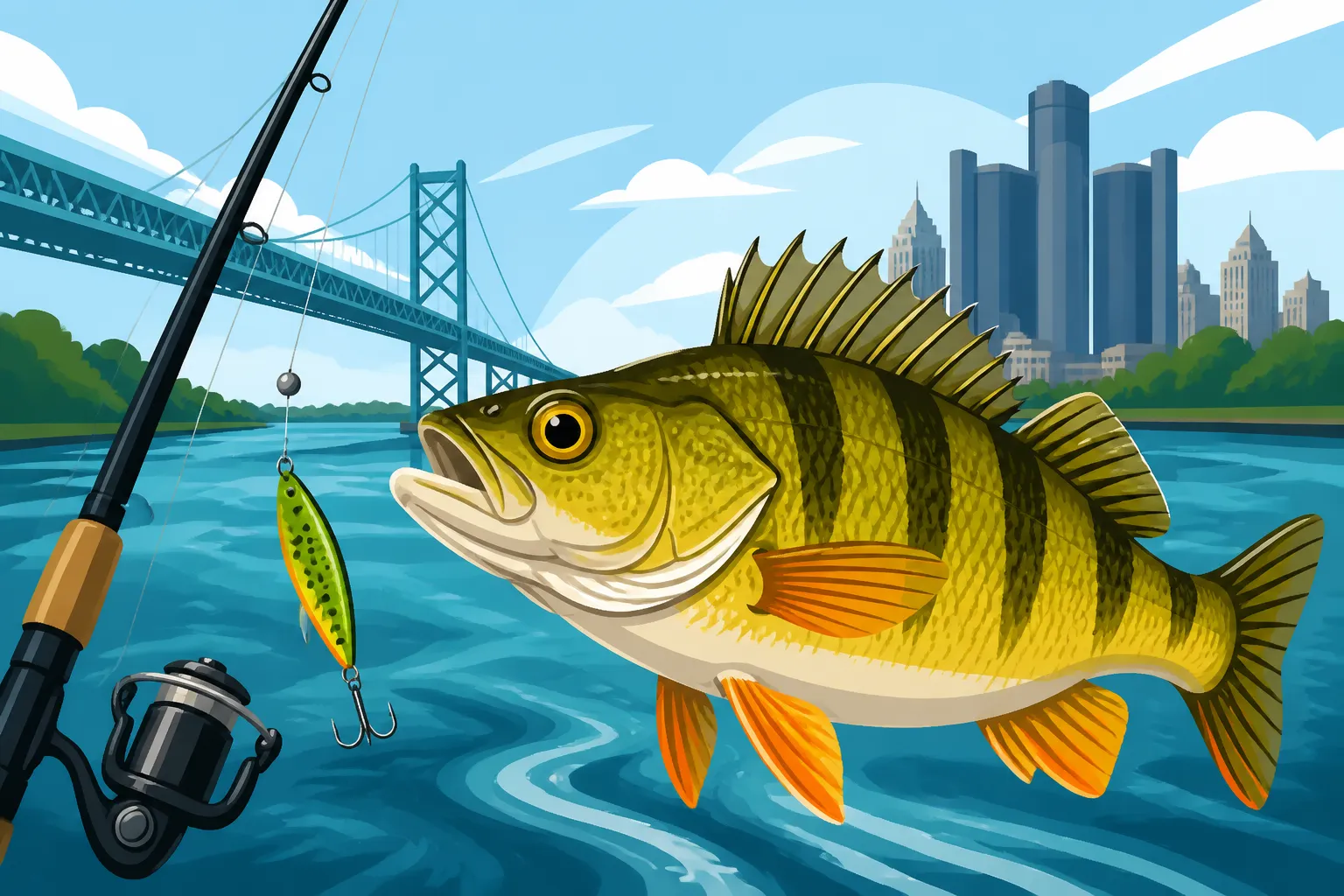
Oh, the St. Clair and Detroit Rivers! If you've ever dreamt of filling a cooler with delicious yellow perch, these two legendary waterways are probably already on your radar. But let's be real, fishing these bustling, current-rich rivers isn't always as simple as dropping a line. Between the freighter traffic, the swift currents, and knowing where those elusive perch are hiding, it can feel like a daunting task. This guide is here to untangle the complexities, offering real-world advice to help you confidently target and catch yellow perch in these incredible Michigan fisheries.
Understanding the St. Clair and Detroit Rivers as Perch Havens
When we talk about perch fishing in Michigan, the St. Clair and Detroit Rivers often get lumped together, and for good reason—they’re both vital arteries connecting the Great Lakes, absolutely teeming with fish. But each has its own distinct personality and challenges. Understanding these unique environments is your first step to consistent perch success.
The Unique Ecosystems of Both Rivers
These two rivers are far from your average inland lake. The St. Clair River, flowing south from Lake Huron, and the Detroit River, connecting Lake St. Clair to Lake Erie, are massive freshwater highways. They're constantly moving, carrying nutrients and baitfish downstream, which creates an incredibly rich and dynamic ecosystem. Think of them as giant, flowing buffets for yellow perch and many other species. The constant flow means the water is generally well-oxygenated and clean, supporting a vibrant food web that includes plenty of smaller fish, insect larvae, and crustaceans – all prime forage for hungry perch.
The sheer size and depth variations in these rivers are astounding. You've got everything from shallow, marshy flats in the St. Clair Flats area to deep shipping channels that routinely see massive freighters. This diverse habitat allows perch to thrive and find ideal conditions throughout the year. The presence of these shipping channels also means a constant mixing of water, which helps distribute food and keeps the water healthy. It’s a complex dance of current, depth, and structure, but once you start to piece it together, you'll see why these rivers are legendary. Many anglers even consult platforms like FishingBooker to connect with local guides who have spent decades deciphering these intricate patterns.
Perch Behavior in River Currents
Unlike their lake-dwelling cousins, river perch have to contend with a continuous flow of water. This dramatically influences where they live and how they feed. They're not going to expend precious energy fighting a strong current all day long. Instead, they're experts at finding "current breaks" – areas where the water slows down or provides a respite from the main flow.
These current breaks can be anything from the backside of a bridge piling, the eddy created by a submerged rock pile, the edge of a deep channel, or even a dense weed line. Perch will often school up in these calmer pockets, waiting for the current to deliver an easy meal right to them. They'll face upstream, eyes peeled for drifting minnows, worms, or insect larvae. Understanding this behavior is absolutely key. If you're fishing in the middle of a screaming current, you're likely fishing over empty water, or at least very few actively feeding perch. Look for any change in the river bottom, a sudden drop-off, or man-made structures; these are all potential havens for schooling perch trying to escape the strong push of the water.
Seasonal Strategies for Perch Fishing Success
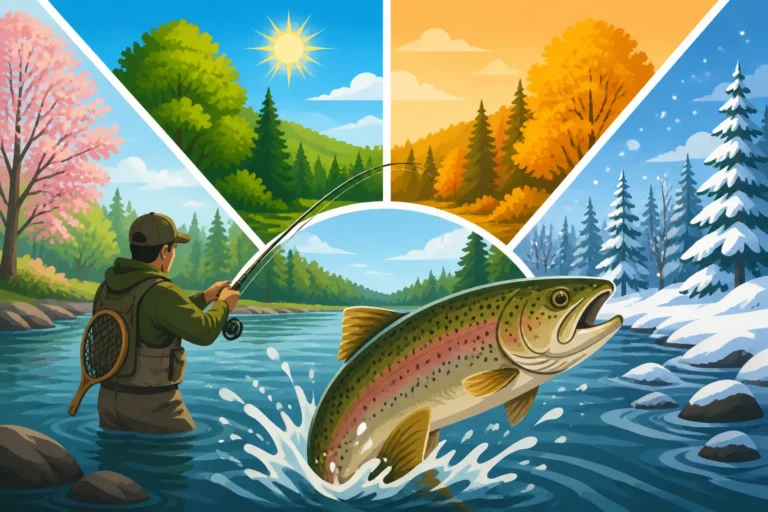
The beauty of fishing the St. Clair and Detroit Rivers is that perch are generally available year-round. However, their patterns and preferred locations shift dramatically with the seasons, influenced by water temperature, spawning cycles, and forage availability. Knowing what to expect when you head out can make all the difference.
Spring and Early Summer Perch Hotspots
As the ice recedes and water temperatures begin to climb in early spring, yellow perch become very active. This is often triggered by their spawning ritual, which typically occurs when water temperatures are in the 45-50°F range, usually in late April to early May. During and immediately after the spawn, perch move into shallower, warmer waters to lay their eggs.
Prime locations during this period include protected bays, shallow flats near river mouths, marinas, and canals that feed into the main river systems. Think of areas around Algonac in the St. Clair Flats, or the protected waters around Belle Isle and the Trenton Channel in the Detroit River. The perch are looking for submerged vegetation, fallen trees, or rocky bottoms where they can deposit their sticky egg strands. Post-spawn, they remain in these shallower areas for a while, aggressively feeding to regain their energy. This is a fantastic time for shore anglers, too, as perch are often within casting distance of public docks and piers. Targeting them with small minnows or jigs tipped with soft plastics can be incredibly effective.
Late Summer and Fall Perch Patterns
Once the summer heat sets in and water temperatures rise into the 70s, perch tend to move out of the very shallow areas and seek deeper, cooler water. They'll often school up along the edges of the main shipping channels, in deeper holes, or near submerged structures that offer both current breaks and cooler temperatures. This migration can make them a bit harder to find, but once you locate a school, the action can be fast and furious.
As autumn approaches and water temperatures begin to cool again, perch enter a voracious feeding period to fatten up for the coming winter. This is arguably one of the best times to target them in these rivers. They become incredibly active, often schooling in massive numbers. Look for them concentrated in deeper flats adjacent to channels, near bridge pilings, or over hard bottom areas where they can ambush baitfish. The fall bite can last well into November and even December, right up until ice forms. Many experienced anglers utilize fish finders during this time to pinpoint these dense schools in the deeper water. If you’re planning a trip during this prime period, looking for a local guide through services like FishingBooker can give you a significant advantage, as they'll have the most up-to-date knowledge of where the schools are congregating.
Essential Gear and Techniques for River Perch
Catching yellow perch in the St. Clair and Detroit Rivers demands specific gear and techniques to handle the unique challenges posed by current and depth. While simple setups can sometimes work, optimizing your tackle will significantly increase your success rate and enjoyment.
Rods, Reels, and Line Choices
For river perch, sensitivity is key. You'll want to feel those subtle bites, especially when your bait is dancing in the current. A light to medium-light action spinning rod, typically in the 6 to 7-foot range, is ideal. This length offers enough leverage for casting and fighting fish, while the light action allows for precise bait presentation and excellent bite detection. A fast or extra-fast tip is preferable to register those faint taps.
Pair your rod with a small, lightweight spinning reel (size 1000 to 2500) that has a smooth, reliable drag system. A good drag is essential for preventing line breaks, especially if you hook into a larger perch or, as often happens in these waters, an incidental walleye or smallmouth bass. For line, you have a couple of solid options:
- Monofilament: 4-6 lb test mono is a classic choice. It has some stretch, which can be forgiving with aggressive hooksets, and it’s generally easy to manage.
- Braided Line with Fluorocarbon Leader: Many experienced anglers opt for 6-10 lb braided line, especially for its incredible sensitivity and lack of stretch. This allows you to feel even the lightest bites. However, braid is visible in clear water, so it's crucial to tie on a 2-4 foot leader of 4-6 lb fluorocarbon. Fluorocarbon is nearly invisible underwater and is more abrasion-resistant, which is a bonus when fishing around current and structure.
Baits, Lures, and Rigs That Work
When it comes to getting a perch's attention in these rivers, fresh bait often reigns supreme, but artificials can be deadly too.
- Live Bait:
- Minnows: Hands down, emerald shiners are the king of perch baits in these waters. Their natural shimmer and movement in the current are irresistible. Hook them lightly through the lips or dorsal fin. Other small minnow species work too.
- Worms: Nightcrawlers or red wigglers, fished in smaller pieces, can also entice perch, especially when they're less active.
- Wax Worms/Maggots: These small grubs are fantastic for tipping jigs or small hooks, adding scent and subtle movement.
- Artificial Lures:
- Small Jigs: 1/16 to 1/8 ounce jigs are incredibly versatile. Tip them with small soft plastic bodies (like tubes, grubs, or small paddle-tail swimbaits) in natural colors like white, chartreuse, or motor oil. The jig head color can also make a difference; chartreuse, pink, or orange often stand out.
- Blade Baits: Small blade baits, like those from Johnson or Silver Buddy, are excellent for jigging in current. Their vibration and flash can call in perch from a distance.
- Small Spoons: Trolling or casting small spoons can also be effective, especially during fall when perch are chasing baitfish.
As for rigging, the current will dictate your setup. For more detailed information, check out our guide on the "Best Bait for Perch".
| Rig Type | Best Use | Description |
|---|---|---|
| Drop-Shot | Deep water, light bites, precise depth control | Weight on bottom, hook(s) tied above on a tag end. Keeps bait off the bottom, ideal for subtle presentations. |
| Tandem Rig | Locating schools, covering water, multiple baits | Two or more hooks tied at different depths above a sinker. Increases chances of a bite and helps pinpoint feeding depth. |
| Slip Bobber | Shallow to medium depths, slower current | Allows for precise depth adjustment. Bait hangs naturally. Great for fishing structure from shore or anchored boat. |
| Bottom Rig | Strong current, targeting bottom | Sinker on the bottom, usually with a snelled hook or two above. Reliable for keeping bait in the strike zone, especially with live minnows. |
Boat vs. Shore Fishing Considerations
Fishing these dynamic rivers presents different opportunities and challenges depending on whether you're fishing from a boat or from shore.
From a Boat:
A boat offers the ultimate advantage: mobility. You can chase schools, target deep channels, fish current breaks behind mid-river structures, and quickly move if the bite slows down. However, boating on the St. Clair and Detroit Rivers requires experience and vigilance. These are major shipping channels with frequent freighter traffic and heavy pleasure boat use, especially in summer. You'll need appropriate safety gear, knowledge of navigation rules, and a strong anchor system to hold your position in swift currents. Drifting can also be very effective, allowing you to cover vast stretches of water, but requires constant attention to your position relative to navigation markers and other boaters. Familiarize yourself with "Michigan Boat Registration Requirements" and "Michigan Boating Laws for Anglers" before heading out. For larger boats capable of handling rough water, especially on windier days, consider options discussed in "Best Boats for Michigan Fishing".
From Shore:
Shore fishing can be incredibly rewarding, especially in spring and fall when perch move into shallower areas. Public parks, piers, and riverfront access points in towns like Port Huron, Marine City, Algonac, and throughout Detroit offer opportunities. While your mobility is limited, you can often find excellent current breaks near docks, bridge abutments, or natural shoreline contours. The key is to find spots where you can cast into calmer water or near a drop-off. A longer casting rod might be beneficial to reach deeper water. Always be mindful of local regulations, private property, and respect for other anglers.
Navigating Regulations and Conservation for Perch
Fishing in Michigan's Great Lakes connecting waters, like the St. Clair and Detroit Rivers, comes with specific rules. It's not just about what you catch, but how much and where. Being a responsible angler means understanding and respecting these regulations, especially when dealing with international border waters.
Michigan's Yellow Perch Limits
The Michigan Department of Natural Resources (DNR) sets specific daily possession limits for various fish species to ensure sustainable populations. For yellow perch in the St. Clair and Detroit Rivers, you'll generally find a generous daily bag limit. As of my last check, the statewide daily possession limit for yellow perch in Michigan waters, including these rivers, is 25 fish per person. It’s always smart to double-check the latest "Michigan Fishing Regulations Every Angler Should Know" or the current year's fishing digest, as rules can occasionally change.
While 25 perch sounds like a lot, it's important to practice selective harvest. Keeping a few meals of delicious perch is fantastic, but releasing the larger breeding females, especially outside of spawning season, helps maintain a healthy fishery for future generations. Also, be aware of "Michigan Daily Bag Limits by Species" to ensure you're not accidentally over-harvesting other fish you might catch. The "Michigan Yellow Perch Limit on Lake St. Clair" also applies to the adjacent river section, given their interconnectedness.
Navigating Border Waters with Canada
This is a critical point for anglers on both the St. Clair and Detroit Rivers, as these waterways form part of the international border between the United States and Canada. This means you could inadvertently drift or motor into Canadian waters (Ontario) without realizing it.
If you plan to fish across the border, or even near it, you must possess the appropriate fishing license for both jurisdictions. This means a valid Michigan fishing license for U.S. waters and an Ontario fishing license for Canadian waters. Without both, you could face significant fines and penalties if checked by authorities on either side. Ontario has different seasons, bag limits, and size restrictions than Michigan. It’s not simply about having a license; it's about knowing and adhering to the specific rules of the water you are in at any given moment.
Always carry your fishing licenses and know your location. A GPS unit can be invaluable for pinpointing your exact position relative to the international boundary line. Charter captains who operate in these waters are usually well-versed in these rules and will ensure they comply with the regulations of their operating country, but if you're venturing out on your own, the responsibility is entirely yours. For details on getting your Michigan license, see our "Michigan Fishing License Guide for Residents and Nonresidents" and "Michigan Fishing License Costs and Types Explained".
Top Perch Fishing Spots and Access Points
While the entire St. Clair and Detroit Rivers hold perch, certain areas are renowned hotspots due to their structure, current breaks, or historical productivity. Knowing where to start looking can save you a lot of time and fuel.
St. Clair River Hotspots
The St. Clair River offers a fantastic array of perch opportunities, especially as it widens into the expansive St. Clair Flats.
- The St. Clair Flats (Delta Area): This vast marshy delta where the St. Clair River empties into Lake St. Clair is a perch paradise. The numerous channels, bays, and weed beds offer excellent habitat. Look for perch in the shallower, protected canals in spring, moving to channel edges and deeper cuts in summer and fall. Popular areas include the channels around Algonac, Harsens Island, and the various bays.
- Near Port Huron: Upriver, closer to Lake Huron, areas around Port Huron and the mouth of the Black River can hold good numbers of perch, especially in the eddies and calmer water created by the city's infrastructure.
- Marine City and Algonac Areas: The deeper stretches of river near these towns, particularly around submerged structures, bridge pilings, and dock lines, consistently hold perch. These areas often have distinct current breaks that concentrate schools.
When exploring these areas, remember that you're fishing a flowing system. Current breaks are your best friend. Look for any obstruction—natural or man-made—that offers a calm pocket for perch to gather. For a broader overview of fishing opportunities in the region, including the nearby lake, you might find our "Michigan's Great Lakes Fishing Guide" helpful, and for specific urban angling, "Best Fishing Spots Near Detroit, Michigan" can give you ideas for the lower river.
Detroit River Hotspots
The Detroit River is equally productive, especially in its lower stretches closer to Lake Erie, where perch often congregate in large numbers.
- Trenton Channel: This industrial channel, though busy, is a perennial perch hotspot. The numerous docks, pilings, and deeper cuts provide excellent cover and current breaks. Perch often school up here, especially in the fall.
- Lower Detroit River (Near Lake Erie): As the river widens and approaches Lake Erie, the current slows, and the riverbed becomes more varied with numerous shoals and deeper flats. Areas like the mouth of the river, near the islands (e.g., Grosse Ile), and the calmer backwaters offer prime perch habitat. This section is heavily influenced by Lake Erie's perch movements.
- Areas around Belle Isle: While the main river current around Belle Isle can be strong, the protected canals and shallower flats on the island's edges can hold perch, particularly in spring and early summer.
Again, using a good fish finder is invaluable in these deeper, wider sections to locate schools that might be suspended or hugging the bottom. Many anglers prefer to hire local fishing charters for the Detroit River, especially if they're unfamiliar with its unique challenges. Platforms like FishingBooker can help you find reputable captains who specialize in perch fishing on these waters.
Public Access and Launch Ramps
Both rivers boast numerous public access points and boat launches, making them accessible to anglers with or without a boat.
St. Clair River:
- Algonac State Park: Offers excellent boat launch facilities and some shore access.
- Port Huron (various city parks): Several parks provide shore fishing opportunities and access to fishing piers.
- Marine City (city parks/marinas): Good launches and shore fishing spots.
Detroit River:
- St. Jean Boat Launch (Detroit): A major public launch with ample parking, providing access to the upper and mid-Detroit River.
- Belle Isle (Detroit): Offers several spots for shore fishing, particularly in the canals and calmer sections.
- Elizabeth Park Marina (Trenton): Located in the lower Detroit River, it provides excellent launch facilities and access to the Trenton Channel and lower river hotspots.
- Sterling State Park (Monroe, near Lake Erie): While technically on Lake Erie, its proximity to the Detroit River mouth makes it a relevant access point for the lower river's perch movements.
Always check the current status and operating hours of these facilities before you head out. Some may require a Michigan Recreation Passport for vehicle entry. Being mindful of other users, especially at busy ramps, makes for a smoother experience for everyone.
Overcoming Challenges: Current, Boat Traffic, and Weather
Fishing the St. Clair and Detroit Rivers for perch is incredibly rewarding, but it's not without its challenges. The constant current, heavy boat traffic, and unpredictable Michigan weather can test even the most experienced angler. Being prepared for these factors is crucial for a successful and safe trip.
Dealing with Strong Currents and Eddies
The most significant challenge in these rivers is undoubtedly the current. A strong flow can make it difficult to get your bait down to the fish, detect bites, and even maintain boat control.
- Weight Up: Don't be afraid to use heavier weights or jigs than you might typically use in a lake. Sometimes, a 1/4 or 1/2 ounce weight is necessary just to get your bait to the bottom in deep, swift currents. The goal is to feel your weight ticking the bottom, not being swept away.
- Read the Water: Learn to identify current breaks. Look for seams where fast water meets slow water, eddies behind structures, or calmer pockets downstream from bridge pilings, submerged logs, or rock formations. These are prime ambush points for perch.
- Adjust Presentation: If you're anchored, cast upstream and let your bait drift naturally into the strike zone. If you're drifting, try to match the speed of the current by using a drift sock or by intermittently engaging your trolling motor. This allows your bait to look more natural to the fish.
- Vertical Jigging: In strong currents, vertical jigging directly below your boat can be highly effective, as it keeps your bait in the strike zone longer. Use heavier jigs or blade baits for this technique.
Adapting to Weather and Water Conditions
Michigan weather is notoriously unpredictable, and river conditions can change rapidly.
- Wind: High winds can make boat control extremely difficult and dangerous, especially on wider stretches of the Detroit River or when crossing into Lake St. Clair. Always check the marine forecast before heading out. If it's too windy, consider fishing in more sheltered canals or bays, or postpone your trip. Wind also creates chop, which can make it hard to feel subtle perch bites.
- Rain and Runoff: Heavy rains can introduce a lot of muddy runoff into the rivers, reducing water clarity. Perch rely heavily on sight to feed, so murky water can make them less active or push them to clearer areas. In such conditions, consider using baits with more scent or vibration, or lures with brighter, more contrasting colors (e.g., chartreuse, orange). Sometimes, moving further offshore or finding areas less affected by runoff can yield better results.
- Temperature Swings: Drastic temperature changes, especially cold fronts, can make perch finicky. They might move deeper or become less aggressive. During these times, slow down your presentation, use smaller baits, and focus on sensitive bite detection. Conversely, a stable weather pattern or a warm front can often trigger an aggressive feeding frenzy.
Minimizing Impact of Boat Traffic and Freighters
The St. Clair and Detroit Rivers are not just fishing grounds; they're vital commercial shipping lanes and popular recreational boating routes. This means you'll encounter a lot of other vessels, from massive freighters to small kayaks.
- Safety First: Always be aware of your surroundings. Freighters create enormous wakes that can swamp smaller boats or knock unsuspecting anglers off their feet. Give them a wide berth and keep a close eye on your stern. When a freighter approaches, unhook your lines, face your boat into the wake, and take a defensive posture.
- Respect Other Boaters: Share the water courteously. Don't anchor in shipping channels, always yield to larger vessels, and be mindful of your wake near other boats or shorelines.
- Fish Smarter, Not Harder: Heavy boat traffic can churn up the water, scatter fish, and make fishing difficult. Consider fishing during off-peak hours (early mornings, late evenings, or weekdays) to avoid the busiest times. Sometimes, after a period of intense boat traffic, the fish will settle back down, so patience is key. Having a well-maintained boat and all necessary safety gear, including life jackets, is non-negotiable on these busy waters.
By understanding and preparing for these challenges, you can turn a potentially frustrating day into a memorable perch-catching adventure on Michigan's iconic rivers.
Disclaimer
The information provided in this guide is for general informational purposes only. Fishing regulations, conditions, and access points can change frequently. Always consult the latest Michigan Department of Natural Resources (DNR) fishing regulations and local advisories before planning any fishing trip. Adhere to all boating safety guidelines and exercise caution when navigating the St. Clair and Detroit Rivers. FishingBooker is mentioned as a resource for finding local guides, not as an endorsement of any specific service, and anglers should always do their own due diligence when selecting a charter.