St. Joseph River Steelhead Fishing in Michigan
There’s nothing quite like the powerful pull of a chrome-bright steelhead on the end of your line, especially when you’re standing in the cold, rushing waters of a Michigan river. Many anglers dream of this fight, but facing a large, complex river system like the St. Joseph can feel overwhelming for newcomers and even seasoned veterans. This comprehensive guide will navigate you through everything you need to know to successfully pursue steelhead on Michigan's legendary St. Joseph River, from understanding their lifecycle to mastering the best techniques and finding those prime fishing spots.
Understanding the Mighty St. Joseph River Steelhead Fishery
The St. Joseph River is truly a gem in Michigan's angling crown, especially for those who crave the thrill of steelhead fishing. It's a river with a rich history and an even richer fishery, attracting anglers from all over the Midwest and beyond. But to truly appreciate what makes it special, we need to understand the fish themselves and the unique journey they undertake.
The Journey of Michigan Steelhead
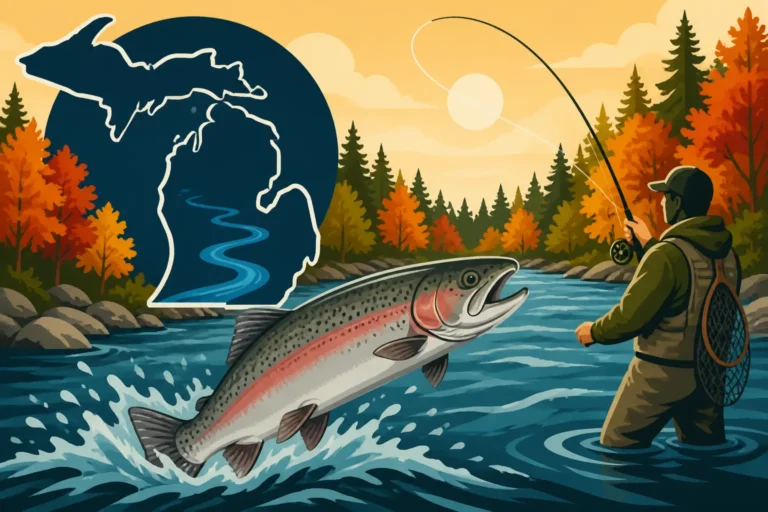
Steelhead are, in essence, rainbow trout that have adapted a migratory lifestyle, much like salmon. Born in the cold, clear gravel beds of tributaries, these incredible fish spend their juvenile years in the river before making their epic journey to the vast expanse of Lake Michigan. In the big lake, they feed voraciously, growing significantly in size and developing that distinctive chrome-silver sheen that makes them so prized. This migratory pattern is what differentiates them from their resident rainbow trout cousins that spend their entire lives in the river.
Their life cycle is a fascinating dance between freshwater and the Great Lakes. After two to four years in Lake Michigan, driven by an instinctual urge to spawn, mature steelhead begin their upstream migration back into their natal rivers, or at least the rivers they were stocked in. The St. Joseph River is one of the premier destinations for this journey, offering a multitude of spawning grounds and ample forage along the way. When they return to the river, they transform from lake-dwelling, silvery bullets into vibrant, often darker, and more colorful fish, especially the males who develop a prominent red stripe down their sides. Unlike Pacific salmon, steelhead are iteroparous, meaning they can survive spawning and return to the lake, only to come back to the river to spawn again in subsequent years. This makes them a renewable resource for anglers, provided they are handled with care. If you're curious about the general difference, our guide on "Rainbow Trout and Steelhead: What's the Difference" offers a deeper dive into their unique characteristics.
Why the St. Joseph River Stands Out
The St. Joseph River isn't just any river; it’s a significant waterway that flows over 200 miles through both Michigan and Indiana before emptying into Lake Michigan at St. Joseph. This extensive length and diverse habitat are key to its exceptional steelhead fishery. The river boasts a series of dams, most notably the Berrien Springs Dam, which acts as a natural choke point and a major congregating area for migrating fish. These dams don't block the fish entirely but create fish ladders that allow them passage, effectively concentrating steelhead in certain stretches below and above these structures, making them prime targets for anglers.
Beyond the dams, the St. Joseph offers a variety of water types, from wide, slow-moving stretches to faster, rockier runs and deep pools. This varied topography provides perfect holding water for steelhead throughout their migratory journey and across different water levels and temperatures. The river also benefits from significant stocking efforts by the Michigan Department of Natural Resources (DNR) and Indiana Department of Natural Resources (IDNR), ensuring robust returns year after year. Furthermore, the presence of numerous salmon species, particularly Chinook and Coho, in the river during the fall run means there’s often a tremendous amount of natural forage (egg sacs, dislodged eggs) available, which steelhead actively feed on. This makes the St. Joseph a truly dynamic and productive system, offering consistent opportunities for anglers willing to learn its nuances.
When to Target St. Joseph River Steelhead: Peak Seasons and Runs
Timing is everything when it comes to steelhead fishing. These migratory fish follow predictable patterns, largely dictated by water temperature, flow, and their biological urge to spawn. The St. Joseph River offers distinct runs throughout the cooler months, each with its own charm and challenges.
The Thrill of the Fall Run
The fall steelhead run on the St. Joseph River is often the most anticipated and celebrated season. It typically kicks off in late September, gaining momentum through October, and often extends well into November. What triggers this spectacular migration? A combination of factors: cooling river temperatures following the heat of summer, increased rainfall that raises river levels and provides a fresh scent trail, and crucially, the upstream migration of Chinook and Coho salmon.
As salmon enter the river to spawn, they bring with them a bounty of nutrient-rich eggs. Steelhead, being opportunistic feeders, follow close behind, gorging themselves on these readily available protein pellets. This makes egg imitations, natural spawn bags, and even small flies mimicking eggs incredibly effective during this period. The fall fish are generally strong and aggressive, having just come in from the lake, making for some truly unforgettable battles. Anglers flock to key areas below dams and in deeper runs where salmon are actively spawning, making it a lively and often crowded, but highly productive, time to be on the river. If you're interested in the broader picture, check out our guide on "Fall Steelhead Run in Michigan Rivers" for more information on this exciting time.
The Enduring Winter Steelhead Challenge
As autumn fades and Michigan embraces its true winter, the St. Joseph River doesn't close its doors to steelhead fishing; it simply transforms into a different kind of challenge. From December through February and into March, dedicated anglers can find some of the biggest and most beautiful steelhead of the season. The crowds thin considerably, offering a more serene and often solitary experience. However, winter fishing demands more patience, specialized gear, and a greater understanding of fish behavior in cold water.
During winter, steelhead tend to become less active and seek out slower, deeper pools and soft current seams where they can conserve energy. Their metabolism slows down, meaning they're less likely to chase down a fast-moving lure. This is when finesse techniques truly shine. Small, subtle presentations become paramount. The water is often crystal clear, requiring lighter leaders and more stealthy approaches. Despite the colder conditions, the rewards can be immense. Winter steelhead are often larger, packing on weight from their lake feeding, and their fights, while sometimes less explosive than fall fish, are characterized by powerful, stubborn runs. Be sure to dress warmly in layers and prioritize safety when out on the river during these colder months. Our "Winter Steelhead Run in Michigan Rivers" article provides further insights into tackling this specific season.
Spring Steelhead: The Grand Finale
Just when you think the steelhead action might be winding down, spring arrives, breathing new life into the St. Joseph River fishery. From March through April and often into early May, the river experiences its final, often explosive, push of steelhead. This run is primarily driven by the fish’s biological imperative to spawn. As water temperatures begin to rise and daylight hours lengthen, steelhead that have spent the winter in the river become more active, and fresh waves of "drop-back" or "post-spawn" fish begin their journey back to Lake Michigan, often feeding aggressively to regain energy.
Spring steelhead are known for their incredible fighting prowess. These fish, especially the drop-backs, are often ravenous and incredibly strong, offering spectacular aerial displays and powerful runs. Conditions can be highly variable during spring; you might experience bright sunshine one day and snow flurries the next. Water levels can fluctuate rapidly due to spring rains and snowmelt, which can be both a blessing and a curse. Rising water often brings in fresh fish and can trigger bites, but excessively high or murky water can make fishing challenging. Many anglers utilize a variety of techniques during this time, adapting to the dynamic conditions. The combination of eager fish and the gradual warming of the Michigan landscape makes spring steelhead fishing on the St. Joseph an exhilarating experience, marking a fantastic end to the long steelhead season.
Navigating St. Joseph River Access Points and Hotspots
The St. Joseph River is a large system, and knowing where to go can be as crucial as knowing when and how. Thankfully, there are numerous well-known access points and stretches that consistently hold steelhead, catering to both shore anglers and those with boats.
Public Access for Shore Anglers
For those who prefer to keep their feet on solid ground or wade the shallower stretches, the St. Joseph River offers several excellent public access points. One of the most famous and productive spots is Berrien Springs in Berrien County, particularly the area directly below the Berrien Springs Dam. Here, the fish ladder concentrates a huge number of steelhead and salmon, especially during the fall and spring runs. There's ample parking, and much of the shore is accessible, though it can get quite crowded during peak times. Anglers often fish from the concrete walls, the banks, or wade into the shallows below the dam. It’s a great place to observe techniques and learn from experienced anglers, even if you just visit for a while.
Further downstream, areas around Buchanan and Niles also offer good shore access. Pucker Street Dam in Niles, for example, is another popular spot where fish congregate. These locations provide a mix of deeper pools, riffles, and slower currents, giving shore anglers a variety of water to explore. Finding specific local parks or public easements along the river is key. Always be respectful of private property and ensure you are fishing in clearly designated public areas. The advantage of shore fishing is the ease of access and minimal equipment needed, but the disadvantage is often the limited water you can cover and the competition from other anglers.
Boat Launches and Drifting Opportunities
For anglers who want to cover more water and access less-pressured areas, fishing from a boat is the way to go on the St. Joseph. The primary boat launch for steelhead anglers targeting the lower river is also near the Berrien Springs Dam. This launch provides access to the prime water below the dam and allows anglers to drift downstream through miles of excellent holding water. Other public launches can be found further upriver and downstream, offering diverse options. When choosing a boat, consider the river conditions: a jet boat is often preferred for navigating shallower riffles and avoiding prop damage, especially further upstream or during low water conditions. However, many anglers successfully use traditional prop boats in the deeper, wider sections.
Drifting is a highly effective technique on the St. Joseph. This involves launching your boat, motoring upstream, and then slowly drifting back down with the current, presenting your bait or lure to fish holding in various lies. This allows you to meticulously cover runs, pools, and current seams that might be inaccessible from shore. Utilizing a guide service, especially for first-time boat anglers on the St. Joseph, can be invaluable for learning safe navigation and productive drifts. You can easily find experienced local guides through platforms like FishingBooker, who can provide not only the boat but also the expertise to maximize your chances of success. Proper boat handling, anchor management, and understanding river currents are paramount for both safety and fishing success when drifting.
Hidden Gems and Local Knowledge
While the popular access points and boat launches are known for good reason, the St. Joseph River, being such a large system, also holds countless "hidden gems" for those willing to explore. Often, these spots are found by meticulously studying river maps, looking for subtle changes in current, deeper bends, or the confluence of smaller tributaries. These smaller creeks and streams can be vital pathways for steelhead as they move further upstream, especially during periods of heavy rain.
One strategy for finding less-pressured water is to venture further upstream from the major dams, or to explore sections of the river that require a bit more effort to access. This might mean a longer hike through woods or accessing the river from less-developed boat ramps. Local bait shops are often a treasure trove of information; they hear the daily reports and can offer insights into which stretches are producing and what techniques are working. Engaging with the local angling community, whether online or in person, can also lead to discovering these lesser-known, productive spots. Remember, the river is constantly changing, and what was a hotspot yesterday might be slow today, so continuous scouting and adaptability are crucial for consistent success. You might also want to consult a general guide on "Best Rivers for Trout and Steelhead in Michigan" to broaden your understanding of Michigan's top rivers.
Essential Gear and Techniques for St. Joseph Steelhead
Successfully hooking a St. Joseph River steelhead requires more than just luck; it demands the right gear and a solid understanding of effective fishing techniques. Steelhead are powerful, finicky fish, and being prepared for their subtle bites and explosive fights is key.
Rods, Reels, and Line Selection
Choosing the right rod is paramount for steelhead fishing. For river applications, long rods are generally favored. A 9- to 11-foot spinning rod with a medium-light to medium-heavy action is a versatile choice, allowing for long casts, excellent line control, and the ability to absorb the shock of a powerful run. For dedicated float fishing, a centerpin rod, typically 11 to 15 feet long, paired with a centerpin reel, offers unparalleled float control and drag-free drifts, making it a favorite among purists. Fly anglers will opt for 9- to 10-foot fly rods in 7 to 9 weight, capable of handling large flies and strong fish. Our guide on "Best Rod Length for River Steelhead" can help you narrow down your choice.
When it comes to reels, a reliable spinning reel in the 2500-4000 series is perfect for most applications, ensuring smooth drag and sufficient line capacity. Centerpin reels, designed for optimal line peel, are specialized tools for float fishing. Fly reels for steelhead need a strong drag system and ample backing capacity.
Line selection is critical. Many anglers start with braided mainline (15-30 lb test) for its sensitivity and strength, then tie on a fluorocarbon leader (8-12 lb test) for its invisibility and abrasion resistance. Monofilament can also be used as a mainline, offering more stretch which can be beneficial with lighter presentations. The length and strength of your leader will depend on water clarity and conditions. Generally, clearer water calls for longer, lighter leaders.
Baits, Lures, and Flies that Produce
Steelhead on the St. Joseph River can be caught on a wide array of presentations, and what works best often depends on the season and water conditions.
- Natural Baits: Spawn bags (small mesh sacks filled with salmon or steelhead eggs) are arguably the most effective bait, especially during the fall and spring runs when fish are keyed in on eggs. Wax worms, maggots, and even chunks of nightcrawler can also tempt fish, particularly in colder water.
- Artificial Lures: Small spinners (like Mepps, Rooster Tail) in sizes #2-#4, spoons (Little Cleo, KO Wobbler), and crankbaits (Rapala, Storm Wiggle Wart) can be highly effective, especially for aggressive fish in faster water. Jigs (1/16 to 1/8 oz) tipped with wax worms, plastic grubs, or small pieces of spawn are excellent for slower drifts.
- Flies: Fly anglers employ a range of patterns. Egg patterns (glo-bugs, estaz eggs) are deadly during spawning runs. Nymphs (stoneflies, caddis, Hendrickson) mimic insects found in the river, while streamers (woolly buggers, sculpins) imitate baitfish, triggering an aggressive predatory strike. Bead fishing for trout and salmon is also a very popular technique that utilizes a bead resembling an egg.
Here's a quick reference table for popular baits/lures by season:
| Season | Primary Baits/Lures | Secondary Baits/Lures |
|---|---|---|
| Fall | Spawn Bags, Egg Patterns | Spinners, Jigs, Streamers |
| Winter | Jigs (tipped), Small Egg Patterns | Wax Worms, Nymphs |
| Spring | Spawn Bags, Egg Patterns, Beads | Jigs, Spinners, Streamers |
Mastering Popular Fishing Methods
Effective presentation is key to enticing a steelhead bite.
- Float Fishing (Centerpinning/Spinning): This method is incredibly popular and effective on the St. Joseph. It involves suspending a bait or lure (often a spawn bag, jig, or bead) under a float, allowing it to drift naturally downstream with the current. The goal is a completely drag-free drift, mimicking a natural food item. Centerpin reels excel at this, but spinning setups can also be highly effective for this technique. Learning "How to Float Fish for Steelhead" is a valuable skill for any Michigan river angler.
- Drift Fishing: Similar to float fishing but often without a float, using weighted baits or lures to bounce along the bottom. This technique is often used from a boat, allowing anglers to cover wide swaths of river. The key is to maintain bottom contact without snagging excessively, allowing your offering to tumble naturally.
- Fly Fishing: Traditional fly fishing techniques involve casting upstream and allowing nymphs or egg patterns to drift naturally, or swinging streamers across current seams. Spey casting is also gaining popularity for covering large stretches of river with minimal effort. Our guide on "Fly Fishing Techniques for Michigan Steelhead" covers this in more detail.
- Casting Lures: Spinners, spoons, and crankbaits are typically cast across or slightly upstream, then retrieved, allowing the current and retrieve speed to impart action. This is particularly effective for active, aggressive fish.
Regardless of the method, attention to detail – from your knot strength to the sharpness of your hook and the naturalness of your drift – will significantly impact your success.
Rules, Regulations, and Conservation Practices
Fishing for steelhead on the St. Joseph River is a privilege, and it comes with the responsibility of understanding and adhering to Michigan’s fishing regulations. Beyond the law, practicing ethical conservation ensures this incredible fishery remains vibrant for generations to come.
Michigan Steelhead Regulations Overview
Michigan has specific regulations designed to manage its fisheries sustainably. For steelhead, these typically involve daily possession limits and minimum size limits. It's crucial to consult the most current "Michigan Fishing Regulations Every Angler Should Know" digest, published annually by the Michigan Department of Natural Resources (DNR), as rules can change. While statewide regulations often apply, specific stretches of the St. Joseph River may have unique rules, such as special artificial-lures-only sections or different harvest limits. For instance, the general statewide daily possession limit for trout and salmon combined might be five fish, but with no more than three of any one species, and a minimum size limit may apply.
Pay close attention to any signage posted near popular access points, as these will often highlight local exceptions. Knowing your Michigan Fishing Season Dates and Rules is also vital to avoid accidental violations. Fishing without a valid Michigan fishing license is a serious offense, so ensure you have yours before hitting the water. Both Michigan residents and nonresidents need a license, and our guide on the "Michigan Fishing License Guide for Residents and Nonresidents" can walk you through the process. Ignorance of the law is not an excuse, so always carry a copy of the regulations digest (physical or digital) with you.
Practicing Ethical Catch and Release
Many anglers target steelhead for the sport and thrill of the fight, choosing to release their catch. Practicing ethical catch and release is vital for the long-term health of the St. Joseph River's steelhead population, especially for those powerful, spawning-bound fish. When you decide to release a fish, your actions in those critical moments can greatly determine its survival.
Always aim to minimize the fish's time out of water. Use a net with rubberized, knotless mesh to protect the fish's slime coat and fins. Keep the fish in the water as much as possible while removing the hook. If you must handle the fish, wet your hands thoroughly first to avoid stripping its protective slime layer, which can lead to infection. Hold the fish gently but firmly, supporting its belly, and avoid squeezing its internal organs. Use needle-nose pliers or a hook-remover tool to quickly unhook the fish, and consider using barbless hooks, which make release much easier and less traumatic. If the fish is exhausted, hold it gently in the current until it regains its strength and swims away on its own. Remember, the goal is for that fish to return to the lake and potentially spawn again, contributing to future runs.
Protecting the St. Joseph River Ecosystem
Anglers have a unique connection to the natural environment, and with that comes a responsibility to protect it. The health of the St. Joseph River ecosystem directly impacts the quality of its fishing. Practicing "Leave No Trace" principles is fundamental. This means packing out everything you pack in, including all trash, discarded fishing line, and bait containers. Don’t leave anything behind but your footprints.
Be mindful of invasive species. Michigan waters, including the Great Lakes and their tributaries, are constantly threatened by species like zebra mussels, quagga mussels, and rusty crayfish. Always clean, drain, and dry your boat and gear between waterways to prevent the spread of these harmful organisms. Check your waders, boots, and nets for any plant matter or debris. Lastly, always respect private property. Much of the land bordering the St. Joseph River is privately owned. Know where public access ends and private land begins, and always seek permission if you wish to cross or fish on private property. By being responsible stewards of the river, we can ensure its bounty for years to come.
Planning Your St. Joseph Steelhead Adventure
Embarking on a steelhead fishing trip to the St. Joseph River is an adventure. With a little planning, you can make it a safe, enjoyable, and successful experience, whether you're a seasoned pro or trying it for the first time.
Choosing a Michigan Fishing Charter or Guide
For anglers new to the St. Joseph River, or even those looking to enhance their skills and maximize their time on the water, hiring a professional Michigan fishing charter or guide can be an invaluable investment. A good guide offers more than just a boat; they provide local knowledge of current river conditions, fish movements, and the most effective techniques for that specific day. They often have top-of-the-line gear, bait, and tackle, taking the guesswork out of preparation.
Guides on the St. Joseph River know the subtle nuances of the different runs, how water levels affect fish location, and which presentations are consistently producing bites. They can teach you proper fish handling for catch and release and share insights into reading the water that would take years to learn independently. When looking for a guide, seek out those with a strong reputation, good safety records, and a passion for teaching. Platforms like FishingBooker are excellent resources for finding reputable, licensed guides operating on the St. Joseph River. These services allow you to read reviews, compare prices, and book with confidence, ensuring you connect with a professional who can tailor the experience to your skill level and goals. A guided trip can turn a potentially frustrating day into a memorable success story.
Weathering the Elements and Staying Safe
Michigan weather, especially during the fall, winter, and spring steelhead seasons, can be incredibly unpredictable and severe. Being adequately prepared for the elements is not just about comfort; it's about safety. Dressing in layers is essential, allowing you to adapt to changing temperatures throughout the day. Waterproof and windproof outer layers are a must, as are insulated waders and boots to keep you warm and dry in the cold river water. Don't forget hats, gloves, and perhaps even hand warmers.
Beyond clothing, safety on the river is paramount. Always let someone know your fishing plans, including where you'll be and when you expect to return. Wading in swift, cold rivers like the St. Joseph can be dangerous. Use a wading staff for stability, especially when crossing unfamiliar stretches or dealing with strong currents. Be aware of changing river levels, which can rise rapidly after heavy rains or dam releases. Wearing a PFD (personal flotation device) is highly recommended, especially if you're wading deep or fishing from a boat. If you're on a boat, ensure all required safety equipment, such as flares, whistles, and extra PFDs, are on board and accessible. Ice fishing rules in Michigan can also be very stringent; make sure you know the ice safety regulations if venturing out in winter.
Beyond the Fish: Local Amenities and Attractions
While the primary goal of your trip might be to land a trophy steelhead, the St. Joseph River region offers plenty of charm and amenities to enhance your overall experience. The towns along the river, such as Berrien Springs, Niles, and the eponymous St. Joseph at the river's mouth, provide a variety of lodging options, from cozy bed and breakfasts to larger hotels. You'll find local restaurants serving up everything from classic American fare to international cuisine, perfect for refueling after a long day on the water.
In addition to fishing, the area boasts beautiful natural scenery, local breweries and wineries, and quaint shops. The nearby Lake Michigan shoreline offers stunning views, beaches, and parks, ideal for a relaxing stroll or some sightseeing on a non-fishing day. Consider visiting local historical sites or checking out community events, especially if you're traveling with family or friends who might not be solely focused on fishing. Making your steelhead trip a broader Michigan getaway can create a richer, more enjoyable experience for everyone involved. For a broader look at fishing opportunities in the area, you might consult our "Best Fishing Spots Near St. Joseph River" guide.
Disclaimer
Please remember that fishing conditions, regulations, and recommendations can change. Always consult the latest Michigan Department of Natural Resources (DNR) fishing regulations and local advisories before planning your trip. The information provided in this guide is for general informational purposes only and should not be considered legal advice. Stay safe and enjoy your time on the water!