Do You Need a License to Ice Fish in Michigan?
It's a common misconception that ice fishing, somehow, operates under a different set of rules than open-water fishing. Many folks, especially those new to the sport or just visiting Michigan, often wonder if they can simply drill a hole and drop a line without worrying about a license. This confusion can lead to unnecessary fines and a spoiled day on the ice. This comprehensive guide will clear up all the uncertainty, explaining exactly when and why you need a fishing license for ice fishing in Michigan and what regulations you need to be aware of to ensure a safe and legal outing.
The Straight Answer: Yes, You Need a License to Ice Fish in Michigan
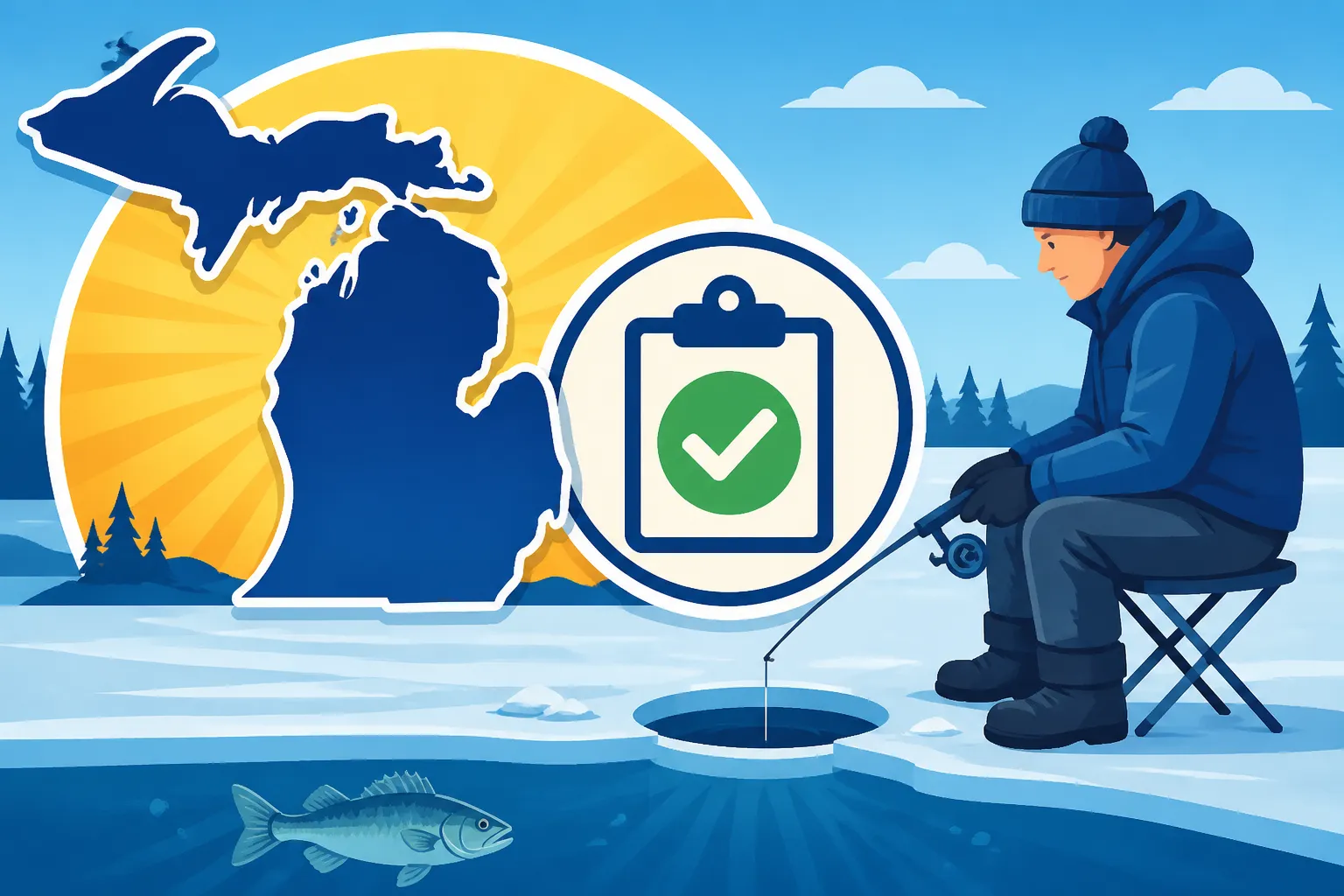
Let's get right to it: if you're 17 years of age or older and plan to fish the frozen waters of Michigan, you absolutely need a valid fishing license. The state doesn't differentiate between open-water fishing, pier fishing, or ice fishing when it comes to the fundamental requirement of possessing a license. It's all just "fishing" in the eyes of the Michigan Department of Natural Resources (DNR), and it all requires proper authorization.
Why the Confusion Exists
It's understandable why this might be a point of confusion for some anglers. Perhaps it's the seemingly remote nature of ice fishing, often taking place far from boat launches or obvious points of access where licenses are typically checked. Or maybe it's the perception that because it's a different season and technique, it might fall under a different regulatory umbrella. However, the intent of Michigan's fishing regulations is clear: manage fish populations and fund conservation efforts across all types of recreational fishing. There's no special carve-out for ice anglers when it comes to licensing. For a full rundown of what you need, check out our guide on the Michigan Fishing License Guide for Residents and Nonresidents.
Another reason for confusion could stem from casual conversations or old tales. Someone might tell you, "Oh, I've been ice fishing for years and never bought a license!" While that might be true for them, it doesn't make it legal. Enforcement officers patrol popular ice fishing destinations, and being caught without a valid license can result in fines and the confiscation of your gear. It's simply not worth the risk.
Who Needs a License and Who Doesn't
The general rule is that anyone 17 years old and above needs a license to fish in Michigan waters. This applies whether you're a seasoned ice fishing pro with a fancy shanty and all the latest gadgets, or just someone dropping a line through a hand-drilled hole with a bucket for a seat. There are, however, a couple of key exceptions to this rule that are worth knowing, especially if you're planning a family outing or have specific circumstances.
First, children under the age of 17 are not required to have a fishing license to ice fish in Michigan. This is fantastic news for families looking to introduce youngsters to the joys of winter angling, making it a truly accessible sport for kids. Imagine taking your niece or nephew out onto a frozen lake, hot cocoa in hand, waiting for a bite. It's a memory in the making, and you won't have to worry about a license for them. You can learn more about this in our detailed article, Do Kids Need a Fishing License in Michigan?
Second, Michigan hosts two "Free Fishing Weekends" each year – one in winter and one in summer. During these specific weekends, all Michigan residents and non-residents can fish without a license. This is an incredible opportunity to try ice fishing without the initial investment of a license. It's a perfect chance to borrow some gear, join a friend, and experience the thrill of pulling fish through the ice. Keep an eye on the DNR calendar for these dates, which are fully explained in our guide on Michigan Free Fishing Weekends Explained. Beyond these exceptions, though, if you're 17 or older, a license is mandatory.
Understanding Michigan's Fishing License Structure
Michigan's fishing license system is fairly straightforward once you understand its components. The primary goal is to ensure that funds from license sales directly support the management of our state's diverse fisheries, habitat restoration, and enforcement efforts by the Michigan DNR. When you purchase a license, you're not just buying a permit; you're contributing to the health and future of Michigan's amazing fishing opportunities.
Types of Licenses and Their Validity
Michigan offers a variety of fishing licenses to suit different needs, whether you're a year-round angler, a seasonal visitor, or just looking for a short trip. The most common license for residents is the annual all-species fishing license. This covers both residents and non-residents, though the cost differs. This license allows you to fish for all species found in Michigan waters and is valid for a full license year. For specific details on costs, check out Michigan Fishing License Costs and Types Explained.
For those just visiting or unsure about committing to a full year, there are also short-term options. While there isn't a specific "ice fishing license," your regular annual or short-term license will cover you. For example, non-residents might opt for a 24-hour license if they're only planning a quick trip, though it's often more cost-effective for a longer stay to buy an annual license if they plan to fish more than a few days. Always consider your fishing plans carefully to choose the most economical and appropriate license.
Here's a quick overview of typical license holders:
| Angler Type | License Required? | Common License Type | Notes |
|---|---|---|---|
| Michigan Resident (17+) | Yes | Annual All-Species Resident | Most common for regular anglers |
| Non-Resident (17+) | Yes | Annual All-Species Non-Resident | Also 24-hour or 72-hour options available |
| Child (Under 17) | No | N/A | Encourages youth participation |
| Legally Blind Resident | Yes | Reduced-Cost Annual All-Species | Requires proof of legal blindness |
| Free Fishing Weekend | No | N/A | Applies only during designated state weekends |
The Annual Renewal Cycle
One crucial aspect of Michigan's fishing license system that often catches people off guard is the annual renewal cycle. Unlike some states where licenses are valid for 365 days from the purchase date, Michigan fishing licenses operate on a fixed year. Your Michigan fishing license year runs April to March. This means that a license purchased in August, for example, will still expire on March 31st of the following year, not in August of the next year.
This fixed expiration date is incredibly important for ice anglers to remember. Many people buy their licenses in the spring or summer for open-water fishing and then forget that it expires before the peak of winter ice fishing season rolls around. Imagine heading out in February, only to realize your license from last May expired at the end of March last year! This is a common pitfall. Always double-check the expiration date on your license before hitting the ice, especially if you’re fishing in late winter. Our guide on Michigan Fishing License Renewal Each Spring can help you stay on top of this.
How to Purchase Your License
Getting your Michigan fishing license is thankfully quite easy and convenient these days. You have several options, ensuring you can grab one whenever and wherever you need it, even if you're planning a spur-of-the-moment ice fishing trip. The most popular method is to buy your Michigan fishing license online through the DNR's eLicense system. This allows you to purchase and print your license from the comfort of your home, or even display it digitally on your smartphone.
Another incredibly convenient option is the Michigan DNR Hunt Fish App for Licenses and Reporting. This app, available for both Apple and Android devices, allows you to purchase licenses directly from your phone, carry a digital copy, and even report certain harvests, which is a big plus for busy anglers. I personally love using the app; it makes remembering my license a breeze. For those who prefer a more traditional route, you can also purchase licenses in person at various authorized license retailers throughout the state. These often include bait and tackle shops, sporting goods stores like Cabela's or Dunham's, and even some Walmarts. Just make sure to bring your Michigan driver's license or state ID for residency verification. For specific locations, you can often find a dealer locator on the DNR website, or just ask at your local bait shop.
Important Ice Fishing Regulations Beyond the License
While having a valid fishing license is the first and most critical step, Michigan has a host of other regulations that apply specifically to ice fishing. Understanding these rules is essential for a safe, legal, and enjoyable experience. Ignorance of the law is no excuse, and DNR officers regularly patrol popular ice fishing areas. Make sure you're familiar with the complete Michigan Fishing Regulations Every Angler Should Know to avoid any issues.
Equipment Rules and Tip-Ups
One of the unique aspects of ice fishing is the equipment, particularly the use of multiple lines. In Michigan, you are generally allowed to use up to three lines while ice fishing. This means you can have three jigging rods, three tip-ups, or any combination thereof, as long as you are actively attending all lines. "Actively attending" means you need to be close enough to your lines to be able to respond to a bite promptly. You can't set up lines on one end of the lake and then go hang out in a shanty a quarter-mile away.
Tip-ups are a staple of Michigan ice fishing, allowing anglers to cover more water and fish different depths simultaneously. Each tip-up counts as one line. If you're using tip-ups, ensure they are clearly marked with your name and address or DNR customer ID number. This helps identify equipment in case it's lost or abandoned, and it's a legal requirement. You can get simple labels or markers for this purpose from places like Amazon, or at any local tackle shop. Knowing How Many Tip-Ups Can You Use in Michigan is crucial for staying within legal limits.
Safety First on the Ice
While not strictly a "regulation" in the same vein as bag limits, ice safety is paramount and often goes hand-in-hand with DNR enforcement. The DNR emphasizes safe ice conditions, which are typically at least four inches of clear, solid ice for foot traffic. Vehicles require significantly more. Officers will often warn or even fine individuals for unsafe practices if they are putting themselves or others at risk. Always exercise extreme caution on the ice.
Beyond basic ice thickness, consider having safety gear readily available. Ice picks, a spud bar to test ice thickness, a throw rope, and a life jacket are all wise investments. Even if you're only walking a short distance from shore, conditions can change rapidly. Remember that no ice is 100% safe, and conditions vary widely across a single body of water. Stay vigilant and prioritize your safety above all else. Our Michigan Ice Fishing Guide delves deeper into safety best practices and essential gear.
Species-Specific Regulations
Just like open-water fishing, ice fishing is subject to species-specific regulations regarding daily bag limits and minimum size limits. These rules are put in place to protect fish populations and ensure sustainable fishing for everyone. What you can keep for walleye might be different from perch or pike, and these limits can even vary by specific lake or river. For example, some lakes might have a 50-inch Muskellunge Minimum, while others are catch-and-release only.
Before you head out, consult the current Michigan Fishing Regulations Digest, available online on the DNR website or as a physical copy at license retailers. Pay close attention to the section on the body of water you plan to fish, as Great Lakes regulations often differ from inland lakes, and specific waters may have special regulations or protected slots for certain species like walleye. This includes checking rules for specific species like Michigan Walleye Size and Possession Limits or Michigan Yellow Perch Limit on Lake St. Clair. The last thing you want is to catch a beautiful fish only to realize it's too small or you've exceeded your daily limit.
Common Misconceptions About Ice Fishing Licenses
Despite the clear rules, certain myths and misunderstandings persist regarding fishing licenses, especially when it comes to ice fishing. Let's debunk a couple of the most common ones to ensure you're always fishing legally and responsibly.
Free Fishing Weekends and Private Land
One prevalent myth is that if you're fishing on private property, like a pond or a lake where you own the access, you don't need a license. This is generally false for most waters in Michigan. Unless the body of water is completely enclosed within your private property (meaning no fish can swim in or out from public waters, ever), it's considered public water, and a fishing license is required. The vast majority of ponds, lakes, and rivers in Michigan are connected to the larger public water system, even if through small culverts or seasonal streams. So, even if you’re fishing a small lake behind your cabin, assume you need a license. For clarity on this, refer to our article, Do You Need a License to Fish on Private Water in Michigan?
Another common point of confusion revolves around the concept of "free fishing." While Michigan does offer those two wonderful Free Fishing Weekends each year, it's critical to remember these are specific, designated dates. Beyond those weekends, the license requirement is fully in effect. Some anglers might mistakenly believe that if they're only catching and releasing, or not using traditional bait, they are exempt. This is also untrue. The act of "attempting to catch fish" constitutes fishing and requires a license, regardless of your intent to keep them or the gear you're using.
Kids and Senior Anglers
While children under 17 do not need a license, as mentioned earlier, there are often questions about older anglers. Some states offer entirely free licenses for senior citizens, leading to the belief that Michigan might do the same. However, Michigan Senior Fishing License Discount exist, but it's not entirely free. Residents aged 65 and older are eligible for a discounted annual license. It's a fantastic benefit for our seasoned anglers, but it's still a license that needs to be purchased and carried.
Moreover, the rules for children can sometimes be misinterpreted. While a 16-year-old doesn't need a license, if that 16-year-old is supervising a younger child who is using multiple lines, the 16-year-old might unknowingly be over the legal limit for unattended lines if they are not actively monitoring them. It’s always best for an adult with a valid license to oversee fishing activities with children, ensuring everyone understands and adheres to the rules. Always make sure to check the specific age requirements and benefits for seniors and youth each year when considering a purchase.
Remember, Michigan's fishing regulations, including the license requirements for ice fishing, are designed to protect our natural resources and ensure there's healthy fish for generations to come. Your purchase directly supports these efforts. So, grab your gear, check your license, and enjoy the unique thrill of ice fishing in Pure Michigan! You can find a lot of useful ice fishing gear, from augers to tip-ups and portable shelters, on Amazon to get you started.
Disclaimer
The information provided in this guide is for general informational purposes only and does not constitute legal advice. Fishing regulations can change, and it is the angler's responsibility to review the current Michigan Fishing Regulations Digest published by the Michigan Department of Natural Resources (DNR) before engaging in any fishing activities. Always consult the official DNR website or printed digest for the most up-to-date and accurate information.