Do You Need a License to Fish From a Michigan Pier?
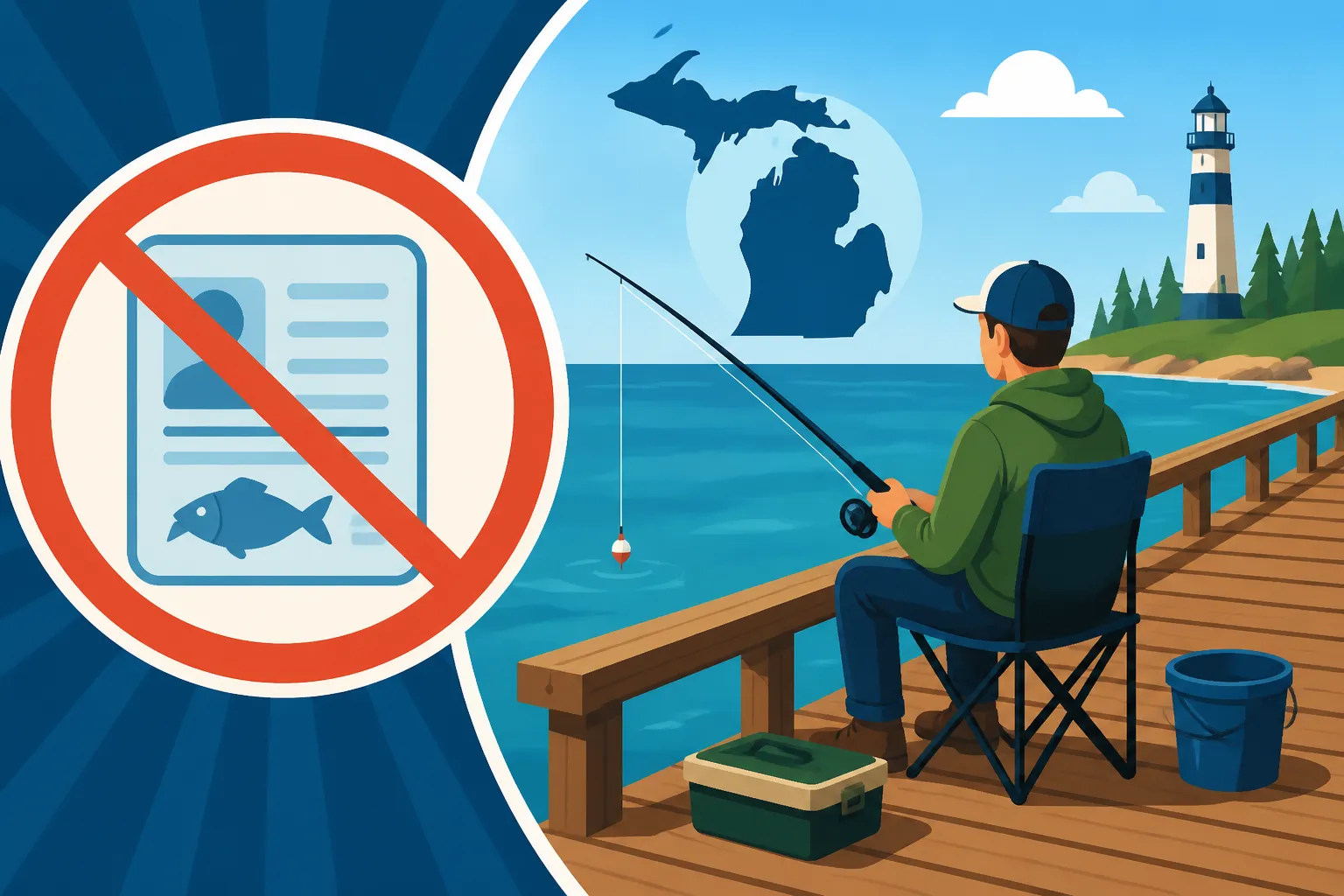
It’s a beautiful Michigan day, the sun is shining, and you’re looking out at the shimmering waters from a bustling pier on Lake Michigan or perhaps a quieter one on an inland lake. You’ve got your trusty rod, a bucket of bait, and that eager feeling every angler knows. But then a thought creeps in: do you actually need a fishing license to cast a line from this pier? It's a common, frustrating question many of us have pondered, feeling caught between wanting to enjoy a simple day out and the fear of inadvertently breaking a rule. This comprehensive guide will clear up all the confusion, explaining Michigan's fishing license requirements specifically for pier fishing, outlining exceptions, and helping you get out on the water legally and confidently.
The Short Answer: Yes, You Most Likely Need a License
Let’s get right to it, because nobody wants a day of relaxation ruined by a conservation officer. If you're 17 years old or older, and you're fishing from a public pier in Michigan, the answer is almost unequivocally yes, you need a valid Michigan fishing license. This rule applies whether you're dangling a worm for perch, casting a spoon for salmon, or jigging for walleye. It doesn't matter if you're a seasoned pro or trying it for the very first time; the license is a non-negotiable requirement for most situations.
Understanding Michigan's General License Requirement
Michigan's Department of Natural Resources (DNR) manages our incredible natural resources, and the sale of fishing licenses is a primary way they fund these crucial efforts. The fundamental principle is that if you are taking or attempting to take fish from public waters in Michigan, and you are 17 years of age or older, you must possess a valid fishing license. This isn't just a suggestion; it's the law. Ignoring it can lead to some pretty hefty fines and other consequences that no one wants to deal with on a nice day out.
Think of it this way: our lakes and rivers, and the fish within them, belong to everyone. To ensure these resources are sustained for future generations, and to cover the costs of stocking programs, habitat restoration, law enforcement, and research, everyone who benefits from these resources needs to contribute. That contribution comes in the form of a fishing license. It's a small price to pay for the privilege of enjoying Michigan's world-class angling opportunities. For a broader understanding of who needs a license in general, you might want to read our guide on Do You Need a License to Fish in Michigan?.
Why Piers Aren't Exempt
It's a common misconception that fishing from a pier might be different than fishing from a boat or the shore, perhaps because piers often feel like an extension of the land, making them more accessible and less "wild." However, this simply isn't the case in the eyes of Michigan law. A pier, while offering convenient access, extends directly into public waters. Whether that's the vast expanse of Lake Michigan, a busy harbor on Lake Huron, or a popular inland lake, the water body is still public, and the fish inhabiting it are under the stewardship of the DNR.
Imagine a pier stretching out into Grand Traverse Bay or along the Detroit River. While you're standing on a man-made structure, your hook, line, and sinker are directly in the same public water that boaters are fishing in. The fish you're targeting are part of the same ecosystem. Therefore, the rules that govern fishing in those public waters apply equally to those fishing from the pier. There's no special "pier exemption" written into the Michigan fishing regulations. Your location on a pier provides a different vantage point, not a loophole to the license requirement.
Specific Scenarios and Exceptions to Consider
While the general rule is clear, Michigan fishing regulations, like any set of rules, do have a few specific nuances and delightful exceptions that every angler should know about. These exceptions can sometimes save you money or allow a younger family member to participate without needing to buy their own license. It's always a good idea to be aware of these situations to make sure you're always fishing within the bounds of the law.
Age Requirements: Who Needs One, Who Doesn't
One of the most heartwarming aspects of Michigan's fishing regulations is the focus on getting kids outdoors. In Michigan, if you are under 17 years of age, you do NOT need a fishing license. This means children and teenagers can enjoy fishing from any public pier without needing to purchase a license. It’s a fantastic way to introduce the next generation to the joys of fishing without adding an extra cost barrier for families.
So, if you're an adult bringing your child or grandchild to a pier, say, the one in South Haven or Holland, they can cast away freely. However, the accompanying adult (if 17 or older) will still need their own license. This rule makes pier fishing a perfect family activity, as the financial burden of multiple licenses is significantly reduced for younger participants. For more details on this, you can check out our article on Michigan Youth Fishing License Rules.
Free Fishing Weekends: Your Golden Opportunity
Michigan offers two incredible opportunities each year where everyone can fish without a license, including from piers! These are designated as "Free Fishing Weekends." During these specific weekends, all fishing license fees are waived for residents and non-residents alike. It's truly a golden opportunity to try out fishing from a pier, introduce a friend, or just enjoy a day on the water without the license cost.
Typically, one Free Fishing Weekend occurs in winter (often in February, perfect for trying out ice fishing from certain pier structures that might be accessible) and another in the summer (usually in June). These weekends are widely promoted by the DNR and are a fantastic way to experience Michigan's diverse fisheries, including those accessible from popular piers like those on the Great Lakes. You could fish the popular piers in Grand Haven or Port Austin and not worry about a license during these times. Keep an eye on the official DNR calendar for the exact dates each year, or read more about them in Michigan Free Fishing Weekends Explained. Specifics for upcoming dates might be found in articles like Free Fishing Weekend in February or Summer Free Fishing Weekend in June.
Private Property vs. Public Access
It's important to differentiate between fishing on private property and fishing on public access points like piers. If you own private land with a pond or lake, and that water body is entirely enclosed within your private property (meaning no public access points upstream or downstream and no public fish stocking), you generally do not need a fishing license to fish in your own pond. However, this is a very specific scenario.
Piers, by their very nature, are almost always considered public access points. They are built and maintained for public use, extending into public waterways. Even a pier that might seem private, perhaps part of a resort or a community dock, if it extends into a public lake or river, the public fishing rules still apply. Always assume a pier is public unless explicitly proven otherwise, and always assume a license is required. When in doubt, it’s best to get a license. If you're curious about the specific rules for fishing on privately owned waters, our guide Do You Need a License to Fish on Private Water in Michigan? can offer more clarity.
Getting Your Michigan Fishing License
So, you've decided to do the right thing and get your license – excellent choice! It’s surprisingly easy and convenient to purchase a Michigan fishing license, whether you prefer the digital route or a good old-fashioned trip to a local shop. The Michigan DNR has made the process straightforward, ensuring there are no real barriers to getting legal and enjoying your time on the water, even if it's just for a day of pier fishing.
Different Ways to Purchase Your License
The Michigan DNR offers several convenient methods for purchasing your fishing license, making it accessible to virtually everyone, no matter where they are. This flexibility ensures you can always get your license quickly and efficiently before heading out to your favorite pier.
First, and arguably the most popular option for many, is purchasing your license online. You can visit the official Michigan DNR website from the comfort of your home, navigate to the licensing section, and complete your purchase in just a few minutes. It's a secure, straightforward process, and you can print your license or save it digitally to your phone. This is a great choice if you're planning a last-minute trip or prefer to handle things digitally. Our guide on Buying a Michigan Fishing License Online provides a step-by-step walkthrough.
Another increasingly popular method is using the Michigan DNR's "Hunt Fish App." This free mobile application, available for both Apple and Android devices, allows you to purchase and store your licenses directly on your smartphone. It’s incredibly convenient, as you'll always have proof of your license right in your pocket. This app is perfect for those spontaneous pier fishing trips! For more details, you can refer to Can You Buy a Michigan Fishing License on the DNR Hunt Fish App?.
Finally, if you prefer a more traditional approach or need to pick up some bait and tackle anyway, you can purchase a license in person. There are thousands of authorized license retailers across Michigan, including bait and tackle shops, sporting goods stores, and many larger retail chains. These dealers can process your license on the spot. This option is great if you have questions or just enjoy the face-to-face interaction and local advice. To learn more about all the ways to get your license, check out How to Buy a Michigan Fishing License.
Understanding License Types and Costs
Michigan offers a variety of fishing license types to suit different needs, whether you're a resident, a non-resident, or just planning a short visit. Knowing your options can help you choose the most economical and appropriate license for your pier fishing adventure.
The most common options include annual resident and non-resident licenses. The annual resident license is generally the most cost-effective if you plan to fish multiple times throughout the year. For non-residents, the annual license might be a good choice if you visit Michigan frequently. For those just passing through or trying a single day of pier fishing, a 24-hour license is an excellent, budget-friendly option. It allows you to fish for a full 24 hours from the time of purchase, making it perfect for a spontaneous pier visit without committing to a full year.
Here’s a quick overview of some common Michigan fishing license types and their general costs, though prices can change, so always check the official DNR website for the most current information. This table focuses on the general adult licenses (17 and older):
| License Type | Resident Cost (Approx.) | Non-Resident Cost (Approx.) | Valid For | Notes |
|---|---|---|---|---|
| Annual All-Species Fishing | $26 | $76 | April 1 – March 31 | Best value for frequent anglers. |
| Annual All-Species Senior | $11 | N/A | April 1 – March 31 | For Michigan residents 65 and older. |
| 24-Hour All-Species Fishing | $10 | $10 | 24 hours from purchase | Great for short trips or trying out pier fishing. |
Note: Prices are approximate and subject to change. Always verify current prices on the official Michigan DNR website.
As you can see, the 24-hour license is a fantastic deal if you're only planning a single day of pier fishing. For more detailed information on all the different options, including discounts and specific license categories, refer to our comprehensive guide on Michigan Fishing License Costs and Types Explained. You can also find more specifics on Michigan Resident Annual Fishing License Cost, Michigan Nonresident Annual Fishing License Cost, and Michigan 24-Hour Fishing License Explained.
What Happens if You're Caught Without a License?
Let's be blunt: fishing without a license in Michigan, especially if you're 17 or older and not participating in a Free Fishing Weekend, is a violation of state law. And trust me, it’s not worth the risk. Conservation officers patrol piers regularly, especially popular ones where fishing activity is high, and they are well within their rights to ask for your license.
The consequences of being caught without a valid license can range from a substantial fine, which will almost certainly be far more expensive than the license itself, to the potential confiscation of your fishing gear. In some cases, repeat offenders could even face more severe penalties, including loss of future hunting and fishing privileges. It's a pretty heavy price to pay for what amounts to a small, easily avoidable oversight. Just imagine having your favorite rod and reel, perhaps a nice setup you found on Amazon, confiscated over a $26 annual license. It’s simply not worth the stress or the financial hit. Getting a license is a simple act that supports conservation and keeps you out of trouble. For a full breakdown of potential repercussions, consult our guide on Michigan Fishing Violation Penalties and Fines.
Essential Pier Fishing Tips and Etiquette
Now that we’ve got the important legal stuff out of the way, let’s talk about making your pier fishing experience enjoyable for everyone. Pier fishing is unique – it’s often social, accessible, and can be incredibly productive. But with more people in a smaller space, good etiquette and the right gear become even more important.
Gear Considerations for Pier Anglers
Pier fishing doesn't require a huge investment, which is part of its charm. You can often get by with fairly basic equipment, but a few considerations can make your experience much better.
For rods and reels, a medium-action spinning rod, typically 6 to 8 feet long, is a versatile choice. This setup is robust enough to handle many of the species you'll encounter from a pier, like perch, walleye, bass, and even smaller salmon or trout. You don't need heavy-duty offshore gear unless you're specifically targeting massive Great Lakes salmon during their run, which might require a stiffer rod to handle the fight. Lighter line, in the 6-10 lb test range, works well for most panfish and smaller game fish, while 12-20 lb test might be more appropriate if you anticipate hooking into something larger.
When it comes to tackle, pier fishing usually involves bottom fishing rigs for species like yellow perch or gobies, or casting spoons and crankbaits for predatory fish like walleye or salmon. Make sure you have a good selection of sinkers, hooks (various sizes), bobbers, and a few popular lures. A compact tackle box is perfect for piers – you don't want to lug a massive one around. You can find excellent, highly-rated compact tackle boxes and other essential pier fishing gear on Amazon, making it easy to get what you need delivered right to your door. Don't forget a pair of pliers for hook removal, a tape measure for checking legal sizes, and a small cooler for keeping your catch fresh.
Respecting Your Fellow Anglers and the Environment
Piers can get crowded, especially on beautiful summer weekends. Being a good neighbor goes a long way to making everyone's experience pleasant. Always be mindful of your casting space; look around before you launch your line to ensure you won't hook a passerby or cross someone else's line. Maintain a respectful distance from other anglers if space allows, and avoid loud conversations or music that might disturb the peace.
Beyond your fellow anglers, it’s crucial to respect the environment. Piers often have trash receptacles; use them! Pack out everything you pack in, including old fishing line, bait containers, and food wrappers. Discarded fishing line is a significant hazard to wildlife, so always ensure every bit is properly disposed of. If you bring a cooler for your catch, ensure any fish remains or discarded bait are also handled responsibly, not just tossed into the water near the pier.
Lastly, always remember to abide by all fishing regulations, not just the license requirement. This includes respecting catch limits, minimum size limits, and any special regulations for specific species or seasons. The Michigan DNR publishes an annual fishing guide that details all these rules, and you can often pick up a physical copy at license retailers or view it online. Knowing and following these rules, which include specifics like Michigan Bag and Size Limits Explained for different species, is part of being a responsible angler and helps ensure our fisheries remain healthy and productive for generations to come. For a comprehensive overview of all the rules, make sure to read Michigan Fishing Regulations Every Angler Should Know.
Disclaimer
The information provided in this guide is for general informational purposes only and does not constitute legal advice. While we strive to be accurate, fishing regulations can change. Always consult the official Michigan Department of Natural Resources (DNR) website or their current printed fishing guide for the most up-to-date and legally binding regulations before you go fishing. Your actions and adherence to regulations are solely your responsibility.