Do Nonresidents Need a License to Fish From a Michigan Charter?
It’s a common scenario: you’re planning that fantastic Michigan fishing trip, maybe even booked a charter to hit the legendary Great Lakes or one of our incredible inland waters, and suddenly a nagging question pops into your head. Do nonresidents need a license to fish from a Michigan charter? You might assume the charter captain’s commercial license covers everyone on board, right? Or perhaps you've heard conflicting information. This guide is here to clear up that confusion, lay out the facts, and ensure your Michigan fishing adventure is perfectly legal and worry-free.
Understanding Michigan's Fishing License Requirements for Nonresidents
Michigan, with its stunning shorelines, vast Great Lakes, and countless inland waterways, is an angler's paradise. But just like any state, we have rules in place to manage our precious natural resources, and fishing licenses are at the heart of that system. For nonresidents, these rules can sometimes feel a little opaque, especially when considering the unique context of a guided charter trip.
The General Rule: Everyone Needs a License (Even on Charters)
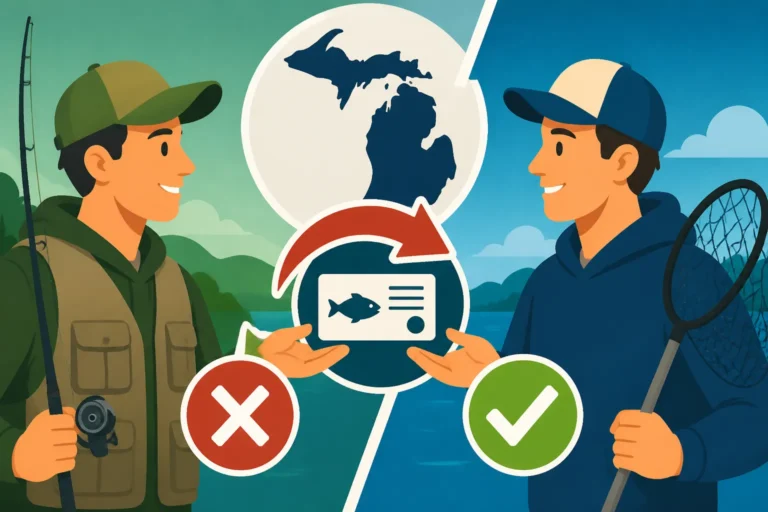
Let's cut right to the chase, folks. The Michigan Department of Natural Resources (DNR) is very clear on this: if you're 17 years of age or older and you plan to fish in Michigan, you need a fishing license. This rule applies regardless of whether you're casting from a public pier, wading in a pristine trout stream, or standing on the deck of a commercial charter boat. There’s no special exemption for charter clients. Your personal license is your ticket to legally participate in the act of fishing, even if the captain is doing all the driving and providing the gear.
I know, I know. It sounds simple, but it’s a point of confusion for so many. People come from all over, excited to experience the world-class fishing Michigan offers, and they often assume a professional charter means all the legalities are handled. Unfortunately, that's not the case here. Each individual angler, resident or nonresident, needs to hold their own valid Michigan fishing license. This is a fundamental regulation designed to ensure that everyone who benefits from Michigan's fisheries contributes to their conservation and management.
Dispelling the "Charter Covers It" Myth
This misconception that the charter captain's license extends to all passengers is incredibly prevalent, and honestly, I get why. In some places, or for certain types of operations, there might be a "blanket" license that covers everyone. But in Michigan, that’s just not how it works. A charter captain holds a specific commercial license that allows them to operate their vessel for hire and guide clients to fish. It’s a permit for their business, for the boat's operation, and for them to technically assist you in fishing, but it absolutely does not grant you the legal right to fish without your own individual license. Think of it like this: a taxi driver has a commercial license to drive you around, but that doesn't mean you don't need your own driver's license to get behind the wheel yourself.
The consequences of fishing without a license can be pretty steep, ranging from hefty fines to the confiscation of your gear and even your catch. It’s an easy mistake to make if you’re misinformed, but ignorance of the law is rarely an excuse that holds up. Many charter captains are excellent at reminding their clients to purchase licenses, and some even have resources on their websites or at the dock to help you get one. However, the ultimate responsibility for having a valid license rests squarely on your shoulders. It’s always best to be proactive and secure your license well before your trip to avoid any last-minute stress or, worse, missing out on your fishing day entirely because you're not compliant. Ensuring you understand these requirements is a key part of responsible Nonresident Fishing in Michigan: What the Law Requires.
Types of Michigan Fishing Licenses for Nonresident Anglers
Now that we’ve established that a license is definitely needed, let’s talk about your options. Michigan makes it fairly easy for nonresidents to get the right license, whether you're here for a quick weekend getaway or an extended fishing vacation.
Annual vs. Short-Term Options
For nonresident anglers, Michigan offers a couple of main choices: an annual license or a short-term license. Your best bet will depend entirely on how long you plan to be fishing in the state.
The most comprehensive option is the Annual Nonresident All-Species Fishing License. This license is valid from March 1st of the current year through March 31st of the following year. It covers you for all fish species in Michigan waters, throughout all the open seasons. If you plan to make multiple trips to Michigan within a year, or if your single trip is going to span more than a few days, this is likely your most cost-effective and convenient choice. For instance, if you're visiting friends or family annually and always sneak in a fishing day or two, this license eliminates the need to repurchase. As of my last check, the Michigan Nonresident Annual Fishing License Cost is around $80 for all-species. It provides incredible value given the diverse fishing opportunities here, from chasing walleye on Saginaw Bay to battling salmon on Lake Michigan.
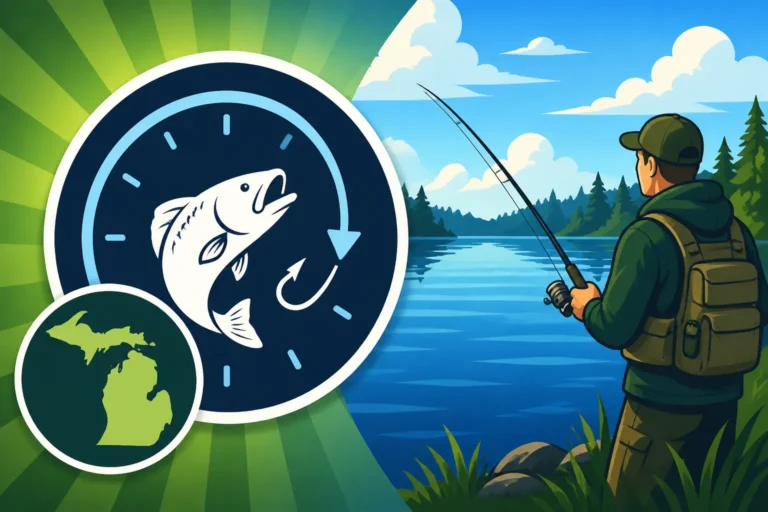
On the other hand, if you're just popping into Michigan for a short visit, maybe a single day on a charter, or a quick weekend, the 24-Hour Nonresident All-Species Fishing License is a lifesaver. This license is exactly what it sounds like: it’s valid for a continuous 24-hour period from the time of purchase. It’s perfect for those spontaneous trips or when you know you'll only be fishing for a very limited time. The cost for a Michigan 24-Hour Fishing License Explained is typically around $10, making it an incredibly affordable way to legally enjoy our waters for a brief period. This is often the go-to for charter clients who might not have other fishing plans during their Michigan visit.
Let’s put it into a table for clarity:
| License Type | Validity Period | Typical Cost (Nonresident) | Best For |
|---|---|---|---|
| Annual All-Species | March 1st to March 31st (following year) | ~$80 | Multiple trips per year, extended vacations, exploring diverse fisheries. |
| 24-Hour All-Species | 24 hours from time of purchase | ~$10 | Single-day trips, short weekend visits, charter-only outings. |
(Note: These prices are approximate and subject to change by the Michigan DNR. Always check the official DNR website or app for the most current pricing before purchasing.)
Choosing between these options depends heavily on your plans. If you're coming for a specific Lake Michigan salmon charter and then heading home, the 24-hour license is a no-brainer. If you're thinking about combining a charter with some shore fishing on a different day, or you anticipate a return trip later in the year, the annual license might make more sense financially. Understanding Michigan Fishing License Costs and Types Explained is crucial for making the right choice.
Where and How to Purchase Your License
Getting your Michigan fishing license is surprisingly straightforward, thanks to modern technology and a widespread network of vendors. You’ve got a few convenient options, so there’s really no excuse to hit the water without one.
The easiest and most common way to purchase your license, especially for nonresidents, is online through the Michigan DNR's official website. The process is simple: you create an account, select the type of license you need (annual or 24-hour), pay with a credit card, and then you can either print your license immediately or save a digital copy to your phone. This method means you can get your license from the comfort of your home, days or even weeks before your trip. This is highly recommended to avoid any last-minute rushes or potential connectivity issues at your destination. You can learn more about this smooth process in our guide on How to Buy a Michigan Fishing License.
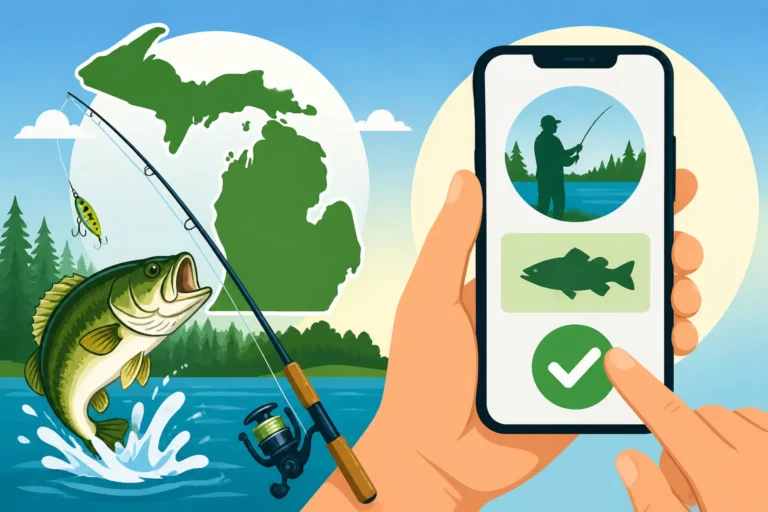
Another fantastic option that integrates seamlessly with your mobile devices is the Michigan's DNR Hunt Fish App for Licenses and Reporting. This app is available for both iOS and Android devices, and it's a real game-changer. You can purchase licenses, view your current licenses, and even report your harvests (like a muskellunge, if you're lucky enough to catch one!). Having your license digitally on your phone through the official app means you don't have to worry about printing it or losing a physical copy. Just pull out your phone, show it to a conservation officer if asked, and you're good to go. It’s incredibly convenient, especially when you’re out on the water.
Finally, for those who prefer an in-person transaction or find themselves needing a license at the last minute, you can purchase one at authorized license retailers across the state. These include many bait and tackle shops, sporting goods stores, and even some larger retailers like Walmart or Meijer that carry fishing gear. Just look for the "DNR License Retailer" sign. These locations often have knowledgeable staff who can answer quick questions about local rules or fishing conditions. While it's great to have this option, remember that not every small town will have a 24/7 license vendor, so planning ahead with an online or app purchase is always the safest bet. It's wise to consider picking up some essential gear from a place like Amazon before your trip, too, but ensure your license is secured first.
Special Considerations for Nonresident Charter Fishing
Booking a fishing charter is an exciting prospect, offering access to expert knowledge, specialized gear, and often the best fishing grounds. But even with a pro at the helm, there are unique points for nonresidents to keep in mind regarding licenses and regulations.
What Your Charter Captain Can and Cannot Do
Your charter captain is an invaluable asset on your fishing trip. They are licensed professionals who know the waters, the fish, and the techniques like the back of their hand. They're also responsible for the safety of everyone on board and for adhering to commercial boating regulations. They'll provide top-notch rods, reels, and tackle, share their wisdom on where the fish are biting, and often even clean your catch at the end of the day. They can absolutely guide you to the best spots on Lake St. Clair for smallmouth bass or show you how to troll for Chinook salmon on Lake Michigan.
However, there are clear limits to their role when it comes to your personal legal right to fish. As we've covered, they cannot provide you with a fishing license. Period. They also can't waive any state regulations on your behalf. While a good captain will often remind you about license requirements, and might even have spare physical copies of the Michigan Fishing Regulations Every Angler Should Know digest on board, they are not responsible for ensuring you have a valid license. That duty falls to each individual angler. If a conservation officer boards the vessel and you don't have a license, the captain isn't liable for your violation, though it can certainly disrupt everyone's day.
Think of your captain as your guide and facilitator, not your legal guardian for fishing permits. They're there to help you catch fish, but you need to show up ready with your own paperwork in order. Many captains will explicitly ask to see proof of your license before leaving the dock, and some might even refuse to take you out if you don’t have one. They do this not to be difficult, but to protect their business and avoid potential delays or issues during the trip.
Ensuring Compliance: What to Have on Hand
To ensure your charter fishing experience is smooth and hassle-free, especially as a nonresident, it's vital to be prepared. When you're out on the water, whether on a charter or on your own boat, a conservation officer might conduct a routine check. This is standard procedure to ensure everyone is following the rules and that Michigan's fisheries are protected.
Here's what you should always have readily accessible:
- Your Valid Michigan Fishing License: This is the most crucial item. Whether it's a printed copy from the DNR website, a screenshot on your phone, or visible within the Michigan's DNR Hunt Fish App for Licenses and Reporting, make sure it's easily retrievable. Consider saving a digital copy to your photos for quick access, even if you don't have cell service.
- A Photo ID: Your fishing license is tied to your identity, so a valid government-issued photo ID (like a driver's license or state ID) is necessary to confirm that the license belongs to you. Keep it with your license, perhaps in a waterproof bag or wallet.
- Knowledge of Basic Regulations: While your captain will guide you on the day's specific rules, having a general understanding of Michigan Bag and Size Limits Explained for common species, and the current Michigan Fishing Season Dates and Rules, is always a good idea. This shows respect for the resource and the regulations. The official Michigan Fishing Regulations Digest PDF is always available online and is an excellent resource.
Being prepared with these items not only keeps you compliant but also saves valuable fishing time. A quick check means you and your fellow anglers can get back to enjoying Michigan's fantastic fishing sooner. It helps everyone on board, including the captain, have a better, worry-free day.
Planning Your Michigan Charter Fishing Adventure
Embarking on a charter fishing trip in Michigan is an unforgettable experience, offering the chance to hook into some truly incredible fish, from powerful salmon and trout in the Great Lakes to giant muskies in inland waters like Lake St. Clair. Thoughtful planning can make all the difference, ensuring not just compliance, but also maximizing your enjoyment.
Choosing the Right Charter and Asking the Right Questions
Selecting a charter isn't just about finding a boat; it's about finding the right captain and crew that align with your fishing goals and style. Michigan has a wealth of fantastic charter operators, especially in key areas like the Lake Michigan shoreline (e.g., Ludington, Manistee, Traverse City), Lake Huron's Saginaw Bay, and Lake St. Clair.
When you're researching potential charters, don't be afraid to ask plenty of questions. This is your trip, and a reputable captain will be happy to provide the information you need. Here are some key questions to consider:
- What species will we be targeting, and what's the typical success rate for those species during my planned visit? This helps manage expectations and ensures you're going after what you want to catch.
- What's included in the trip (gear, bait, cleaning of fish, drinks, snacks)? Understanding what to expect and what you might need to bring helps you pack appropriately. Many charters provide excellent gear, often from brands you'd find on Amazon.
- What do I need to bring as an angler? Specifically, reiterate the question about licenses. A good captain will explicitly tell you that everyone 17 and older needs their own valid Michigan fishing license. They might even suggest specific local retailers or the DNR website for purchase.
- What are the average trip durations and departure times? Knowing this helps you plan your travel and other activities around the fishing excursion.
- What's the cancellation policy for bad weather or other unforeseen circumstances? This is crucial for planning flexibility, especially on the Great Lakes where conditions can change quickly.
- Is there a mate on board to assist with rigging, netting fish, and other tasks? A good mate can significantly enhance your experience, especially for beginners.
Don't just rely on website information; give them a call! Talking to the captain or booking agent directly can give you a better feel for their personality and professionalism. Many experienced captains are passionate about teaching and ensuring everyone has a great time, regardless of their skill level.
Beyond the License: Other Key Regulations to Be Aware Of
While securing your fishing license is paramount, a well-prepared nonresident angler will also have a basic understanding of other Michigan fishing regulations. This isn't just about avoiding trouble; it's about being a responsible steward of our natural resources and contributing to sustainable fishing practices.
Here are some of the critical areas you should be at least generally familiar with, even though your charter captain will be your primary guide on the water:
- Bag and Size Limits: Different species have different daily possession limits (how many you can keep) and minimum (sometimes maximum) size limits. For example, walleye often have a 15-inch minimum size limit, and Michigan's Walleye Size and Possession Limits can vary by water body. Keeping undersized fish or exceeding your daily limit is a serious violation. Your captain will certainly enforce these on board, but it’s good for you to know too.
- Season Dates: While many species are open year-round, others have specific seasons. For instance, inland trout streams have a defined opening and closing, though Michigan's Great Lakes Year-Round Trout Season offers continuous opportunities. Be aware of the times of year when certain species might be closed to harvest.
- Gear Restrictions: Some waters or seasons might have specific rules about what kind of tackle you can use. For example, certain trout streams might be fly-fishing-only, or require artificial lures only. Your captain will equip you with legal gear, but it's part of the overall regulatory landscape.
- Species-Specific Rules: A prime example is the muskellunge. If you're lucky enough to land one, Michigan has a strict Michigan Muskellunge Harvest Reporting Rules requirement: you must register your catch within 24 hours. Most anglers targeting muskies practice catch and release due to their rarity and the challenge they present, but it’s good to know the rules if you plan to keep one.
The absolute best way to stay informed about all these rules is to consult the most current Michigan Fishing Regulations Digest. It's published annually by the DNR and available as a PDF online, or in print at license retailers. Think of it as your official guide to what you can and can't do in Michigan's waters. It's a comprehensive document that covers everything from spearfishing rules to boundary water agreements.
By understanding these basic regulations and ensuring you have your nonresident fishing license in hand, you'll be well-prepared for an incredible and compliant fishing trip on Michigan's beautiful waters. Tight lines!
Disclaimer
The information provided in this guide is for general informational purposes only and does not constitute legal advice. Fishing regulations in Michigan are subject to change by the Department of Natural Resources (DNR). While we strive to provide accurate and up-to-date information, it is the angler's sole responsibility to consult the official Michigan DNR website, the current year's Michigan Fishing Regulations Digest, or contact the DNR directly for the most current and specific regulations before engaging in any fishing activities. Compliance with all applicable laws and regulations is the responsibility of the individual angler.