Fishing From a Boat Without a License in Michigan
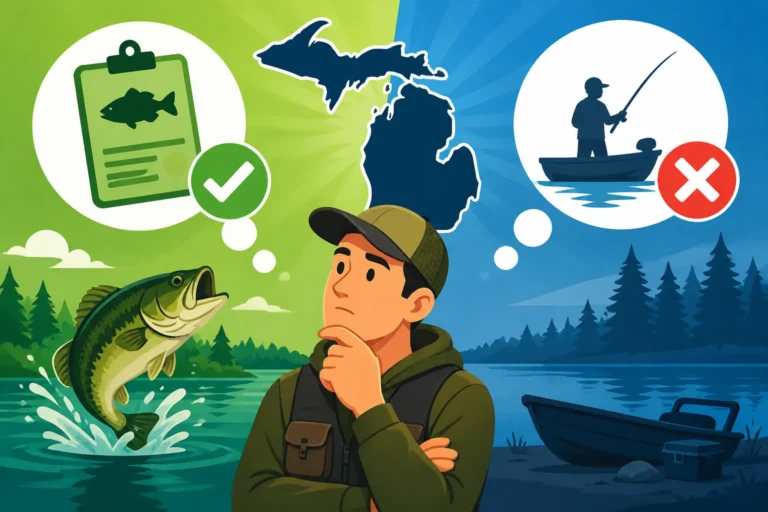
It’s a common scenario: you’ve got your boat, the motor is humming, and the open waters of a beautiful Michigan lake or river are calling your name. You’re ready to cast a line, feel that tug, and perhaps bring home dinner. But then a thought creeps in – do I actually need a fishing license if I’m fishing from my own boat? This question, often fueled by confusing rumors or past experiences in other states, can really throw a wrench in your plans and even lead to an unexpected ticket. This guide aims to clear up all that uncertainty, so you can focus on the fishing, not the fines.
The Foundation of Michigan's Fishing License Law
Let's get right to the heart of the matter because this is where a lot of confusion begins. Michigan’s fishing regulations are designed to be quite clear, but sometimes the nuances can trip people up. The core principle is actually quite straightforward once you understand it.
The Principle: License Tied to the Angler, Not the Vessel
One of the biggest misunderstandings people have is whether a fishing license is required for the boat itself, or for the person fishing. In Michigan, the rule is unequivocally that the fishing license is tied to the individual angler, not to the vessel they happen to be fishing from. This means it doesn't matter if you're in a fancy bass boat, a small rowboat, a kayak, or even a pontoon boat you rented for the day – if you are 17 years of age or older and intend to catch fish, you need a valid Michigan fishing license.
Think of it like this: your car needs a driver's license, but you need a license to drive the car. Similarly, your boat might need registration (which is a whole different topic for another day!), but you need a fishing license to use a rod and reel from that boat. This applies whether you own the boat, borrowed it from a friend, or are fishing from a public dock that extends into the water. The act of fishing, regardless of the platform, is what triggers the license requirement for anyone above the age of 17.
Who Definitely Needs a License in Michigan
So, who exactly needs to make sure their Michigan fishing license is current? It boils down to a few key criteria, primarily age and residency. Any person who is 17 years of age or older and is actively engaged in fishing or attempting to catch fish in Michigan waters must possess a valid fishing license. This rule holds true whether you're a seasoned local who spends every weekend on the water or a vacationer visiting from out of state.
Even if you're just holding a rod for a friend, or helping a child bait a hook, if you are actively participating in the fishing process and are 17 or older, you need that license. The Michigan Department of Natural Resources (DNR) doesn't differentiate between shore fishing, pier fishing, or boat fishing when it comes to this fundamental requirement. Every cast, every line in the water, from every angler 17 and up, requires proper licensure. You can find more specific details on who needs what in our comprehensive guide: Michigan Fishing License Guide for Residents and Nonresidents.
Understanding Residency for Licensing Purposes
The cost and type of license you need in Michigan often depend on whether you qualify as a resident or a nonresident. This is a crucial distinction, as nonresident licenses are typically more expensive. Many people get confused about what truly constitutes "residency" for fishing license purposes, especially if they own property here but live elsewhere for part of the year.
Generally, to be considered a Michigan resident, you must reside in the state for at least six consecutive months immediately preceding your application for a license. This isn't just about owning a cabin or visiting frequently; it’s about establishing your primary domicile within Michigan. Things like your driver's license, voter registration, and vehicle registration are often used to verify residency. If you maintain a primary residence in another state, even if you spend significant time in Michigan during the fishing season, you’ll likely fall under the nonresident category. This distinction impacts your options, such as the Michigan Resident Annual Fishing License Cost versus the Michigan Nonresident Annual Fishing License Cost. It's always best to be honest and accurate about your residency to avoid potential legal issues down the line.
Common Scenarios: When a Boat Doesn't Change the Rules
Many people mistakenly believe that fishing from a private boat somehow exempts them from needing a license, or that charter boat rules are entirely different. Let’s break down some common scenarios to clarify when you still need a license, even when you're on the water.
Fishing from Your Own Boat or a Friend's
This is probably the most common scenario where confusion arises. You’ve got your trusty fishing boat, maybe a Lund or a Tracker, or perhaps your buddy invited you out on his center console for a day on Lake Michigan. You’ve launched, motored out, and now you’re drifting over a promising reef. Does the fact that you own the boat, or that it’s your friend’s boat, change anything about your personal license requirement? Absolutely not.
As we discussed, the license is personal to the angler. Whether you’re the captain, the co-pilot, or a passenger just enjoying the ride, if you’re putting a line in the water and you're 17 years or older, you need your own valid Michigan fishing license. Period. This is true whether you’re targeting walleye on Saginaw Bay, jigging for perch on Lake St. Clair, or trolling for salmon offshore. If law enforcement (such as a DNR conservation officer or Coast Guard patrol) pulls up alongside your boat, they will ask each individual angler for proof of their fishing license. Having your boat registered and legal on the water is one thing; having a personal fishing license for each eligible angler is another entirely.
Charter Boats and Guided Trips: A Special Case
Charter fishing trips are a fantastic way to experience Michigan's incredible fisheries, especially if you're new to the area or targeting specific species like salmon or lake trout on the Great Lakes. However, many people wonder if the charter boat itself, or the captain's license, covers them. This is where things get a little different, but the core principle still mostly applies.
If you are on a charter boat that operates under a charter fishing license, you, as the angler, are generally not required to have your own individual fishing license for the duration of that specific charter trip. The charter captain’s special license covers everyone on board for recreational fishing. This is a common practice in many popular fishing destinations, making it easier for tourists or those new to fishing to enjoy the experience without the hassle of purchasing a separate license. However, there's a huge caveat: this only applies to state-licensed charter boats where fishing is the primary purpose and the captain is properly licensed. If you're just out with a friend who happens to have a nice boat and calls himself a "guide" but doesn't hold a legitimate charter license, you absolutely do need your own license. Always confirm with your charter captain beforehand if you have any doubts. They should be able to clearly state whether individual licenses are required for their specific operation.
Minors and Youth Anglers on the Water
One of the most heartwarming sights on the water is seeing kids with a rod in hand, excitedly waiting for a bite. Michigan strongly encourages youth participation in fishing, and thankfully, the rules for young anglers are designed to make it easy and accessible.
In Michigan, children under the age of 17 are not required to have a fishing license. That’s right – all those enthusiastic youngsters can fish for free! This applies whether they're fishing from the shore, a pier, or a boat. This policy aims to remove barriers for families and get more kids outdoors, fostering a love for fishing from an early age. However, it's important for accompanying adults (who are 17 or older) to remember that they still need a license if they are fishing alongside the children. If an adult is merely supervising and not actively fishing themselves, they don't need a license. But if they cast a line, bait a hook, or help reel in a fish for the child, while simultaneously fishing with their own gear, then their personal license is a must. Knowing these rules can help parents plan a fun, worry-free family outing. Check out Michigan Youth Fishing License Rules for more information on fishing with kids.
Exemptions and Special Circumstances
While the general rule is that anyone 17 and older needs a license to fish in Michigan waters, there are indeed a few specific exemptions and special circumstances that can come into play. It’s important to understand these to know when you might genuinely be exempt.
Michigan's Free Fishing Weekends: A License-Free Opportunity
One of the most popular exemptions, and a fantastic opportunity for everyone, is Michigan's annual Free Fishing Weekends. The Michigan DNR designates two weekends each year—one in winter and one in summer—when all fishing license fees are waived for both residents and nonresidents. During these specific dates, you can cast your line without needing to purchase a fishing license. This is an incredible chance for newcomers to try fishing for the first time, for families to enjoy an outing without the added cost, or for seasoned anglers to introduce a friend to the sport.
These weekends are designed to promote fishing and outdoor recreation, and they apply to all Michigan waters, including the Great Lakes and inland waters. You can fish from a boat, from shore, or even ice fish during the winter event. It's crucial, however, to be aware of the exact dates each year, as they do change. While the license requirement is waived, all other fishing regulations, such as bag limits, size limits, and species restrictions, still apply. You can learn more about these special opportunities here: Michigan Free Fishing Weekends Explained.
Fishing on Private Ponds or Waters
Another area that often leads to questions is fishing on private land or in private ponds. Many people assume that if the water body is entirely on private property and they have permission from the landowner, they don't need a license. This assumption is partially true, but with important distinctions that vary depending on the nature of the water.
If you are fishing in a pond or lake that is entirely enclosed within private property, meaning it has no inlet or outlet connecting to public waters (like a stream, river, or larger public lake), and the fish were privately stocked, then a Michigan fishing license is generally not required. This often applies to small farm ponds or privately managed fisheries. However, if the water body does connect to public waters, even intermittently, or if public fish populations can access it, then you absolutely need a license. The distinction lies in whether the water is truly isolated and private, or if it is part of the state's public waterways system. Always err on the side of caution; if there’s any doubt about connectivity, get a license.
Legally Blind Residents and Other Specific Waivers
Michigan offers a few other, less common, but equally important exemptions designed to support specific groups of residents. One such exemption applies to legally blind Michigan residents. Individuals who are certified as legally blind are eligible for a free fishing license. This is a thoughtful provision that ensures all residents, regardless of disability, have the opportunity to enjoy Michigan's rich fishing heritage.
To qualify for this specific waiver, residents typically need to provide proof of their legal blindness, usually in the form of a statement from an ophthalmologist or a legally recognized agency. It’s not an automatic process and requires proper documentation, but it's a valuable program for those who qualify. Additionally, Michigan sometimes offers special permits or waivers for scientific research or educational programs, though these are highly specific and not applicable to general recreational fishing. These particular exemptions highlight the state's commitment to inclusive outdoor recreation. If you or someone you know might qualify, looking into the specific requirements with the DNR is a great first step. You can find out more about this specific discount here: Michigan Fishing License Discount for Legally Blind Residents.
Navigating the Types of Michigan Fishing Licenses
Understanding that you need a license is the first step, but then comes the question of which license to get. Michigan offers a variety of license types, each designed to fit different needs, whether you're a year-round enthusiast or just visiting for a quick trip.
Annual vs. 24-Hour Licenses for Flexibility
For most anglers, the decision often comes down to choosing between an annual license and a shorter-term option, primarily the 24-hour license. The annual fishing license is the most comprehensive choice for residents and nonresidents alike. It covers you for the entire license year, which runs from March 1 to March 31 of the following year. If you plan to fish more than a handful of times in a given year, this is usually the most cost-effective and convenient option. It removes any need to constantly worry about renewals or short-term expirations.
However, if you're only planning a single fishing trip or a very short vacation, the 24-hour fishing license can be an excellent alternative, especially for nonresidents. This license is valid for 24 consecutive hours from the time of purchase, giving you a full day of fishing without committing to a full annual fee. It’s perfect for those spontaneous trips or when you’re just testing the waters (pun intended!) to see if fishing is for you. While it offers great flexibility, if you end up fishing for several days throughout the year, the cost of multiple 24-hour licenses can quickly exceed that of an annual license. So, do a quick mental calculation based on your projected fishing frequency before you commit. You can compare these options in more detail: Michigan 24-Hour Fishing License Explained.
Combination Licenses: Hunting and Fishing Together
For the dedicated outdoor enthusiast who enjoys both casting a line and pursuing game, Michigan offers combination licenses. These licenses, often called "Sportsman's Licenses," bundle various hunting and fishing privileges into a single, convenient purchase. This can be a real boon for those who participate in multiple outdoor activities, as it simplifies the licensing process and can sometimes offer a slight cost savings compared to buying each license separately.
A common combination license might include your base fishing license along with privileges for hunting small game, deer, or even waterfowl, depending on the specific package. These are especially popular with residents who spend a good portion of the year in the woods and on the water. It’s a way to ensure you’re covered for whatever adventure the Michigan wilderness throws your way. Before purchasing, carefully review what each combination license package includes to ensure it aligns with all your planned activities for the year. The goal is convenience and comprehensive coverage, so make sure it fits your unique outdoor lifestyle.
Understanding Nonresident License Requirements
Michigan’s abundant waters and diverse fisheries draw anglers from all over the country and beyond. If you're visiting Michigan from another state, you’ll need to purchase a nonresident fishing license. As mentioned earlier, these generally come at a higher price point than resident licenses, reflecting the fact that nonresidents don't contribute to Michigan's tax base in the same way residents do.
Nonresidents have access to the same variety of license types, including annual and 24-hour options. This flexibility allows visitors to choose the license that best suits the length and frequency of their planned fishing trips. For example, someone visiting Traverse City for a week-long vacation might opt for an annual nonresident license if they plan multiple fishing days, or they might pick up a 24-hour license for a single outing on Grand Traverse Bay. It's crucial for nonresidents to familiarize themselves with Michigan's specific regulations, as they can sometimes differ from those in their home state. A great resource for all these details is the Nonresident Fishing in Michigan: What the Law Requires. Getting the right license is a small step that ensures your memorable Michigan fishing experience is also a legal one.
Avoiding Common Pitfalls and Staying Compliant
Nobody wants a fishing trip to end with a ticket or a confrontation with law enforcement. Understanding the rules is one thing, but consistently applying them and being prepared is how you truly stay compliant and avoid unnecessary stress on the water.
The Importance of Carrying Your License
So you’ve bought your Michigan fishing license, great! But just purchasing it isn’t enough. You are legally required to carry your valid fishing license (or proof of it) with you at all times while engaged in fishing activities. This includes fishing from a boat. A common mistake is leaving your license at home, thinking you’ll just show proof later, or that officers won't bother you on the lake. Don't make that assumption!
DNR conservation officers and other law enforcement frequently patrol Michigan’s waterways, and they have the authority to check for licenses. If you're stopped and cannot produce your license, it can lead to a citation and fine, even if you did technically purchase one. Many anglers keep their physical license card in a waterproof holder, often attached to their tackle box, vest, or wallet. Alternatively, Michigan offers the convenient DNR Hunt Fish App, which allows you to store a digital version of your license on your smartphone. This is often an easy way to ensure you always have proof with you. Imagine you're out on a beautiful day, reeling in a nice smallmouth bass, and an officer approaches. Having your license ready makes the interaction smooth and quick, allowing you to get back to fishing without a hitch. Looking up essential gear, like a waterproof license holder, on Amazon can be a good idea for added protection.
Keeping Up-to-Date with Regulations
Michigan’s fishing regulations are generally stable, but they are not static. They can, and sometimes do, change annually, or even mid-season, especially concerning specific species, bodies of water, or management initiatives. Relying on what you thought the rules were five years ago, or what your uncle told you last summer, is a recipe for trouble. Being a responsible angler means staying informed.
The most reliable source for current regulations is the official Michigan Fishing Regulations Digest, published annually by the DNR. This digest covers everything from statewide minimum size limits to Michigan's combined trout and salmon daily limit, and any special regulations for specific lakes or rivers. You can pick up a physical copy at most license retailers, or access the digital version online through the DNR website. Many experienced anglers make it a habit to review the digest at the start of each fishing season, paying close attention to any highlighted changes. Before heading out to a new lake or targeting a different species, a quick check of the regulations can prevent accidental violations. It’s also wise to check for emergency orders or temporary closures, which are usually posted on the DNR website. Staying informed protects both you and Michigan’s precious fishery resources.
The Consequences of Fishing Without a Valid License
Let's be blunt: fishing without a valid license in Michigan is a violation of state law, and there are real consequences. It’s not just a slap on the wrist; it can result in significant fines and even legal repercussions that put a damper on your outdoor activities for years to come. The specific penalties can vary depending on the exact nature of the violation, whether it's a first offense, and if other regulations (like bag limits or season dates) were also violated.
Typically, fishing without a license can lead to a misdemeanor charge, substantial monetary fines, and court costs. In some cases, repeat offenders or those who commit more serious violations might face forfeiture of their fishing equipment, suspension of future fishing privileges, or even jail time for severe infractions. These penalties are in place to deter illegal fishing and to protect Michigan's natural resources, which are funded in large part by license sales. It's truly not worth the risk. A quick glance at our guide on Michigan Fishing Violation Penalties and Fines will show you just how serious the state takes these regulations. The minor cost of a license pales in comparison to the potential legal and financial headaches of being caught without one.
Where to Get Your Michigan Fishing License
Now that you understand why you need a license and which one might be right for you, the next logical step is knowing where and how to acquire it. Thankfully, Michigan makes this process quite accessible and convenient for everyone.
Online Purchases and the DNR Hunt Fish App
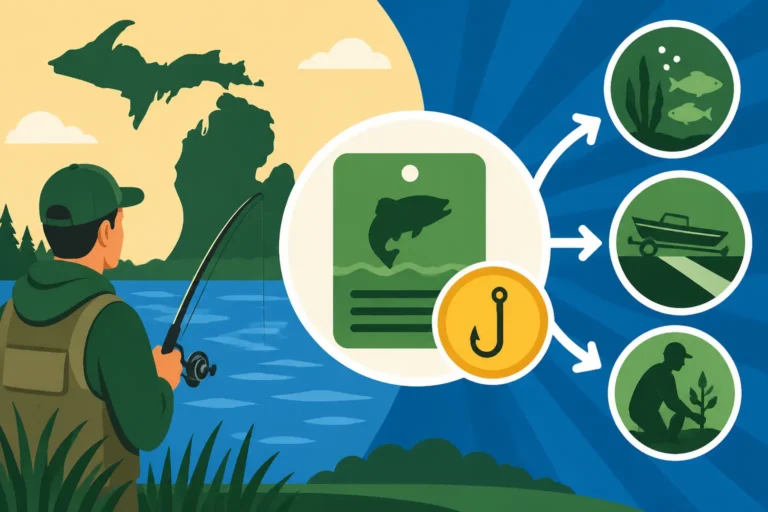
In today's digital age, one of the easiest and most convenient ways to purchase your Michigan fishing license is online. The Michigan Department of Natural Resources (DNR) offers a user-friendly online licensing system on their website. You can purchase your annual license, a 24-hour license, or even combination licenses from the comfort of your home, 24/7. This system allows you to select your license type, provide your personal information, and pay securely. Once purchased, you can print a copy of your license or save it to your mobile device.
Even better, the DNR also offers the DNR Hunt Fish App, available for both iOS and Android devices. This app is a game-changer for many anglers. Not only can you purchase and store your licenses digitally on your phone, but it also provides quick access to fishing regulations, maps, and even allows you to report harvests (like for muskellunge, if you’re lucky enough to catch one!). The app acts as an official proof of license, so you don't even need a printed copy if you have it on your phone. This is incredibly handy when you're already out on the boat and realize you forgot your physical card. For many, it's become the go-to method for ensuring compliance and convenience. You can learn more about the app here: Michigan's DNR Hunt Fish App for Licenses and Reporting.
In-Person Options at Retailers and DNR Centers
While online purchasing is increasingly popular, many anglers still prefer or need to buy their licenses in person. Michigan provides numerous convenient locations across the state where you can obtain your fishing license. These include:
- DNR Customer Service Centers: These official centers are staffed by knowledgeable DNR personnel who can answer your questions and assist you with your purchase.
- Sporting Goods Stores: Major retailers like Cabela's, Bass Pro Shops, and smaller local bait and tackle shops often sell Michigan fishing licenses. These locations are particularly useful as they also offer a wealth of fishing gear, bait, and local knowledge. You might even find some of the latest fishing tech you saw on Amazon!
- Convenience Stores and Gas Stations: In many towns, especially those near popular fishing spots, you'll find that even some gas stations and convenience stores are authorized license dealers. This can be a lifesaver if you decide to go fishing last minute and need a license on your way to the water.
When purchasing in person, you'll typically need to provide a valid photo ID and proof of residency if you're buying a resident license. The staff at these locations are usually very helpful and can guide you through the process, ensuring you get the correct license type for your needs.
When and How to Renew Your License
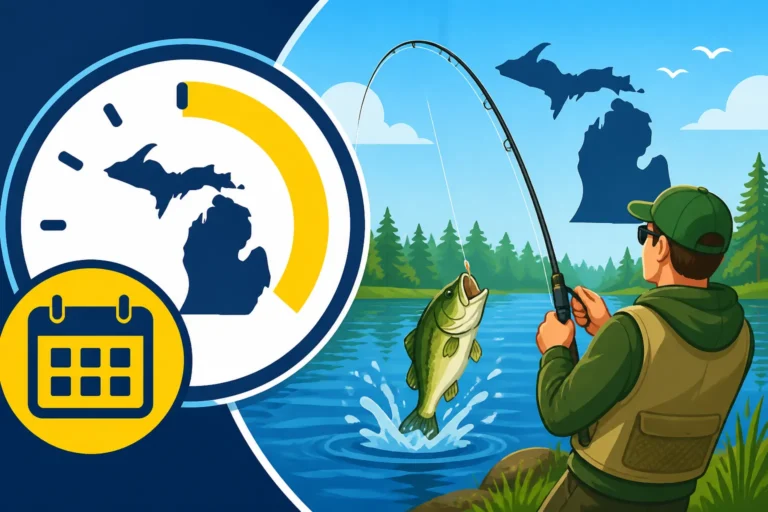
Michigan's fishing license year runs from March 1st through March 31st of the following year. This means that all annual licenses expire on March 31st, regardless of when you purchased them during the preceding year. It's a common oversight that trips up many anglers each spring – they forget that their license from last year is no longer valid.
As March approaches, the DNR typically sends out reminders to previous license holders via email or mail. It’s always a good idea to mark your calendar for March 1st as a reminder to check your license status and purchase a new one. Renewing your license is as simple as purchasing a new one; you can do it online through the DNR website, via the DNR Hunt Fish App, or in person at any authorized license dealer. Don't wait until you're already at the boat launch with your gear packed to realize your license expired. A quick renewal at the beginning of the season ensures you're compliant and ready to hit the water for all the fantastic Michigan fishing that awaits you. You can confirm the exact renewal period here: Michigan Fishing License Renewal Each Spring.
Fishing License Requirements in Michigan: A Quick Reference
To help clarify the requirements, here's a handy table summarizing common scenarios:
| Scenario | Angler Age | Residency Status | License Required? | Notes |
|---|---|---|---|---|
| Fishing from your own boat | 17+ | Resident | Yes | Personal license required for each angler 17+. |
| Fishing from your own boat | 17+ | Nonresident | Yes | Personal nonresident license required for each angler 17+. |
| Fishing from a friend's boat | 17+ | Resident | Yes | License tied to the individual, not the boat owner. |
| Fishing from a friend's boat | Under 17 | Any | No | Minors under 17 do not need a license. |
| Fishing on a state-licensed charter boat | 17+ | Any | No | Covered by the charter captain's special license. Confirm with captain. |
| Fishing on a charter boat | Under 17 | Any | No | Minors never need a license, even on a charter. |
| Fishing during a Michigan Free Fishing Weekend | 17+ | Any | No | Specific dates designated by DNR; all other regulations apply. |
| Fishing a private, enclosed pond | 17+ | Any | No (usually) | Only if water is truly isolated from public waters and privately stocked. Check local rules carefully. |
| Legally blind Michigan resident | 17+ | Resident | No (free license) | Must apply for a free license with proper documentation. |
| Just observing, not actively fishing | Any | Any | No | No license needed if not participating in catching fish. |
Disclaimer
The information provided in this guide is intended for general informational purposes only and does not constitute legal advice. While we strive to keep the content accurate and up-to-date, fishing regulations in Michigan can change. It is always the angler's responsibility to consult the official Michigan Department of Natural Resources (DNR) website or the latest Michigan Fishing Regulations Digest for the most current and specific rules, regulations, and licensing requirements before engaging in any fishing activity. Non-compliance with fishing laws can result in fines and penalties.