Michigan’s Combined Largemouth and Smallmouth Bass Limit
One of the most common head-scratchers for Michigan anglers, especially those passionate about casting for bass, is navigating the specific regulations around daily possession limits. It’s easy to get tangled up in the details, wondering if a big largemouth counts the same as a feisty smallmouth, and how many of each you can truly keep. This comprehensive guide will untangle those knots, breaking down Michigan's combined largemouth and smallmouth bass limits, helping you understand the rules so you can enjoy your fishing trips without a worry.
Understanding Michigan's Bass Fishing Culture
Michigan's waters are a haven for bass anglers, drawing enthusiasts from all corners of the state and beyond. The pursuit of both largemouth and smallmouth bass offers a diverse and exciting challenge, making it a cornerstone of the state's recreational fishing scene.
The Popularity of Largemouth and Smallmouth Bass
From the lily pad-laden coves of inland lakes to the rocky shorelines of the Great Lakes, Michigan provides prime habitat for both largemouth and smallmouth bass. Largemouth bass, known for their aggressive strikes and powerful fights in thick cover, are a favorite among those who enjoy pitching jigs and soft plastics into shallow, vegetated areas. Think of the warm, productive waters of places like Lake St. Clair or the numerous smaller lakes dotting the Lower Peninsula. These fish offer a thrilling tug-of-war, often leaping clear of the water in their attempts to throw the hook.
Smallmouth bass, on the other hand, are the undisputed champions of Michigan's clear, rocky rivers and vast Great Lakes expanses. Their powerful runs, acrobatics, and willingness to chase moving baits make them an exhilarating target. Anglers flock to areas like Grand Traverse Bay or the St. Clair River, specifically targeting these bronzebacks. The sheer abundance and fighting prowess of both species mean that bass fishing isn't just a pastime here; it's a deeply ingrained tradition that many families cherish, creating memories on the water for generations.
Why Regulations are Essential for Sustainable Fishing
While the abundance of bass might seem endless, the truth is that unchecked harvesting can quickly deplete fish populations. This isn't just about ensuring there are fish for us to catch next year, but about maintaining the delicate ecological balance of Michigan's aquatic ecosystems. The Michigan Department of Natural Resources (DNR) implements these regulations, including daily possession limits and size restrictions, to ensure that bass populations remain healthy and robust for the long haul.
These rules are not arbitrary; they are based on extensive scientific research, population surveys, and habitat assessments. For example, setting a minimum size limit allows younger fish to mature and reproduce at least once, contributing to future generations of bass. A daily possession limit prevents overfishing by individual anglers, distributing the harvest pressure across the entire fishing community. Without these thoughtful regulations, we could easily see a decline in bass numbers, leading to less enjoyable fishing experiences and potentially impacting other species within the ecosystem. It's a collective responsibility, and understanding and adhering to these rules is paramount for anyone who loves Michigan fishing. You can always refer to the full Michigan Fishing Regulations Every Angler Should Know for more detailed information.
Decoding Michigan's Combined Bass Limits
When you're out on the water in Michigan, whether you're chasing the bucketmouths or the bronzebacks, understanding the daily possession limits for bass is absolutely critical. It’s not just about knowing a single number; it's about understanding how largemouth and smallmouth bass fit into a combined framework.
The Statewide Daily Possession Limit
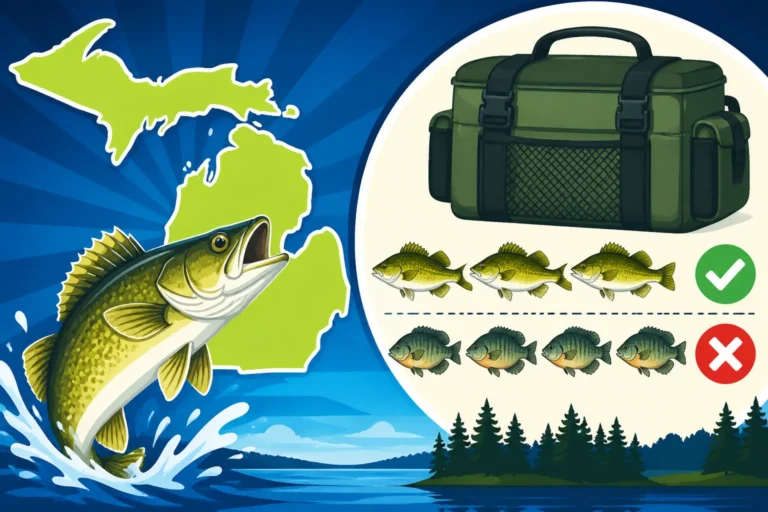
Michigan's fishing regulations clearly state that the daily possession limit for largemouth and smallmouth bass, combined, is five fish. This means that, regardless of whether you catch three largemouth and two smallmouth, or five of one species, your total kept fish for the day cannot exceed five. This single, combined limit simplifies things somewhat, but it also means you need to be mindful of your species composition as you fill your livewell.
It's a crucial distinction because some states have separate limits for each species, which can lead to confusion if you're used to fishing elsewhere. Here in Michigan, the intent is to manage the overall bass fishery holistically. So, if you've already boated three keeper largemouth bass, you only have two slots left for either more largemouth or smallmouth. Always consult the official Michigan Daily Bag Limits by Species before heading out, as regulations can sometimes see minor adjustments year-to-year based on fish population health and angler harvest data.
Specific Length Requirements and Protected Slots
Beyond the daily bag limit, Michigan also imposes specific length requirements for both largemouth and smallmouth bass. This is where it can get a little tricky, and paying close attention to your measuring tape is essential. Generally, the statewide minimum size limit for both largemouth and smallmouth bass is 14 inches. This means any bass you intend to keep must measure at least 14 inches from the tip of its nose to the end of its tail, pressed flat. Throwing back anything shorter is not just a suggestion; it's the law, designed to allow younger fish to grow and contribute to the spawning population.
However, Michigan also has what's known as "protected slot limits" in certain waters, and sometimes even within a specific water body for a particular species. A protected slot limit means that fish within a certain size range must be immediately released. For example, you might encounter a lake where bass under 14 inches must be released, but fish between 18 and 22 inches must also be released, with only fish over 22 inches being legal to keep. These slots are implemented to protect valuable spawning stock or to allow larger, more dominant fish to survive and potentially contribute to trophy fisheries. Always check the Michigan Statewide Minimum Size Limits for the specific water you are fishing, as these special regulations are critical to follow. A reliable measuring board, often available on Amazon, is an invaluable tool for any bass angler to ensure compliance.
Regional Variations and Special Regulations
It would be too simple if all of Michigan's waters followed the exact same rules, right? That's why it's incredibly important to remember that general statewide regulations are often supplemented or overridden by special regulations for specific lakes, rivers, or even sections of a river. These regional variations are put in place because different bodies of water have unique ecosystems, fish populations, and angling pressures. What works for a small inland lake in the Upper Peninsula might not be suitable for a heavily fished section of the Detroit River.
For example, while the general bass season typically runs from late May or early June through December 31st, some lakes might have an earlier or later opening, or even year-round catch-and-immediate-release periods for bass. Certain waters might have a different minimum size limit than the statewide 14 inches, perhaps 12 inches, or even a different protected slot limit entirely. It's not uncommon to find areas where the combined five-fish limit still applies, but the legal keeping sizes are significantly altered. Therefore, before every fishing trip, especially to a new body of water, it is absolutely paramount to consult the most current Michigan Fishing Regulations Digest. This digest details all special regulations by county and specific water body, ensuring you have the precise rules for your chosen fishing destination.
Practical Tips for Adhering to Bass Limits
Staying on the right side of Michigan's bass fishing regulations requires a bit of preparation and diligence. It's not just about knowing the rules; it's about having the right tools and practices in place to follow them accurately.
Measuring Your Catch Accurately
The difference of half an inch can be the difference between a legal fish and a violation, so accurate measurement is key. Michigan measures fish from the tip of the snout to the furthest tip of the tail, with the tail compressed. This "total length" measurement is standard. When you land a bass, immediately place it on a flat, sturdy measuring board. Position the fish with its mouth against the bump stop at the zero end, gently squeeze the tail lobes together to extend them fully, and read the measurement at the furthest point.
Don't eyeball it, especially if the fish seems close to a legal size. Invest in a good, rigid measuring board – many excellent options are available on Amazon. Flexible tape measures can be prone to error, especially on a squirming fish. If there's any doubt, err on the side of caution and release the fish. It's always better to release a potentially legal fish than to keep an illegal one and face penalties. Remember, proper fish handling during measurement is also important to minimize stress on the fish, especially if you plan to release it.
Utilizing Catch-and-Release Practices
Even if you're planning to keep a few bass for dinner, catch-and-release should be a core part of your fishing ethics, particularly with larger fish or those just barely making the minimum size. Many anglers choose to release all fish that aren't injured or specifically targeted for a meal. This practice helps maintain healthy populations and allows more fish to reach trophy sizes. When practicing catch-and-release, use tackle appropriate for the size of fish you're targeting to minimize fight time and exhaustion.
Avoid handling fish by the mouth in a vertical position, especially larger bass, as this can damage their jaws. Support the fish horizontally, use wet hands or a wet rubberized net to protect their slime coat, and remove hooks quickly and cleanly. Barbless hooks can make hook removal much easier. If a fish is deeply hooked, it's often best to cut the line as close to the hook as possible rather than attempting to rip it out, which can cause internal damage. A good pair of long-nose pliers or a dedicated de-hooking tool can be invaluable for quick releases.
Essential Gear for Responsible Bass Fishing
Having the right gear isn't just about catching fish; it's about fishing responsibly and legally. Beyond your rod, reel, and tackle, certain items are non-negotiable for anyone targeting bass in Michigan. A reliable measuring device, as discussed, is at the top of the list. Next, a good pair of hook removers or long-nose pliers is crucial for quick and safe de-hooking, especially important when adhering to size and slot limits.
A quality, knotless rubber landing net can also greatly aid in safely landing and handling fish, minimizing injury and scale loss, which is vital for released fish. For those who choose to keep their legal limit, a properly aerated livewell or a quality cooler with ice will keep your catch fresh. Remember, respecting the fish and the regulations means being prepared. Many anglers also find the Michigan's DNR Hunt Fish App for Licenses and Reporting incredibly useful for having immediate access to regulations and for easily purchasing or renewing their fishing license. A well-stocked tackle box, perhaps optimized with tips from a guide on Best Tackle Box Setup for Michigan Anglers, will always serve you well.
Common Misconceptions and FAQs
Even experienced anglers can sometimes get mixed up about specific regulations. It's natural, given the nuances involved, but clarifying these points is crucial for hassle-free fishing.
What Constitutes a "Daily Possession Limit"?
A common misconception is that a "daily possession limit" only applies to fish you've caught and kept today. In Michigan, the daily possession limit actually refers to the maximum number of fish you can have in your possession at any given time while you are actively fishing or on your way home from fishing. This means if you caught and kept five bass yesterday, and they are still in your cooler or freezer, you cannot go out and catch and keep another five today without first disposing of yesterday's catch.
The limit is not just per calendar day of fishing, but a running total of what you physically possess. This prevents anglers from accumulating large numbers of fish over multiple days and exceeding conservation goals. If you're planning a multi-day trip, be mindful of this rule. The combined limit of five largemouth and smallmouth bass means your cooler should never exceed that number if you're still actively participating in the act of fishing or traveling to/from your fishing spot. Always make sure you understand the difference between daily and possession limits by checking the Michigan Fishing Regulations Every Angler Should Know.
Distinguishing Between Largemouth and Smallmouth Bass
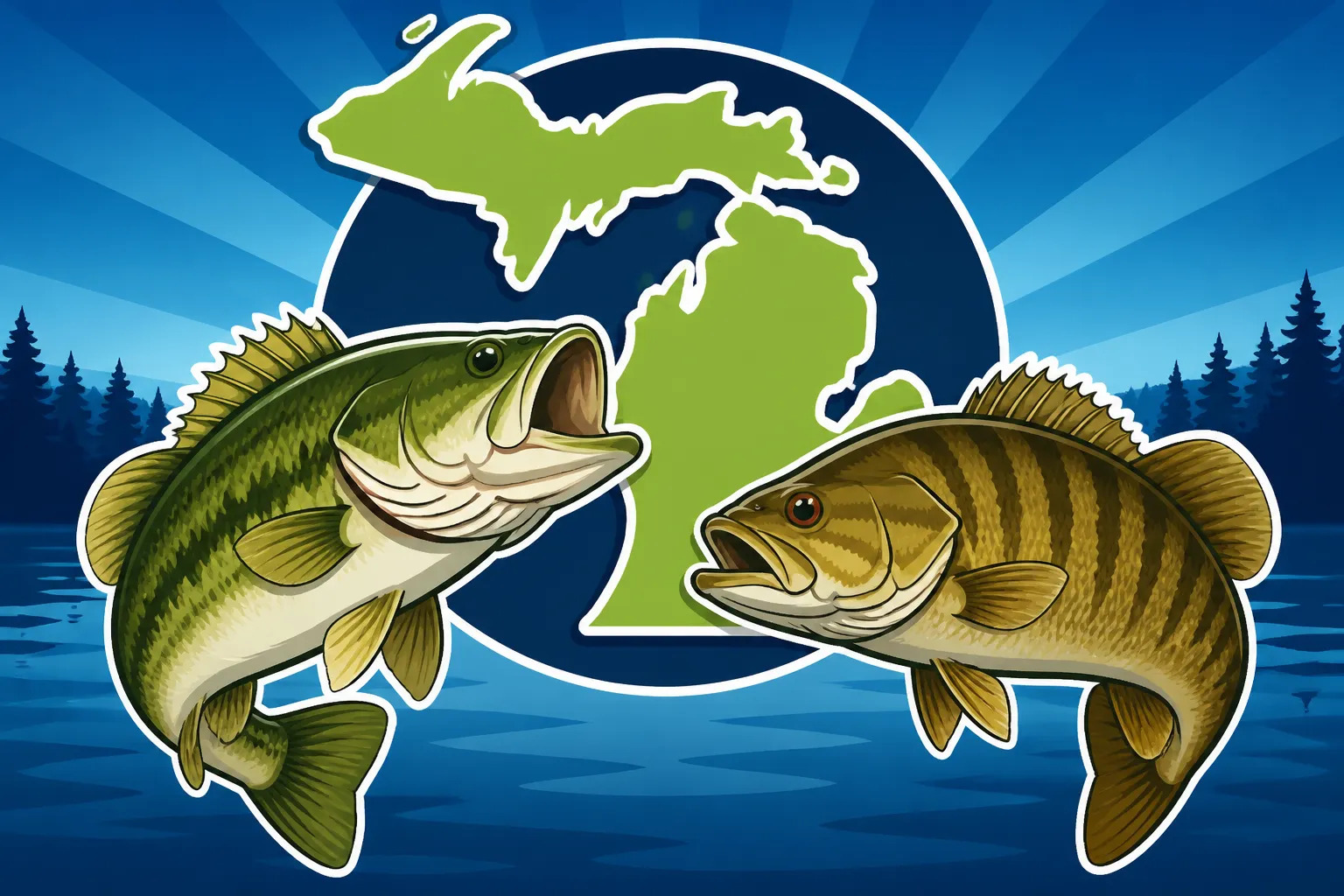
While both are "bass," identifying them correctly is important, especially if there are water-specific regulations that differentiate between the two (though for statewide limits, they're combined). The primary distinguishing feature for a largemouth bass is that its jaw extends beyond the rear edge of its eye when its mouth is closed. Largemouth also tend to have a more elongated body shape and a distinct dark, horizontal stripe or blotches along their sides. They typically prefer warmer, weedier, and shallower waters.
Smallmouth bass, conversely, have a jaw that does not extend beyond the rear edge of their eye. Their bodies are usually more bronze or brown, often with vertical bars or blotches, giving them a "tiger stripe" appearance. Smallmouth prefer cooler, clearer, rockier waters, often found in rivers and the Great Lakes. Knowing these key differences, which are further detailed in guides like Smallmouth Bass Identification in Michigan and Largemouth Bass Identification in Michigan, will help you confidently identify your catch, ensuring you comply with all local rules.
It's always a good idea to know the seasons as well; you can find more about those in Michigan Fishing Seasons Explained.
Statewide Bass Fishing Regulations Overview
To help consolidate the key information, here’s a quick overview of Michigan's general statewide regulations for largemouth and smallmouth bass. Remember, these are general rules, and local regulations always take precedence.
| Regulation Category | Description |
|---|---|
| Species Included | Largemouth Bass and Smallmouth Bass (combined) |
| Daily Possession Limit | 5 fish total (combined for both species) |
| Minimum Size Limit | 14 inches (total length, snout to compressed tail) |
| Fishing Season | Generally late May/early June through December 31st (dates vary by year and specific waters) |
| Special Regulations | Specific lakes or rivers may have different minimum size limits, protected slot limits, or season dates. |
| Licensing Requirement | A valid Michigan fishing license is required for anglers 17 years of age and older. |
Always consult the current Michigan DNR Fishing Guide for the most up-to-date and specific regulations for your intended fishing location. You can learn more about securing your license through our guide on How to Buy a Michigan Fishing License or by understanding the various options in the Michigan Fishing License Guide for Residents and Nonresidents.
Disclaimer
The information provided in this guide is for general informational purposes only and is subject to change. While we strive to offer accurate and up-to-date content, fishing regulations, season dates, and limits can be altered by the Michigan Department of Natural Resources (DNR) at any time. It is the responsibility of every angler to consult the official, current Michigan DNR Fishing Guide or website before engaging in any fishing activity. Failure to do so may result in legal penalties. We are not responsible for any inaccuracies or outdated information.