Michigan Fishing License Discount for Legally Blind Residents
Navigating the world of fishing regulations can feel like trying to untangle a fishing line in the dark, especially when you're also dealing with a visual impairment. Many legally blind residents in Michigan feel frustrated, wondering if there are any provisions or discounts to make getting out on the water more accessible and affordable. This comprehensive guide is here to shed light on Michigan's fishing license discount specifically designed for legally blind residents, detailing who qualifies, how to apply, and what makes this program such a vital resource for the angling community.
Michigan's Inclusive Approach to Angling for All
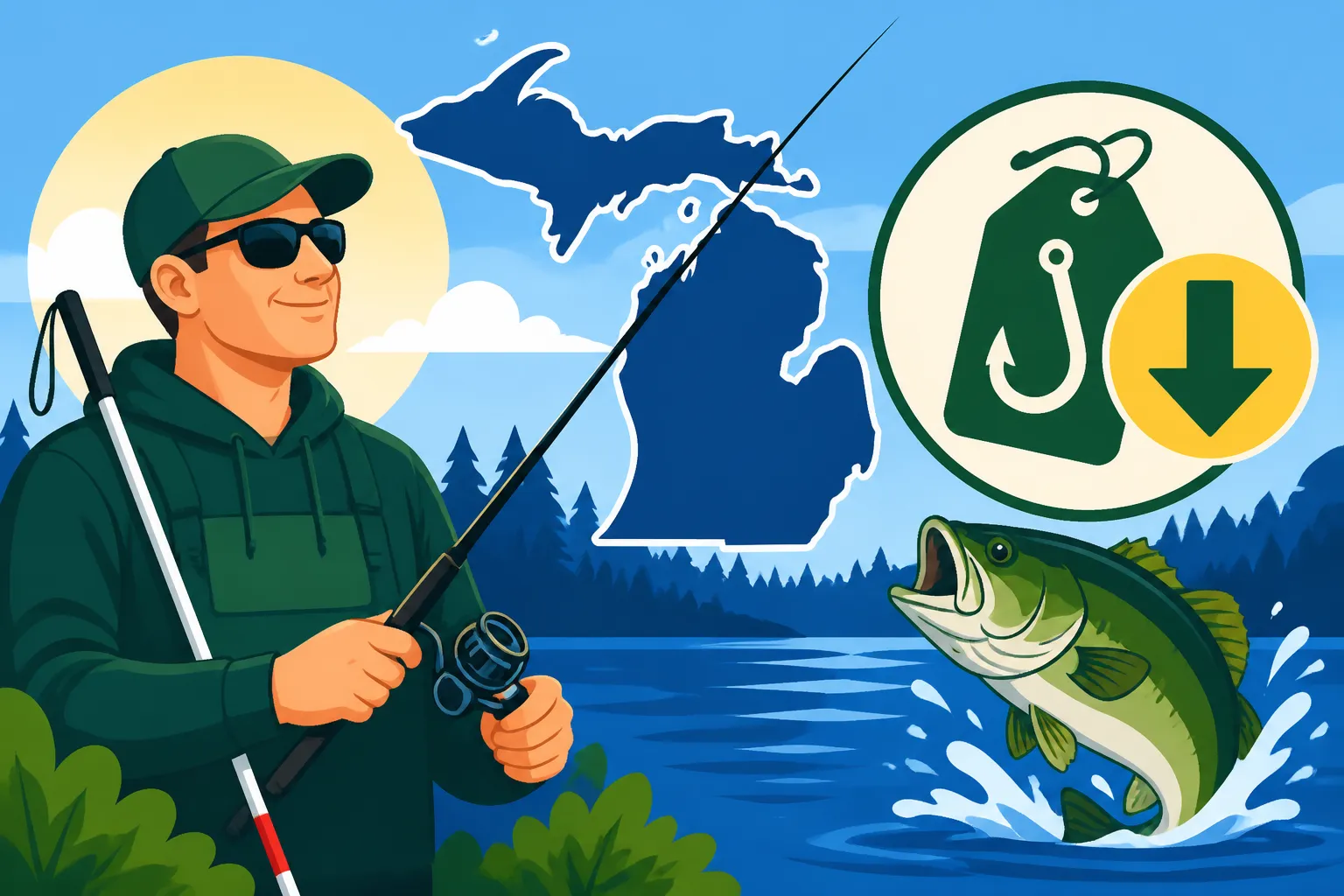
Michigan prides itself on offering diverse fishing opportunities, and a big part of that commitment is ensuring that angling remains accessible to as many people as possible. The Michigan Department of Natural Resources (DNR) recognizes that certain life circumstances, like legal blindness, should not be a barrier to enjoying the state's incredible lakes, rivers, and streams. That's why they've implemented specific provisions to support anglers with disabilities, including a notable discount on fishing licenses for legally blind residents. It’s not just about a cheaper license; it's about acknowledging and valuing every individual's right to experience the joy and tranquility that fishing offers, fostering a more inclusive outdoor community.
The Philosophy Behind Disability Provisions
The DNR's approach goes beyond mere compliance; it's rooted in a genuine desire to remove obstacles. When you think about the vastness of Michigan's natural resources, from the Great Lakes to countless inland waters, it's clear that these treasures should be available to everyone. Providing a reduced-cost license is a tangible way to lessen the financial burden that can sometimes accompany living with a disability, making a beloved pastime more attainable. It speaks volumes about the state's commitment to outdoor recreation as a fundamental aspect of well-being, recognizing that access can profoundly impact quality of life for all residents, including those who are legally blind.
Expanding Accessibility in the Outdoors
This discount is just one piece of a larger puzzle aimed at making Michigan's outdoors more welcoming. Beyond license provisions, the DNR actively works to improve physical access at fishing piers, boat launches, and trails, often incorporating features like accessible pathways and adaptive equipment rentals at state parks. While this article focuses on the license itself, it's worth remembering that these efforts combine to create a more supportive environment. If you're looking for more general information on permits, our guide on a Michigan Fishing License Guide for Residents and Nonresidents is a great place to start, offering a broader overview.
Defining Legal Blindness for License Qualification
When it comes to qualifying for a special fishing license discount in Michigan, the term "legally blind" has a very specific definition that aligns with state law and medical standards. It's not just about having poor eyesight; there are clear criteria established by the Michigan Department of Health and Human Services (MDHHS) that the DNR uses to determine eligibility. Understanding these precise requirements is the first crucial step in obtaining your discounted license. This isn't a subjective call; it requires documentation proving that your vision impairment meets the statutory definition.
Michigan's Legal Definition of Blindness
In Michigan, an individual is considered legally blind if their best corrected vision is 20/200 or less in the better eye, or if they have a visual field restriction where the widest diameter of the visual field subtends an angle no greater than 20 degrees. This definition is consistent across various state programs and services designed for individuals with visual impairments. It's important to note that "best corrected vision" means your vision with the aid of glasses or contact lenses. If, even with corrective lenses, your vision falls within these parameters, you are likely eligible for the discount.
Required Documentation for Proof of Eligibility
To prove you meet the legal blindness criteria, the DNR will require specific documentation. Typically, this involves a certificate from a licensed ophthalmologist or optometrist stating your visual acuity and field of vision, confirming you meet the legal definition. This medical documentation is critical for the application process, as it serves as the official verification of your eligibility. Without this precise and up-to-date documentation, the DNR cannot process your application for the discounted license. Ensuring you have this paperwork ready will smooth out your application considerably. For a deeper dive into overall license regulations, you might find our article on Michigan Fishing Regulations Every Angler Should Know quite useful.
Unpacking the Discounted Fishing License for Legally Blind Residents
One of the most valuable benefits Michigan offers to its legally blind residents is a significantly reduced fee for their annual fishing license. This isn't merely a small percentage off; it's a substantial discount designed to make fishing more accessible and affordable. It represents a tangible commitment from the state to ensure that financial barriers don't prevent individuals with visual impairments from enjoying Michigan's rich aquatic resources. Let's break down the specifics of this discount and how it compares to standard license costs.
The Specifics of the Reduced Cost
Currently, a resident annual fishing license in Michigan costs a standard rate for most anglers. However, for legally blind residents, the price is dramatically lower, often reduced to a nominal fee. This makes fishing an incredibly economical pastime, encouraging participation without the financial strain that a full-price license might present. It's truly a fantastic value, ensuring that anyone who meets the legal blindness criteria can afford to fish all year long. To give you a clearer picture, here's a comparison table:
| License Type | Standard Resident Annual Price (Approx.) | Legally Blind Resident Annual Price (Approx.) |
|---|---|---|
| All-Species Fishing License | $26 | $5 |
| Senior Fishing License (65+) | $11 | N/A (Legally blind discount applies universally to qualified residents) |
Please note: These prices are approximate and subject to change by the Michigan DNR. Always check the official DNR website for the most current rates.
This table highlights the significant savings, making a year of fishing incredibly accessible. You can also explore our article on Michigan Resident Annual Fishing License Cost for more details on general resident pricing.
What the Discounted License Covers
The beauty of this discounted license is that it's not a restricted or limited permit. It's a full-fledged Michigan All-Species Annual Fishing License, meaning it covers all species and all waters in Michigan, just like a standard resident license. Whether you're targeting walleye on Saginaw Bay, trout in the Au Sable River, or perch on Lake St. Clair, your discounted license grants you the same privileges as any other angler. There are no special restrictions on where or what you can fish, beyond the standard Michigan fishing regulations regarding bag and size limits, and season dates that apply to everyone. This comprehensive coverage truly empowers legally blind residents to explore all of Michigan's diverse fisheries. For more information on what each license type generally covers, check out our guide on Michigan Fishing License Costs and Types Explained.
The Application Process for Legally Blind Residents
Getting your discounted Michigan fishing license as a legally blind resident is a straightforward process, but it does require attention to detail and specific documentation. The Michigan DNR has systems in place to verify eligibility, ensuring that these special provisions are utilized by those for whom they are intended. Don't worry, it's not overly complicated, but knowing the steps beforehand can save you time and frustration.
Step-by-Step Guide to Obtaining Your License
- Gather Your Documentation: As discussed, the most critical piece is proof of legal blindness. This usually means a certificate or letter from a licensed ophthalmologist or optometrist, on their official letterhead, clearly stating that your vision meets Michigan's definition of legal blindness (20/200 or less best corrected vision in the better eye, or a visual field of 20 degrees or less). Make sure it's current.
- Determine Your Preferred Purchase Method: Michigan offers a few ways to buy licenses:
- Online: You can purchase licenses directly through the Michigan DNR eLicense portal. While the initial setup for a disability discount might sometimes require an in-person or mail verification, subsequent renewals are often easier online once your status is on file.
- In Person: Visit a DNR customer service center or a participating license retailer. This can be beneficial for your first application, as staff can assist with verifying your documentation.
- Mail: In some cases, you may be able to mail your application and documentation to the DNR. Check the official DNR website for the specific address and forms.
- Complete the Application: Whether online or in person, you'll fill out a standard fishing license application. When prompted, indicate your eligibility for the legally blind resident discount.
- Present/Submit Proof of Legal Blindness: If buying in person, simply show your documentation to the clerk. If applying online or by mail, you'll upload or mail copies of your certificate.
- Pay the Reduced Fee: Once your eligibility is verified, you'll pay the significantly reduced fee for your annual all-species fishing license.
Remember, patience is key, especially if it's your first time applying with a disability discount. The DNR staff are there to help, so don't hesitate to ask questions if you encounter any difficulties. For general guidance on purchasing licenses, take a look at our article, How to Buy a Michigan Fishing License.
What to Do If You Encounter Issues
Sometimes, things don't go as smoothly as planned. If you face any issues during the application process, such as a retailer being unfamiliar with the specific discount or problems with online verification, here's what to do:
- Contact the DNR Directly: The Michigan DNR's customer service is your best resource. You can find their contact information (phone number, email, or physical addresses of customer service centers) on the official Michigan.gov/DNR website. Explain your situation clearly.
- Be Prepared to Re-submit Documentation: If there's a question about your proof of legal blindness, you might need to provide additional details or a clearer copy of your medical certificate.
- Seek Advocacy: If you feel your rights are not being respected or you're facing undue barriers, organizations dedicated to supporting individuals with visual impairments in Michigan can offer advice or advocacy.
Getting your license should be an empowering experience, and the DNR aims to make it so. Don't be afraid to utilize available support channels.
Enhancing the Fishing Experience for Legally Blind Anglers
While a discounted license is a fantastic start, enjoying a full day of fishing when you're legally blind often involves more than just the permit. The modern world offers a wealth of tools, techniques, and resources that can significantly enhance the angling experience, making it safer, more enjoyable, and truly independent. It's all about adapting and finding what works best for you on the water.
Specialized Gear and Assistive Technology
Technology has made incredible strides in opening up outdoor activities for everyone. For legally blind anglers, this means a range of gear designed with accessibility in mind.
- Tactile Fishing Rods and Reels: Some manufacturers are exploring designs with more tactile feedback on reels or grips that are easier to feel and manipulate without visual cues. While not mainstream, adaptive fishing groups often share DIY modifications.
- Audio Fish Finders and Navigation: Imagine hearing a "ping" when a fish swims under your boat, or audio cues guiding you to a marked waypoint. Devices like the Humminbird FishSmart App, paired with a compatible fish finder, can sometimes offer audible alerts or work with screen readers on a smartphone. While not always fully audio-centric, features within apps are constantly evolving. You can often find these types of electronics, including fish finders, on platforms like Amazon, where a wide variety of models are available.
- Voice-Activated Devices: Tools like the Garmin inReach Mini 2 offer voice-prompted menus for navigation and communication, which can be invaluable for safety and finding your way around a new spot.
- High-Contrast and Large Print Resources: Many anglers prefer physical copies of the Michigan Fishing Regulations Digest. The DNR often provides accessible formats online, and printing key sections in large print or using a screen magnifier can be helpful.
It's about finding what complements your individual needs and fishing style. Don't be afraid to experiment or reach out to adaptive sports organizations for recommendations.
Utilizing Companion Support and Guided Trips
Fishing is often a social activity, and for many legally blind anglers, having a trusted companion can dramatically enhance the experience.
- Fishing Buddies and Family: A friend or family member can assist with knot tying, baiting hooks, casting, and identifying fish species once caught. This shared experience isn't just practical; it adds to the camaraderie and enjoyment of the outing.
- Adaptive Fishing Programs: Several non-profit organizations in Michigan offer adaptive fishing trips and workshops specifically for individuals with disabilities. These programs often provide specialized equipment, trained volunteers, and accessible locations, offering a fantastic way to learn new techniques and connect with other anglers. Search for organizations like Michigan Adaptive Sports or local chapters of national adaptive outdoor groups.
- Professional Fishing Guides: Hiring a professional fishing guide who is experienced in working with anglers with disabilities can be a game-changer. They can handle the boat operation, target specific spots, and provide hands-on assistance, allowing you to focus solely on the thrill of the catch. When booking, always discuss your specific needs beforehand to ensure they can accommodate you.
Fishing with support can transform a potentially challenging outing into a seamless and deeply rewarding adventure. For those interested in Michigan's year-round fishing opportunities, our Michigan Fishing Seasons Explained article provides a great overview.
Navigating Regulations and Staying Safe
Even with a discounted license and assistive gear, understanding and adhering to Michigan's fishing regulations is paramount for a responsible and safe angling experience. Regulations are in place to protect fish populations and ensure fair chase, and they apply equally to all anglers, regardless of visual ability. Safety, too, is a shared responsibility, and taking proactive steps can make your time on the water much more secure.
Understanding Michigan's Fishing Rules
Your discounted license is valid for all Michigan waters, but that also means you need to be aware of the specific rules for the area you're fishing.
- Species-Specific Regulations: Different fish species have different minimum size limits, daily possession limits, and open seasons. For instance, the Michigan Walleye Size and Possession Limits might vary from those for trout or bass. It's crucial to know what you're targeting and what the rules are for that specific fish.
- Location-Specific Rules: Some lakes, rivers, or even sections of rivers have unique regulations that differ from statewide rules. This can include special gear restrictions, catch-and-release only zones, or different season dates. Always check the current Michigan Fishing Regulations Digest for the specific body of water you plan to fish. You can often find a PDF version online that can be read by screen readers.
- Understanding Your Limits: The combined trout and salmon daily limit, for example, is something many anglers overlook. Being mindful of these possession limits is key to avoiding fines. Keep a mental tally or ask your fishing partner to help you keep track.
Staying informed might require a little extra effort, perhaps by listening to the DNR digest via a screen reader or having a companion read key sections aloud, but it's essential for a compliant and enjoyable trip.
Essential Safety Measures on the Water
Safety is paramount, especially when navigating potentially unfamiliar environments with a visual impairment.
- Wear a Life Jacket: If you're fishing from a boat, kayak, or even a pier where there's a risk of falling into the water, wearing a properly fitted life jacket is non-negotiable. Many comfortable, lightweight options are available, easily purchased from retailers like Amazon.
- Communicate Your Plans: Always let someone know where you're going and when you expect to return. This is good practice for any angler, but it's especially important for those with visual impairments.
- Know Your Environment: Before heading out, try to get a clear verbal description of the fishing spot. Are there uneven banks, submerged logs, or other hazards? If you're with a companion, have them guide you to safe areas.
- First Aid Kit: A basic first aid kit is always a good idea. Small cuts from hooks or minor scrapes can happen, and being prepared means you can handle them quickly.
- Familiarize Yourself with Your Gear: Knowing how to operate your rod, reel, and other equipment by feel can prevent accidents and make your fishing more efficient. Practice knot-tying and baiting beforehand.
By combining the ease of a discounted license with smart safety practices and an understanding of the rules, legally blind residents can fully embrace Michigan's fantastic fishing opportunities. Knowing "Do You Need a License to Fish in Michigan?" and the specifics for your situation is the first step towards a rewarding outdoor adventure.
Frequently Asked Questions
It's completely normal to have a few extra questions when you're looking into specific provisions like the legally blind resident fishing license discount. Let's tackle some of the common inquiries to ensure you have all the information you need to confidently apply and enjoy your time on Michigan's waters.
Does the Legally Blind Discount Apply to Nonresidents?
Unfortunately, no. The fishing license discount for legally blind individuals in Michigan is specifically for residents of the state. This means you must meet the Michigan DNR's criteria for residency to qualify for this particular discount. If you are a legally blind nonresident, you would need to purchase a standard nonresident fishing license. While the primary focus here is on residents, our guide for Nonresident Fishing in Michigan: What the Law Requires offers comprehensive details for out-of-state anglers.
What if My Vision Improves?
If, for any reason, your vision improves to the point where you no longer meet Michigan's legal definition of blindness (e.g., through surgery or new corrective lenses), you would no longer qualify for the discounted license in subsequent years. It's an honor system to some extent, but mainly, your eligibility is tied to your medical documentation. If your vision changes, you would then be required to purchase a standard resident fishing license. The intent of the program is to support those currently facing the challenges of legal blindness.
Can I Get a 24-Hour License With the Discount?
Typically, the significant discount for legally blind residents applies to the annual all-species fishing license. While Michigan does offer a 24-hour fishing license, the price difference for the legally blind annual license is so substantial that the annual option is almost always the better value, even for shorter trips. The annual license offers a full year of fishing for a very nominal fee. Always check the latest fee schedule, but generally, the annual license is the intended benefit for legally blind residents. For more information on short-term options, you can read about the Michigan 24-Hour Fishing License Explained.
Is There a Combined Disability License for Hunting and Fishing?
Michigan does offer a combined hunt and fish license, but the specific disability discounts usually apply to the individual components (hunting or fishing) rather than a separate "disability combined license." However, if you qualify for the legally blind fishing license discount, that low fee would be integrated into the total cost if you opt for a combined license. Always verify the current pricing and how disability discounts apply to various license packages on the official DNR website or with a customer service representative.
Disclaimer
The information provided in this guide is intended for general informational purposes only and does not constitute legal advice. Fishing regulations, license costs, and eligibility criteria are subject to change by the Michigan Department of Natural Resources (DNR). It is always the angler's responsibility to consult the most current Michigan Fishing Regulations Digest and official DNR resources or contact the DNR directly to ensure compliance with all applicable laws and regulations before fishing.