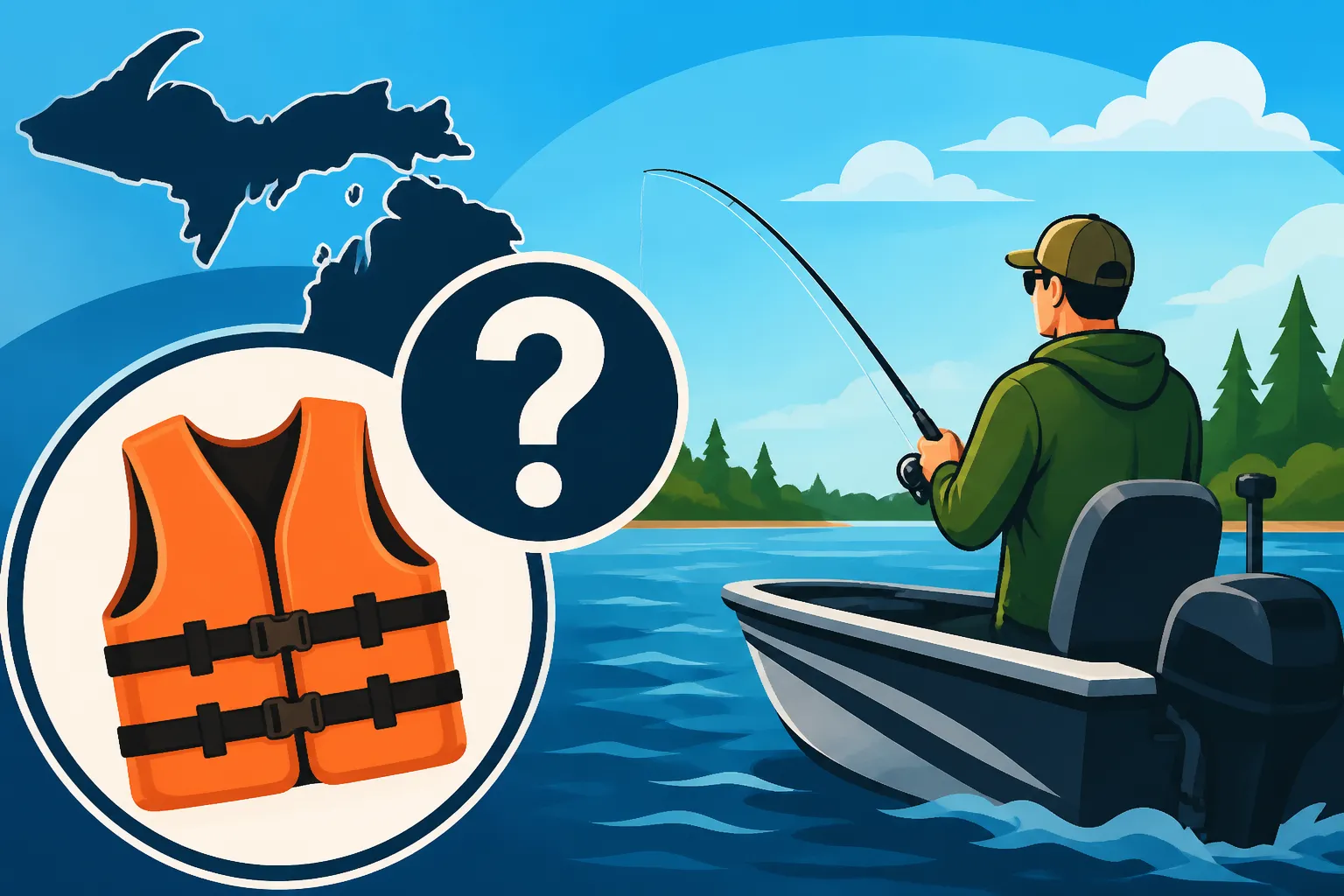
Is a Life Jacket Required in Michigan?
It’s a beautiful day out on the water, you’ve got your fishing gear ready, and you're just itching to cast a line into a peaceful Michigan lake or river. But then that nagging thought creeps in: "Am I actually legal? Do I need a life jacket on, or just on the boat?" The rules around life jackets, also known as Personal Flotation Devices (PFDs), can feel like a tangled mess, leaving many of us scratching our heads and even risking a fine or, more importantly, our safety. This guide aims to untangle those regulations, helping you understand exactly when and where a life jacket is required in Michigan, so you can enjoy your fishing trip with confidence and peace of mind.
Understanding Michigan's Life Jacket Laws for Anglers
Michigan's waters, from the vast Great Lakes to our countless inland lakes and winding rivers, offer incredible fishing opportunities. However, navigating the legal requirements for life jackets can sometimes feel more complex than figuring out a walleye bite. The core of these regulations is all about ensuring safety on the water, especially when unexpected situations arise.
The Basics: Who Needs to Wear a Life Jacket?
Let’s start with the non-negotiables, the rules that apply almost universally across Michigan waters. The most critical point for many anglers, especially those with families, revolves around children. In Michigan, any child under 6 years of age must wear a U.S. Coast Guard-approved life jacket whenever they are on the open deck of any vessel, or whenever they are in a vessel that is less than 20 feet long. This isn't just a suggestion; it's a strict law designed to protect our youngest adventurers. Imagine you're out on a small fishing boat, perhaps a 16-foot aluminum rig, on Lake Leelanau. Your 4-year-old is with you, excitedly watching for a bobber to dip. Even if the water is calm and you're just drifting, that child must be wearing their life jacket. It's a simple, undeniable rule that every parent needs to adhere to.
For everyone else over the age of six, the rule generally shifts from "must wear" to "must have." This means that every vessel, regardless of its length, must have at least one readily accessible, U.S. Coast Guard-approved life jacket for each person on board. "Readily accessible" is key here – it can't be stowed away in a locked compartment under a pile of tackle boxes. It needs to be easy to grab and put on in a hurry. So, while you might not be legally required to wear your PFD as an adult angler casting for smallmouth bass on the Detroit River, you certainly need to have one for yourself and everyone else in your boat. Failing to do so could result in a conservation officer quickly reminding you of the rules – and likely issuing a citation. You can find more comprehensive details about all general boating rules in Michigan Boating Laws for Anglers.
Different Types of Life Jackets and Their Michigan Compliance
Not all life jackets are created equal, and understanding the different U.S. Coast Guard (USCG) approval types is crucial for compliance and, more importantly, for your safety. Michigan's regulations, like federal guidelines, recognize five main types of PFDs:
- Type I (Off-Shore Life Jackets): These are designed for rough, remote waters where rescue may be delayed. They offer the most buoyancy and are designed to turn an unconscious person face-up. They're bulky, but highly effective for extreme conditions, though less common for typical fishing trips unless you're far out on the Great Lakes.
- Type II (Near-Shore Vests): These are good for calmer, inland waters where a quick rescue is likely. They will turn some unconscious wearers face-up. They are less bulky than Type I but still offer substantial flotation.
- Type III (Flotation Aids): These are the most popular choice for recreational boating and fishing. They're comfortable, designed for continuous wear, and allow for a full range of motion. They will not reliably turn an unconscious person face-up, so they are best for situations where rescue is imminent. Many fishing-specific PFDs fall into this category, offering pockets and other angler-friendly features.
- Type IV (Throwable Devices): These are not designed to be worn. Think of a ring buoy or a boat cushion. Every vessel 16 feet or longer (except canoes and kayaks) must have at least one Type IV device on board, immediately accessible. This is a supplement to wearable PFDs, not a replacement.
- Type V (Special Use Devices): These are PFDs designed for specific activities and must be used according to their label instructions. This includes things like inflatable life jackets, deck suits, or work vests. Many inflatable PFDs fall into this category and have specific rules, often requiring them to be worn to count as a legal PFD.
For most Michigan anglers, a Type III PFD offers the best balance of comfort, mobility, and safety for general fishing. However, if you're venturing onto the vast expanses of Lake Superior or far out on Lake Michigan, a Type I or II might be a more prudent choice, even if less comfortable. Always ensure your chosen PFD is USCG-approved and in good, serviceable condition – no rips, tears, or broken straps.
Consequences of Non-Compliance: What Happens If You Don't Follow the Rules?
Ignoring Michigan's life jacket requirements isn't just about bending the rules; it carries real risks and potential penalties. The most immediate concern, of course, is personal safety. Accidents on the water can happen in an instant, whether it's an unexpected wave, a sudden shift in weight, or a collision. Having a readily available, properly fitting life jacket, or better yet, wearing it, can be the difference between a close call and a tragedy. The cold waters of Michigan, even in summer, can quickly lead to hypothermia, making the ability to stay afloat critically important.
Beyond the safety aspect, Michigan law enforcement, including conservation officers from the Department of Natural Resources (DNR) and local marine patrols, takes these regulations seriously. If you're stopped and found to be in violation – for instance, if a child under 6 isn't wearing a PFD, or if there aren't enough USCG-approved PFDs for everyone on board – you could face a citation and a fine. These fines can quickly add up, turning a relaxing day on the water into a costly mistake.
Imagine you're fishing on the Grand River near Grand Rapids in your small fishing boat. You've got your nephew with you, who just turned five. He's excited about catching panfish, but he complains about the life jacket being bulky. You might be tempted to let him take it off "just for a bit." But what if a sudden wake from another boat catches you off guard, or he leans too far over the side? If a DNR officer observes this, you're not only risking his safety but also a ticket. It's a reminder that these laws are there for good reason, and it's our responsibility as boaters and anglers to uphold them.
Specific Scenarios: When and Where Life Jackets are Critical in Michigan Fishing
The general rules are a good starting point, but fishing often takes us to diverse waters and situations, each with its own considerations for life jacket use. Understanding these nuances can help you make smart, safe choices.
Kayaks, Canoes, and Small Boats: The "Always Wear It" Rule
While adults on larger powerboats might only be required to have a life jacket on board, the rules become much stricter—and frankly, common sense dictates—that you wear a life jacket when fishing from kayaks, canoes, or other small, open vessels. The U.S. Coast Guard strongly recommends, and in some areas, state laws may even mandate, wearing PFDs in these types of boats. Why the difference? Smaller craft are inherently less stable and more prone to capsizing or swamping, especially in choppy water or if you hook into a particularly feisty fish. Re-entering a kayak or canoe after falling out can be incredibly difficult, if not impossible, in open water, even for strong swimmers.
Consider an angler in a fishing kayak, perhaps on the chilly waters of the Au Sable River in early spring, targeting trout. The water temperature is still in the 40s or 50s, and a sudden splash, or even just losing balance while casting, could put you in the water. Hypothermia sets in quickly in cold water, rapidly debilitating your ability to swim or even call for help. In this scenario, wearing a properly fitted Type III PFD is not just a good idea; it's a vital piece of survival gear. It keeps you afloat, conserves body heat, and allows you to focus on self-rescue or waiting for assistance. Many modern fishing kayaks even feature elevated seats, making a high-backed PFD more comfortable for continuous wear, which you can find readily available at stores like Bass Pro Shops or through online retailers like Amazon.
Great Lakes vs. Inland Waters: Are the Rules Different?
For the most part, Michigan's core life jacket requirements apply statewide, regardless of whether you're on a vast Great Lake or a small inland pond. The age requirement for children under 6 wearing PFDs, and the general requirement for one PFD per person on board, hold true across all Michigan waters. However, the implications and risks of not wearing a life jacket are drastically different on the Great Lakes compared to a small, calm inland lake.
The Great Lakes – Michigan, Huron, Superior, Erie – are essentially freshwater oceans. They can change from glass-smooth to violently rough in a matter of minutes, producing waves that are dangerous for even large vessels. Rescue can be much more challenging and take significantly longer than on a small, sheltered inland lake. If you're out trolling for salmon on Lake Michigan, miles from shore, and something goes wrong, a life jacket drastically increases your chances of survival. Even if you're an excellent swimmer, battling strong currents, large waves, and cold water while trying to stay afloat is a monumental task without assistance.
While the letter of the law might not strictly require an adult to wear a PFD on a 30-foot cruiser on Lake Superior, any seasoned Great Lakes angler will tell you that it's just smart practice, especially when conditions are iffy or you're operating solo. The sheer scale and unpredictability of these massive bodies of water demand a heightened sense of caution. This is also why understanding other essential safety gear, as outlined in Trolling Gear for Michigan's Great Lakes, becomes even more critical.
Cold Water Fishing: Beyond the Law, It's About Survival
Michigan offers fantastic fishing year-round, but with that comes the reality of cold water for much of the spring, fall, and winter. And this isn't just about ice fishing; even spring and fall open-water fishing can expose you to dangerously cold water temperatures. Water below 70°F (21°C) can be considered "cold," and anything below 60°F (15°C) is extremely dangerous. Many of Michigan's prime fishing seasons, like the steelhead runs in spring and fall, coincide with these frigid water temperatures.
The law might not mandate adult anglers to wear a life jacket in cold water if they're over 6 and on a boat over 20 feet, but the reality is stark: immersion in cold water can lead to cold water shock, incapacitation, and hypothermia in minutes. Cold water shock causes involuntary gasping, hyperventilation, and increased heart rate, often leading to drowning if a PFD isn't immediately keeping your head above water. Within 5-15 minutes, your muscles begin to fail, making it impossible to swim or even tread water.
This is where a life jacket moves from a legal requirement to an absolute life-saving device. Even if you don't plan on falling in, wearing a PFD while fishing in cold water gives you crucial extra minutes for self-rescue or to await help. Consider inflatable PFDs for less bulk, or even specialized cold-weather flotation suits for extreme conditions, which are often discussed in guides like Michigan Ice Fishing Gear Guide or Best Life Jacket for Cold Water Boating. Never underestimate Michigan's cold waters.
Choosing the Right Life Jacket for Your Michigan Fishing Adventures
Once you understand the regulations, the next step is choosing a life jacket that not only meets legal requirements but also fits your fishing style and maximizes your comfort and safety on the water.
Comfort and Fit: Making Sure Your PFD Works for You
The best life jacket is the one you'll actually wear. An uncomfortable, ill-fitting PFD will likely end up stowed away, defeating its entire purpose. This is especially true for anglers who need freedom of movement for casting, reeling, and maneuvering. When selecting a life jacket, consider the following:
- Proper Sizing: PFDs are sized by chest circumference and weight. Never buy a PFD that's too big, as it can ride up around your ears in the water, or too small, which will be uncomfortably restrictive. Always try it on! When buckled, it should feel snug but not constricting, allowing you to breathe and move freely. Have someone pull up on the shoulders; if it rides up past your chin or ears, it’s too big.
- Freedom of Movement: For fishing, look for designs that don't impede your casting motion. Many modern fishing-specific PFDs feature thinner back panels or high-back designs that integrate well with kayak seats or boat chairs. They might also have larger armholes for unrestricted movement.
- Ventilation: Fishing in Michigan often means hot summer days. Look for PFDs with mesh panels or breathable fabrics to prevent overheating.
- Pockets and Features: Many fishing PFDs are designed with anglers in mind, offering multiple pockets for tackle, pliers, and other small essentials. Some even have attachment points for retractors or loops for securing tools. While these features aren't about flotation, they add to the overall comfort and convenience, making you more likely to wear the PFD consistently. Brands like Onyx, Mustang Survival, and even options you can find on Amazon or at Bass Pro Shops offer a wide array of angler-specific PFDs.
Maintenance and Storage: Keeping Your Life Jacket Ready
Having a life jacket is one thing; keeping it in serviceable condition is another. A damaged or improperly stored PFD can fail when you need it most. Treat your life jacket like any other critical piece of safety gear.
- Regular Inspection: Before each season, and periodically throughout, inspect your PFDs for signs of wear and tear. Look for:
- Rips, Tears, or Holes: Even small ones can compromise buoyancy.
- Frayed Straps or Broken Buckles/Zippers: These can make the PFD ineffective or cause it to come off in the water.
- Mildew or Fading: These can indicate deterioration of the fabric or flotation material.
- Loss of Buoyancy: Give older foam PFDs a "squeeze test." If they feel thin, squishy, or don't spring back, the foam may be degraded. For inflatable PFDs, check the CO2 cylinder and indicator window according to the manufacturer's instructions.
- Proper Cleaning: If your PFD gets dirty or wet, clean it gently with mild soap and water, then rinse thoroughly. Avoid harsh chemicals, which can degrade the fabric and flotation material.
- Dry Thoroughly: Always let your PFD air dry completely before storing it. Storing a damp PFD is a recipe for mildew, which not only smells terrible but also breaks down the materials over time.
- Store Properly: Store PFDs in a dry, well-ventilated area, out of direct sunlight. Avoid crushing them under other gear, as this can compress and damage the foam flotation. Hang them if possible to maintain their shape and allow for air circulation.
Imagine finding a PFD in your boat locker with straps that are brittle and buckles that are cracked. That's a PFD that won't perform when it counts. Taking a few minutes for maintenance can literally save a life.
Inflatable PFDs: A Modern Option for Anglers
Inflatable PFDs have become incredibly popular with anglers and other boaters due to their comfort and low-profile design. Instead of bulky foam, they contain a CO2 cartridge that, when activated (either manually or automatically upon water immersion), rapidly inflates an air bladder.
- Pros:
- Comfort: They are much less bulky than traditional foam PFDs, allowing for excellent freedom of movement and reducing overheating. You often forget you're even wearing one.
- Effectiveness: Once inflated, they provide significant buoyancy, often more than a Type III foam vest, and some Type V inflatables are designed to turn an unconscious person face-up.
- Cons:
- Cost: Inflatable PFDs are generally more expensive than foam PFDs.
- Maintenance: They require regular inspection of the CO2 cartridge and indicator, and replacement of the cartridge after activation. You also need to ensure they are properly repacked.
- Requirements: Most inflatable PFDs are USCG-approved as Type V devices, meaning they must be worn to count as a legal PFD. They also often have age restrictions (typically 16 years or older) and may not be approved for certain activities or for non-swimmers. Always check the label.
- Activation: Manual inflatables require you to pull a cord to deploy, which might be challenging if you're injured or in shock. Automatic inflatables deploy on contact with water, but this can be a nuisance if you're frequently exposed to spray.
For the serious angler who values comfort but doesn't want to compromise safety, an inflatable PFD can be an excellent choice, available from specialty marine retailers and general sporting goods stores. Just be sure to understand its specific requirements and maintain it meticulously.
| Life Jacket Type | Description & Buoyancy | Best Use for Michigan Anglers | Wear Requirement (Michigan) | Notes |
|---|---|---|---|---|
| Type I | Off-Shore; Most Buoyancy | Extreme Great Lakes, remote | Adult: Have; Child (<6): Wear | Bulky, turns unconscious face-up |
| Type II | Near-Shore; Good Buoyancy | Moderate Great Lakes, large inland lakes | Adult: Have; Child (<6): Wear | Less bulky, may turn unconscious face-up |
| Type III | Flotation Aid; Comfortable | General fishing, most inland waters | Adult: Have; Child (<6): Wear | Most common, allows movement, won't turn unconscious face-up |
| Type IV | Throwable Device | Supplemental, not wearable | Vessel >= 16ft: Have one | Ring buoy, cushion; not a substitute for wearable PFD |
| Type V | Special Use (e.g., Inflatable) | Specific activities, comfort | Adult: Must wear if chosen as primary PFD; Child (<6): Wear | Check label for specific use; often age restrictions for inflatables |
Beyond Life Jackets: Other Essential Boating Safety Gear
While life jackets are paramount, they are just one component of a comprehensive boating safety plan. Michigan has other regulations and recommendations for safety gear that every angler should be aware of, helping to make your time on the water not only compliant but also genuinely safe. For a deeper dive into general rules, check out Life Jackets and Michigan Boating Safety Rules.
Sound-Producing Devices and Visual Distress Signals
It's not enough to be seen; sometimes you need to be heard, or even signal for help.
- Sound-Producing Devices: All vessels are required to carry some means of making an efficient sound signal. For boats under 16 feet, this can be a whistle. For boats 16 feet or longer, you need a whistle or horn that can produce a two-second blast and be audible for at least half a mile. Imagine you're fishing a foggy morning on Saginaw Bay and another boat is approaching. A quick blast of your horn can prevent a collision.
- Visual Distress Signals (VDS): On the Great Lakes, any vessel 16 feet or longer must carry visual distress signals suitable for night use. Examples include flares (pyrotechnic), or electronic distress lights. Smaller boats on the Great Lakes, and all boats on inland waters, are not legally required to carry VDS, but it is always a wise idea to have them, especially if you venture far from shore or fish after dark. A simple flashlight or a bright LED lantern can serve as a basic visual signal for inland waters, but nothing beats a USCG-approved signal for emergency situations.
Fire Extinguishers and Navigation Lights
These pieces of gear are specific to certain types of vessels but are critical for preventing accidents and ensuring visibility.
- Fire Extinguishers: Any vessel with an enclosed engine compartment, a permanently installed fuel tank, or compartments where flammable or combustible materials are stored must carry a USCG-approved fire extinguisher. This is especially true for most powerboats used for fishing. Ensure your extinguisher is charged and easily accessible. A small engine fire can quickly turn into a catastrophic event on the water, so don't overlook this crucial item.
- Navigation Lights: If you're planning to be on the water between sunset and sunrise, or during periods of restricted visibility (like fog), your vessel must display appropriate navigation lights. This typically includes a white all-around light (anchor light) and red and green sidelights for powerboats. These lights make your boat visible to other vessels and prevent collisions in low light. Even if you only plan to fish during the day, it's easy to lose track of time, and having functioning navigation lights ready to go is simply responsible boating.
Importance of a Float Plan and Communication Devices
Beyond the legally required items, common sense and good seamanship dictate a few other safety practices.
- Float Plan: One of the most important, yet often overlooked, safety measures is filing a float plan. This means telling a reliable person on shore where you're going, when you expect to return, and details about your boat and who is with you. If you don't check in by your scheduled return time, they know to alert authorities. It costs nothing but can dramatically speed up rescue efforts if you run into trouble.
- Communication Devices: While not always legally required, having a reliable way to communicate for help is essential, particularly on larger bodies of water. A cell phone is a good start, but remember coverage can be spotty in remote areas or out on the Great Lakes. A VHF marine radio offers direct communication with the Coast Guard and other vessels, and satellite messengers can provide communication even when off-grid. Even for local trips, consider a fully charged phone in a waterproof case, just in case of an unexpected situation. Understanding Michigan Boating Safety Certificate Requirements can also provide valuable insights into safe practices and other essential boating knowledge.
By understanding and adhering to Michigan's life jacket requirements, as well as equipping yourself with other vital safety gear, you can ensure your fishing adventures are not only productive but also safe and worry-free.
Disclaimer
This article is for general informational purposes only and does not constitute professional advice. Laws, prices and regulations vary by location and change over time. Consult a qualified professional for guidance on your specific situation.