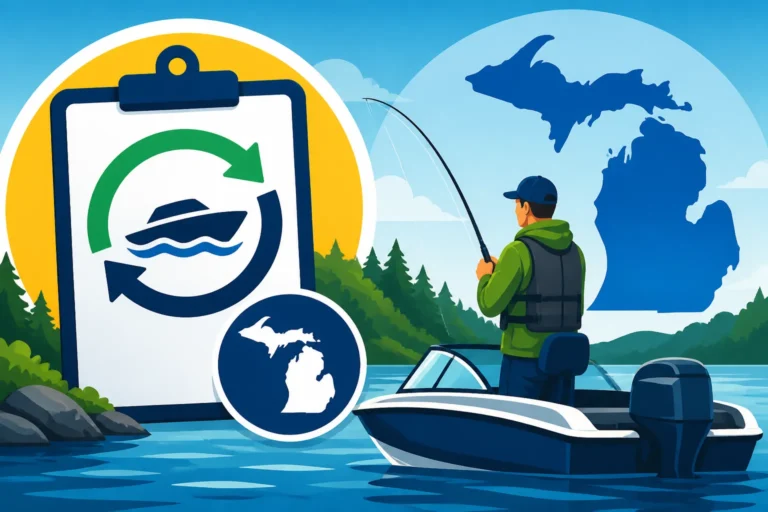
Michigan Boat Registration Renewal Every Three Years
It’s easy to get caught up in the excitement of Michigan's beautiful waters, whether you’re heading out for some peaceful fishing on a quiet inland lake or chasing salmon on the vast expanse of Lake Michigan. But amidst all that planning for bait, tackle, and fuel, one crucial detail often slips through the cracks: your boat registration renewal. For many, remembering when and how to renew can feel like an unnecessary hassle, especially with Michigan's specific three-year cycle. This comprehensive guide is here to demystify the process, ensuring you stay on the right side of the law and can enjoy our incredible waterways without a worry.
The Michigan Boat Registration Cycle: Understanding the Triennial System
Michigan's system for registering boats isn't an annual affair like your vehicle tabs, which can sometimes trip up new boaters or those coming from other states. Instead, it operates on a triennial, or three-year, cycle. This unique approach is designed to balance convenience for boat owners with the administrative needs of the state.
What "Every Three Years" Actually Means for You
When we say "every three years," it means your boat's registration is valid for three full boating seasons. For example, if you register your boat in the spring, that registration will typically be good for that year and the following two years, expiring on March 31st of the third year. This staggered approach helps distribute the workload for the Michigan Department of Natural Resources (DNR) and theoretically means you're not scrambling to renew every single spring. However, it also means it's easier to forget when that crucial third year rolls around, especially if you're not diligent about checking your paperwork or the expiration decals on your hull.
This three-year period applies to most vessels required to be registered in Michigan, from small fishing boats to larger cruisers. It’s a pretty consistent rule that helps keep things streamlined, but the responsibility ultimately falls on you, the boat owner, to keep track of that date. Many seasoned boaters keep a digital reminder or mark it on a physical calendar right when they get their new registration, knowing how quickly those three years can fly by between fishing trips and family outings.
The Logic Behind Michigan's Three-Year Renewal Period
You might wonder why Michigan adopted a three-year cycle instead of an annual one. There are a few practical reasons. Firstly, it reduces the administrative burden on both the state and the boat owner. Imagine if millions of boat owners had to renew every single year – the volume of transactions would be immense. A three-year cycle cuts down on paperwork, processing, and the sheer number of yearly interactions. This allows the DNR to focus resources on other vital conservation and enforcement efforts.
Secondly, it aims to be more convenient for boaters. While it can be easy to forget, the longer interval means fewer trips to the DNR office or fewer online transactions over the lifespan of your boat ownership. It's a system that, when properly managed by the boat owner, can lead to less hassle. The fees collected from these registrations are also crucial, helping to fund important programs like public access site maintenance, boating safety education, and aquatic invasive species prevention. It's a long-term investment in the health and accessibility of Michigan's incredible waterways, and the longer cycle ensures a steady, manageable revenue stream for these initiatives. This dedicated funding is vital for maintaining the quality of Michigan's Great Lakes Fishing Guide and Michigan Inland Lakes Worth Fishing.
Spotting Your Renewal Date: Deciphering Your Registration
One of the biggest anxieties for boaters isn't necessarily the renewal process itself, but simply knowing when to do it. An expired registration can lead to frustrating encounters with law enforcement, so being able to quickly identify your expiration date is paramount.
Where to Find Your Registration Expiration Date
The most definitive place to find your boat's registration expiration date is on your official Michigan Certificate of Number, often referred to as your registration certificate. This is the paper document that you should always keep on board your vessel while it's in operation. Look for a clearly marked expiration date, usually towards the top or bottom of the document. It will typically show the month and year, such as "Expires: March 31, YYYY." Make sure this document is kept in a waterproof bag or compartment to protect it from the elements, as it's your primary proof of registration.
Beyond the paper certificate, Michigan also provides physical decals that are affixed to your boat's bow. These decals not only display your registration number but also include the year your registration expires. It’s smart practice to double-check this decal against your paper certificate periodically, just to ensure consistency and keep the date fresh in your mind. If you ever have questions or can't locate your certificate, the Michigan DNR's online services or a quick call to a customer service center can often help you retrieve your current registration status. It's also wise to make a note of the date in your personal calendar or a reminder app the moment you receive your new registration, rather than relying solely on memory or the physical documents.
Interpreting Your Decals: What the Colors and Numbers Mean
Michigan uses a system of colored decals that indicate the expiration year of your boat's registration. This color-coding makes it easier for marine patrol and other law enforcement officials to quickly identify if a boat's registration is current without having to board every vessel. The specific colors rotate on a three-year cycle, so the color of your decal directly tells you which year it expires. For example, if this year is the final year of a blue decal cycle, next year might usher in a new color like orange. Knowing this system is a simple yet effective way for boaters to perform a quick visual check on their own vessel or even to subtly identify other boats that might have outdated registrations.
In addition to the color, the year of expiration is also printed clearly on the decal. These decals are usually placed on the forward half of the boat, on the port and starboard sides, accompanying the registration numbers. They must be clearly visible and permanently attached. Understanding Michigan Boat Registration Decal Placement is crucial. Make sure your decals are clean and not peeling, as faded or damaged decals can sometimes draw unwanted attention from marine patrols. If your decals become unreadable or fall off, you can request replacements through the DNR. It's a small detail, but keeping those decals fresh and visible is an important part of legal and worry-free boating on Michigan's extensive network of lakes and rivers.
Navigating the Renewal Process: Options and Steps
The good news is that Michigan offers several convenient ways to renew your boat registration, so you can choose the method that best fits your lifestyle. Gone are the days when an in-person visit was your only real option, although that method is still available for those who prefer it.
Renewing Your Michigan Boat Registration Online
For many busy boaters, renewing online is by far the easiest and quickest option. The Michigan DNR provides a user-friendly online portal where you can handle your renewal from the comfort of your home, or even from your phone while you're planning your next fishing trip. To renew online, you'll typically need your boat's registration number (which starts with MC), your last name or business name, and often your birth date or business ID for verification.
The online system will walk you through the steps, confirm your information, and allow you to pay the renewal fee securely. Once completed, you'll usually receive a temporary registration that you can print out immediately. Your new decals and permanent registration certificate will then be mailed to you within a few weeks. This method is incredibly efficient, especially if you're nearing your expiration date and need to ensure you're legal to hit the water without delay. It's also where you'll find information about Michigan Boat Registration Cost and Renewal. Many boaters find it helpful to set up an account with the DNR's online portal or even use the Michigan's DNR Hunt Fish App for Licenses and Reporting to keep track of all their outdoor recreational licenses and registrations in one place.
Mail-In and In-Person Renewal Alternatives
While online renewal is increasingly popular, Michigan still offers traditional mail-in and in-person options for those who prefer them or don't have easy internet access. To renew by mail, you'll typically receive a renewal notice in the mail from the DNR a few months before your registration expires. This notice will include a form that you can fill out, attach a check or money order for the renewal fee, and send back to the address provided. Just be sure to mail it with enough lead time to account for processing and delivery, as you don't want to find yourself with an expired registration while waiting for new decals.
If you prefer to handle things in person, you can visit any authorized DNR license agent or a DNR customer service center. These locations are scattered across the state, making them accessible to most Michiganders. You'll need to bring your old registration certificate or at least your registration number, along with a valid form of identification. The staff at these locations can process your renewal on the spot, and in many cases, you'll walk out with your new decals and temporary registration right away. This can be a great option if you have questions or need assistance with your renewal, or if you simply enjoy interacting with local businesses, many of whom are avid anglers themselves. Retailers like Bass Pro Shops that sell licenses often also have staff who are knowledgeable about these processes.
Essential Documents and Information You'll Need
Regardless of how you choose to renew your Michigan boat registration, having the right information and documents at hand will make the process smooth and stress-free. The absolute most important piece of information is your boat's current registration number, often referred to as your "MC number." This unique identifier is prominently displayed on both your physical boat and your registration certificate. It's how the DNR identifies your specific vessel.
You'll also need personal identification, such as your Michigan driver's license number, and possibly your date of birth for verification purposes. If the boat is registered to a business, you'll need the business's identification information. For mail-in renewals, ensure your check or money order is made out for the correct amount and to the proper entity (usually "State of Michigan" or "Michigan DNR"). For in-person renewals, having your existing registration certificate, even if expired, can help speed things up by providing all the necessary details. It's a good habit to keep a folder with all your important boat documents, including proof of ownership, title, and past registrations, so you can easily access them when needed. Being prepared prevents those frustrating moments of scrambling for forgotten paperwork.
| Renewal Method | Pros | Cons | What You Need | Typical Turnaround for Decals |
|---|---|---|---|---|
| Online | Quick, convenient, 24/7 access, immediate temporary proof | Requires internet access, printed proof needed for immediate use | MC Number, last name/business name, payment | Mailed within 2-3 weeks |
| Mail-In | Convenient from home, no internet needed | Slowest option, reliant on postal service | Renewal form, check/money order, postage | Mailed within 4-6 weeks |
| In-Person | Immediate decals/proof, assistance available, no internet needed | Requires travel during business hours, can have wait times | MC Number, ID, payment | Immediate |
Common Hiccups and Smooth Sailing Strategies
Even with the best intentions, it's easy to run into a snag or two when it comes to boat registration. Understanding these common issues and how to proactively avoid them can save you a lot of headache and potential fines.
What Happens if You Miss the Renewal Deadline
Missing your boat registration renewal deadline can put a real damper on your boating plans. In Michigan, operating a vessel with an expired registration is a violation of state law. While a first offense might result in a warning, it's more likely you'll face a citation and a fine. The amount of the fine can vary, but it's certainly more than the cost of simply renewing on time. Think about it: that money could have gone towards new fishing lures or fuel for another trip, not a penalty.
Beyond the monetary fine, an expired registration can also lead to delays and inconvenience. Imagine being pulled over by marine patrol while you're out on the water, excited for a day of fishing. Having to deal with a citation, and potentially being told you need to return to shore until your registration is current, is not how anyone wants to spend their time. It's a frustration that's entirely avoidable with a little planning. The process of getting your renewal after the deadline is generally the same as renewing on time, but the added stress and cost make it something truly worth avoiding. For more details on what might happen, check out Can You Fish From an Unregistered Boat in Michigan?.
Avoiding Common Errors on Your Application
Filling out renewal forms, whether online or on paper, can sometimes feel tedious, but accuracy is key. One of the most common errors boaters make is simply inputting incorrect or outdated information. This could be an old address, a misspelled name, or transposed numbers in your boat's hull identification number (HIN). Any of these mistakes can cause delays in processing your renewal or lead to your new decals being sent to the wrong location. It’s always worth taking an extra minute to carefully review everything before submitting.
Another frequent oversight is not updating your mailing address if you've moved since your last registration. The DNR relies on the address on file to send out renewal notices, and if they're sending them to your old house, you'll never receive that crucial reminder. Make sure your contact information is always current with the DNR. Finally, when renewing by mail, forgetting to sign the form or including insufficient payment are common reasons for applications to be returned, further delaying your ability to legally operate your boat. Double-checking every field, confirming your payment amount, and ensuring all required signatures are present will go a long way in ensuring a smooth renewal.
Tips for Staying Organized and Remembering Your Due Date
Let's be honest, remembering a specific date that only comes around every three years can be tough. Life gets busy, and that March 31st deadline can sneak up on you faster than a trophy muskie on a calm morning. One of the best strategies is to mark your calendar immediately upon receiving your new registration. Whether it's a digital calendar with a recurring reminder set for three years out or a physical planner, writing it down is a crucial first step. You could even set a reminder for a month before the actual expiration to give yourself ample time.
Another fantastic tip is to create a dedicated "boating documents" folder. Keep your current registration certificate, title, and any other important boat-related papers here. When you receive your new registration after renewal, place the old one in an archive section within the same folder. This makes it easy to quickly check your expiration date and keep everything neatly organized. Consider storing this folder in a safe, yet accessible, place at home. You might also want to explore what many online retailers, like Amazon, offer in terms of waterproof document holders or organizers that you can keep with your boating gear, making it easy to grab everything you need for the water. The key is to develop a system that works for you and stick with it.
Why Timely Renewal Matters: Beyond Just the Law
While avoiding fines and legal hassles is certainly a big motivator for renewing your boat registration on time, there are broader, more impactful reasons why this routine task is so important for all Michigan boaters.
Supporting Michigan's Waterways and Conservation Efforts
Every dollar collected from boat registration fees in Michigan goes directly back into the state's aquatic resources and boating infrastructure. This isn't just about paying a fee; it's about investing in the very reasons we love to boat and fish here. These funds help maintain and improve public boat launches and access sites, ensuring that anglers and recreational boaters can easily get out on the water. They support vital conservation programs aimed at protecting our native fish populations and their habitats. This includes initiatives for species management, habitat restoration, and even research to better understand our aquatic ecosystems.
Furthermore, a significant portion of these fees is dedicated to combating invasive species. Michigan’s Great Lakes and inland waters are constantly under threat from non-native plants and animals that can wreak havoc on local ecosystems. Your registration dollars help fund early detection programs, containment efforts, and public education campaigns to prevent the spread of these harmful invaders. So, when you renew your registration, you're not just ticking a box; you're actively contributing to the long-term health and accessibility of the very waters you enjoy. It's a collective effort that truly makes a difference.
The Peace of Mind of Legal Operation
There's an undeniable peace of mind that comes with knowing you're fully compliant with all boating regulations. When you launch your boat with a current registration and properly displayed decals, you can relax and focus on the enjoyment of the day. You don't have to worry about a potential stop by marine patrol interrupting your fishing rhythm or a pleasant cruise with family. This peace of mind allows you to fully immerse yourself in the natural beauty of Michigan's lakes and rivers.
Being legally registered also ensures that you're part of the official count of Michigan boaters, which helps the DNR and other state agencies make informed decisions about resource allocation, safety initiatives, and infrastructure improvements. It’s about being a responsible member of the Michigan boating community. This extends to things like having all the correct safety gear on board, from life jackets to fire extinguishers, as outlined in Michigan Boating Laws for Anglers. A properly registered boat is just one part of being a prepared and responsible boater, setting a good example for others and contributing to a safer, more enjoyable environment for everyone.
Potential Penalties for Non-Compliance
Operating a boat with an expired or improperly displayed registration in Michigan isn't just a minor oversight; it can carry significant consequences. As mentioned, the most immediate penalty is typically a citation and a fine. These fines can range, but they are often substantial enough to make you wish you'd taken five minutes to renew online. Repeated offenses can lead to even steeper fines and potentially other legal repercussions. Marine patrol officers are vigilant about ensuring all vessels on the water are properly registered, as it's a fundamental aspect of boating safety and regulation.
Beyond direct financial penalties, non-compliance can also cause inconvenience and potential safety issues. If you're stopped and found to be unregistered, you might be required to return to the nearest launch site immediately, ending your day on the water prematurely. In some cases, severe or repeated violations could even lead to your boat being impounded, though this is rare for a simple expired registration. The hassle of dealing with law enforcement, the disruption to your outing, and the financial cost all underscore why timely renewal is a simple, yet critical, responsibility for every Michigan boat owner. Knowing Michigan Fishing Regulations Every Angler Should Know can save you from a lot of trouble.
Disclaimer
This article is for general informational purposes only and does not constitute professional advice. Laws, prices and regulations vary by location and change over time. Consult a qualified professional for guidance on your specific situation.