What Is Splake Stocked for in Michigan
There's often a bit of mystery surrounding some of the less common fish swimming in Michigan's abundant waters, and splake are definitely one of those intriguing species that leave many anglers scratching their heads. You might have heard the name, maybe even caught one, but truly understanding why these unique fish are stocked in our state's lakes can feel a bit elusive. This guide is here to unravel that mystery, explaining the purpose behind splake stocking and what makes these fish a special part of Michigan's diverse fisheries.
Understanding the Unique Nature of Splake in Michigan
When we talk about splake, we're not talking about a purely "natural" fish in the traditional sense. These are fascinating creatures, a testament to fishery management and a clever way to enhance angling opportunities. But to truly appreciate why Michigan invests in stocking splake, we first need to understand what they are and where they come from. It's a tale of two trout, coming together to create something truly distinct for our cold-water lakes.
The Genetic Blend: Brook Trout Meets Lake Trout
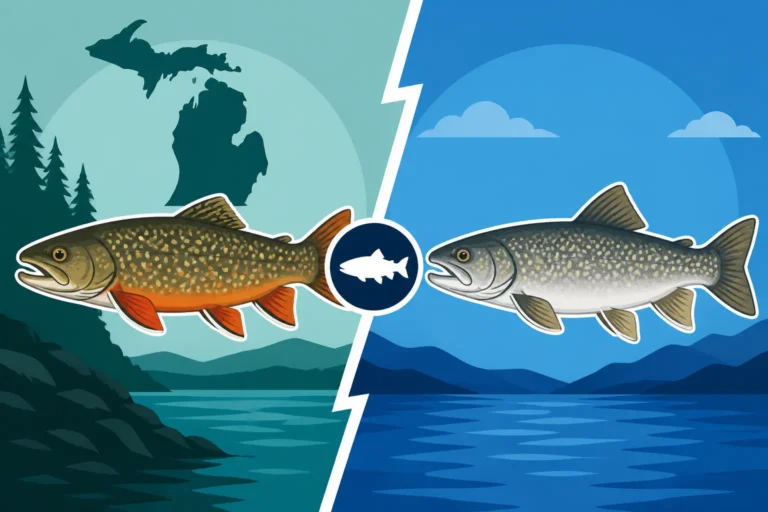
Imagine taking the best characteristics of two iconic Michigan fish and blending them into one. That's essentially what a splake is: a hybrid fish resulting from the cross-breeding of a male brook trout (Salvelinus fontinalis) and a female lake trout (Salvelinus namaycush). This isn't something that happens naturally in the wild with any regularity, which is why splake are typically only found where they've been intentionally stocked.
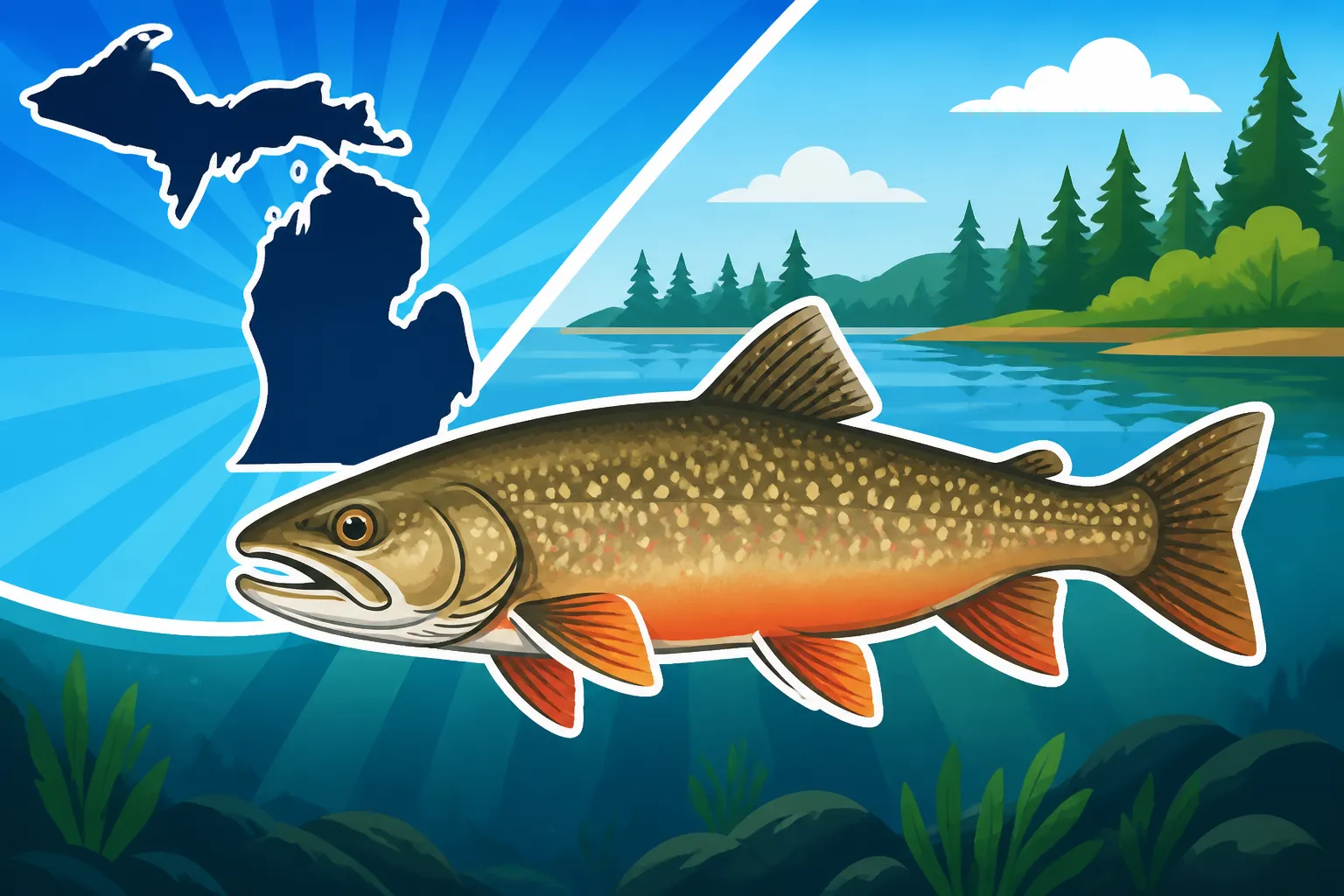
Anglers often get confused when they reel in a splake because it shares features with both its parents. You might notice the worm-like markings (vermiculations) on its back, reminiscent of a brook trout, but also the deeply forked tail that's a hallmark of the lake trout. It's like looking at a family portrait and seeing traits from both sides. This genetic blend gives splake some really interesting biological advantages, which are precisely why they've become a go-to for fisheries managers looking to fill specific ecological niches. If you're keen to tell them apart, checking out resources like Lake Trout Identification in Michigan and Brook Trout in Michigan Rivers can give you a better grasp of their distinct parent species.
Why Michigan Chose This Hybrid
So, why go through the effort of creating and stocking a hybrid? Michigan's fisheries managers are constantly looking for ways to maximize the health and productivity of our aquatic ecosystems while also providing diverse and exciting fishing opportunities. Native lake trout typically require very deep, very cold, nutrient-poor (oligotrophic) lakes, and they grow quite slowly. Brook trout, while beautiful and aggressive, prefer shallower, highly oxygenated streams and smaller, colder lakes, and generally don't reach a very large size.
The genius of the splake lies in its ability to bridge the gap between these two preferences. Splake tend to thrive in waters that might be too warm or not quite deep enough for lake trout to flourish, but still too cold or open for brook trout to reach their full potential. They've inherited some of the hardiness and faster growth rates of the brook trout, combined with some of the larger size potential and deeper-water adaptability of the lake trout. This makes them a perfect candidate for certain inland lakes where neither parent species would perform optimally as a sport fish. It's about finding the right fish for the right water, and the splake often fits that bill beautifully.
The Primary Reasons for Splake Stocking in Michigan
The decision to stock any fish species is always a strategic one, based on ecological surveys, angler demand, and management goals. For splake, their unique hybrid vigor makes them particularly valuable for a few key reasons in Michigan's diverse aquatic landscape. These fish aren't just a random addition; they serve a specific purpose, designed to enhance both the ecosystem and our fishing experiences.
Filling a Niche in Inland Lakes
One of the most compelling reasons for stocking splake in Michigan is their ability to thrive in inland lakes that present a unique set of environmental conditions. Many of our state's deep, cold inland lakes don't quite have the pristine, deep-water habitat that pure lake trout prefer for sustained natural reproduction and optimal growth. They might lack the abundance of preferred forage or the ultra-cold, oxygen-rich conditions needed for lake trout to truly excel. At the same time, these lakes might be too large or too cold year-round for brook trout to reach impressive sizes.
This is where the splake shines! They've proven to be quite adaptable. They can tolerate slightly warmer water temperatures than lake trout, and they're often more aggressive feeders, willing to pursue a wider range of forage fish. This means they can utilize the food sources present in these intermediate lakes more effectively, growing quickly into respectable sizes. They essentially act as a biological bridge, filling a predatory role and utilizing resources that might otherwise be underutilized by other cold-water game fish. It's all about making the most of what a lake has to offer, and splake are excellent at that. When you think about Michigan Inland Lakes Worth Fishing, splake often feature prominently in those colder, deeper systems.
Creating a Unique Angling Opportunity
Beyond their ecological benefits, splake are primarily stocked to provide a distinct and exciting angling opportunity for Michigan's fishing enthusiasts. Let's be honest, every angler loves a good fight, and splake deliver! They are known for their aggressive strikes and strong, spirited battles, making them a highly desirable sport fish. Because they grow faster than lake trout and can get larger than most brook trout, they offer the chance for anglers to catch a significant fish in waters where trophy-sized native trout might be less common.
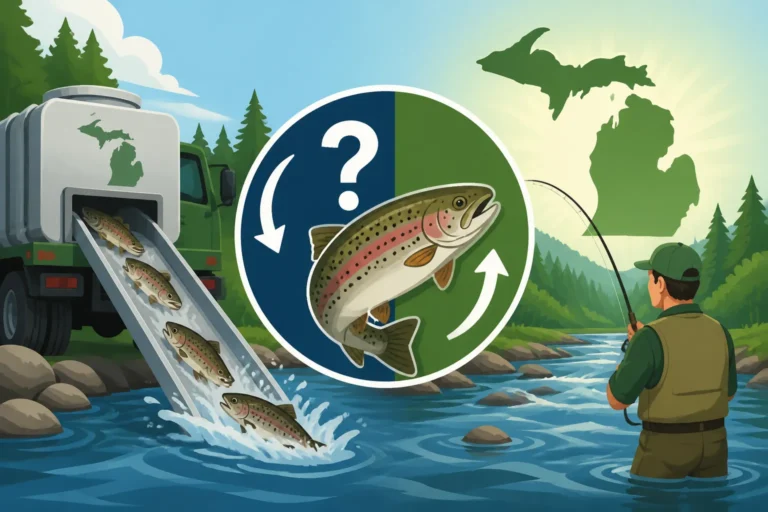
Many splake stocking programs fall into what's often called "put-grow-take" fisheries. This means the fish are stocked at a smaller size, allowed to grow quickly in the lake, and then harvested by anglers. This strategy helps manage fish populations and provides immediate recreational benefits. It’s a win-win: anglers get to enjoy catching a hard-fighting, good-eating fish, and the state can manage its fisheries effectively. For many of us, the chance to reel in something a little different, something that blends the best of both worlds, is a huge draw. Splake offer that novelty and excitement, contributing to why they're becoming one of Michigan's Most Popular Fish Species in certain regions. You can learn more about targeting them specifically in Splake Fishing in Michigan.
Where Splake Thrive and Current Stocking Efforts
Understanding why splake are stocked leads naturally to the question of where they're stocked. It's not a statewide blanket approach; rather, Michigan's fisheries managers carefully select specific bodies of water that offer the best chance for these unique hybrids to flourish and provide maximum benefit to anglers. This strategic placement ensures that every stocked splake has a purpose and contributes to the overall health and diversity of our fishing opportunities.
Identifying Ideal Michigan Waters for Splake
Splake aren't just tossed into any old lake. The Michigan Department of Natural Resources (DNR) identifies very particular characteristics for waters that will receive splake stockings. Generally, these are deep, cold inland lakes that have sufficient oxygen levels down into the thermocline (the layer where water temperature changes rapidly) during the warmer months. These lakes also need a healthy forage base – meaning plenty of smaller baitfish for the splake to eat and grow big. Think of lakes that are deep enough to stay cool even in the height of summer, but perhaps don't have the vast, pristine depths or specific food webs that would sustain a robust, naturally reproducing lake trout population.
Geographically, you'll often find splake in specific regions across both the Lower and Upper Peninsulas where these conditions are met. These might be glacially formed lakes with good depth and structure, often having a mix of gravel, rock, and some weed beds. They need to be cold enough to support trout, but perhaps not quite "lake trout cold" throughout their entire water column. This specific niche is precisely what splake are designed to fill, offering anglers in these areas a fantastic cold-water fishing option close to home.
Management Goals and Stocking Programs
The stocking of splake is never a haphazard event; it's a carefully considered component of broader fisheries management plans. The DNR sets clear goals for these programs, which often include:
- Enhancing Angler Opportunity: As mentioned, a primary goal is to provide a unique and exciting catch for recreational anglers, diversifying the fishing experience beyond native species.
- Utilizing Underused Habitats: Stocking splake allows the utilization of lake habitats that might not be optimal for other trout or salmon species, making productive use of those waters.
- Managing Forage Fish Populations: Splake are active predators, and their presence can help manage populations of other smaller fish species, contributing to a balanced ecosystem.
- Relieving Pressure on Native Species: By offering an alternative, high-quality sport fish, splake stocking can help reduce fishing pressure on more vulnerable or slower-growing native species.
These management goals are continuously evaluated based on catch rates, angler surveys, and biological assessments of the stocked lakes. The stocking numbers and locations can vary from year to year, adapting to environmental conditions and the success of previous efforts. It's all about ensuring a sustainable and enjoyable fishery for everyone, and it's why you might see specific lakes listed in the annual What Fish Are Stocked in Michigan Lakes reports as receiving splake.
Angler Experience and Future of Splake in Michigan
For us anglers, the "why" of splake stocking often boils down to the "how" and "what" of catching them. These unique fish provide a fantastic opportunity to target a hard-fighting species, and understanding their habits can significantly boost your success on the water. Beyond the individual catch, splake play a broader role in the ongoing evolution of Michigan's recreational fishing landscape, contributing to a diverse and resilient fishery for generations to come.
The Thrill of Catching a Michigan Splake
If you've never hooked into a splake, you're in for a treat! They are aggressive eaters and put up a tremendous fight, often making powerful runs and dogged dives. This makes them a favorite among ice anglers and those who troll or jig in deeper, cold waters during open water seasons. When you're out on a Michigan lake, whether it's frozen solid in February or basking in the summer sun, splake offer a consistent challenge.
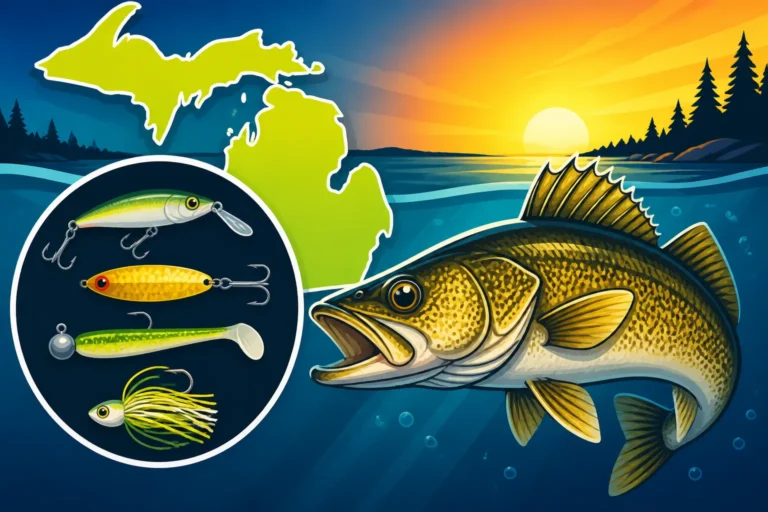
For ice fishing, many anglers find success using jigging spoons, small minnows, or even teardrop jigs tipped with wax worms or minnow heads. These can be effectively fished through the ice over deeper areas where splake tend to cruise. Techniques similar to those described in Ice Fishing Techniques for Michigan Walleye often work well for splake, as they share similar cold-water habitats and feeding patterns.
During open water, trolling with crankbaits, spoons, or even live bait rigs can be incredibly effective, particularly in areas where splake are known to congregate. Downriggers might be employed to get lures down to the precise depths where these fish are feeding. Light to medium-heavy spinning gear or baitcasting setups with good quality monofilament or braided line are ideal for handling their strong runs. You can find a fantastic selection of suitable rods, reels, and a variety of effective lures and baits for splake fishing on retailers like Amazon, making it easy to gear up for your next outing. Remember, experimenting with different depths and speeds is often key to unlocking a successful splake bite.
Contributions to Michigan's Fisheries Diversity
The presence of splake in Michigan's waters represents more than just another fish to catch; it's a vital component of a well-managed, diverse, and robust fisheries program. By introducing a hybrid species that effectively utilizes specific habitats and provides strong angling appeal, the DNR ensures that there are varied opportunities for every type of angler, in many different types of waters. This diversity is crucial for several reasons:
- Resilience: A fishery with a variety of species is more resilient to environmental changes, disease, or fluctuations in a single species' population. Splake offer an additional layer of stability.
- Angler Choice: Having a range of species available means anglers can choose what they want to target, based on personal preference, time of year, or available local waters. This helps distribute fishing pressure and enhances overall enjoyment.
- Ecosystem Health: As effective predators, splake contribute to the natural balance of the food web in the lakes they inhabit, helping to keep other fish populations in check and ensuring a healthier overall ecosystem.
Ultimately, splake are stocked in Michigan as a deliberate and successful effort to enrich our state's fishing heritage. They offer a unique blend of biological adaptability and angling excitement, ensuring that Michigan continues to be a premier destination for cold-water fishing. So next time you're planning your trip, consider targeting these amazing hybrids—you won't be disappointed! Always remember to consult the Michigan Fishing Regulations Every Angler Should Know before heading out to ensure you're aware of any specific rules for splake in your chosen waters.
Disclaimer
This article is for general informational purposes only and does not constitute professional advice. Laws, prices and regulations vary by location and change over time. Consult a qualified professional for guidance on your specific situation.