Do You Need a License to Fish on Private Water in Michigan?
Michigan fishing license exemptions apply only when private ponds and landlocked lakes lack any connection to public waters.
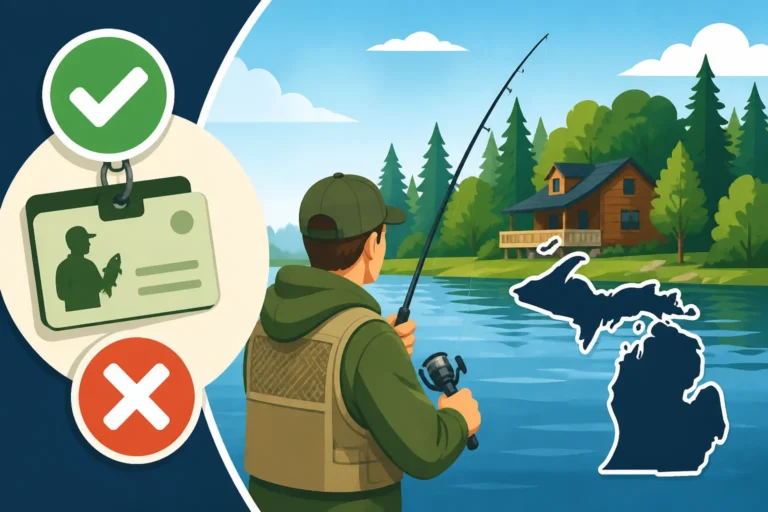
Michigan fishing license exemptions apply only when private ponds and landlocked lakes lack any connection to public waters.
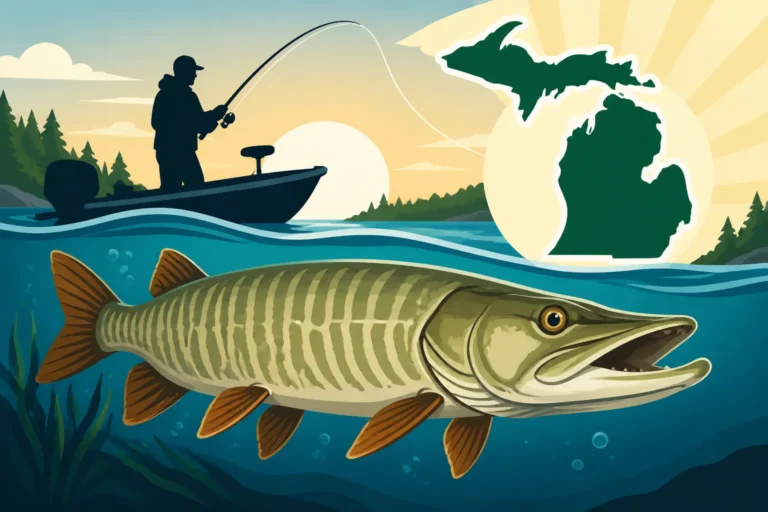
Lake Hudson muskellunge regulations require anglers to release any fish measuring under fifty inches, exceeding statewide standards.
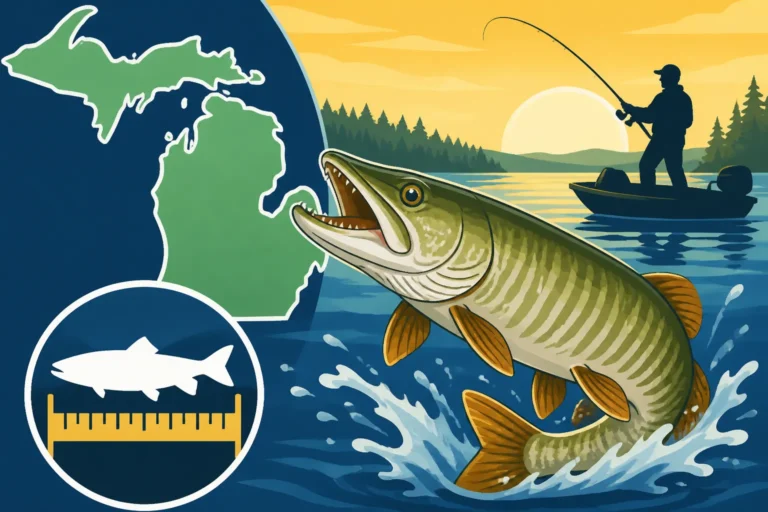
Thornapple Lake muskellunge regulations require anglers in Barry and Calhoun counties to release any fish under fifty inches.
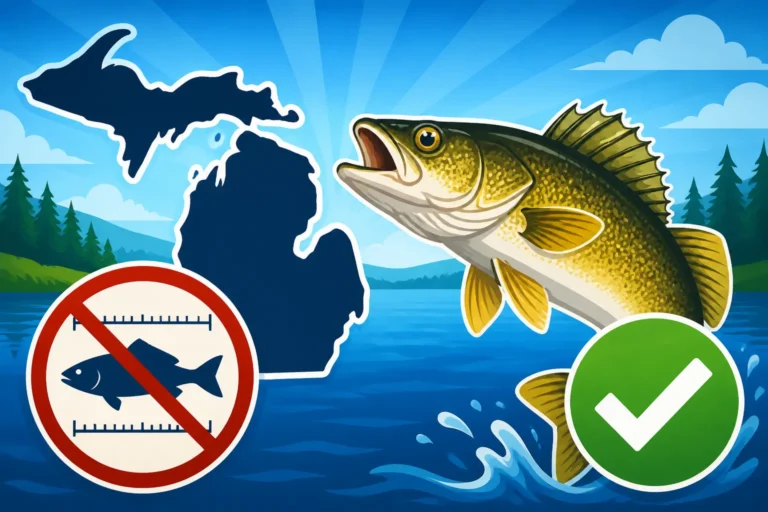
Michigan walleye size limit exceptions and special lake regulations help anglers identify specific waters with unique fishing rules.
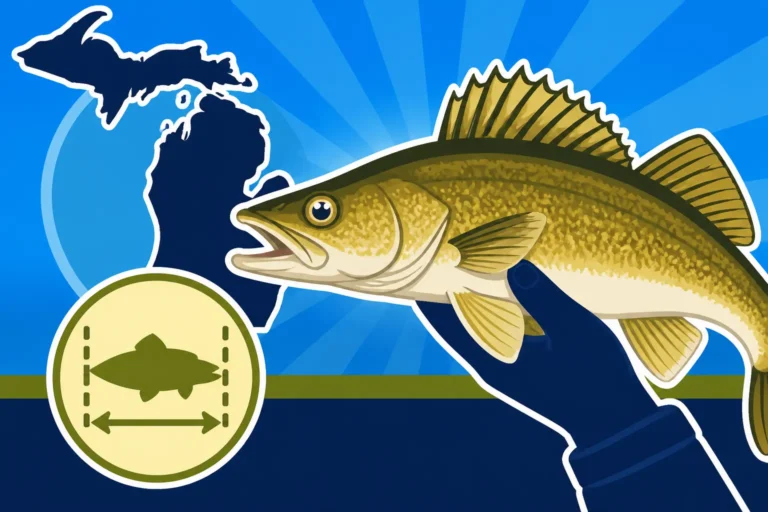
Michigan walleye regulations require a fifteen-inch minimum size limit across most state waters to protect fish populations.
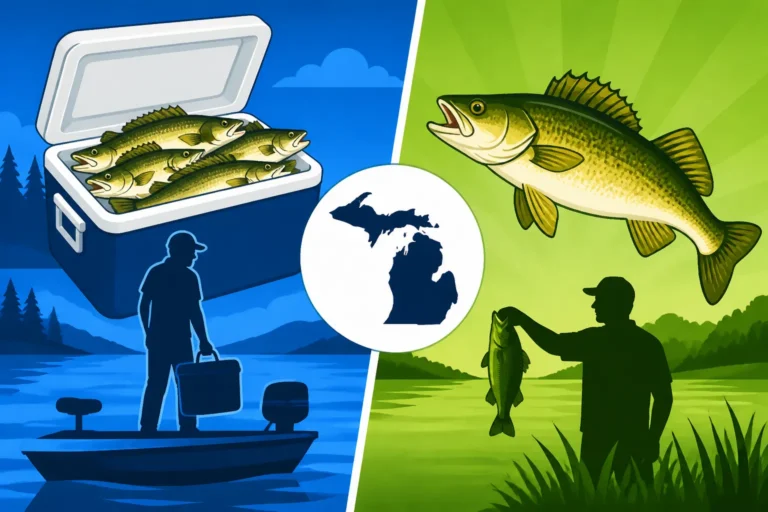
Michigan fishing regulations for daily limits and possession limits explained, detailing calendar days from midnight to midnight to avoid fines.
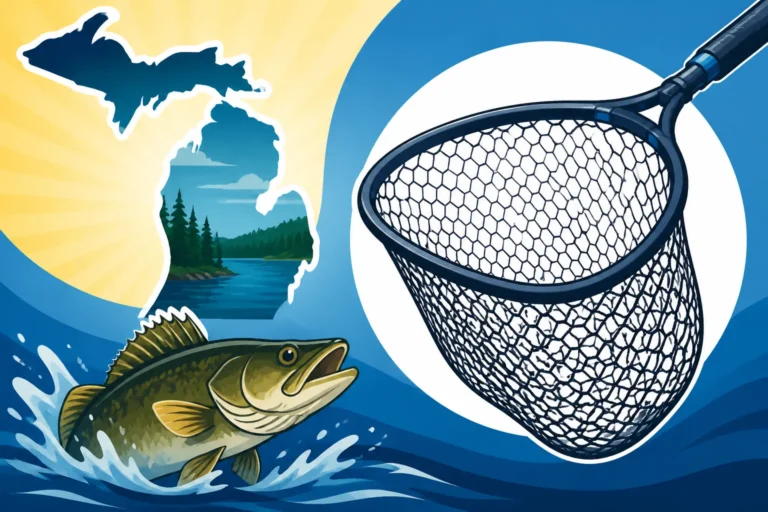
Michigan fishing regulations dictate legal landing net sizes and mesh dimensions to protect fish populations and prevent overharvesting.
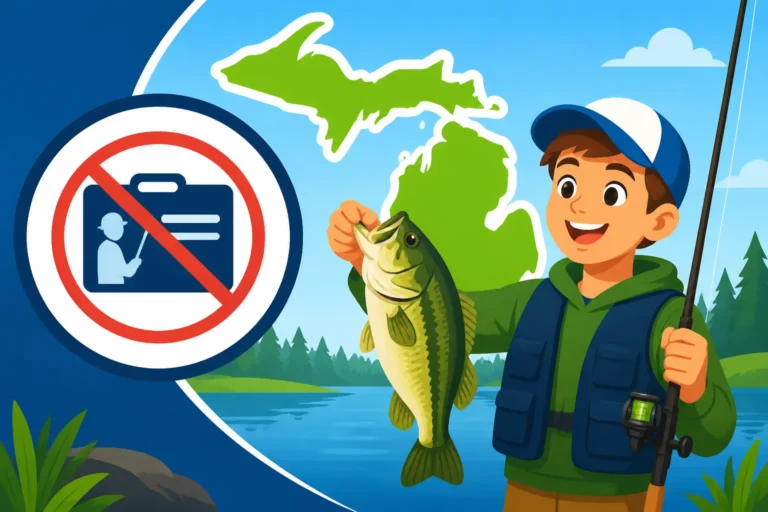
Michigan fishing regulations allow residents and nonresidents aged sixteen and younger to fish without purchasing a license.
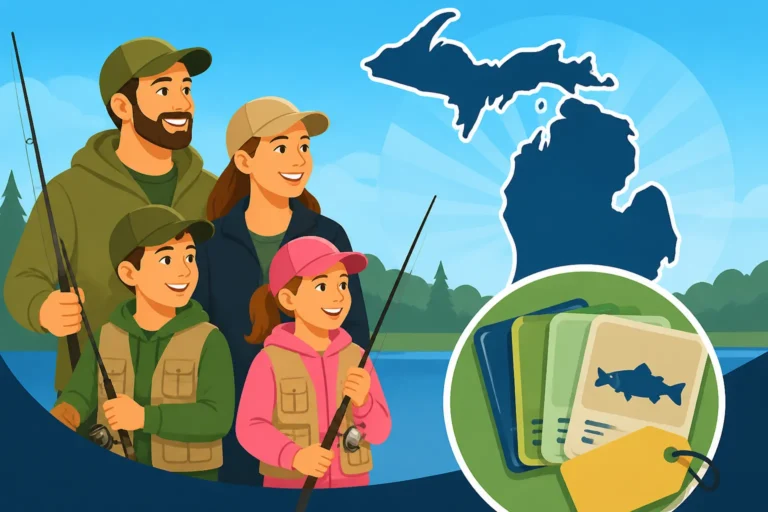
Michigan fishing license costs for a family of four depend on residency and adult ages, while children under 17 fish free.
Michigan fishing license price changes for 2026 fund conservation efforts, hatchery operations, and inflation costs across the state.