Is Michigan Trout Season Open Year-Round on the Great Lakes?
It’s a common question that trips up even experienced anglers, and honestly, the rules in Michigan can feel a bit like trying to untangle a really stubborn fishing knot. Many folks wonder if the Michigan trout season on the Great Lakes is truly open all year round, especially when they know that inland waters have much stricter, often shorter, seasons. The confusion is completely understandable! This guide will clear up that mystery, detailing the nuances of trout fishing regulations on Michigan’s majestic Great Lakes and contrasting them with the rules for inland rivers and streams, ensuring you're always fishing within the law.
The Great Lakes Distinction: A Year-Round Trout and Salmon Fishery
One of the most exciting things about fishing in Michigan, especially if you love trout and salmon, is the incredible opportunity presented by our Great Lakes. Unlike many of the smaller, more sensitive inland streams and rivers, the vastness and unique ecological characteristics of Lakes Michigan, Huron, Superior, and even Erie (for some species) allow for a much more extended fishing season for certain species. For trout and salmon species in these magnificent bodies of water, the answer to the year-round question is a resounding yes, for most of them.
This year-round access applies specifically to the main basins of the Great Lakes and their connecting waters (think the Straits of Mackinac or the larger river mouths directly influencing the lakes, where special rules might apply). Species like Lake Trout, Brown Trout, Steelhead (which are migratory Rainbow Trout), and various salmon species (Chinook and Coho) are generally fair game throughout the calendar year. This is a huge advantage for anglers, meaning that even in the dead of winter, if the conditions are right, you can be out on the ice or in a boat, targeting these fantastic game fish. However, while the season might be open, daily bag and size limits still apply, and it's always critical to consult the latest Michigan Fishing Regulations Every Angler Should Know to avoid any surprises.
This continuous season is a testament to the robust populations and sustainable management practices in place for these big lake fisheries. The sheer volume of water and the diverse forage base allow these fish to thrive, providing ample angling opportunities when many other fisheries are closed or less productive. Whether you're trolling offshore for trophy Chinook salmon in the summer or targeting Steelhead close to river mouths in the winter, the Great Lakes offer an adventure for every season.
Inland Waters vs. Great Lakes: Understanding the Crucial Difference
Here’s where the confusion often sets in, and it's a critical distinction to grasp: the rules for trout fishing on Michigan's inland waters are significantly different from those on the Great Lakes. While you might be able to chase a Lake Trout on Lake Superior in January, you absolutely cannot just cast a line into your favorite stream for a Brook Trout during the same month without potentially breaking the law.
Michigan’s inland trout streams and rivers, especially those designated as "Trout Streams" or "Type 1, 2, or 3" waters, have very specific opening and closing dates. Typically, the general trout season for most inland waters in the Lower Peninsula will open on the last Saturday of April and close on September 30th. There are, of course, exceptions, special regulations, and specific stretches of river that might be open year-round for catch-and-release or artificial lures only, but these are specified in the regulations. These seasonal closures are primarily designed to protect trout during their crucial spawning periods and to manage fishing pressure on more sensitive, smaller populations. For a deeper dive into these specifics, it’s worth reading about When Does Trout Season Open on Inland Michigan Waters.
Think of it this way: the Great Lakes are massive, dynamic ecosystems that can support year-round fishing pressure on their larger, more migratory trout and salmon populations. Inland streams, on the other hand, are often more delicate, with smaller, resident populations of Brook, Brown, and Rainbow Trout that are more susceptible to overfishing and habitat disturbance, especially during vulnerable times like spawning. The Michigan Department of Natural Resources (DNR) carefully crafts these rules to ensure the long-term health of both types of fisheries. If you're planning a trip to an inland spot, checking the Michigan Fishing Season Dates and Rules will be your best friend, as ignoring these can lead to fines and penalties.
Species-Specific Nuances and Seasonal Strategies on the Great Lakes
While the Great Lakes offer year-round trout and salmon fishing, understanding the nuances for each species and how their behavior changes with the seasons can dramatically improve your success. It's not just about knowing the season is open; it's about knowing how to fish for them throughout the year.
Lake Trout and Splake
Lake Trout, the true natives of our deep, cold Great Lakes, are available year-round. In spring and fall, they can often be found shallower, especially around rocky structures or humps, making them accessible to various techniques. During the peak of summer, they tend to retreat to the colder, deeper thermocline, requiring specialized gear like downriggers for effective trolling. Splake, a hybrid of Lake Trout and Brook Trout, are often stocked in certain Great Lakes bays and some deeper inland lakes, and typically follow similar patterns to Lake Trout in terms of seasonal availability, although their habits might be a bit more varied. Their size and bag limits are typically grouped with Lake Trout, so always double-check the Michigan Bag and Size Limits Explained.
Steelhead and Brown Trout
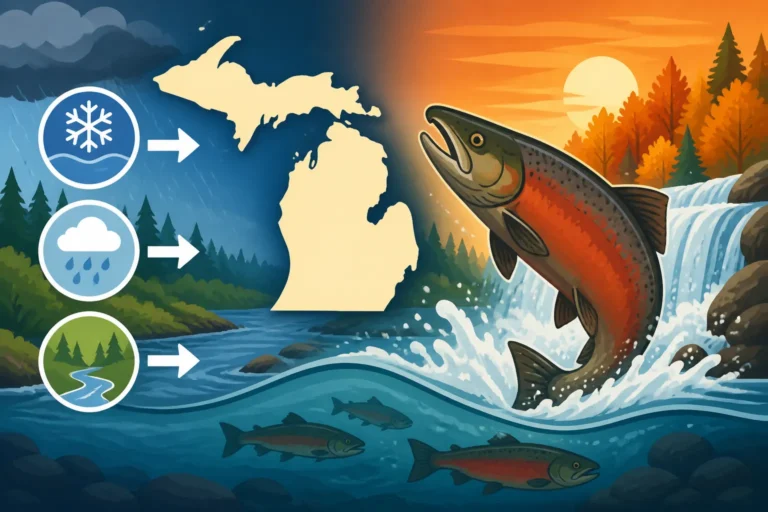
Steelhead, those incredible migratory Rainbow Trout, spend most of their lives in the Great Lakes but make their iconic spawning runs into tributary rivers in the fall, winter, and spring. While you can catch them in the Great Lakes year-round, targeting them in the rivers during these runs is a distinct and highly popular fishery. Similarly, Brown Trout can be found in the Great Lakes year-round, often patrolling nearshore structures, river mouths, or harbor areas. In the fall, they too will often stage near or enter tributaries for spawning, providing exciting opportunities for shore anglers. The Steelhead Life Cycle in Michigan Rivers is a fascinating read if you want to understand their seasonal movements better.
Chinook and Coho Salmon
Salmon species like Chinook and Coho are primarily targeted in the Great Lakes from spring through fall, though they are technically available year-round. Their life cycles are tied to their spawning runs, which typically peak in late summer and fall as they stage near and then enter their natal rivers. During the main lake season, trolling is the most common and effective method for these powerful fish. The Michigan's Combined Trout and Salmon Daily Limit is particularly important when targeting these species, as different salmonids contribute to the same overall possession limit.
Here's a quick comparison of general trout season rules:
| Category | Great Lakes Trout & Salmon (Main Basin) | Inland Trout Streams & Rivers |
|---|---|---|
| Season Duration | Generally Year-Round | Seasonally Closed (Typically Oct 1 – Apr 24) |
| Primary Species | Lake Trout, Steelhead, Brown Trout, Chinook/Coho Salmon | Brook Trout, Brown Trout, Rainbow Trout (resident) |
| Management Focus | Sustainable harvest of large, migratory populations | Protection of smaller, resident, often wild populations, especially during spawning |
| Tackle Restrictions | Generally fewer, but specific rules may apply in connecting waters | Often more restrictive (e.g., artificial lures only, single hook rules) |
| Typical Location | Open waters, nearshore, deep water | Smaller streams, rivers, designated trout lakes |
Essential Gear and Preparation for Year-Round Great Lakes Trout
Being prepared for year-round Great Lakes trout fishing means having the right gear, and crucially, staying informed about the ever-changing conditions and regulations. The sheer size of the Great Lakes means weather can change in an instant, and what works in July won't necessarily work in February.
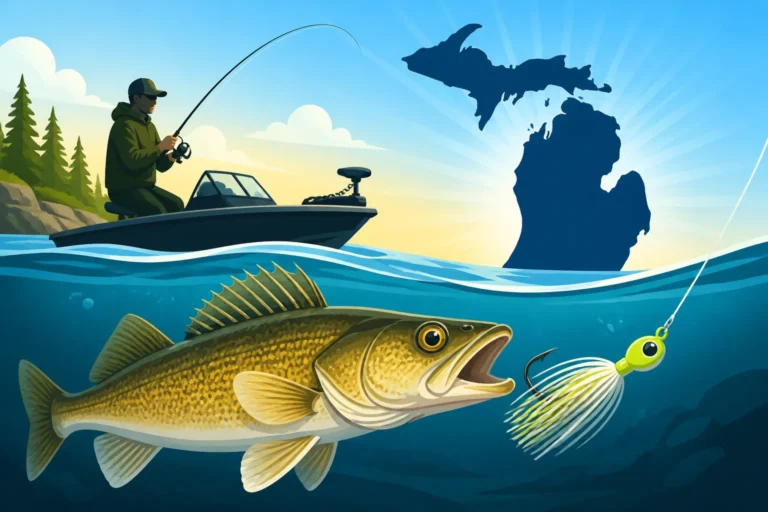
For spring, summer, and fall, a good setup for boat fishing often includes medium-heavy trolling rods, appropriate reels spooled with strong braided or monofilament line, and a variety of lures, from spoons to crankbaits. If you're serious about trolling for salmon and trout, you'll want to invest in downriggers to get your baits to the right depth. Many anglers find themselves browsing through options on Amazon for durable rods or a variety of trolling spoons from brands like Dreamweaver or Michigan Stinger, which are popular on the Great Lakes. Shore anglers or pier fishermen will need versatile spinning rods capable of casting heavier spoons, crankbaits, or even float-fishing rigs, especially during migratory runs near river mouths or harbors.
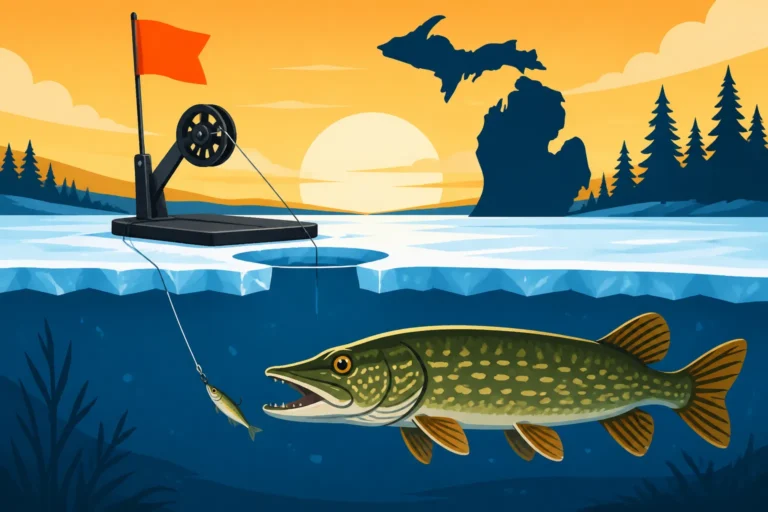
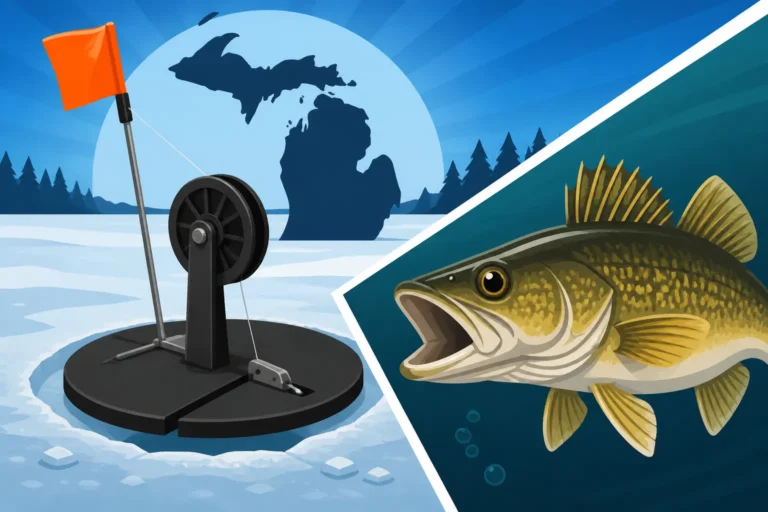
When winter rolls around, and ice forms on shallower bays or nearshore areas of the Great Lakes, the game changes dramatically. Ice fishing for Lake Trout, Brown Trout, and even Steelhead in protected harbors or bays can be phenomenal. This requires specialized Michigan Ice Fishing Guide gear: an ice auger, warm clothing, an ice shelter, tip-ups, and short jigging rods. Again, retailers like Amazon are excellent for picking up essential items like line, lures, or even new waders from trusted brands before you head out. Even a basic waterproof fishing jacket or a good pair of polarized sunglasses, easily found on Amazon, can make a huge difference in comfort and success on the vast, exposed Great Lakes.
Finally, and this can't be stressed enough: always check the current regulations before you go. The Michigan DNR updates its fishing guide annually, and sometimes specific rules or exceptions are added or changed. You can usually find the latest version as a Michigan Fishing Regulations Digest PDF for 2026 on the DNR website, or access it directly through the Michigan's DNR Hunt Fish App for Licenses and Reporting on your smartphone. These resources are invaluable for confirming bag limits, size restrictions, and any localized rules that might apply to the specific Great Lakes waters you plan to fish. Staying informed is just as important as having the right gear, ensuring your year-round Great Lakes trout adventure is both successful and legal.
Disclaimer
The information provided in this guide is for general informational purposes only and is subject to change. Fishing regulations in Michigan are updated annually and may have specific exceptions based on location or species. Always consult the most current Michigan Department of Natural Resources (DNR) fishing guide or website before engaging in any fishing activity.