Does the Great Lakes Trout Season Stay Open All Winter?
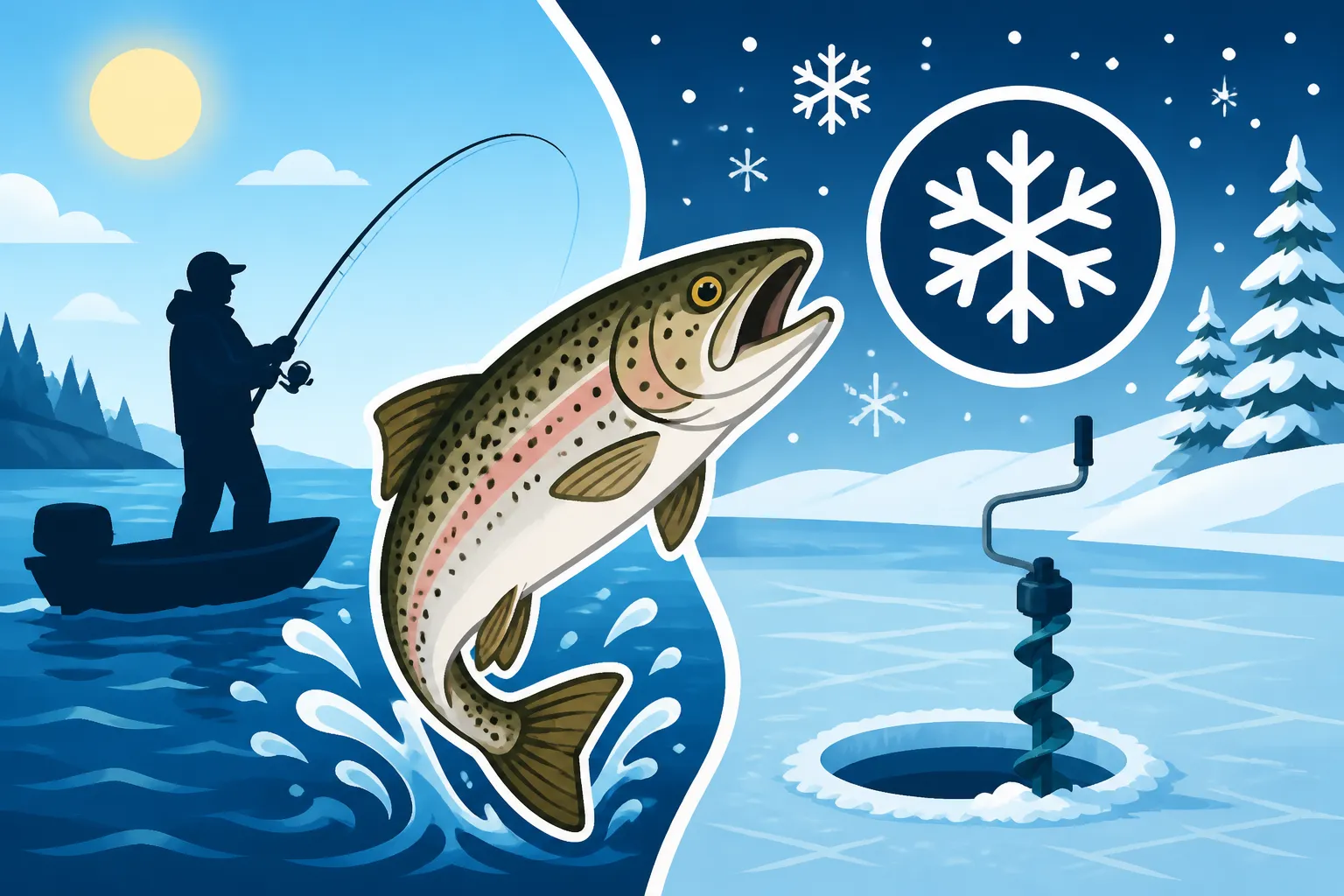
It’s a common misconception, especially for those of us used to the strict opening and closing dates of inland waters, that all fishing seasons in Michigan shut down once winter truly bites. Many anglers assume that once the ice forms, the opportunity to chase prized trout on the Great Lakes vanishes until spring. The truth, however, is far more exciting for the dedicated cold-weather angler: Michigan's Great Lakes trout season, unlike many of its inland counterparts, remains open and vibrant throughout the entire winter, offering unique and often incredibly rewarding opportunities for those willing to brave the elements.
Understanding Michigan's Great Lakes Trout Season
The thought of an "off-season" for trout on the vast waters of Lake Michigan, Lake Huron, and Lake Superior simply doesn't apply. This year-round access is a true gift for anglers, providing opportunities that shift with the seasons but never truly cease.
The Year-Round Advantage
When we talk about trout fishing in Michigan, it’s crucial to distinguish between inland waters and the Great Lakes. Many smaller lakes and rivers have specific opening and closing dates for trout, often dictated by spawning cycles and conservation efforts. You’ll find precise dates for the "trout opener" on numerous streams across the state. However, the sheer size, depth, and unique ecosystems of the Great Lakes — Michigan, Huron, and Superior, along with their connecting waters like the St. Marys River, St. Clair River, and Detroit River — allow for a continuous fishing season for trout and salmon species. This means that even when inland lakes are locked under a foot of ice, and river banks are frozen solid, the pursuit of these majestic fish on the Great Lakes continues. It's a fantastic advantage for anglers who don't want to hang up their rods for months on end.
This continuous season isn't just a loophole; it's a deliberate management decision recognizing the migratory patterns and robust populations of these fish in the larger bodies of water. For a seasoned angler, it means rethinking your approach to winter fishing. Instead of focusing solely on traditional ice fishing for panfish or walleye on smaller lakes, the Great Lakes present a dynamic winter fishery for hard-fighting trout and salmon. It opens up avenues for both hard-water tactics on protected bays and open-water opportunities along break walls or river mouths where currents keep the water from freezing.
Key Species Included in the Year-Round Season
So, which specific finned fighters can you target throughout the Michigan winter on the Great Lakes? The list is impressive and offers a diverse challenge for any angler. The primary targets are undoubtedly Lake Trout, the native giants of these deep waters, which remain active and often accessible through the ice in certain areas. These cold-water powerhouses are built for the depths and are surprisingly responsive to winter tactics.
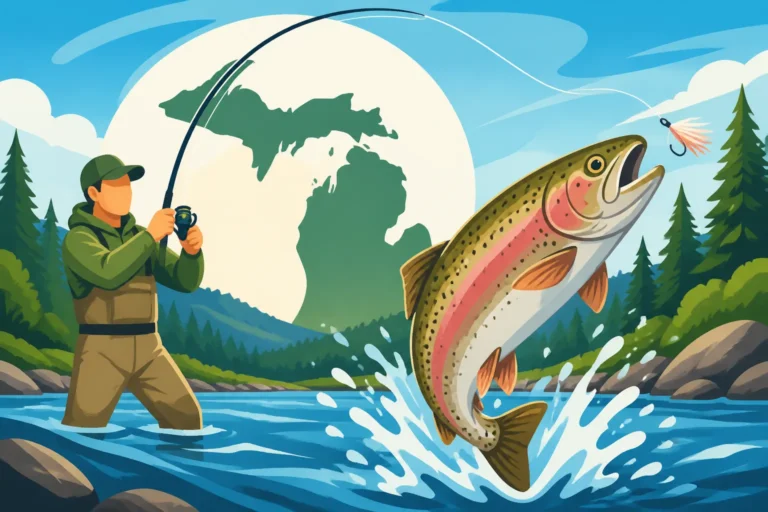
Beyond the Lake Trout, you'll also find Steelhead (which are anadromous rainbow trout) staging in river mouths or cruising near shorelines, especially as winter deepens and then begins to hint at spring. These chrome beauties are renowned for their acrobatic fights and can be found in surprising numbers. Brown Trout, another popular Great Lakes species, often hug the nearshore structure and shallow areas, providing excellent opportunities for both open water and, in some rare instances, ice fishing in protected bays. Don't forget Splake, a hybrid of brook trout and lake trout, which are stocked in various Great Lakes harbors and can be fantastic winter targets, growing to impressive sizes. Even Atlantic Salmon, particularly in Lake Huron, can be found year-round, offering an exciting and unique challenge for those willing to brave the cold. Understanding the habits of these various Michigan Trout Species Explained will significantly increase your winter success.
Navigating Winter Trout Fishing Opportunities
Just because the season is open doesn't mean it's easy. Winter Great Lakes trout fishing requires specific knowledge, tactics, and a healthy respect for the elements. The opportunities shift from widespread open water to more concentrated areas as ice cover develops.
Ice Fishing on Great Lakes Bays and Harbors
When the temperatures plummet, and stable ice forms, some protected bays and harbors of the Great Lakes become prime ice fishing grounds for trout and salmon. Think of places like Traverse Bay on Lake Michigan, parts of Saginaw Bay on Lake Huron, or various sheltered coves along Lake Superior's massive shoreline. These areas offer a relatively safer environment for ice anglers compared to the vast, unpredictable open waters. Anglers can target a variety of species, from robust Lake Trout lurking in deeper pockets to Splake and Brown Trout cruising closer to structure. While techniques for "Ice Fishing Techniques for Michigan Walleye" or "Ice Fishing Techniques for Perch" are often discussed, many of the same jigging and tip-up principles can be adapted for trout, just with larger baits and stronger tackle.
For successful ice fishing, you’ll want to equip yourself with heavier jigging rods, robust reels, and stout lines capable of handling strong runs in deep water. Vertical jigging spoons, Rapala Jigging Raps, or large Swedish Pimples tipped with minnow heads are popular choices. Tip-ups set with live or dead smelt, sucker minnows, or even cut bait can also be incredibly effective for enticing a bite from a cruising laker or a hungry brown trout. Remember, ice safety is paramount on these larger bodies of water; always check local conditions, never venture out alone, and have appropriate safety gear. It's worth checking out guides on the Best Ice Fishing Lakes in Michigan to get an idea of where reliable ice forms.
Open Water River Mouths and Tributaries
Even in the dead of winter, Michigan's Great Lakes system offers crucial open-water access points: the mouths of major rivers and tributaries. Rivers like the Manistee, Muskegon, Au Sable, or St. Joseph, when they meet the Great Lakes, often have warmer water discharges or strong currents that prevent complete freezing, creating fishable pockets throughout the winter. These areas are magnets for Steelhead, which may stage or even run upriver during mild winter thaws. Brown Trout also frequent these zones, ambushing baitfish that congregate in the slightly warmer, open water. The "Michigan Steelhead Run Timing" can often extend into the colder months, offering fantastic opportunities for dedicated anglers.
Fishing these river mouths can involve various techniques. Float fishing with spawn bags, beads (ensure they are compliant with "What Counts as an Artificial Lure Under Michigan's Trout Rules"), or small jigs is highly effective for Steelhead. Drift fishing with small crankbaits or natural bait can also entice a strike from a holding Brown Trout. In deeper, slower sections, you might even find success with casting larger spoons or stickbaits. It's a dynamic fishery that changes daily with water levels and temperatures, demanding adaptability from the angler. These spots are also often accessible from shore, making them popular for anglers without boats.
Shore and Pier Fishing Strategies
Don't have a boat or want to brave the ice? Many public piers, breakwalls, and accessible shorelines along the Great Lakes offer year-round opportunities for winter trout fishing. While conditions can be challenging with wind, cold, and spray, persistent anglers can be handsomely rewarded. During periods of mild weather, or immediately following significant thaws, Lake Michigan piers are particularly known for producing Steelhead and Brown Trout. These fish often cruise close to shore, following baitfish or seeking slightly warmer water near structures.
For shore and pier fishing, casting distance is often key. Long, powerful spinning rods paired with strong braided line are essential for launching spoons like Little Cleos, Dardevles, or Krocodiles, as well as various stickbaits. The retrieve should often be slow and methodical, mimicking a stunned or injured baitfish. Some anglers also use slip bobber setups to suspend natural baits like minnows or spawn bags just off the bottom near pier pilings. Always dress in layers, wear waterproof outerwear, and remember that safety is paramount on icy or slippery piers. For more general insights into angling these vast waters, check out "Michigan's Great Lakes Fishing Guide".
Essential Gear and Regulations for Winter Great Lakes Trout
Successfully tackling Michigan's Great Lakes in winter isn't just about knowing where the fish are; it's also about having the right equipment and understanding the specific rules that apply.
Must-Have Winter Fishing Gear
Winter fishing on the Great Lakes demands serious preparation when it comes to gear. Forget your lightweight summer setup; you need robust equipment designed for cold, often icy, and powerful fish. First and foremost, a proper ice fishing outfit is crucial if you plan to venture onto the hard water. This includes a reliable ice auger – whether it's a hand auger, a powerful gas model, or a quiet electric one – capable of boring through thick ice. A portable ice shelter, like those from popular brands found on Amazon, can make a monumental difference, providing shelter from biting winds and often equipped with a small heater for comfort. Appropriate "Best Ice Fishing Rods for Cold-Weather Anglers" are shorter and stiffer, designed for vertical jigging, while "Best Rods and Reels for Michigan Fishing" for open water will be longer and more sensitive.
Beyond the specialized ice gear, fundamental winter clothing is non-negotiable. Layering is key: start with moisture-wicking base layers, add insulating mid-layers like fleece or down, and top it off with a waterproof and windproof outer shell. Insulated boots, warm gloves or mittens (with fingerless options for dexterity), and a good hat are critical. For open water fishing from shore or a pier, a sturdy pair of waders, often insulated, can be a game-changer, allowing you to venture slightly into the cold water to improve your casting angle or retrieve a snagged lure. Don't forget a reliable headlamp for early morning starts or late evening finishes, and a quality cooler to keep your catch fresh. You can find a wide range of "Essential Gear for Michigan Steelhead Fishing" on platforms like Amazon, ensuring you're prepared for any winter challenge.
Crucial Regulations to Remember
While the Great Lakes trout season is indeed open year-round, that doesn't mean it's a free-for-all. Michigan's fishing regulations are extensive and species-specific, and they apply just as rigorously in winter as they do in summer. The first and most critical requirement is a valid Michigan fishing license. Whether you're a resident or a nonresident, you'll need one, and it's essential to understand the different types available, as covered in the "Michigan Fishing License Guide for Residents and Nonresidents". Make sure your license is current for the fishing year, which typically runs from April 1st to March 31st.
Beyond the license, you must pay close attention to the specific bag and size limits for each species you target. For instance, Lake Trout often have specific size windows and daily limits that can vary by Great Lake or even within different sections of the same lake. Steelhead and Brown Trout also have their own regulations. It's not uncommon for these rules to be updated, so always consult the latest "Michigan Fishing Regulations Every Angler Should Know" digest from the Michigan Department of Natural Resources (DNR) before heading out. This digest, available online and at license dealers, is your definitive source for legal requirements. Ignoring these rules, even unknowingly, can lead to significant fines and penalties. Remember, even if you are out on a charter boat, the captain can advise, but ultimately, you are responsible for knowing and adhering to all "Michigan Boating Laws for Anglers" and fishing regulations.
Disclaimer
Please note that fishing conditions, regulations, and ice safety can change rapidly. Always consult the latest Michigan Department of Natural Resources (DNR) regulations and local advisories before engaging in any fishing activities. Ensure you have the proper safety equipment, especially when ice fishing or navigating cold, open water.