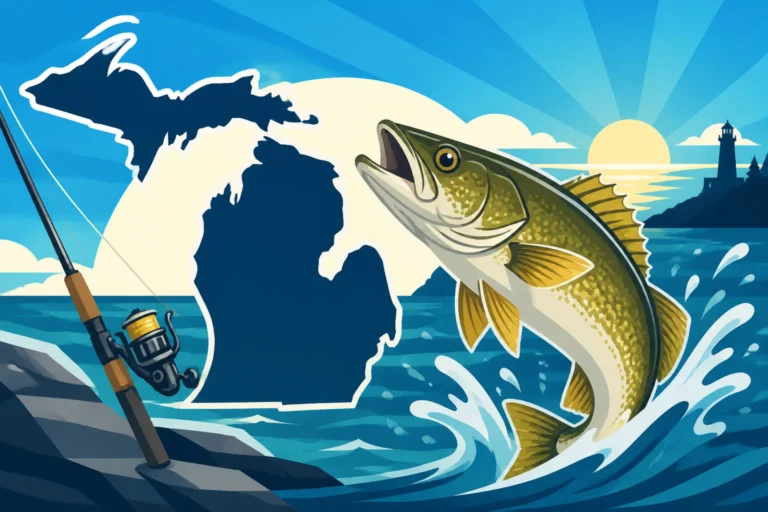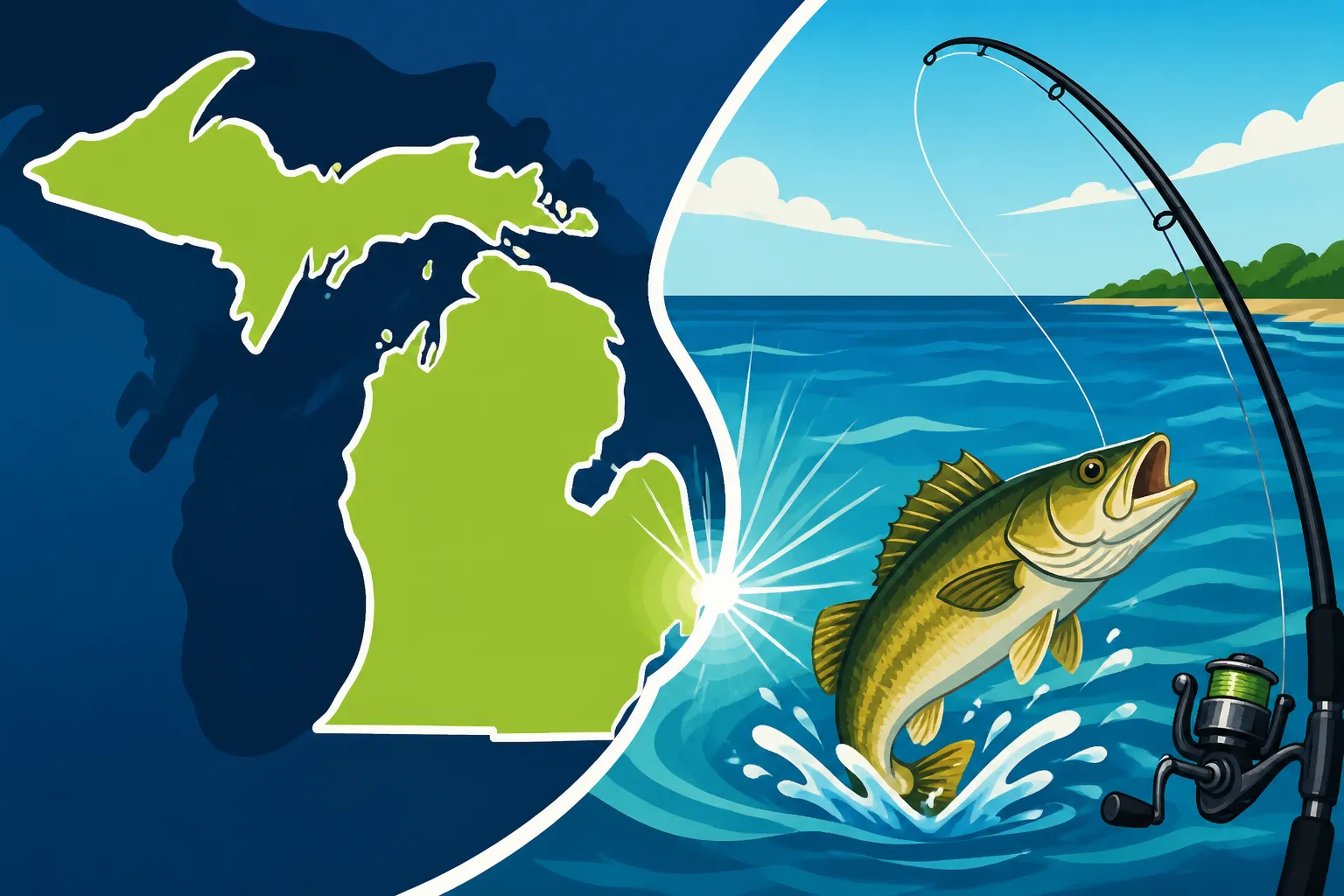
Does Michigan Touch Lake Erie for Fishing?
Many anglers, even those who've lived in the state for years, often wonder about Michigan's connection to Lake Erie. Given Michigan's vast shoreline on the other Great Lakes, it's a common misconception that our state only touches Huron, Michigan, and Superior. This guide will definitively answer if Michigan truly touches Lake Erie for fishing and, more importantly, dive deep into the incredible fishing opportunities that await in these often-underappreciated waters.
Michigan's Great Lakes Connection
Michigan boasts the longest freshwater coastline of any state, a truly impressive feat when you consider our geography. We are practically surrounded by these magnificent bodies of water, which shape our climate, culture, and, of course, our world-class fishing. However, for many, the focus tends to be on the "big three" – Lakes Michigan, Huron, and Superior – sometimes leaving Lake Erie as a bit of an afterthought.
The Great Lakes Overview and Michigan's Unique Geography
Our state is undeniably defined by the Great Lakes. From the rugged shores of Lake Superior in the Upper Peninsula to the sprawling coastlines of Lake Michigan on our western flank and Lake Huron to our east, the sheer scale of these freshwater seas is breathtaking. These lakes are not just immense; they are ecological powerhouses, supporting diverse ecosystems and some of the finest fishing experiences in North America. When people think of fishing in Michigan, their minds often drift to the prime salmon runs on the Manistee River or the vast walleye fisheries of Saginaw Bay. Yet, tucked away in the southeastern corner of the Lower Peninsula, a crucial part of our Great Lakes heritage sometimes gets a little less fanfare, despite its incredible offerings.
Lake Erie's Southeastern Embrace
Yes, Michigan absolutely touches Lake Erie! If you look at a map, you'll see a significant portion of Michigan's southeastern Lower Peninsula borders the western basin of Lake Erie. The Michigan coastline runs roughly from the Ohio state line, north through Monroe and Wayne counties, including the bustling metropolis of Detroit, and then slightly into St. Clair County via the Detroit River connecting to Lake St. Clair, which then connects to Lake Huron. This western basin of Lake Erie is relatively shallow and fertile, a stark contrast to some of the deeper, colder waters of the other Great Lakes. This unique geography creates a perfect environment for certain fish species to thrive, making it a hotspot for anglers in the know. Many charter captains, often found on platforms like FishingBooker, operate out of Michigan ports to tap into this rich fishery.
Why Lake Erie is Often Overlooked by Michiganders
It's genuinely fascinating why Lake Erie sometimes slips under the radar for Michigan anglers. Perhaps it's because the population centers closest to Lake Erie, like Detroit and Monroe, are often associated more with industry and shipping than with serene fishing excursions. Or maybe it's the sheer magnetic pull of Lake Michigan's salmon and steelhead, or the seemingly endless walleye opportunities in Lake Huron's Saginaw Bay. Whatever the reason, this oversight means that many local anglers might be missing out on some truly phenomenal fishing right in their backyard. The perception might be that you need to head north to find pristine fishing, but Lake Erie offers a different, equally rewarding experience, especially for those targeting specific species. This is particularly true if you're exploring for Best Walleye Lakes in Michigan's Lower Peninsula, as Lake Erie often gets unfairly excluded from that conversation by those unfamiliar with its potential.
Prime Fishing Opportunities in Michigan's Lake Erie Waters
Michigan's slice of Lake Erie, particularly its western basin, is a freshwater angler's dream, largely due to its incredible productivity. This area is a rich buffet for fish, thanks to its shallower depths and warmer temperatures compared to the other Great Lakes. It's a fantastic place to cast a line, regardless of your experience level, with opportunities that appeal to everyone from novice bank anglers to seasoned charter enthusiasts.
Walleye Capital of the World
When it comes to walleye, Michigan's Lake Erie waters are second to none. The western basin is consistently hailed as the "Walleye Capital of the World," and for good reason. The sheer numbers of walleye here are staggering, making it a prime destination for anglers seeking these delicious game fish. During the spring, as water temperatures rise, walleye move into the shallower areas to spawn, creating incredible fishing action. Boats will be trolling in massive fleets, often using planer boards to cover wide swaths of water. During the summer months, they'll spread out, but remain plentiful, often found near reef structures or along current breaks. Fall brings another surge of activity as walleye aggressively feed in preparation for winter. If you're looking for a comprehensive guide, check out our piece on Michigan Walleye Fishing Techniques.
Perch and Smallmouth Bass Abundance
While walleye often steal the spotlight, Lake Erie's Michigan waters offer a wealth of other exciting species. Yellow perch, known for their delectable taste, are incredibly abundant. Anglers can fill coolers with these feisty panfish, especially during the spring and fall. They're often found in schools, making for fast-paced action once you locate them. Similarly, smallmouth bass thrive in Lake Erie's rocky areas and shallow structures. These hard-fighting fish provide thrilling battles on light tackle and are a favorite target for many bass enthusiasts. You'll find them hitting a variety of lures, from crankbaits to soft plastics, particularly during the warmer months. For those interested in targeting them, information on Yellow Perch Fishing in Michigan can be very helpful, although it may not specifically focus on Lake Erie, the principles often apply.
Seasonal Highlights
Understanding the seasonal ebb and flow is key to maximizing your success on Lake Erie. Spring, typically from April through May, is prime time for spawning walleye, with immense numbers moving into shallow waters. This is also excellent for perch. Summer, from June to August, sees walleye spread out but still actively feeding, often moving to deeper areas during the heat of the day. Smallmouth bass action heats up considerably during this period as well. Fall, from September into November, brings another fantastic walleye bite as they pack on weight for winter, and perch fishing remains strong. Even winter offers opportunities for those hardy ice anglers, though ice conditions can be variable on the vast, shallow western basin. For more general timing, our guide on Michigan Fishing Seasons Explained offers a broader context.
Accessing Michigan's Lake Erie Fishery
Getting onto Michigan's Lake Erie waters is relatively straightforward, with numerous public access points catering to various types of anglers. Whether you prefer the comfort of a large charter boat, the independence of your own vessel, or simply casting a line from shore, there are ample opportunities to experience this productive fishery.
Key Ports and Boat Launches
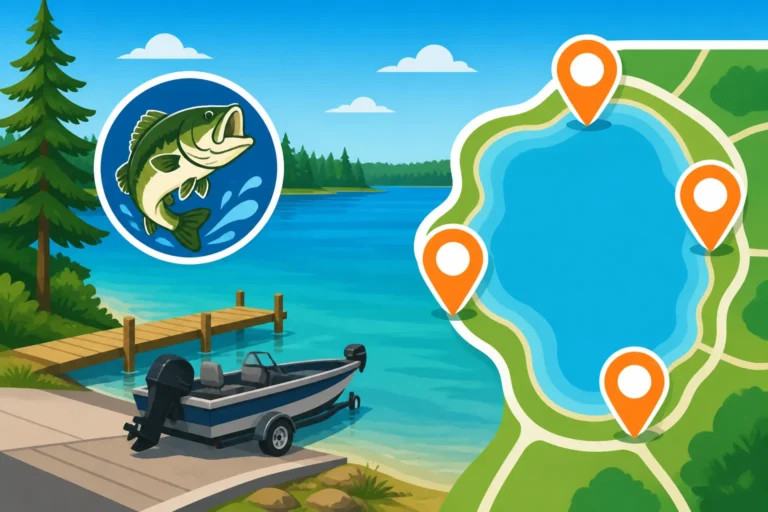
For those with their own boats, Michigan's Lake Erie coastline is dotted with excellent public boat launches and marinas. Sterling State Park in Monroe is a particularly popular spot, offering multiple ramps and ample parking. It’s a fantastic staging ground for accessing the productive walleye waters of the western basin. Bolles Harbor, also in Monroe, is another well-known access point with facilities for larger vessels. Further north, the Detroit River acts as a critical pathway, and launches within the Detroit metropolitan area, such as those near the Ambassador Bridge or downriver in places like Wyandotte and Trenton, provide access to both the river and, subsequently, Lake Erie. Before heading out, always ensure your vessel meets Michigan's requirements, which you can learn more about in our guide on Michigan Boat Registration Requirements. Many anglers find themselves booking trips through services like FishingBooker to experience these waters without the hassle of bringing their own boat.
Shore Fishing and Pier Access
You don't necessarily need a boat to enjoy Lake Erie fishing from Michigan. There are several spots where shore anglers can find success. Sterling State Park, for instance, offers shore access along its extensive coastline and occasionally from its jetties, particularly for perch and smaller panfish. The mouth of the Detroit River, especially on the Michigan side, can also yield surprising results, with anglers targeting everything from walleye to northern pike and even muskie depending on the season and location. While not as prevalent as the deep-water Great Lakes piers, these areas offer accessible fishing for those without boat access. It’s always a good idea to check local regulations specific to these areas, as they can sometimes differ from general statewide rules.
Charter Fishing for Lake Erie's Bounty
For many, especially those visiting or new to the area, charter fishing is the ideal way to experience Lake Erie's prolific fishing grounds. Michigan boasts a dedicated fleet of experienced charter captains who specialize in targeting walleye, perch, and smallmouth bass on Lake Erie. These captains not only provide all the necessary gear but also possess invaluable local knowledge about where the fish are biting, what baits they prefer, and the most effective techniques. Booking a trip through a reputable service like FishingBooker connects you directly with these professionals, ensuring a safe and productive day on the water. A charter trip can be an excellent way to learn the ropes, understand the local nuances, and increase your chances of a successful catch, all while enjoying the scenic beauty of Michigan's Lake Erie shoreline.
Navigating Regulations and Best Practices on Lake Erie
Fishing in Lake Erie, like any of Michigan's incredible waterways, requires anglers to be mindful of regulations and employ best practices. These rules are in place not just to ensure sustainable fishing for generations to come but also to maintain safety on the water. While much of the Great Lakes fishing follows similar guidelines, there are always nuances depending on the specific body of water and species you're targeting.
Michigan Fishing Regulations
Even though Lake Erie is an interstate and international body of water, when you're fishing in Michigan's designated waters, you must adhere to Michigan's specific fishing regulations. This includes possessing a valid Michigan Fishing License Guide for Residents and Nonresidents, respecting daily bag limits, and understanding minimum size requirements for various species. For walleye, for example, there's typically a specific daily possession limit, and often a minimum size limit to protect juvenile fish. Yellow perch also have their own bag limits, which can be quite generous given their abundance. It's crucial to consult the Michigan Department of Natural Resources (DNR) "Michigan Fishing Regulations Digest" annually, as rules can occasionally change. Being informed about Michigan Fishing Regulations Every Angler Should Know is your first step to a responsible and legal fishing trip. Always double-check any special regulations for specific areas like the Detroit River or specific bay zones that connect to Lake Erie.
Essential Gear and Techniques
Successful fishing on Michigan's Lake Erie waters often involves specific gear and techniques, particularly for popular species like walleye. For walleye, trolling with crankbaits, spoons, or crawler harnesses is a highly effective method, often employing planer boards to cover wide areas and present lures away from the boat. Jigging with blade baits or soft plastics can also be deadly, especially when fish are concentrated on structure or during the colder months. For perch, light spinning tackle with small hooks, weights, and live bait like minnows or worms is usually the ticket. Smallmouth bass respond well to a variety of artificial lures, including spinnerbaits, crankbaits, tube jigs, and drop-shot rigs. Having a good fish finder is almost essential on these waters to locate structure, baitfish, and the target species. Additionally, given the potential for choppy conditions on Lake Erie, a sturdy boat and appropriate Best Boats for Michigan Fishing for Great Lakes use are highly recommended.
Conservation and Sustainability
The incredible productivity of Lake Erie makes conservation efforts particularly vital. Practicing catch-and-release, especially for larger breeding fish, helps ensure the long-term health of the fishery. If you're keeping fish, be mindful of your daily limits and only take what you'll realistically consume. Properly handling fish you intend to release, minimizing their time out of water, and using appropriate tools like de-hookers, can significantly improve their survival rates. Dispose of all trash responsibly, and avoid introducing any invasive species by cleaning your boat and gear thoroughly between waterways. Supporting organizations dedicated to Great Lakes research and habitat restoration also plays a crucial role. By following these best practices, anglers contribute to keeping Michigan's Lake Erie fishery vibrant and thriving for generations of anglers to come.
Here's a quick look at some popular species and when to target them:
| Species | Primary Fishing Season | Typical Fishing Methods | Daily Limit (Michigan Waters) | Minimum Size Limit (Michigan Waters) |
|---|---|---|---|---|
| Walleye | Spring (Apr-May), Summer, Fall | Trolling (crankbaits, crawler harnesses), Jigging | 6 | 15 inches |
| Yellow Perch | Spring (Apr-Jun), Fall (Sept-Nov) | Still fishing (live bait), Jigging | 25 | None |
| Smallmouth Bass | Summer (May-Oct) | Casting (crankbaits, plastics), Jigging | 5 (combined with Largemouth) | 14 inches |
| Channel Catfish | Summer (Jun-Sept) | Bottom fishing (cut bait, worms) | 10 | None |
Note: Always consult the current Michigan DNR Fishing Guide for the most up-to-date and specific regulations, as they are subject to change.
Disclaimer
The information provided in this guide is for general informational purposes only and does not constitute legal or professional advice. Fishing regulations, licensing requirements, and safety guidelines can change frequently. Always consult the official Michigan Department of Natural Resources (DNR) website and their most current fishing guide before engaging in any fishing activities. Adherence to all local, state, and federal laws is the sole responsibility of the angler.