Is Higgins Lake Good for Trout Fishing?
The burning question for many anglers venturing into Northern Michigan is often about finding that perfect spot for trout, a place where the pristine waters hold the promise of a truly memorable catch. It’s a common frustration, poring over maps and old fishing reports, wondering if a lake lives up to its legendary status. Well, when it comes to trout fishing, Higgins Lake isn't just "good"—it’s a spectacular gem, and this guide will dive deep into everything you need to know to experience its incredible cold-water fishery.
Higgins Lake's Esteemed Reputation as a Trout Fishery
Higgins Lake, nestled in Roscommon County, often flies under the radar for those unfamiliar with Michigan's premier trout destinations, overshadowed sometimes by its larger Great Lakes cousins. However, for those in the know, Higgins is synonymous with exceptional cold-water fishing, particularly for various trout species. Its sheer size – over 9,900 acres – and remarkable depth, reaching nearly 140 feet, create an ideal environment for trout and salmon to thrive year-round. The lake’s crystal-clear, deep waters remain cool even in the height of summer, providing that essential thermal refuge trout absolutely need.
The reputation isn't just hearsay; it’s built on decades of consistent stocking efforts by the Michigan Department of Natural Resources (DNR) and the lake's unique characteristics. Anglers consistently report impressive catches, from chunky lake trout lurking in the depths to spirited rainbow trout patrolling the shallower zones. This consistent success story has solidified Higgins Lake's place as a truly elite trout fishery within the state, often drawing comparisons to some of the best deep-water lakes nationwide.
Primary Trout and Salmon Species in Higgins Lake
When you drop a line into Higgins Lake, you're targeting a diverse group of cold-water species, each offering its own unique challenge and reward. The primary stars of the show here are Lake Trout, Steelhead (which are essentially migratory Rainbow Trout), Brown Trout, and Coho Salmon. Each species has its preferred haunts and habits, making for a varied and exciting fishing experience.
Lake Trout are the undisputed kings of the deep in Higgins. These powerful, long-lived fish are perfectly adapted to the lake's cold, oxygen-rich abysses. You'll find them cruising near the bottom, often in 60 to 120 feet of water, especially during the warmer months when surface waters heat up. They are known for their strong, relentless fights once hooked, often requiring heavy gear and patience to bring to the boat. Their diet primarily consists of smaller baitfish, making spoons, flies, and cut bait excellent choices.
Rainbow Trout, often referred to as Steelhead in their anadromous form, provide a thrilling chase, especially during their migratory periods or when they're feeding actively closer to the surface. While Higgins is an inland lake, it maintains a fantastic population of resident rainbows. You'll find them throughout the water column, often feeding on insects, crustaceans, and small minnows. Brown Trout, known for their elusive nature and often larger size, also call Higgins Lake home. These wary predators can be a significant challenge to catch, often preferring low-light conditions and mimicking local baitfish. For a deeper dive into the characteristics of these species, check out our guide on Michigan Trout Species Explained.
Coho Salmon, while not a true trout, are another fantastic cold-water sportfish present in Higgins Lake, adding another layer of excitement to the fishery. These Pacific salmon were introduced to Michigan waters decades ago and have adapted well to the cold-water environments of lakes like Higgins. They are aggressive feeders and put up a spectacular fight, often jumping and making powerful runs. Cohos tend to cruise higher in the water column than lake trout, making them a popular target for anglers trolling with spoons and plugs. Their silvery flanks and delicious meat make them a highly sought-after catch, providing an excellent bonus for those specifically targeting trout.
Stocking Efforts and Natural Reproduction
The vibrant trout and salmon fishery in Higgins Lake isn't solely a gift of nature; it’s also a testament to consistent and thoughtful management by the Michigan DNR. For many years, the DNR has actively stocked the lake with various species to maintain healthy populations and provide abundant opportunities for anglers. This strategic stocking ensures a robust number of fish are available, especially for species that might not have strong natural reproduction within the lake's confines.
Lake Trout, in particular, benefit greatly from these stocking programs. While some natural reproduction occurs, supplemental stocking ensures a consistent supply of these deep-water giants. Rainbow Trout and Coho Salmon are also frequently stocked, contributing significantly to the lake's appeal. These efforts aren't just about dumping fish into the lake; they involve careful monitoring of water quality, forage base, and fish health to ensure that the stocked fish have the best chance of survival and growth. Without these programs, the quality of fishing we enjoy on Higgins Lake today would simply not be possible.
Beyond stocking, the lake does support some natural reproduction, particularly for certain trout species that find suitable spawning habitat in the lake's limited feeder streams or along certain gravelly shoals. However, the sheer pressure from anglers and the specific environmental needs of some trout species mean that stocking remains a critical component of sustaining this world-class fishery. Anglers play a part too, by adhering to regulations that protect spawning fish and ensure sustainable practices. For more details on the big picture of fish management, you might be interested in where Michigan Fishing License Money Goes.
Mastering Trout Techniques on Higgins Lake Throughout the Seasons
Fishing Higgins Lake for trout is a year-round affair, with each season presenting unique opportunities and demanding different techniques. The crystal-clear water means fish can be wary, but with the right approach, you can have incredible success. Understanding how trout behave with changing water temperatures and available forage is key to unlocking the lake's potential.
From the chilly waters of early spring to the depths of winter ice fishing, Higgins Lake demands versatility. Many anglers, especially those new to the lake, might consider booking a guided trip through services like FishingBooker to learn the nuances from a local expert. A good guide can significantly shorten the learning curve, sharing insights on current fish patterns, bait preferences, and the best times to hit specific spots. They often have specialized gear and knowledge that can make all the difference, particularly for deep-water species.
Trolling and Downrigging Strategies
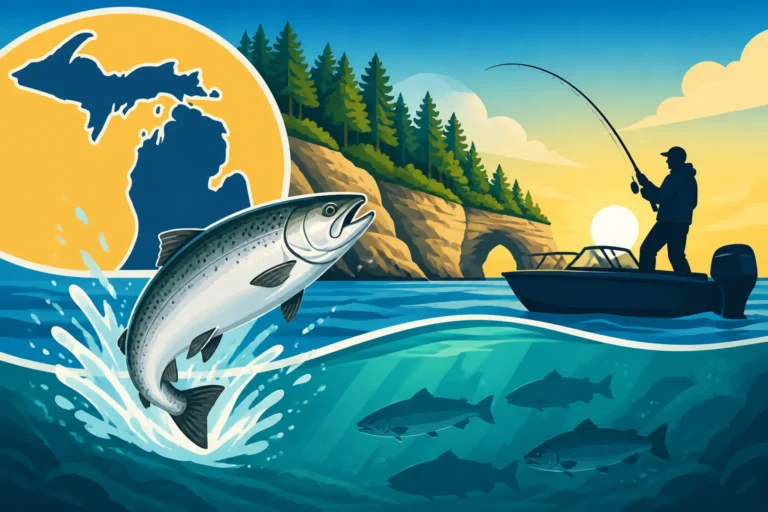
Trolling is arguably the most popular and effective method for targeting trout and salmon in Higgins Lake, especially when pursuing Lake Trout and Coho Salmon in the open water. This technique allows you to cover vast amounts of water and present your lures at precise depths where fish are holding. Effective trolling on Higgins requires attention to detail, particularly regarding speed, depth, and lure selection.
For Lake Trout, which often hang out in the deep thermal layers, downriggers are indispensable. These devices allow you to send your lures down to depths of 60 to 120 feet, where the water is consistently cold and oxygenated. You'll want to use strong braided line with a fluorocarbon leader, tipped with spoons, large minnow-imitating crankbaits, or even cut bait. Popular spoon colors often mimic natural baitfish like smelt or cisco, featuring silver, blue, or green combinations. Speed is crucial; often a slower troll (1.5-2.5 mph) is more effective for deep-dwelling lake trout. Keeping an eye on your fish finder for schools of baitfish or marked fish arches is vital to pinpointing productive areas. For more general advice on tackling big water, check out our guide on Trolling for Chinook Salmon on Lake Michigan, many of those principles apply here too.
Coho Salmon, while still cold-water fish, tend to cruise at shallower to mid-range depths, often from 20 to 60 feet. For them, planer boards combined with shorter downrigger setups or even lead core line can be very effective. Spoons and plugs in brighter colors like orange, pink, or chartreuse often entice Cohos, as they are known for their aggressive strikes. Trolling speeds for Coho can be slightly faster (2.0-3.5 mph) to generate more action from your lures. Varying your depth and speed until you find what the fish are reacting to is key. It’s a game of experimentation, and what works one day might not the next, so always be prepared to adapt.
Shore and Pier Fishing for Trout
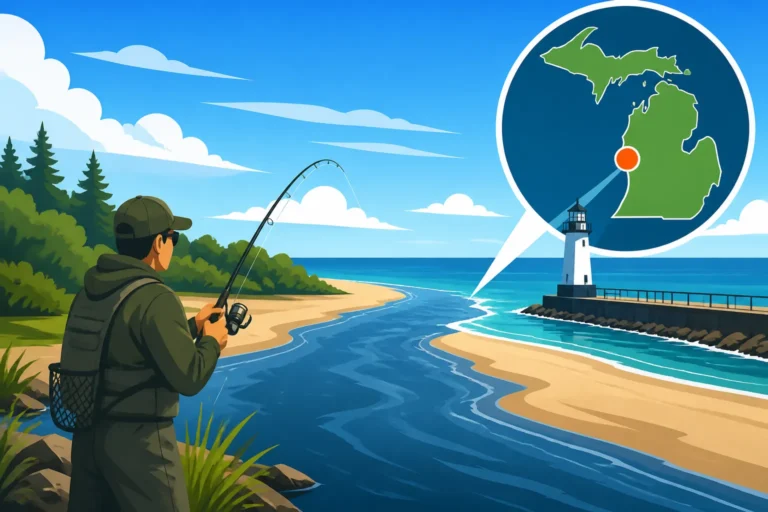
While Higgins Lake is famous for its deep-water trolling, you don't necessarily need a boat to catch trout. Shore and pier fishing can be surprisingly productive, especially during the cooler months of spring and fall, or early in the morning and late in the evening during summer. This is when trout, particularly Rainbows and Brown Trout, tend to move closer to shore in search of food or to exploit cooler water.
Public access points around Higgins Lake, like those near North Higgins Lake State Park or South Higgins Lake State Park, offer excellent opportunities for shore anglers. Casting spoons, small crankbaits, or even drifting spawn bags under a bobber can yield results. Focus your efforts around drop-offs, weed lines, or areas with current, as these are natural ambush points for trout. Live bait like nightcrawlers or shiners can also be very effective, presented on a slip sinker rig or under a float. Patience is your best friend when shore fishing, as you're waiting for the fish to come to you.
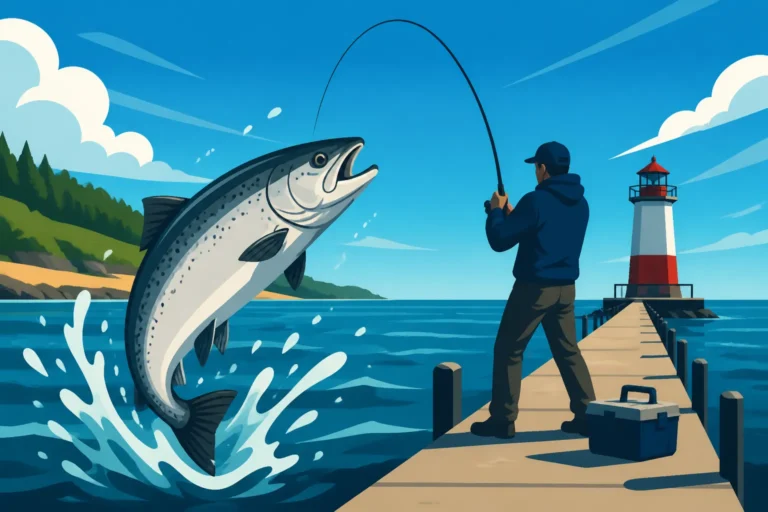
Piers, though limited on Higgins, offer similar advantages. They provide access to deeper water than you might get from the average shoreline and can be hotspots for migratory or actively feeding trout. Early spring and late fall are prime times, as the entire water column is cooler, making trout less hesitant to patrol shallower areas. For those interested in expanding their pier fishing knowledge, our guide on Best Lake Michigan Fishing Piers and Harbors offers techniques that can be adapted to deep inland lakes. Always be mindful of other anglers and local regulations, which you can find in the Michigan Fishing Regulations Every Angler Should Know.
Ice Fishing Opportunities for Trout
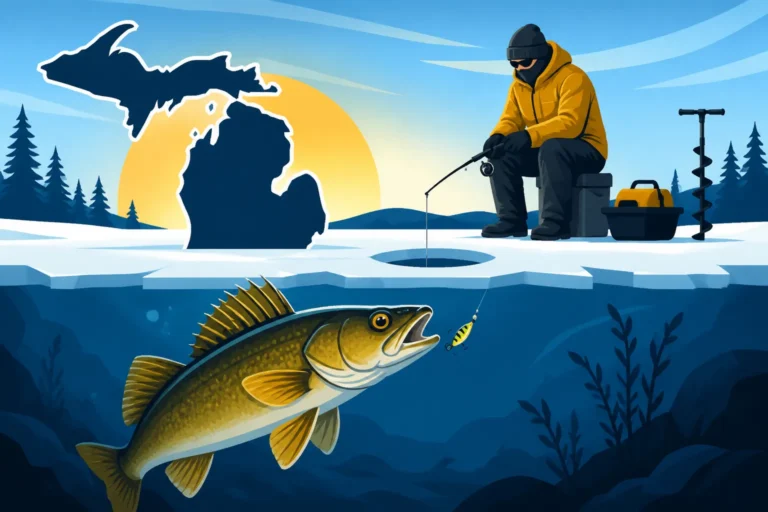
When Higgins Lake freezes over, typically from late December through March, it transforms into an ice angler’s paradise, particularly for Lake Trout. Ice fishing offers a unique opportunity to directly target the deeper parts of the lake where these fish reside. You'll often see shanties dotted across the ice, especially over known deep-water structure and drop-offs.
For Lake Trout through the ice, jigging spoons and heavy tube jigs are the go-to baits. Anglers will often use a flasher or fish finder to locate fish and monitor their presentation. Dropping a spoon to the bottom, jigging it aggressively, and then letting it pause is a common tactic. Some anglers also use tip-ups rigged with large live minnows or cut bait to cover more ground. The key is to be mobile and willing to drill several holes until you locate an active school of fish. For a comprehensive overview of staying safe and successful on the hard water, check out our Michigan Ice Fishing Guide.
Beyond Lake Trout, ice anglers can also find success with Rainbow and Brown Trout closer to shore, particularly in bays or near weed edges. Smaller jigs tipped with wax worms or minnows can be effective for these shallower-holding trout. It's a great way to enjoy the tranquil beauty of the lake in winter while still having a chance at some impressive catches. Remember to always prioritize safety on the ice, checking thickness regularly and being aware of changing conditions.
Finding Your Spot: Access and Prime Locations for Trout on Higgins Lake
One of the great things about Higgins Lake is its accessibility, but knowing where to launch your boat or which shorelines to hit can make all the difference in your trout fishing success. The lake is large and can feel intimidating, but with a bit of local knowledge, you can pinpoint those prime trout zones. Remember, trout are creatures of habit, often relating to specific depths, temperatures, and underwater structures.
Higgins Lake has a fairly uniform, deep basin with several pronounced drop-offs and humps that serve as excellent holding areas. The clarity of the water also means that fish can see your line, so light fluorocarbon leaders are often preferred, especially in shallower water or for leader-shy fish like Brown Trout. It's also wise to check the Michigan Fishing License Guide for Residents and Nonresidents before heading out, ensuring you're fully compliant with all state requirements.
Public Access and Boat Launches
Higgins Lake offers several excellent public access points, making it easy for anglers to get their boats in the water. The two primary state parks, North Higgins Lake State Park and South Higgins Lake State Park, both feature well-maintained boat launches that can accommodate a wide range of watercraft, from small fishing boats to larger vessels suitable for Great Lakes-style trolling. These parks also offer amenities like parking, restrooms, and often campgrounds, making them convenient bases for multi-day fishing trips.
Beyond the state parks, there are a few smaller public access sites and municipal launches scattered around the lake. These might be less developed but can offer quicker access to specific fishing grounds depending on your target area. Before you go, it's always a good idea to consult the Michigan DNR's website or a detailed local map to confirm launch conditions and any potential fees. Consider the size of your boat and your trailer setup when choosing a launch, especially during peak seasons when ramps can be busy. For those just looking for shore access or a quick cast from a dock, the state parks also provide ample shoreline access and day-use areas. For a general overview of the area, you can also explore the Higgins Lake Fishing Guide.
Identifying Key Trout Habitats
Successfully catching trout on Higgins Lake often comes down to understanding their habitat preferences. As discussed, Lake Trout favor the deep, cold waters. Look for them along the main lake basin's deep contours, especially where the bottom transitions from a flat, sandy expanse to a sudden drop-off. Humps or underwater islands that rise from the deep can also be prime ambush points. Using your electronics to locate these features and any baitfish schools is critical.
Rainbow Trout and Coho Salmon are more pelagic, meaning they roam the open water, often suspending over deep water to feed on baitfish like smelt. Pay attention to water temperature and thermoclines – the distinct layers of water at different temperatures. Often, fish will congregate along these thermocline breaks. During spring and fall, these species will often push into shallower areas, sometimes even within casting distance of shore, especially around points, weed beds, and areas with submerged structure.
Brown Trout are typically found closer to structure, whether it's submerged timber, rocky reefs, or the edges of weed beds. They are more ambush predators than the wide-ranging Coho or deep-dwelling Lake Trout. Targeting them effectively often means focusing on these transitional zones, particularly during low-light conditions. If you're looking for an experienced guide to help you navigate the lake's complexities, platforms like FishingBooker can connect you with local experts who know the precise coordinates of these productive areas. Local bait shops are also invaluable resources for up-to-date information on where the fish are biting and what they're hitting.
Here's a quick reference for trout and salmon fishing on Higgins Lake:
| Species | Preferred Depth (Open Water) | Best Season(s) | Common Techniques | Key Baits/Lures | Notes |
|---|---|---|---|---|---|
| Lake Trout | 60-120+ feet | Year-round (Ice) | Deep Trolling, Vertical Jigging | Spoons, Tube Jigs, Live/Cut Minnows | Strong fighters, deep water specialists |
| Rainbow Trout | 20-60 feet (or near shore) | Spring, Fall, Winter | Trolling, Casting, Ice Jigging | Spoons, Crankbaits, Spawn, Wax Worms | Often found near shore in cooler temps |
| Brown Trout | 15-50 feet (near structure) | Spring, Fall | Trolling (shallow), Casting, Drifting | Minnow Plugs, Spoons, Nightcrawlers | Wary, nocturnal tendencies |
| Coho Salmon | 20-60 feet (open water) | Spring, Summer | Trolling | Spoons, Small Plugs, Dodgers/Flasher | Aggressive strikes, acrobatic |
Beyond the Rainbow: Other Exciting Catches in Higgins Lake
While Higgins Lake shines brightest for its trout and salmon fishing, it’s far from a single-species fishery. The lake's healthy ecosystem supports a variety of other popular game fish, offering anglers diverse opportunities, especially if the trout bite is slow or if you're looking for a change of pace. This adds to the overall appeal of Higgins Lake, ensuring there’s always something exciting to target. Many anglers, after a morning of deep-water trolling for lakers, might switch gears in the afternoon to target panfish closer to shore.
The presence of a strong forage base, including smelt and various minnow species, not only supports the trout and salmon but also a robust population of other predators. Understanding these other species can lead to a more productive and enjoyable day on the water, allowing you to adapt your approach based on conditions or personal preference. This versatility is what makes Higgins Lake a truly complete fishing destination for many.
Other Popular Catches
Beyond its famed trout and salmon, Higgins Lake is also home to a fantastic population of Walleye. These highly sought-after game fish provide excellent table fare and a thrilling challenge for anglers. Walleye often frequent specific structures like rocky reefs, humps, and drop-offs, especially during low-light conditions or at night. Jigging, trolling with crankbaits, or drift fishing with live bait like minnows are common and effective techniques. For specific strategies, our Michigan Walleye Fishing Techniques guide can provide a lot of useful information.
Smallmouth Bass are another top-tier sportfish found in Higgins Lake. These hard-fighting fish thrive in the clear, rocky environments that characterize much of the lake's shallower to mid-depth areas. Look for them around rocky points, submerged timber, and along distinct depth changes. Smallmouth are aggressive and will readily strike a variety of lures, including tube jigs, soft plastics, crankbaits, and topwater lures during warmer months. They offer a powerful, acrobatic fight, making them a favorite among many anglers.
Finally, don't overlook the abundant Panfish populations in Higgins Lake, particularly Yellow Perch and Bluegill. These species are perfect for a relaxed family outing or for introducing new anglers to the sport. They can be found in shallower, weedy bays and around docks, often in large schools. Simple techniques like fishing with a bobber and a small hook baited with a worm, wax worm, or a tiny jig are incredibly effective. While not as glamorous as a big Lake Trout, panfish provide consistent action and are delicious on the dinner plate. Knowing that you can always fall back on these reliable catches adds another layer of enjoyment to any fishing trip on Higgins Lake.
Disclaimer
Please be aware that fishing regulations in Michigan can change. Always consult the latest Michigan DNR Fishing Guide or visit their official website before heading out on the water to ensure you are compliant with all current rules, seasons, and licensing requirements.