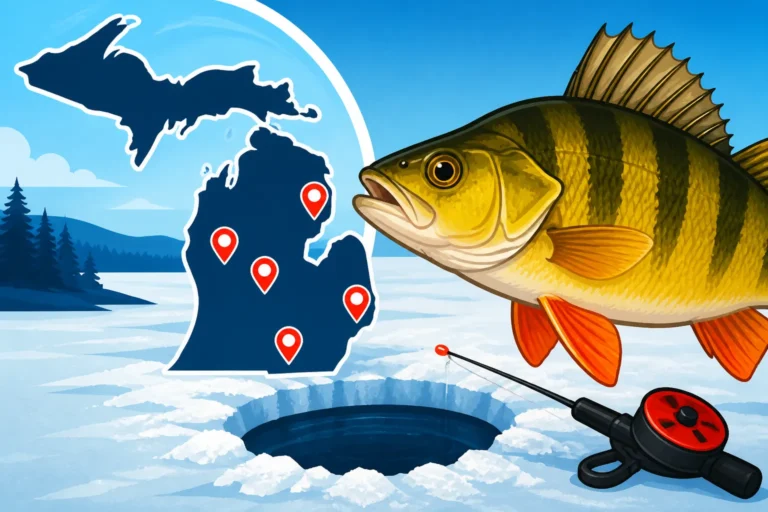
Where to Ice Fish on Houghton Lake
When the cold winds howl and Michigan's landscape transforms into a winter wonderland, many anglers feel the familiar tug of cabin fever, longing for open water. But for those in the know, winter isn't an end to fishing; it's the beginning of a whole new adventure. If you're looking to turn those frozen frustrations into fantastic fishing tales, then ice fishing on Houghton Lake might just be your next great outing. This guide is dedicated to helping you unlock the secrets of this massive inland lake, offering practical advice and local insights to make your ice fishing dreams a reality.
Why Houghton Lake is a Premier Ice Fishing Destination
Houghton Lake, often touted as Michigan's largest inland lake, isn't just big; it's a winter fishing powerhouse. Anglers from across the state and beyond flock here each season, drawn by its consistent ice conditions, diverse fish populations, and relatively shallow, fertile waters. Unlike some of the deeper, more temperamental glacial lakes, Houghton Lake offers a unique blend of accessibility and productivity that makes it an ideal spot for ice fishing, whether you're a seasoned veteran or just starting out.
Lake Characteristics and Depth
Houghton Lake boasts an impressive surface area of approximately 20,000 acres, yet its average depth hovers around a very manageable 7-8 feet, with the deepest points reaching only about 22 feet. This relatively shallow nature is a huge advantage for ice fishing. Shallower lakes tend to freeze earlier and more consistently than deeper ones, providing a longer and often safer ice fishing season. The bottom composition is a mix of sand, gravel, and muck, with extensive weed beds that offer crucial habitat for baitfish and game fish alike. These expansive flats, punctuated by subtle depth changes and weed lines, become prime hunting grounds for predators under the ice. Understanding the contour of the lakebed, even if it's subtle, is key to locating fish.
The large, open expanse of Houghton Lake means that winter winds can sweep across it, sometimes making for challenging conditions on the ice. However, this also contributes to good oxygenation and nutrient distribution, keeping the fish active. Because it's so large, anglers often find that different sections of the lake fish differently depending on the time of winter, weather patterns, and pressure. It truly is a dynamic environment that rewards those who put in the time to understand its nuances.
Abundant Target Species
One of Houghton Lake's biggest draws for ice anglers is the sheer variety and abundance of fish species available. You're not just targeting one or two types; you can often switch up your strategy throughout the day to pursue different fish, keeping the action exciting.
Walleye are undoubtedly one of the most sought-after species here, known for their delectable fillets and spirited fights. Houghton Lake has a thriving walleye population, with many fish reaching respectable sizes. Anglers often spend dawn and dusk hours targeting these elusive creatures, though they can be caught throughout the day with the right presentation. Beyond walleye, you'll find a robust population of northern pike. These toothy predators offer an exciting challenge, especially when targeted with larger baits and tip-ups. Imagine the thrill of seeing that flag fly after a long period of quiet!
Panfish, including yellow perch and bluegill, are also incredibly plentiful and provide consistent action, making them perfect for families or anglers looking for steady bites. There's nothing quite like dropping a tiny jig down and feeling that characteristic tap-tap-tap of a perch. Crappie are also present, often found suspended around structure or the deeper edges of weed beds. If you're lucky, you might even hook into a brown trout or rainbow trout, which are occasionally stocked and can offer a surprise fight. The diversity means you can always adapt your approach, learning from other anglers or scouting reports to find what's biting best. For more on what's available, check out our guide on Houghton Lake Fishing Guide Michigan's Largest Inland Lake.
Navigating Houghton Lake's Ice Fishing Hot Spots
While Houghton Lake is vast, certain areas consistently produce better results for ice anglers. Knowing where to start can save you valuable time and put you on fish faster. These hot spots often have characteristics that attract and hold fish throughout the winter, such as specific depth contours, access to deeper water, or consistent weed growth. It's always a good idea to consult a current lake map and talk to local bait shop owners for the most up-to-date information on conditions and recent catches.
Southern Shoreline and Higgins Point
The southern shoreline of Houghton Lake offers a variety of productive ice fishing grounds. Areas near the Heights and Prudenville are particularly popular due to their accessibility and proximity to launch points and bait shops. These areas feature extensive flats with scattered weed beds and slight depth changes that attract panfish like yellow perch and bluegill. You'll often see clusters of shanties in these locations, a good indicator that fish are being caught.
Further east along the southern shore, Higgins Point is another prime spot. This point extends into the lake, creating a natural funnel for fish moving between deeper and shallower water. Here, anglers often target walleye and northern pike, especially around dawn and dusk. The transition zones where sandy flats meet deeper contours or thick weed patches are key. Drilling a series of holes to locate these breaks can be incredibly effective. Remember that safety is paramount, especially in areas with current or varying depths, so always confirm ice conditions before venturing out.
North Bay and The Flats
Moving to the northern part of the lake, North Bay offers excellent opportunities, particularly for perch and walleye. The bay itself is relatively shallow, but it has distinct channels and deeper pockets that act as winter fish magnets. When the ice is safe, the vast flats within North Bay are perfect for setting up multiple tip-ups for pike or drilling a grid for roaming schools of perch. It's an area where mobile anglers with portable shelters can really shine, moving to follow the bite.
"The Flats" is a general term often used to describe the expansive, relatively shallow areas of Houghton Lake. These areas, particularly the ones dotted with leftover weed growth from the summer, are crucial for winter foraging fish. Walleye, northern pike, and especially large schools of yellow perch will cruise these flats, particularly during periods of low light. Jigging with small spoons or soft plastics tipped with a minnow head can be deadly for perch, while a live shiner under a tip-up is hard for a pike or walleye to resist. Our article on Ice Fishing Techniques for Perch has more detailed tips for these situations.
The Cut and Connecting Waters
One of the more unique features of Houghton Lake is "The Cut," a navigable channel that connects Houghton Lake to Higgins Lake. While Higgins Lake is a much deeper, clearer body of water, The Cut itself and the areas immediately surrounding its entry points on Houghton Lake can be dynamic ice fishing locations. These areas can sometimes have more variable ice conditions due to potential currents, so extreme caution is always advised. However, the movement of water and the connection between two different aquatic ecosystems can create intriguing fishing opportunities.
Areas near the mouths of the various creeks and rivers that feed into Houghton Lake can also be productive. These inflowing waters often bring in nutrients and sometimes warmer water, which can concentrate fish. For example, the area where the Muskegon River headwaters begin to flow out of Houghton Lake can be a good spot, though again, moving water can affect ice safety. It's worth noting that the fish here are often transitioning, moving in and out of these slightly more active zones. Always check local ice conditions thoroughly before venturing onto these areas.
Essential Gear and Techniques for Houghton Lake Ice Fishing
Having the right gear and knowing the most effective techniques can significantly boost your success rate on Houghton Lake's ice. Ice fishing isn't just about bundling up; it's about being prepared with tools that help you find fish, stay comfortable, and safely retrieve your catch. From augers that cut through thick ice to sensitive rods that detect the slightest nibble, every piece of equipment plays a role.
Recommended Ice Fishing Gear
First and foremost, you need a way to get through the ice. A good ice auger is non-negotiable. For Houghton Lake's typically solid ice, a gas-powered or electric auger will make quick work of drilling holes, allowing you to be more mobile. Hand augers can work for thinner ice or a quick hole, but for extensive drilling, power is best. Brands like Strikemaster and Eskimo are popular choices known for their reliability. Pair your auger with an ice chisel to clear slush or re-open holes that are freezing over.
Next, consider your shelter. A portable ice fishing shanty or flip-over style shelter is highly recommended. Not only do they protect you from Michigan's biting winds and snow, but they also allow you to heat your space, making long days on the ice much more enjoyable. Brands like Clam, Eskimo, and Otter offer various sizes and styles to suit solo anglers or groups. Inside your shelter, a small portable heater (like those from Mr. Heater) can make all the difference. For more insights on shelters, read our Best Ice Shelters for Michigan Ice Fishing guide.
For fishing, you'll want dedicated ice fishing rods and reels. These are much shorter and more sensitive than open-water setups, designed for jigging in a small hole. For panfish, ultralight rods with sensitive tips are key. For walleye and pike, a medium-light to medium action rod with a strong backbone is appropriate. Spool your reels with specialized ice fishing line, which is less prone to freezing and has minimal memory. Don't forget an ice scoop to keep your holes clear and a fish finder (flasher or sonar unit) to detect fish and monitor depth. A good fish finder can literally show you fish under the ice, helping you understand how they react to your bait.
Top Techniques and Baits for Success
When targeting walleye on Houghton Lake, jigging is a primary technique. Small jigging spoons (like Swedish Pimples or Slab Grabbers) tipped with a minnow head or a piece of plastic are incredibly effective. Work the lure with short, sharp lifts and pauses, mimicking a struggling baitfish. The prime times are often low-light hours – dawn and dusk – but walleye can be caught throughout the day, especially if you find them schooling. Our Ice Fishing Techniques for Michigan Walleye article delves deeper into this. Live minnows, particularly shiners or chubs, suspended under a bobber or fished on a plain hook, are also very productive, especially for less active fish.
For northern pike, tip-ups are king. These ingenious devices allow you to cover a wider area, setting multiple lines with large live baits (such as suckers or large shiners). When a pike takes the bait, the flag goes up, signaling a bite. Position your tip-ups along weed lines or sudden depth changes where pike ambush prey. Using a sturdy leader (fluorocarbon or steel) is crucial to prevent bite-offs from their razor-sharp teeth. Learn more about this method in our Tip-Up Fishing for Michigan Pike guide.
Panfish, including perch and bluegill, provide consistent action. Small jigs (1/16 to 1/32 oz) tipped with wax worms, spikes, or small plastics are deadly. Jig them slowly just off the bottom or suspend them at different depths until you find where the fish are holding. Often, perch will school up, and once you find them, the action can be fast and furious. Small spoons or even tiny swimbaits can also entice a bite. For specific baits, check out our insights on Best Bait for Perch. The key is patience and subtle movements; sometimes the smallest twitch is all it takes.
| Species Targeted | Recommended Gear | Effective Techniques | Best Baits/Lures |
|---|---|---|---|
| Walleye | Medium-light rod, sensitive tip, fluorocarbon line, flasher/sonar | Jigging, Deadsticking | Jigging spoons (Swedish Pimple), live minnows (shiners, chubs), soft plastics |
| Northern Pike | Heavy action rod, tip-ups, steel or heavy fluorocarbon leader | Tip-up fishing | Large live minnows (suckers, shiners), large jigging spoons, dead smelt |
| Yellow Perch | Ultralight rod, sensitive spring bobber, light mono/fluoro line, small flasher | Vertical jigging, deadsticking | Small jigs (1/16-1/32 oz), teardrops, small spoons, wax worms, spikes, minnow heads |
| Bluegill | Ultralight rod, sensitive spring bobber, light mono/fluoro line | Vertical jigging, sight fishing | Tiny jigs (1/32-1/64 oz), larvae (wax worms, spikes), small plastics |
| Crappie | Ultralight rod, sensitive tip, light mono/fluoro line | Vertical jigging, suspending | Small jigs, small spoons, minnows, small tube jigs |
Safety First on the Ice
Ice fishing, while incredibly rewarding, comes with inherent risks, and prioritizing safety is non-negotiable. Michigan winters can be unpredictable, and ice conditions can change rapidly. Always remember that no fish is worth risking your life for. Being prepared and cautious ensures that your trip to Houghton Lake remains a fun and memorable experience for all the right reasons.
Checking Ice Thickness and Conditions
The golden rule of ice fishing is "When in doubt, don't go out!" Always assume the ice is unsafe until you have personally verified its thickness and integrity. A minimum of four inches of clear, solid ice is generally recommended for walking, and even more for snowmobiles (5-7 inches) or ATVs (8-12 inches). Never rely solely on tracks or other anglers' presence; always check yourself.
Before venturing onto Houghton Lake, or any frozen water, start checking ice thickness close to shore with an ice spud bar or auger. As you move further out, continue to check every few steps. Pay close attention to areas around inlets, outlets, pressure cracks, and areas with current, as ice can be significantly thinner there. Snow cover can also insulate ice, slowing its growth, or conceal weak spots. A good pair of ice picks worn around your neck is a cheap and potentially life-saving piece of gear, allowing you to pull yourself out if you break through. For comprehensive safety tips, refer to our Michigan Ice Fishing Guide. Remember, conditions on Houghton Lake can vary widely, even within short distances, so constant vigilance is key.
Preparing for Michigan's Winter Weather
Michigan winters are famous for their beauty, but also for their bone-chilling cold, strong winds, and heavy snowfall. Being adequately dressed and prepared for severe weather is critical for comfort and safety. Layering is the most effective strategy. Start with a moisture-wicking base layer, add insulating middle layers (fleece, down), and top it off with a waterproof and windproof outer shell. A good quality ice fishing suit (like those from Striker Ice or Clam) is designed specifically for these conditions, offering insulation, flotation, and often built-in safety features.
Don't forget warm, waterproof boots (like those from Baffin or Kamik), thermal socks, a warm hat, and insulated gloves or mittens. It's also wise to bring extra sets of clothes, especially socks and gloves, in a dry bag. Beyond clothing, pack a fully charged phone, a portable charger, a first-aid kit, a flashlight or headlamp, and plenty of high-energy snacks and warm drinks. Staying hydrated is just as important in cold weather as it is in warm. A GPS unit or a reliable map application on your phone can prevent you from getting disoriented, especially on a large lake like Houghton in white-out conditions.
Planning Your Houghton Lake Ice Fishing Trip
A successful ice fishing trip to Houghton Lake involves more than just knowing where to drill holes; it requires thoughtful planning. From understanding access points to leveraging local expertise, a little preparation goes a long way in ensuring a smooth and enjoyable experience on the ice.
Access Points and Facilities
Houghton Lake offers numerous public access points around its perimeter, making it relatively easy to get onto the ice. Popular access sites include the DNR boat launches in Prudenville, The Heights, and near the mouth of the Muskegon River. Many resorts and private marinas also offer access, sometimes for a small fee, which often comes with the added benefit of plowed paths and convenient parking. In some areas, residents and businesses will plow paths directly onto the lake for easy access with vehicles and snowmobiles once the ice is thick enough. Always check with local authorities or bait shops about specific access points and any current regulations regarding vehicle access on the ice.
The towns surrounding Houghton Lake, such as Prudenville, Houghton Lake, and Roscommon, provide a good range of amenities. You'll find bait and tackle shops, restaurants, gas stations, and lodging options. These local businesses are invaluable resources, offering real-time ice conditions, recent catch reports, and advice on hot baits. Don't be shy about striking up a conversation with the folks behind the counter; they often have the most up-to-date and reliable information.
Local Resources and Guides
Tapping into local expertise can be a game-changer for your Houghton Lake ice fishing adventure. Local bait and tackle shops are your first and best resource. Stores like Lyman's On The Lake or Korb's Trading Post are not just places to buy bait; they are community hubs where anglers share information, get licenses, and seek advice. They can tell you where the bite has been, what depths fish are being caught at, and even warn you about potential hazards on the ice. When planning your trip, consider stopping by one of these shops first.
If you're new to ice fishing, new to Houghton Lake, or simply want to maximize your chances of success, hiring a local fishing guide can be an excellent investment. Guides possess intimate knowledge of the lake, including hidden hot spots, preferred techniques for various species, and essential safety protocols. They often provide all the necessary gear, including shelters and electronics, making it easy for you to just show up and fish. Many excellent guides operate on Houghton Lake throughout the ice season. To find reputable guides and charter services in the area, platforms like FishingBooker can be a great starting point, allowing you to compare options and read reviews. Engaging with a guide is also a fantastic way to accelerate your learning curve and discover nuances of the lake you might otherwise miss. Many guides on FishingBooker specialize in winter techniques, so you can specifically look for those who focus on ice fishing for walleye or pike.
Lastly, stay informed about Michigan's fishing regulations. Before heading out, always consult the current Michigan Fishing Regulations Every Angler Should Know digest from the DNR. Regulations regarding bag limits, size limits, and even the number of lines you can fish can change annually, so it's vital to be up-to-date to avoid any issues. For instance, understanding specific rules like Michigan Walleye Size and Possession Limits is critical when targeting these popular species. Knowing these details is part of being a responsible angler and helps ensure the sustainability of Houghton Lake's fantastic fishery for years to come. Using resources like FishingBooker can sometimes help clarify regulations, as experienced guides are always up-to-date.
Disclaimer
Fishing conditions, regulations, and ice safety can change rapidly. Always exercise caution and verify current ice conditions, weather forecasts, and fishing regulations with the Michigan Department of Natural Resources (DNR) or local bait shops before venturing out onto the ice. This guide is for informational purposes only and does not guarantee fishing success or ice safety.