Best Michigan Rivers for Brown Trout
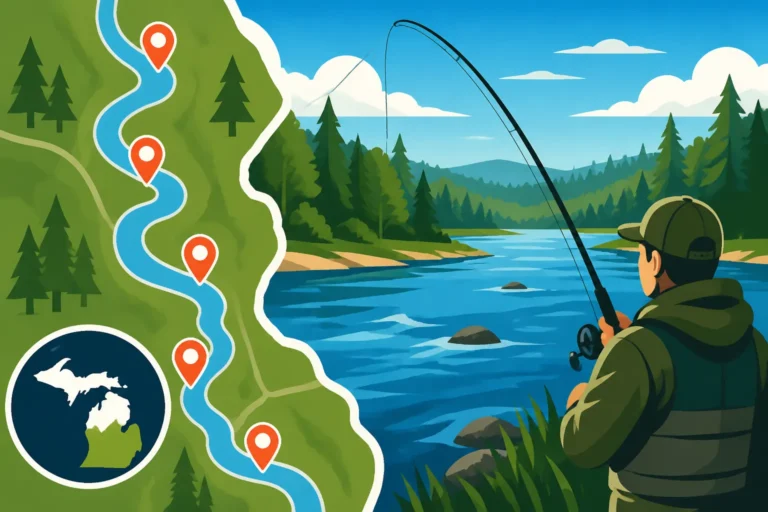
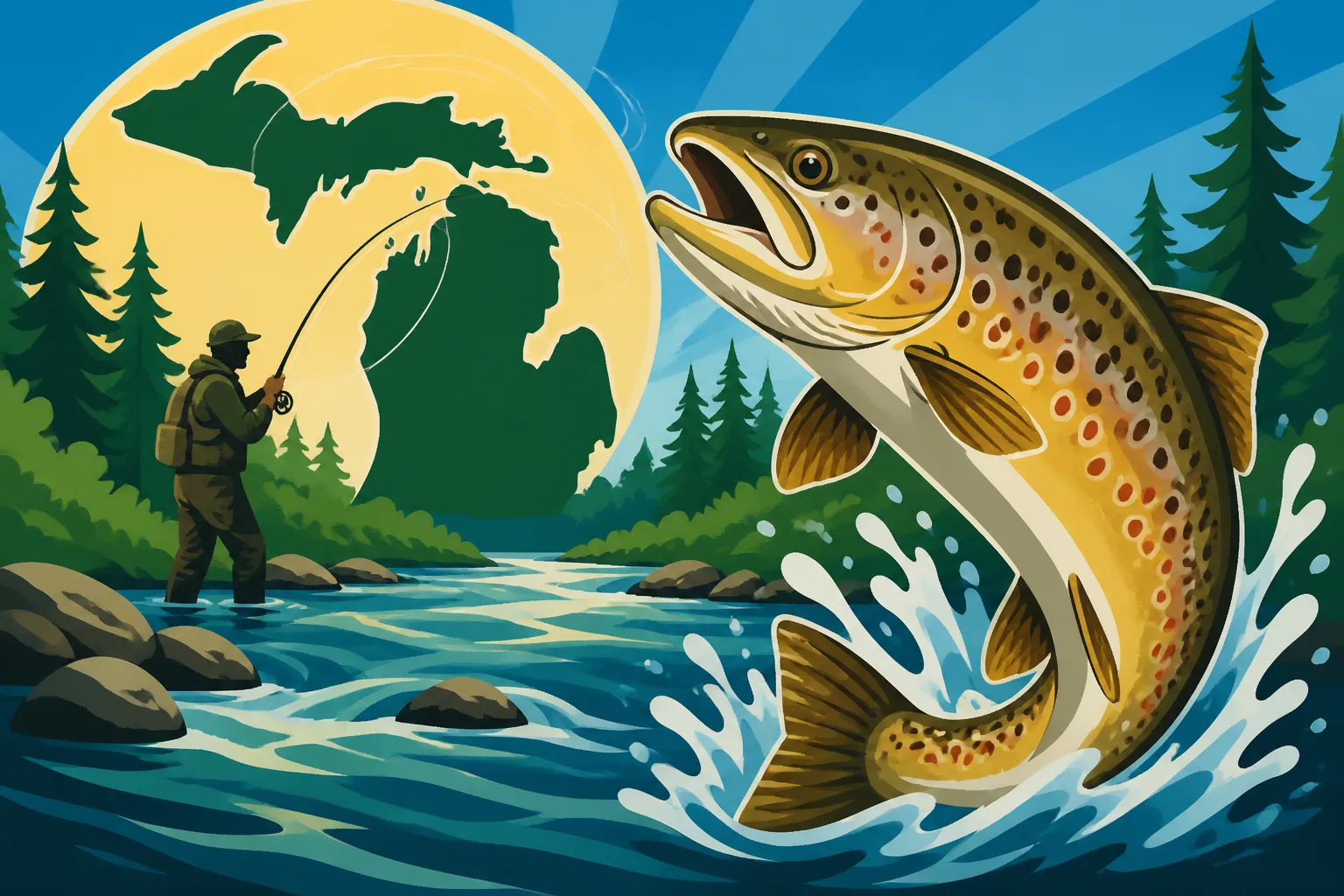
For many anglers, the thought of pursuing brown trout in Michigan evokes images of pristine, cold rivers, challenging casts, and the thrill of outsmarting a truly cunning fish. It's a pursuit that can sometimes feel daunting, with so many incredible waterways to explore. This guide will cut through the noise, detailing the best Michigan rivers where these elusive, often large, and always beautiful trout thrive, helping you plan your next unforgettable fishing adventure.
Understanding Michigan's Brown Trout Habitat
Michigan's diverse geography, from the rolling hills of the Lower Peninsula to the rugged wilderness of the Upper Peninsula, provides a perfect mosaic of habitats for brown trout. These fish, originally introduced from Europe, have truly made themselves at home here, adapting to a wide range of river conditions.
Why Brown Trout Thrive in Michigan Rivers
Brown trout are remarkably resilient and adaptable fish, capable of tolerating slightly warmer water temperatures than their brook trout cousins, yet still requiring cool, clean, and well-oxygenated environments. Michigan's vast network of rivers, fed by cold groundwater springs, creates ideal conditions. These waters often boast a rich insect life, providing an abundant food source, and complex structures like fallen trees, undercut banks, and deep pools where browns can hide from predators and ambush prey. It's this combination of stable temperatures, ample food, and diverse cover that allows brown trout to not only survive but also grow to impressive sizes in our state.
Moreover, many Michigan rivers have robust wild populations, a testament to the quality of the habitat and the conservation efforts over the years. While stocking programs certainly contribute to the overall fishery, the presence of naturally reproducing brown trout populations indicates healthy ecosystems. These wild fish are often more vibrant, more challenging to catch, and truly a prize for any angler. Understanding their preference for colder water and plentiful cover is the first step in successfully targeting them.
Key Characteristics of Ideal Brown Trout Rivers
When we talk about "ideal" brown trout rivers, we're looking for a specific set of features that contribute to a thriving population. Firstly, stable, cool water temperatures are paramount. Rivers fed by natural springs tend to maintain consistent cold water even during the heat of summer, which is crucial for trout survival and growth. Secondly, these rivers typically have a varied bottom composition, ranging from gravel beds vital for spawning, to rocky stretches and sandier sections.
Thirdly, excellent brown trout rivers offer an abundance of cover. This means plenty of woody debris, deep runs, undercut banks, and substantial riffles that provide shelter and ambush points. Furthermore, a healthy insect population, including prolific hatches of mayflies, caddisflies, and stoneflies, ensures a steady food supply. Finally, many of the best rivers are often surrounded by natural, undeveloped landscapes, minimizing pollution and maintaining water quality. These factors combined create the perfect environment for brown trout to flourish, providing both food and protection throughout their life cycle.
Premier Brown Trout Rivers in Michigan's Lower Peninsula
The Lower Peninsula is home to some of the most renowned trout streams in the country, drawing anglers from all over for their incredible brown trout fisheries. These rivers offer diverse experiences, from technical fly fishing to more accessible spin fishing.
The Legendary Au Sable River
Without a doubt, the Au Sable River stands as a crown jewel of Michigan trout fishing, especially for brown trout. Flowing through the northeastern Lower Peninsula, its reputation precedes it, often referred to as a "blue ribbon" trout stream. The river is divided into several distinct sections, each offering unique opportunities. The Upper Au Sable, particularly the "Holy Waters" stretch near Grayling, is famous for its prolific hatches and challenging wild brown trout fishing, primarily with flies. This area often sees larger, more wary brown trout, requiring a refined approach. For those interested in pursuing trout in this iconic waterway, diving deeper into specific areas and techniques can be found in a guide on the Au Sable River Trout Fishing in Michigan.
Further downstream, the river broadens, offering both exceptional fly and spin fishing for browns. The consistent cold water temperatures, thanks to numerous spring-fed tributaries, ensure excellent trout habitat year-round. Anglers here often find success using streamers, nymphs, and dry flies during hatches. The river's character, with its sweeping bends, log jams, and deep pockets, provides countless holding lies for impressive brown trout. It’s not uncommon to hear tales of trophy browns coming from the Au Sable, often after dark, when these nocturnal predators are most active.
Manistee River's Hidden Gems
While the Manistee River is often celebrated for its incredible salmon and steelhead runs, its headwaters and upper stretches hold a fantastic, often overlooked, brown trout fishery. Upstream of Tippy Dam, the river flows through a more natural, undisturbed corridor, where wild brown trout thrive. This section offers a different experience than the larger, more powerful lower river. Anglers here can find solitude and challenge, targeting browns that are less pressured than those in more accessible stretches.
The smaller tributaries flowing into the Manistee also provide excellent brown trout opportunities. These smaller streams often require more stealth and precision but can yield surprising results. Fly anglers will find success with dry flies during summer hatches, while spin anglers can effectively use small spinners and crankbaits. The Manistee's sheer length and variety mean that while you might be thinking about Manistee River Steelhead and Salmon Fishing in Michigan in the fall, its brown trout fishing in the quieter, upstream areas throughout spring and summer is truly special and shouldn't be missed. The river's cold, clear waters and abundant insect life make it a productive brown trout destination.
Pere Marquette River's Wild Trout
The Pere Marquette River, a federally designated Wild and Scenic River, is another legendary waterway, particularly famous for its wild brown trout. Located in the western Lower Peninsula, the "PM" is known for its incredibly clear water, making for sight fishing opportunities but also requiring utmost stealth. The river's diverse structure, including many fallen trees and undercut banks, provides ideal habitat for browns that can grow quite large. This river is a popular destination for anglers practicing catch-and-release, fostering a healthy population of mature fish.
Fly fishing is particularly popular on the Pere Marquette, with anglers often employing nymphing techniques or casting streamers to trigger aggressive strikes from larger browns. During specific hatches, dry fly fishing can be exceptional, offering thrilling surface action. The river's strong currents and numerous obstacles make it a challenging but highly rewarding fishery. Many anglers seek out the services of local guides, often found through services like FishingBooker, to navigate its intricacies and learn the best techniques for this challenging river. Its commitment to wild trout management ensures a sustainable and exciting angling experience.
Boardman River's Urban Charm
Closer to the bustling city of Traverse City, the Boardman River offers a unique "urban" trout fishing experience, yet still holds a remarkably healthy population of brown trout. Recent dam removal projects have revitalized sections of the river, connecting fragmented habitats and allowing fish to move more freely. While some stretches flow through developed areas, much of the river still retains a wild feel, particularly upstream. It's a fantastic option for anglers looking for quality fishing without venturing deep into the wilderness.
The Boardman River's proximity to Traverse City makes it easily accessible for a quick evening fish or a full day's outing. Anglers can find success with both fly and spin gear, targeting browns in its clear, cold waters. Streamers and nymphs are often productive, especially in deeper pools and around structure. This river proves that excellent trout fishing isn't always confined to remote locales; sometimes, a gem can be found right on the edge of town, providing a convenient and enjoyable challenge for brown trout enthusiasts.
Top Brown Trout Waters in Michigan's Upper Peninsula
The Upper Peninsula, with its vast wilderness and colder climate, offers a rugged and often remote brown trout fishing experience. These rivers are for the adventurous angler, promising solitude and the chance at truly wild fish.
Ontonagon River's Remote Beauty
The Ontonagon River system in the western Upper Peninsula is a sprawling network of rivers and tributaries, offering vast opportunities for brown trout, particularly in its colder, spring-fed branches. This region is characterized by its dense forests and dramatic topography, providing a truly wild fishing backdrop. Unlike some of the more pressured streams in the Lower Peninsula, the Ontonagon system demands a bit more effort to explore, but the rewards can be significant.
Anglers venturing into the Ontonagon's brown trout waters often find larger, less pressured fish that are willing to take a well-presented fly or lure. Access can sometimes be challenging, requiring hiking or utilizing smaller boats or canoes to reach prime spots. However, this remoteness contributes to the wild character of the fishery, offering a sense of true wilderness angling. For those who relish solitude and the challenge of exploring lesser-known waters, the Ontonagon River system presents an exceptional opportunity to connect with Michigan's wild brown trout. It's a stark contrast to some of the more populated spots, allowing for a genuine backcountry experience.
The Two Hearted River's Wilderness Experience
Immortalized by Ernest Hemingway, the Two Hearted River in the eastern Upper Peninsula still delivers a profound wilderness fishing experience for brown trout. Flowing through vast tracts of state forest land, much of the river is remote and requires a commitment to reach. Its name itself evokes images of pristine, untouched nature, and the river lives up to that reputation. While historically known for brook trout, significant brown trout populations now inhabit its colder stretches, particularly where it meanders through dense cedars and offers ample cover.
Fishing the Two Hearted is less about catching huge numbers and more about the immersive experience. The brown trout here are wild, wary, and highly rewarding to catch. Fly anglers often use traditional patterns, focusing on presentation and stealth in the clear waters. Spin anglers will find small, natural-colored lures effective. It's an ideal destination for a multi-day camping and fishing trip, where the sounds of nature replace the sounds of traffic, and the pursuit of brown trout becomes a true escape. Planning a trip here often involves looking up remote cabins or campsites, and sometimes even local guide services listed on platforms like FishingBooker to help navigate the less-traveled paths.
Carp River's Consistent Action
The Carp River, located near St. Ignace and flowing into Lake Michigan, is another Upper Peninsula gem known for its consistent brown trout fishing. While often overshadowed by its more famous cousins, the Carp offers excellent opportunities, particularly during insect hatches. It's a moderately sized river, making it more manageable to wade and explore compared to some of the larger, wilder systems. Its consistent flow and cool temperatures provide a reliable habitat for brown trout throughout the fishing season.
Anglers on the Carp River can expect good numbers of brown trout, with occasional larger fish surprising those who put in the time. The river features a mix of riffles, runs, and pools, providing varied structure for trout. Both fly and spin anglers can find success here, with nymphing being particularly productive in the deeper runs, and dry flies working well during predictable hatches. The river offers a more accessible Upper Peninsula experience without sacrificing the quality of the brown trout fishery. It's a great option for anglers who want a taste of UP trout fishing without venturing too far off the beaten path.
Essential Techniques for Michigan Brown Trout
Catching brown trout, especially the larger, more experienced ones, often requires a thoughtful approach. They are notorious for being wary, and their habitat preferences demand specific techniques.
Fly Fishing Strategies for Finicky Browns
Fly fishing for brown trout in Michigan rivers is a rewarding challenge, demanding skill, patience, and observation. The most effective strategies often revolve around understanding insect hatches. During spring and early summer, caddisflies, mayflies, and stoneflies emerge, providing opportunities for dry fly fishing. Matching the hatch with realistic patterns like Sulphurs, Hendrickson's, or various caddis imitations can be incredibly effective. Presentation is key; a drag-free drift is often the difference between a refusal and a take. If you're looking to hone your skills, a deeper dive into Fly Fishing Techniques for Michigan Trout Streams can provide invaluable insights.
When fish aren't rising, nymphing becomes the go-to technique. Brown trout spend a significant portion of their lives feeding sub-surface on aquatic insect larvae and pupae. Using weighted nymphs, often fished under an indicator, allows you to target fish in deeper runs and pools. Streamer fishing is another highly effective method, especially for targeting larger, more aggressive brown trout. Casting and stripping streamers that imitate baitfish can trigger violent strikes, particularly during low-light conditions or when water levels are slightly elevated. These larger flies often provoke a predatory response from big browns that are less interested in small insects.
Spin Fishing Tactics for Diverse Conditions
Spin fishing for brown trout offers versatility, allowing anglers to cover water effectively and adapt to various river conditions. Small spinners, such as Mepps or Panther Martin, in natural colors or with a bit of flash, are incredibly popular and effective. Casting these upstream and allowing them to drift and spin naturally through runs and pools can entice strikes. Small crankbaits, mimicking baitfish, are also excellent, especially in deeper water or when targeting larger fish. Brands like Rapala offer a range of sizes and diving depths perfect for brown trout.
Another highly effective spin fishing tactic involves using small stickbaits or jerkbaits. These can be worked with an erratic retrieve, mimicking an injured baitfish, which often triggers aggressive reactions from opportunistic brown trout. When fishing slower, deeper pools, small jigs tipped with soft plastics or live bait like worms or minnows can be very productive. The key to successful spin fishing for browns is often to match the lure size and action to the forage available in the river and to vary your retrieve until you find what the fish are responding to. Remember that stealth is still important, even with spin gear, as brown trout are easily spooked in clear water.
The Importance of Stealth and Presentation
Regardless of whether you're fly fishing or spin fishing, stealth and presentation are absolutely paramount when targeting brown trout in Michigan's clear rivers. Brown trout are incredibly wary, possessing excellent eyesight and a keen sense of their surroundings. Heavy footsteps on the bank, sudden movements, or a poorly executed cast can instantly send them darting for cover, effectively ending your chances in that spot for a while.
Approach the water cautiously, moving slowly and observing the river before making your first cast. Keep a low profile, especially when fishing clear, shallow runs. Your cast itself must be subtle and accurate, placing your fly or lure gently and precisely where you want it. A "splashing" cast or one that lands with a heavy thud can scare fish. Furthermore, ensuring a natural drift or retrieve, without unnatural drag or unnatural motion, is crucial. For fly anglers, achieving a truly "drag-free drift" is the holy grail. For spin anglers, ensuring your lure looks and moves like natural prey is essential. Master these elements, and your success rate for Michigan brown trout will undoubtedly soar.
| River Name | Primary Location | Typical Brown Trout Size | Best Time to Visit | Noted For | Special Regulations/Tips |
|---|---|---|---|---|---|
| Au Sable River | NE Lower Peninsula | 10-18 inches (trophy >20") | May-October | Prolific hatches, "Holy Waters" | Some sections fly-fishing only, catch & release encouraged |
| Manistee River | NW Lower Peninsula | 9-16 inches | April-June, September-October | Wild fish in upper reaches | Check specific sections for gear restrictions |
| Pere Marquette | Western Lower Peninsula | 12-20 inches | May-June, September-November | Wild & Scenic, strong runs | Many sections are artificial lures only, catch & release |
| Boardman River | Traverse City, LP | 8-15 inches | May-September | Urban accessibility, revitalized | Pay attention to urban area rules, good for shorter trips |
| Ontonagon River | Western Upper Peninsula | 10-17 inches | June-August | Remote wilderness, diverse system | Requires exploration, less pressure |
| Two Hearted River | Eastern Upper Peninsula | 9-16 inches | June-August | Wilderness experience, clear water | Prepare for remote travel, often requires wading |
| Carp River | St. Ignace, UP | 8-14 inches | May-July, September | Consistent action, good accessibility | Good for both fly and spin, diverse structure |
Understanding Regulations and Conservation
Fishing for brown trout in Michigan means adhering to a set of rules designed to protect our precious natural resources. It's not just about catching fish; it's about ensuring these opportunities exist for future generations.
Michigan's Fishing License Requirements
Before you even think about stepping into one of these incredible rivers, you absolutely need to make sure you have the correct Michigan fishing license. Whether you're a long-time resident or visiting from out of state, the Michigan Department of Natural Resources (DNR) requires all anglers 17 years of age and older to possess a valid license. It’s a small investment that directly supports the conservation and management of Michigan’s fisheries. You can easily purchase your license online, at a DNR customer service center, or from one of many authorized retailers across the state. Understanding your specific needs, whether it's an annual license or a short-term option, is crucial, and you can find comprehensive details in the Michigan Fishing License Guide for Residents and Nonresidents.
There are different types of licenses available, including annual, 24-hour, and even various discounts for seniors or those with certain disabilities. Make sure you check the current fishing year, as licenses typically run from March 1st through March 31st of the following year. Failing to have a valid license can result in fines and legal trouble, which nobody wants on a relaxing fishing trip. Always carry proof of your license while fishing, whether it's a physical copy or stored digitally on your phone via the DNR Hunt Fish App.
Season Dates and Catch Limits for Brown Trout
Michigan's brown trout season dates and catch limits are specifically designed to manage fish populations sustainably. While some of the Great Lakes tributaries and sections of certain rivers may have year-round trout seasons, many inland trout streams in the Lower Peninsula open their season in late April, often referred to as the "trout opener." The Upper Peninsula might see slightly different dates due to its colder climate. It's vital to consult the current Michigan Fishing Season Dates and Rules published by the DNR, as regulations can change annually.
Beyond the season dates, you'll need to be aware of the daily possession limits and minimum size limits, which can vary not only by species but also by specific water body. For brown trout, there's usually a statewide general regulation, but some famous trout streams might have special regulations, such as "flies only," "artificial lures only," or different size and bag limits for certain stretches. These special regulations are often implemented to protect wild trout populations or foster trophy fisheries. Always read the Michigan Fishing Guide thoroughly before heading out, paying close attention to the specific regulations for the river or section you plan to fish to ensure you're fishing legally and ethically.
Conservation Practices for a Sustainable Fishery
The future of brown trout fishing in Michigan heavily relies on responsible conservation practices by all anglers. Catch and release, especially for larger, older brown trout, is a cornerstone of sustainable angling. These larger fish are crucial for reproduction and contributing strong genetics to the population. Learning proper catch-and-release techniques, such as minimizing handling time, keeping the fish in the water as much as possible, and using barbless hooks, dramatically increases a fish's survival chances. Many of Michigan's premier brown trout rivers encourage or even mandate catch-and-release in certain sections.
Beyond catch-and-release, other practices are equally important. Avoid wading unnecessarily or disturbing spawning beds (redds), which are typically gravelly areas where female trout lay their eggs. Also, be mindful of your impact on the riverbanks and surrounding environment. Pack out all trash, avoid leaving monofilament line, and respect private property boundaries. By practicing these conservation measures, we ensure that the incredible brown trout fisheries across Michigan, from the legendary Au Sable to the wild Two Hearted, will continue to thrive for generations to come. Your actions directly contribute to the health and abundance of these remarkable fish.
Disclaimer
Please note that fishing regulations, season dates, and license requirements in Michigan can change. Always consult the latest Michigan Department of Natural Resources (DNR) fishing guide or website before planning your fishing trip to ensure compliance with current laws. The information provided here is for general guidance and informational purposes only.