Where to Fish Near Lansing, Michigan
Finding quality fishing spots when you're landlocked in a bustling city like Lansing, Michigan, can feel like a real challenge. Many anglers get frustrated trying to pinpoint productive waters without driving for hours to the Great Lakes. This comprehensive guide is here to alleviate that stress by uncovering the fantastic fishing opportunities right in and around Michigan's capital, offering practical advice and specific locations to help you reel in your next big catch.
The Unique Challenges of Fishing Near Lansing
Lansing, while centrally located in Michigan, isn't directly on one of the Great Lakes, which means local anglers often have to adjust their expectations and strategies compared to those living closer to the vast expanses of Lake Michigan or Lake Huron. The fishing scene here is dominated by rivers and smaller inland lakes, each with its own quirks and demands. It's a different game, but a rewarding one if you know where to look and what to expect.
Understanding Lansing's Waterways
The lifeblood of Lansing's local fishing is undoubtedly the Grand River. This impressive waterway winds its way right through the city, offering a diverse fishery that surprises many. While it might not have the pristine, crystal-clear reputation of some of Michigan's more famous trout streams, it's a vibrant ecosystem supporting a variety of species. Beyond the river, the Lansing area is dotted with numerous smaller inland lakes, from expansive all-sports lakes to quiet, tucked-away gems. Each body of water presents different habitats, depths, and structures, meaning a "one-size-fits-all" approach simply won't cut it. You need to understand the characteristics of these different water bodies to truly unlock their potential, whether you're targeting panfish in a shallow bay or casting for pike near submerged cover.
Dealing with Urban Fishing Pressures
Let's be real: fishing near a city means you're often sharing the water. Urban waterways, especially easily accessible ones, tend to see more angling pressure. This can make fish a bit warier, requiring more finesse and thoughtful presentation. You might also encounter more boat traffic on larger lakes, especially on weekends, which can impact calmer fishing conditions. Furthermore, access points can sometimes be limited, or parking can be challenging. It's not uncommon to arrive at a popular spot only to find it already occupied by several other anglers. However, don't let this discourage you. With a little strategic planning – like fishing during off-peak hours or exploring lesser-known access points – you can still find plenty of solitude and success. Patience and adaptability are key when navigating these urban fishing landscapes, and being mindful of your fellow anglers will ensure a pleasant experience for everyone.
Top Fishing Spots Within a Short Drive of Lansing
While Lansing might not boast Great Lakes access, it's surrounded by a fantastic network of rivers and lakes, many within a convenient drive. These spots offer diverse fishing experiences, from quiet mornings chasing panfish to exciting battles with river-dwelling species. Knowing where to go is half the battle, and these locations are excellent starting points.
Grand River Opportunities
The Grand River, snaking directly through Lansing, is perhaps the most accessible and diverse fishery in the immediate area. Don't underestimate it! Within the city limits, particularly in areas like Turner-Dodge House Park or spots near Old Town, you can find surprisingly good action. Anglers regularly pull out smallmouth and largemouth bass, channel catfish, northern pike, and a variety of panfish like bluegill and crappie. Further downstream, closer to Grand Rapids, the river even sees runs of steelhead and salmon, though that's a bit of a drive from Lansing itself. For a detailed look at some of those further stretches, you might want to check out our guide on Grand River Fishing Near Grand Rapids, Michigan.
The key to the Grand River in Lansing is versatility. You'll want to fish a variety of methods, from casting spinnerbaits and crankbaits for bass to using bottom rigs with worms or cut bait for catfish. There are numerous public access points, often with small parks or pathways, making it easy to get your line in the water. Just remember to check for local regulations, as river sections can sometimes have unique rules.
Local Inland Lakes for Family Fun
For a classic lake fishing experience, particularly with family or if you're targeting panfish, Lansing has several excellent inland options.
-
Lake Lansing: Located just east of the city, Lake Lansing is a popular spot and the largest inland lake in the immediate area. It's an all-sports lake, so expect plenty of boating activity, especially in summer. Despite the traffic, it's known for strong populations of largemouth bass, northern pike, and a bounty of panfish, including bluegill, crappie, and yellow perch. There's a public boat launch and county parks that offer shore fishing access. Early mornings or evenings are often the best times to avoid heavy boat traffic and find fish closer to shore or weed lines.
-
Sleepy Hollow State Park: A bit further northeast of Lansing, this state park offers a much quieter, more natural lake experience. Sleepy Hollow Lake is a fantastic spot for bass and pike, with plenty of submerged structure and weed beds. It's also a great destination for targeting panfish. The park offers boat rentals (non-motorized or electric only, which keeps the waters calm) and ample shore access. It’s a wonderful place to spend a day enjoying nature while fishing, and it’s especially good for families or those looking to explore different Michigan Inland Lakes Worth Fishing.
Day Trips to Nearby Productive Waters
If you're willing to extend your drive a little, some truly phenomenal fishing awaits that makes for an easy day trip from Lansing.
-
Thornapple Lake: Located southwest of Lansing, Thornapple Lake is part of a larger river system and is renowned for its excellent bass fishing, both largemouth and smallmouth. It also holds good numbers of northern pike and panfish. What makes Thornapple particularly exciting is its potential for muskellunge, often requiring specialized gear and techniques. It's a larger lake, so a boat is highly recommended to explore its numerous coves and structures.
-
Looking Glass River: Northeast of Lansing, the Looking Glass River offers a different kind of river fishing experience than the Grand. It's generally smaller, often wadable in sections, and more intimate. It’s primarily known for panfish and smaller bass, making it a great place for light tackle and a relaxing day. It provides a peaceful alternative to the larger, busier waterways. Access can be a bit more limited, often requiring finding public easements or bridge crossings.
-
Lake Chemung: Head south of Lansing, and you'll find Lake Chemung, a pleasant lake offering solid populations of largemouth bass, northern pike, and a good mix of panfish. It's a well-regarded lake for both boat and shore anglers, with a public access site available. It tends to be less pressured than Lake Lansing, making for a potentially more relaxed outing.
When planning any of these trips, remember that a valid Michigan fishing license is required for anyone 17 years of age or older. You can easily find information on a Michigan Fishing License Guide for Residents and Nonresidents or even learn How to Buy a Michigan Fishing License Online before you head out. Checking the local regulations is always a smart move to ensure you're compliant with all rules and limits, and a quick check of the weather never hurts! If you're looking for a guide service on these lakes, especially larger ones like Thornapple, you can often find local charter captains listed on platforms like FishingBooker who specialize in these waters.
Species You'll Encounter and Best Tactics
The Lansing area fisheries offer a surprisingly diverse range of species, each demanding a slightly different approach. Understanding what you're likely to catch and the best ways to target them will significantly increase your success and enjoyment.
Battling Bass and Panfish
Bass and panfish are the bread and butter of Lansing-area fishing, and for good reason—they're abundant, fun to catch, and often willing biters.
-
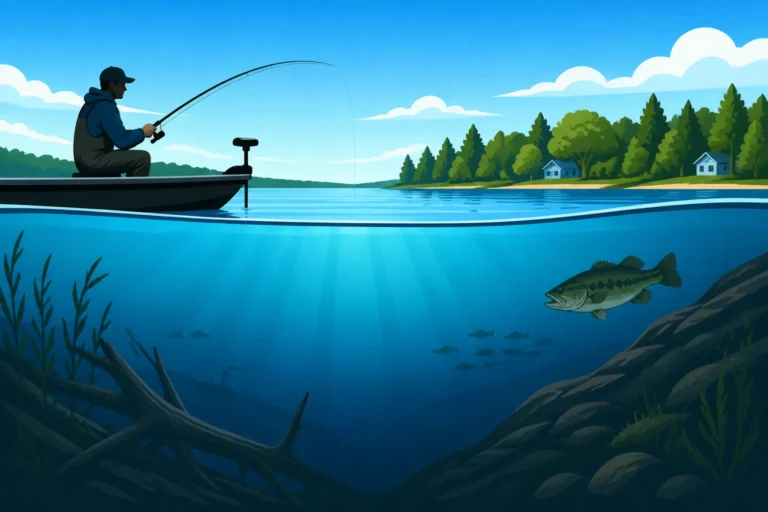
Largemouth Bass: You'll find largemouth in virtually every lake and slower river section around Lansing, especially in areas with plenty of weeds, lily pads, and submerged timber. They love cover! Topwater lures like poppers and frogs are exciting choices in low-light conditions or over weed mats. In deeper water or along weed edges, try spinnerbaits, plastic worms, or jig-and-pig combos. Small crankbaits that mimic baitfish are also highly effective. Remember, largemouth bass are often ambush predators, so targeting structure is key. Always keep an eye on the Michigan Smallmouth and Largemouth Bass Daily Limit to ensure you're compliant with regulations.
-
Smallmouth Bass: While largemouth prefer vegetated cover, smallmouth bass in the Grand River thrive in areas with rocky bottoms, current, and deeper pools. They're feisty fighters! Look for them near bridge pilings, rock piles, and current breaks. Small crankbaits, tube jigs, and spinnerbaits are excellent choices. They're also suckers for live bait like crayfish or minnows, if allowed. Fishing in the Grand River for smallmouth can be very rewarding, offering a strong fight on lighter tackle.
-
Panfish (Bluegill, Crappie, Perch): These are the perfect species for a relaxed day on the water, especially for beginners or kids. You can find bluegill, crappie, and yellow perch in nearly every lake and slower river stretch. For bluegill, a simple setup with a bobber, a small hook, and a piece of worm, crickets, or maggots is often all you need. Look for them around shallow weeds, docks, and submerged brush. Crappie often hang out in schools near submerged timber or brush piles in slightly deeper water. Small jigs tipped with minnows or soft plastics are very effective. Perch can be found deeper, especially in colder water, and respond well to small minnows or pieces of worm on a dropper rig. To learn more about these enjoyable species, check out our Michigan Panfish Species Guide.
Pursuing Pike and Walleye
For anglers seeking a bit more challenge and a larger fight, northern pike and walleye offer exciting opportunities in the Lansing area.
-
Northern Pike: These aggressive predators are present in many of the larger lakes like Lake Lansing, Sleepy Hollow Lake, and Thornapple Lake, as well as sections of the Grand River. They love weed beds, fallen trees, and other ambush points. Large spinnerbaits, spoons, and crankbaits are go-to lures. Live minnows fished under a bobber or on a quick-strike rig can also be incredibly effective. Be sure to use a wire leader, as their razor-sharp teeth can easily cut through monofilament or fluorocarbon line. Pike can grow quite large, offering a thrilling battle!
-
Walleye: While not as universally abundant as bass or panfish in the immediate Lansing area, walleye can be found in the Grand River and some specific inland lakes. The Grand River itself, particularly in deeper pools and current seams, holds walleye. You might also find them in larger lakes with sufficient depth and forage. Walleye are often most active during low-light conditions, like dawn, dusk, or even at night. Jigging with minnows, nightcrawlers, or soft plastics is a classic technique. Trolling with crankbaits is also effective in lakes. For more in-depth strategies, refer to our Michigan Walleye Fishing Techniques guide, and always be aware of the Michigan Walleye Size and Possession Limits. If you're serious about targeting walleye, looking up a local fishing report or guide on FishingBooker for specific insights into current patterns can be invaluable.
Seasonal Strategies for Success
Michigan's distinct seasons play a huge role in fish behavior, and adapting your tactics accordingly is crucial for consistent success near Lansing.
-
Spring: As ice melts, fish become more active. Walleye and pike will often move into shallower areas to spawn. Bass fishing picks up as water temperatures rise, with fish staging near spawning grounds. Panfish also become very active in the shallows. This is a fantastic time for river fishing as water levels can be higher and fish more concentrated.
-
Summer: Warm water disperses fish, often sending them to deeper, cooler waters or into dense cover during the day. Early mornings and late evenings become prime time, especially for bass and walleye. Night fishing for walleye can be particularly productive. Panfish will still be found in and around weed beds, often moving into deeper sections of those beds.
-
Fall: As water temperatures drop, fish often go on a feeding frenzy to bulk up for winter. This can be one of the best times for aggressive species like pike and bass, which will hit larger baits. Walleye fishing also improves dramatically in the fall. River fish become more active as current picks up with autumn rains.
-
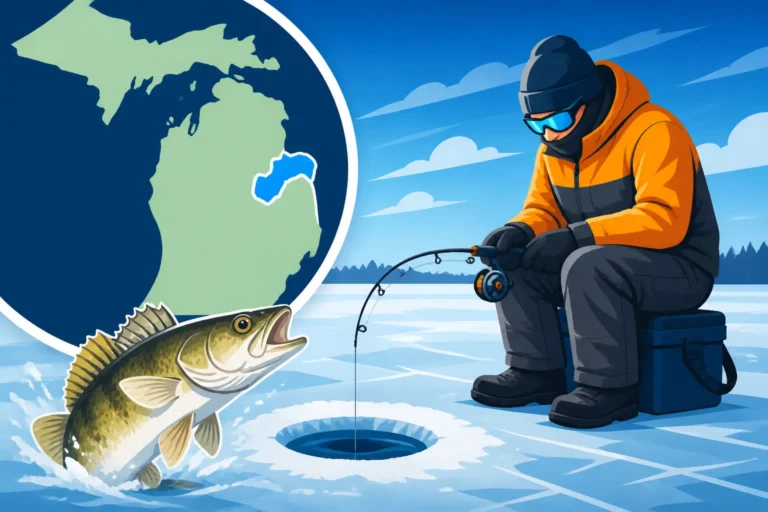
Winter (Ice Fishing): When lakes freeze over, ice fishing becomes the main game. Lake Lansing and Sleepy Hollow Lake are popular ice fishing destinations. Perch, bluegill, crappie, and pike are commonly caught through the ice. Jigging small spoons or soft plastics tipped with spikes or waxworms is effective for panfish, while tip-ups with minnows are great for pike and walleye. For everything you need to know about ice fishing, check out our comprehensive Michigan Ice Fishing Guide.
Essential Gear and Local Resources
Having the right gear and knowing where to find local expertise can make all the difference in your Lansing area fishing adventures. You don't need a boatload of expensive equipment, but a few key items and connections will set you up for success.
Must-Have Tackle for Lansing Area Fishing
Given the diversity of species and water types around Lansing, a versatile tackle box is your best friend.
-
Rods and Reels: A medium-light to medium power spinning rod (6-7 feet long) with a matching spinning reel spooled with 6-10 lb monofilament or braided line is a great all-around setup. This handles most panfish, bass, and even smaller pike and walleye. If you plan to target bigger pike or muskies, a medium-heavy baitcasting setup with heavier line (20lb+ braid) is a wise investment.
-
Lures:
- Soft Plastics: Worms, creature baits, and tube jigs in natural colors (green pumpkin, black, brown) are bass magnets. White or chartreuse soft plastics on small jigs work wonders for crappie and perch.
- Spinnerbaits and Buzzbaits: Excellent for covering water and targeting aggressive bass and pike in weedy areas.
- Crankbaits: Small to medium-sized crankbaits (both shallow and deep diving) are effective for bass, walleye, and pike in rivers and lakes.
- Spoons: Casting spoons in silver, gold, or flashy colors are great for pike and can sometimes attract aggressive bass.
- Jigs: A variety of jig heads (1/16 oz to 1/2 oz) paired with soft plastics, live bait, or hair jigs are essential for nearly all species.
-
Live Bait: Don't underestimate the power of live bait! Worms (nightcrawlers, red wigglers), minnows, and waxworms are consistently effective for a wide range of species. Many local bait shops will have these readily available.
-
Terminal Tackle: Hooks (various sizes, from small panfish hooks to larger worm hooks), sinkers (split shot, bullet weights), bobbers (slip bobbers and fixed bobbers), and swivels are all crucial. Wire leaders are a must if you're targeting pike.
-
Tools: Pliers for hook removal, line cutters, a small landing net (especially for pike or bass), and a measuring tape (to ensure you comply with Michigan Daily Bag Limits by Species) are highly recommended.
Connecting with Local Expertise
Leveraging local knowledge can dramatically shorten your learning curve.
-
Bait and Tackle Shops: These are goldmines of information. Staff often know what's biting, where, and on what. Shops like Frank's Great Outdoors or local independent bait shops near Lansing are excellent places to start. They can also advise on specific local regulations or recent changes.
-
Michigan DNR Website/App: The Michigan Department of Natural Resources (DNR) website is an invaluable resource for everything from regulations to fishing reports. You can find the latest Michigan Fishing Regulations Every Angler Should Know there, and their Hunt Fish App allows you to access your license and report certain catches on the go.
-
Online Forums and Social Media Groups: Many local fishing groups on platforms like Facebook are dedicated to Lansing-area fishing. These communities are great for asking questions, sharing tips, and getting real-time updates on fishing conditions.
-
Fishing Guides and Charters: For those looking to learn a particular lake or technique, consider hiring a local guide. While not as common for river fishing within Lansing, guides specializing in nearby lakes or targeting specific species (like muskellunge on Thornapple Lake) can provide invaluable insights. Platforms like FishingBooker can help you find reputable guides operating in the broader Lansing region.
Table: Lansing Area Fishing Hotspots & Species Guide
| Fishing Spot | Primary Target Species | Best Methods | Notable Features/Tips |
|---|---|---|---|
| Grand River (Lansing) | Smallmouth Bass, Largemouth Bass, Channel Catfish, Northern Pike, Panfish | Jigs, Spinnerbaits, Crankbaits, Live Bait (worms/minnows), Bottom Rigs | Accessible shore fishing, current breaks, bridge pilings. Can be productive right in the city. Watch for varying depths and structure. |
| Lake Lansing | Largemouth Bass, Northern Pike, Panfish (Bluegill, Crappie, Perch) | Topwater lures, Plastic worms, Jigs, Minnows, Worms under bobber | All-sports lake with public boat launch. Fish weed lines and docks. Early mornings or evenings best to avoid heavy boat traffic. Good family spot. |
| Sleepy Hollow Lake | Largemouth Bass, Northern Pike, Panfish | Spinnerbaits, Plastic worms, Jigs, Live bait | State Park offers quieter, natural setting. Electric motors only. Plenty of submerged structure and weed beds. Good shore access. Excellent for a peaceful day or kayak fishing. |
| Thornapple Lake | Largemouth Bass, Smallmouth Bass, Northern Pike, Muskellunge, Panfish | Crankbaits, Large spinnerbaits, Jigs, Plastic worms, Live bait | Larger lake system with diverse structure. Known for potential muskellunge. Boat highly recommended to access deeper areas and coves. Can be a challenging but rewarding fishery. |
| Looking Glass River | Panfish, Smallmouth Bass, Largemouth Bass | Small jigs, Worms, Spinners | Smaller, more intimate river. Can be wadable in spots. Good for light tackle and a relaxing day. Access points might be less developed, look for public easements or bridge crossings. |
| Lake Chemung | Largemouth Bass, Northern Pike, Panfish | Soft plastics, Crankbaits, Live bait, Jigs | Public access available. Tends to be less pressured than Lake Lansing. Offers good all-around lake fishing opportunities. Explore different depths for various species. |
Disclaimer
The information provided in this guide is for general informational purposes only and is not intended as legal advice. Fishing regulations in Michigan can change frequently. Always consult the most current Michigan Department of Natural Resources (DNR) fishing guide or website for the latest rules, regulations, and licensing requirements before heading out on the water. Following all state and local laws is the angler's responsibility.