Can You Transfer a Michigan Fishing License to Someone Else?
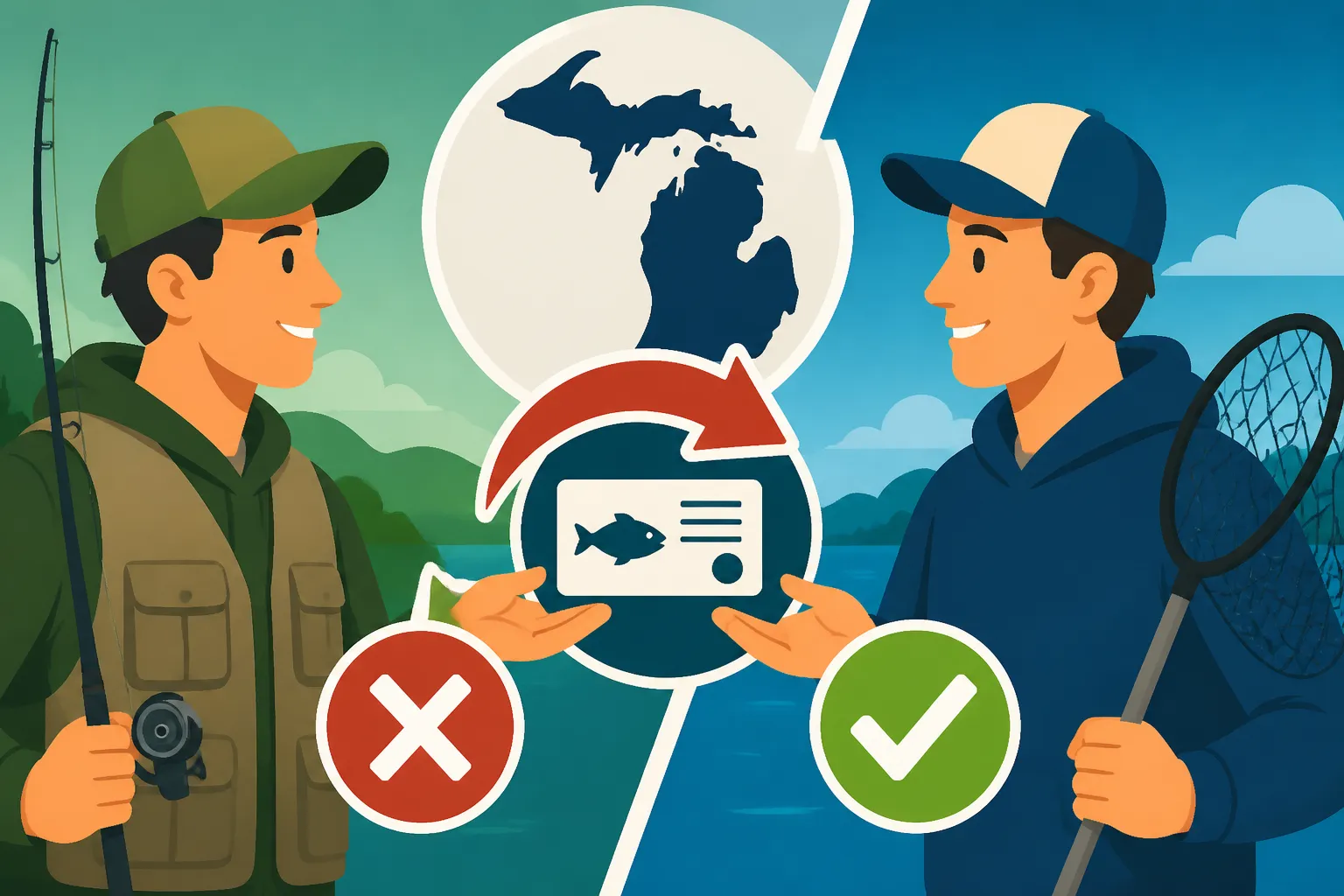
It’s a common thought, especially when you’re planning a fishing trip with friends or family and someone has an existing Michigan fishing license: "Can't we just use that one?" The idea of sharing resources, especially something like a license, seems logical on the surface. However, when it comes to Michigan fishing licenses, the short and unequivocal answer is no, you absolutely cannot transfer a fishing license to someone else. This guide will meticulously break down why that's the case, what the rules really mean, and what viable alternatives exist for every angler.
The Strict Rules Against License Transfer in Michigan
Michigan's fishing license system is designed to be individual-specific, tied directly to the person who purchased it. This isn't just a bureaucratic hurdle; it's fundamental to how fisheries are managed, how conservation efforts are funded, and how compliance is enforced across the state's vast network of lakes, rivers, and Great Lakes waters. Your fishing license acts as a personal permit, a unique identifier that grants you the privilege to fish within the specified regulations.
Why Licenses Are Individually Issued
Each fishing license in Michigan, whether it's an annual resident license or a short-term nonresident option, is linked to a specific individual's customer ID number, which in turn is tied to their personal identification details like their driver's license or state ID. This personalized approach is crucial for several reasons. Firstly, it ensures accountability. If there's ever a question about compliance with Michigan Fishing Regulations Every Angler Should Know, or if a violation occurs, law enforcement needs to easily identify the responsible party. Imagine the chaos if licenses could be passed around like a library book! It would be impossible to track who was fishing, making it incredibly difficult to manage fish populations, enforce bag limits, or investigate any infractions.
Secondly, the individual nature of licenses is tied directly to the funding structure of Michigan’s conservation efforts. When you purchase a license, a portion of that fee goes directly to the Michigan Department of Natural Resources (DNR) to fund critical initiatives. This includes fish stocking programs, habitat restoration, scientific research, and enforcement activities. If licenses were transferable, the revenue generated would plummet, severely impacting the DNR's ability to protect and enhance Michigan's incredible aquatic resources. Each sale is a direct contribution from an individual angler to the health of the state's fisheries, which is something we all benefit from.
Understanding What a Fishing License Represents
A Michigan fishing license is more than just a piece of paper; it's a legal document. It certifies that the individual named on the license has met the legal requirements to fish, including acknowledging and agreeing to abide by all the rules and regulations. This legal standing is why carrying proof of your license, whether a physical copy or via the Michigan's DNR Hunt Fish App for Licenses and Reporting on your phone, is mandatory while fishing. It’s an explicit agreement between you and the state that you understand the terms of your fishing privileges. Trying to use someone else's license is akin to driving with another person's driver's license – it's a clear violation of state law, designed to prevent fraud and ensure that every person engaged in the activity is legally permitted to do so.
Understanding Michigan's Individual License Requirements
Because licenses are personal, it's vital to understand the various types available and who qualifies for them. Michigan offers different licenses tailored to residents, nonresidents, seniors, and youth, each with specific criteria and costs. This variety ensures that everyone has an appropriate option, eliminating any perceived need to "borrow" a license.
Residency and Nonresident Licensing
The distinction between a Michigan Resident Fishing License Cost and a Michigan Nonresident Annual Fishing License Cost is significant, reflecting the state's desire to provide more affordable options for its tax-paying residents while also ensuring nonresidents contribute fairly to the state's resources they enjoy. To qualify as a Michigan resident for licensing purposes, you generally need to have resided in the state for at least six consecutive months immediately preceding the application. If you don't meet these criteria, you're considered a nonresident, even if you own property here or visit frequently.
This residency requirement further underscores the non-transferability rule. A Michigan resident's license is valid for that resident only. A nonresident cannot use a resident's license, nor can a resident use a nonresident's license if it were somehow possible to switch them. Each category is designed for specific individuals based on their legal residency status. This ensures equity in pricing and adherence to regulations that might differ slightly for different groups. For example, a weekend visitor from Ohio or Indiana needs to purchase a specific Nonresident Fishing in Michigan: What the Law Requires, not try to use their cousin's annual Michigan resident license.
Age-Based License Rules
Michigan also has clear guidelines based on age, which many people often misunderstand when considering license sharing. In Michigan, children under the age of 17 do not need a fishing license. This is a fantastic incentive to get young people into fishing and is one of the most generous youth fishing policies around. This means if you're taking your child or grandchild out fishing, you don't need to worry about them having their own license until they turn 17.
However, once an individual reaches 17 years of age, they are legally required to purchase their own license. There's no "family plan" or shared license that covers multiple adults or older teens. For example, if you have a 16-year-old and an 18-year-old, the 16-year-old fishes free, but the 18-year-old must have their own valid license. This also applies to senior residents who can get a Michigan Senior Fishing License Discount, which is a special rate specifically for them, not for a younger companion. The rules are quite explicit on this point, leaving no room for sharing or transferring. You can find more details in our guide, Do Kids Need a Fishing License in Michigan?.
| License Type | Target Angler | Transferable? | Key Feature |
|---|---|---|---|
| Annual Resident | Michigan Resident (17+) | No | Most comprehensive, best value for residents |
| Annual Nonresident | Out-of-state Visitor (17+) | No | Covers all fish species for nonresidents |
| 24-Hour (Resident/Nonresident) | Any angler (17+) | No | Ideal for short, spontaneous trips |
| Senior Resident | Michigan Resident (65+) | No | Discounted rate for qualifying residents |
| Youth (Under 17) | Any angler (Under 17) | No (Not needed) | Fishes for free, encouraging participation |
Consequences of Sharing or Misusing a Fishing License
While the temptation to save a few bucks or simplify things by sharing a license might be there, the risks far outweigh any perceived benefits. Fishing without a proper, individually held license, or using one that isn't yours, carries significant legal and practical repercussions that can quickly turn a fun day on the water into a costly headache.
Legal Penalties and Fines
Fishing without a valid license or using a transferred license is considered a violation of Michigan law. The penalties can range from substantial fines to legal fees, and in some cases, even the confiscation of fishing equipment. A first offense for fishing without a license can lead to fines up to $250, plus court costs. Repeat offenses or more serious violations, such as misrepresenting your residency to obtain a cheaper license, can result in even stiffer penalties, including jail time. It’s simply not worth the risk. Our detailed guide on Michigan Fishing Violation Penalties and Fines can give you a clear picture of what you might face.
Furthermore, a conviction for a fishing violation can result in the loss of your fishing privileges for a certain period. This means you might be prohibited from purchasing a Michigan fishing license for one or more years, effectively sidelining you from a favorite pastime. Imagine being unable to fish during prime seasons because you tried to cut corners. It’s a harsh reality that many anglers overlook.
Impact on Conservation Efforts
Beyond the personal legal ramifications, misusing or transferring licenses has a broader, more detrimental impact on Michigan’s natural resources. As mentioned, license sales directly fund the state’s critical conservation programs. When people fish without a valid license, they are not only breaking the law but also shirking their responsibility to contribute to the maintenance of the very fisheries they are enjoying.
Every dollar from a valid license purchase helps to ensure that Michigan's lakes and rivers remain healthy and teeming with fish for future generations. This includes funding for fish hatcheries that stock species like salmon and trout, programs to monitor water quality, and initiatives to combat invasive species that threaten native populations. Think of it this way: your license fee is an investment in the future of Michigan fishing. If that funding is compromised by illegal activities like license sharing, everyone loses out in the long run.
Alternative Solutions for Group or Occasional Fishing
Given that sharing a fishing license is not an option, what are the best ways to ensure everyone in your fishing party is legally covered? Michigan's DNR has made it incredibly straightforward to purchase licenses, offering several flexible options to suit different needs and budgets.
Easy License Purchase Options
The simplest and most straightforward solution is for every individual aged 17 or older to purchase their own Michigan fishing license. The process is remarkably user-friendly:
- Online: The Michigan DNR website is the easiest place to buy a Michigan Fishing License Online. You can complete the purchase from the comfort of your home, print your license, or save it to your phone using the Michigan's DNR Hunt Fish App for Licenses and Reporting. This is often the preferred method for many anglers, allowing them to secure their license well in advance of a trip.
- In-Person: If you prefer a physical transaction or need assistance, licenses can be purchased at hundreds of authorized license retailers across the state, including bait and tackle shops, sporting goods stores, and some county clerk offices. These locations can be found easily through the DNR's website.
- DNR Customer Service Centers: For more complex situations or specific inquiries, you can visit one of the DNR customer service centers.
These various purchasing avenues ensure that obtaining a personal license is never an obstacle to enjoying Michigan's fantastic fishing opportunities. No matter where you are or what your schedule looks like, there's a convenient way to get licensed.
Utilizing Short-Term and Free Fishing Opportunities
For those who only fish occasionally or are visiting Michigan for a brief period, an annual license might seem excessive. Fortunately, the DNR offers more flexible options:
- 24-Hour License: This is a fantastic option for a quick fishing trip or for visitors. The Michigan 24-Hour Fishing License Explained provides full fishing privileges for a 24-hour period from the time of purchase. This is significantly cheaper than an annual license and perfect for a spontaneous outing. For instance, if you're only planning to fish a particular stream for trout for a single day, this license covers you completely without the commitment of an annual fee. It’s also available for both residents and nonresidents, making it very accessible.
- Free Fishing Weekends: Michigan hosts two Free Fishing Weekends each year – one in winter and one in summer. During these weekends, both residents and nonresidents can fish without a license. This is a perfect opportunity to introduce new anglers to the sport or to enjoy a weekend with friends without worrying about individual license purchases. You can learn more about these special events in our guide, Michigan Free Fishing Weekends Explained. While these weekends are a great perk, they are limited, so they don't replace the need for an individual license for regular fishing.
Gifting Licenses and Gear
While you can't transfer a license you already own, you can purchase a fishing license as a gift for someone else. This is a thoughtful way to encourage a friend or family member to get out on the water. When gifting, you simply need the recipient's information to ensure the license is issued in their name, making it a valid, personal document for them. This avoids any issues with transferability and ensures they are legally covered.
If you’re looking to get someone set up for fishing beyond just a license, you can also consider gifting fishing gear. Instead of trying to share a single rod and reel, everyone can have their own. A quick search on platforms like Amazon will show you an array of affordable beginner combos – think a decent spinning rod and reel combo that won't break the bank but will hold up for years. Companies like Ugly Stik or Penn often have reliable entry-level options readily available. This way, everyone has their own equipment, tailored to their preferences, and is completely independent when it comes to their gear and their legal fishing status. Similarly, small tackle boxes filled with basic lures and hooks can be found on Amazon, ensuring everyone has their essential fishing tools. This practical approach supports individual participation and adheres to all regulations.
Remember, the goal is to make fishing accessible and enjoyable for everyone, and the best way to do that is by understanding and adhering to Michigan's clear and consistent regulations.
Disclaimer
The information provided in this guide is intended for general informational purposes only and does not constitute legal advice. Fishing regulations in Michigan can change, and it is always the angler's responsibility to consult the most current Michigan Fishing Regulations Digest published by the Michigan Department of Natural Resources (DNR) or visit their official website before engaging in any fishing activities. Compliance with all state and local laws is mandatory.