Michigan’s Protected Walleye Slot Between 18 and 23 Inches
It can be incredibly frustrating to head out on the water, spend hours perfecting your technique for elusive walleye, only to realize you're not entirely sure which fish you can actually keep. Michigan's fishing regulations, especially when it comes to specific species like walleye, can sometimes feel like a complex puzzle. This comprehensive guide will meticulously break down Michigan's protected walleye slot limit, helping you understand the rules, why they exist, and how to confidently comply every time you hit the water.
Understanding Michigan's Walleye Protected Slot Limit
Michigan, known for its incredible walleye fisheries across both the Great Lakes and numerous inland bodies of water, has implemented specific regulations to ensure these populations thrive for generations. Among the most important of these rules is the "protected slot limit" for walleye, a management tool designed to balance harvest opportunities with conservation goals.
What a Protected Slot Limit Means for Anglers
A protected slot limit isn't just an arbitrary number; it's a carefully considered biological management strategy. In simple terms, it means there's a specific size range of fish that cannot be kept by anglers – they must be immediately released back into the water. Fish smaller than this slot are typically legal to keep, as are fish larger than the slot. The idea behind this is to protect a segment of the fish population that is crucial for spawning and growing into larger, more desirable trophy sizes. By safeguarding these "middle-aged" fish, we ensure they have the opportunity to reproduce and contribute to the overall health and future abundance of the fishery. It’s a way of saying, "Let these fish grow, spawn, and create more fish for everyone."
The 18- to 23-inch Walleye Rule Explained
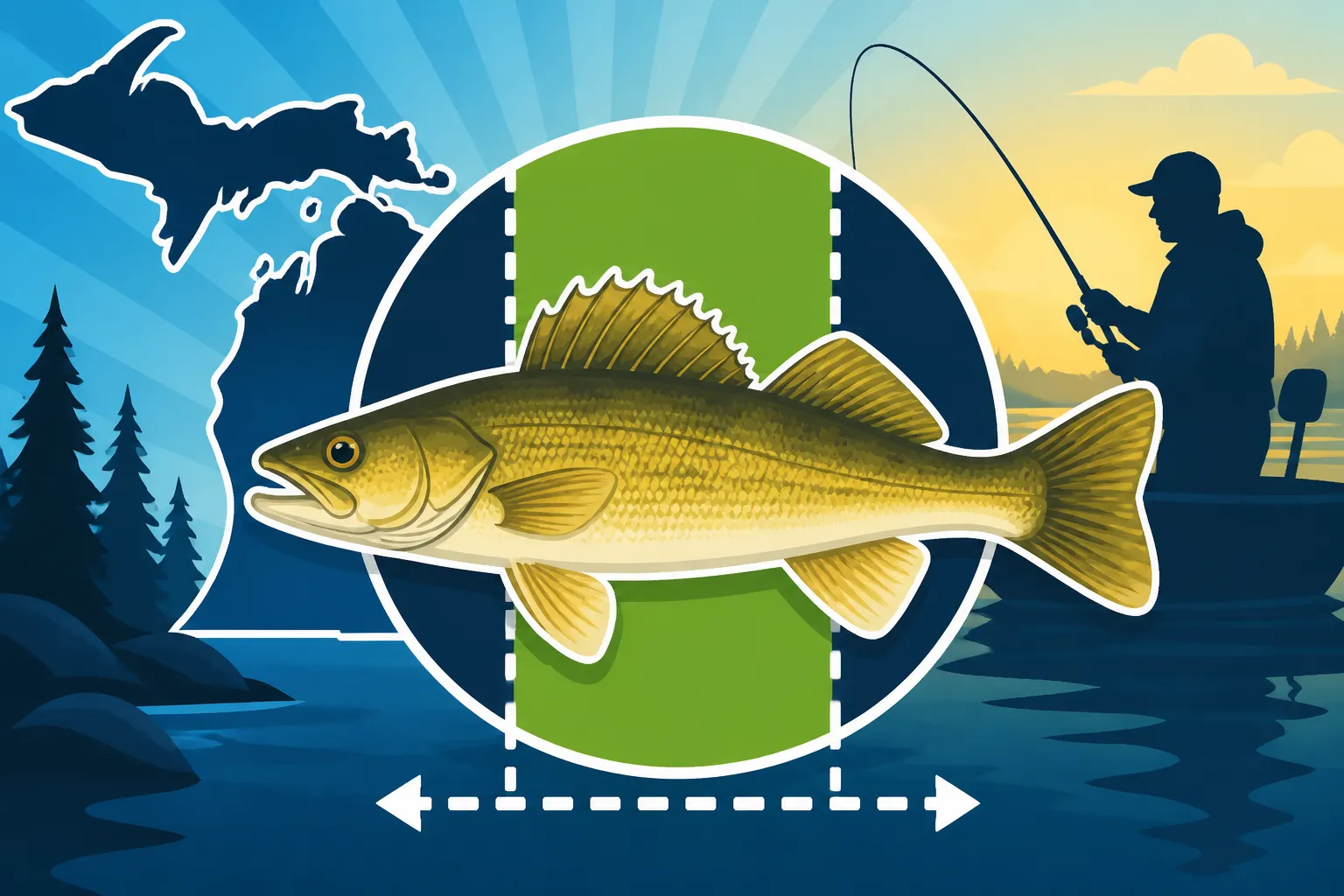
For many of Michigan's prime walleye waters, the protected slot limit specifically targets walleye between 18 and 23 inches in length. This means if you catch a walleye that measures 18 inches, 19 inches, all the way up to 23 inches, that fish must be released. It's not optional; it's a hard and fast rule.
So, what can you keep? You can keep walleye that are shorter than 18 inches. These are often referred to as "eaters" – smaller, younger fish that are abundant and make excellent table fare. You can also keep walleye that are 23 inches or longer. These are the magnificent "trophy" fish, mature and often past their prime spawning years, having already contributed significantly to the population. Think of it like a carefully managed garden where you thin out the smaller plants and let the biggest ones flourish, all while making sure the mid-sized, productive plants keep doing their important work. This particular range, 18 to 23 inches, covers a significant portion of the adult spawning population in many areas.
Why This Regulation is Crucial for Walleye Conservation
The Michigan Department of Natural Resources (DNR) doesn't just pull these numbers out of a hat. The 18- to 23-inch protected slot limit is based on extensive scientific research into walleye biology, growth rates, and spawning behavior. Walleye in this size range are often the most reproductively active, meaning they are the ones laying the most eggs and ensuring the next generation of fish.
By protecting these key spawners, the DNR aims to achieve several important conservation goals:
- Enhanced Reproduction: Allowing these fish to live longer increases their chances to spawn multiple times, directly boosting the number of new walleye in the system.
- Improved Genetics: Protecting a diverse range of sizes, including larger fish, helps maintain a healthy genetic pool within the walleye population.
- More Trophy Fish: By letting fish grow past the 18-inch mark, many will eventually reach the 23-inch-plus "trophy" size, providing exciting opportunities for anglers seeking that true lunker. It helps spread out the age structure, meaning you're not just catching small fish, but also larger, more mature ones. This ensures that Michigan continues to offer some of the best Walleye Fishing in Michigan, attracting anglers from all over.
How the Walleye Slot Limit Affects Your Fishing
Understanding the protected slot limit is one thing, but knowing how to apply it practically while you're out on the boat or shore is another. It directly impacts what you do when you reel in a walleye, adding a critical step to your catch management.
Essential Catch and Release Practices for Protected Fish
When you hook a walleye that falls within that 18- to 23-inch slot, immediate and proper catch-and-release is paramount. These fish are literally the future of the fishery, and their survival after release is crucial. Here are some best practices:
- Handle with Care: Minimize the time the fish is out of the water. If possible, keep the fish in the water while you remove the hook.
- Wet Hands Only: Always wet your hands before touching the fish. Dry hands can remove the protective slime coat, leaving the fish vulnerable to disease.
- Use a Rubber-Coated Net: If you need a net, a knotless, rubber-coated landing net is ideal. It's much gentler on the fish's fins and slime coat than traditional nylon nets. You can find excellent options for these on Amazon, often bundled with other essential fishing tools.
- Dehook Carefully: Use long-nosed pliers or a dehooking tool to remove the hook quickly. If the fish is deeply hooked, especially in the gills, it might be better to cut the line as close to the hook as possible. Don't yank or tear at the fish.
- Support the Fish's Body: When holding a walleye, support its entire body horizontally, especially if it's a larger fish. Avoid holding it vertically by the jaw or gills, which can damage its internal organs and spine.
- Revive If Necessary: If the fish seems sluggish, hold it gently in the water, facing into the current, allowing water to flow over its gills until it regains strength and swims away on its own.
Keeping Your Legal Catch: What You Can Bring Home
So, after careful measuring, you find your walleye is either under 18 inches or 23 inches or longer. Fantastic! These are the fish you can legally add to your cooler. It’s important to remember that these legal fish also count towards your Michigan Walleye Size and Bag Limits, which typically specify a maximum number of fish you can keep per day. Always double-check the current regulations, as bag limits can vary by water body. For instance, while the statewide bag limit is often generous, some specific lakes or rivers might have lower limits or other restrictions.
When you're keeping legal fish, it’s a good idea to bleed them immediately after they are harvested. This improves the flavor and texture of the meat. Place them on ice in a cooler to keep them fresh until you get home. A good insulated cooler is an essential piece of gear for any serious angler, ensuring your catch is in prime condition.
Navigating Potential Scenarios and Ensuring Compliance
Imagine this: You’re on the water, fishing a favorite spot. You catch a walleye, quickly measure it, and it’s right at 19 inches. What do you do? You release it, simple as that. Then, twenty minutes later, you catch another one that measures 17 inches. That one can go in the cooler! This scenario highlights why having a reliable measuring device – a bump board or even a flexible measuring tape – is absolutely essential. Many anglers keep a marked measuring decal on their boat or cooler for quick reference.
Another scenario: You're out with a friend, and they catch a walleye that's 20 inches. Your friend insists they've heard about an exception for this lake. Before acting, you'd want to confirm that information. This is where resources like the official Michigan Fishing Regulations Every Angler Should Know digest or the Michigan's DNR Hunt Fish App for Licenses and Reporting become invaluable. Always verify specific regulations for the body of water you're on to avoid a costly misunderstanding. A simple search on your phone can often confirm or deny such claims, ensuring you stay compliant with all Michigan Fishing Regulations.
Exemptions and Local Variations to the Rule
While the 18- to 23-inch protected slot limit for walleye is common across many Michigan waters, it's absolutely critical to understand that it's not universal. Michigan has a diverse array of fisheries, and some specific lakes and rivers have unique regulations tailored to their particular walleye populations.
Statewide Rules Versus Water-Specific Regulations
The Michigan DNR manages fisheries on a case-by-case basis when necessary. This means that while there are often "general regulations" that apply statewide, many popular fishing spots, especially larger lakes or river systems, will have their own set of rules. These water-specific regulations can override the general statewide rules for things like size limits, bag limits, and yes, even protected slot limits.
This approach allows the DNR to address specific biological conditions, population dynamics, or angler pressures unique to a particular body of water. For example, a lake with an exceptionally robust walleye population might have a more liberal size limit, while a lake that's struggling might have more restrictive rules to aid recovery. It's a localized conservation effort that means you, as an angler, need to be diligent about checking the rules for each place you fish.
Identifying Common Exceptions and Unique Rules
Perhaps the most famous exception to the general walleye slot limit in Michigan is Lake Erie. For years, Lake Erie has been a walleye fishing powerhouse, often considered one of the best walleye fisheries in the world. The sheer abundance of walleye in Lake Erie, coupled with its vast size and unique ecosystem, means that the typical 18- to 23-inch protected slot usually doesn't apply there. Instead, Lake Erie often has a simple minimum size limit and a more generous daily possession limit. This allows anglers to take advantage of the massive walleye populations without hindering conservation efforts.
Other areas, such as specific inland lakes or stretches of rivers like the Saginaw Bay, might have their own nuanced rules regarding walleye. Some might have a slightly different slot, a higher or lower minimum size, or even a different daily bag limit. It's not uncommon to see regulations like "no more than one fish over X inches" in addition to a general bag limit. These are all designed to manage that specific body of water for optimal health and fishing opportunity. You can sometimes find this specific guidance within sections detailing Michigan's Great Lakes Fishing Regulations Guide for larger bodies of water.
How to Check Regulations for Your Specific Fishing Spot
Given the potential for variations, how do you make sure you're always fishing legally? The answer lies in reliable, up-to-date sources.
- The Michigan Fishing Regulations Digest: This is your bible! The DNR publishes a new digest every year, typically available in print at bait shops, sporting goods stores, and DNR offices, or as a free PDF download on their website. I always recommend having a copy, digital or physical, readily accessible. You can even find previous year's digests or supplementary guides for specific species on platforms like Amazon. The digest outlines all statewide rules and then provides detailed exceptions for specific lakes, rivers, and Great Lakes zones. Make it a habit to glance over the "Reading the Michigan Fishing Regulations Digest" each season.
- Michigan's DNR Hunt Fish App: This fantastic mobile app is a game-changer. It allows you to quickly look up regulations by location, species, or even by a specific body of water. It's convenient, real-time, and often includes maps and other useful features. If you're out on the water and have a question, this app is often your quickest resource.
- Local Bait and Tackle Shops: These are goldmines of information. Shop owners and employees often have intimate knowledge of local regulations and recent changes. They can tell you about any specific quirks for the waters they serve.
- DNR Website: The official Michigan DNR website is always a definitive source for the most current regulations and any emergency closures or changes.
Always, always verify the regulations for the specific body of water you intend to fish before you cast your line. A few minutes of research can save you a significant fine and contribute to the responsible stewardship of Michigan's precious fisheries.
Here's a quick overview of how walleye limits generally work, keeping in mind specific locations can vary:
| Regulation Type | General Statewide Rule (Typical) | Common Lake Erie Exception (Example) | Why it Varies |
|---|---|---|---|
| Minimum Size Limit | 15 inches (unless otherwise noted) | Often 15 inches | Ensures fish reach a certain maturity before harvest. |
| Protected Slot Limit | 18 to 23 inches (fish in this range MUST be released) | None (usually no protected slot on Lake Erie) | Protects key spawning fish, but not needed in hyper-abundant areas. |
| Daily Bag Limit | 5 fish | Often 6 fish (check annual regulations, can be higher) | Manages total harvest based on population health. |
| Special Notes | Only one fish over 23 inches may be kept in your daily limit (if applicable) | Check for specific annual updates; can be very generous when populations are high. | Further protects larger, trophy-sized fish in some waters. |
Always consult the current Michigan Fishing Regulations Digest for the most accurate and up-to-date information for your specific fishing location.
The Benefits of a Protected Slot Limit for Walleye
Implementing a protected slot limit might feel like a restriction at first glance, but the long-term benefits for both the walleye population and the angling community are substantial and widely recognized by fisheries biologists and seasoned anglers alike. It's a proactive step in fishery management that pays dividends for years to come.
Ensuring Future Generations of Trophy Fish
Who doesn't dream of catching a true trophy walleye? That's precisely one of the outcomes a slot limit helps to achieve. By protecting those middle-sized fish (18-23 inches), we're allowing them to live longer, grow larger, and reach impressive sizes. These protected fish get the chance to move beyond the 23-inch mark, turning into the magnificent "lunkers" that make for incredible stories and photos.
Without a slot limit, there's often a tendency for anglers to harvest these mid-sized, healthy eating fish, which might inadvertently reduce the number of fish that have the opportunity to grow into larger, older, and more impressive specimens. It creates a vacuum of "big fish." The slot limit acts as a "nursery" for larger fish, funneling a significant portion of the population towards that trophy status, directly improving the quality of fishing for those seeking larger Walleye Fishing in Michigan. This strategy encourages a more natural age structure in the fish population, meaning more truly big fish for anglers to pursue, enhancing the overall quality of the fishery over time.
Maintaining Healthy Fish Populations
Beyond just creating trophy fish, the slot limit is fundamentally about ecological balance and sustainability. Walleye in the 18- to 23-inch range are often at their peak reproductive age. By protecting them, we are directly investing in the future of the fishery by ensuring these fish have ample opportunity to spawn successfully. More spawning fish mean more eggs, more fry, and ultimately, more young walleye recruiting into the population.
This helps to maintain a robust and resilient walleye population that can withstand natural fluctuations, environmental changes, and continued angling pressure. It’s a crucial tool for responsible resource management, making sure that future generations of anglers have the same, if not better, opportunities to enjoy Michigan's incredible walleye fisheries. This proactive management prevents overharvest of vital breeding stock, which is key to sustaining a healthy ecosystem. The health of the walleye population is a critical component of the broader aquatic environment.
Improving the Overall Fishing Experience
Ultimately, these regulations are designed to make fishing better for everyone. A healthy, well-managed walleye fishery means more consistent catches, the exciting possibility of landing a truly large fish, and the knowledge that you're part of a sustainable system. Anglers who understand and embrace these regulations appreciate that they are contributing to the longevity and quality of their favorite pastime.
Imagine fishing a lake year after year and consistently having a chance to catch various sizes of walleye – small "eaters," plenty of middle-sized fish to release, and the occasional battle with a true trophy. That's the vision a protected slot limit helps to create. It fosters a more rewarding and sustainable fishing experience, building a sense of community among anglers who are all working towards the common goal of preserving Michigan's fantastic fishing heritage. When done right, it can also lead to more predictable fishing seasons, as covered in topics like Michigan Fishing Season Dates and Rules, because the fish populations are healthier and more stable.
Disclaimer
The information provided in this article is for general guidance only and is not a substitute for the official Michigan fishing regulations. Regulations can change seasonally or annually, and it is the angler's sole responsibility to consult the most current Michigan Department of Natural Resources (DNR) Fishing Guide or their official website/app before engaging in any fishing activity. Non-compliance with fishing regulations can result in fines and penalties.