Michigan Senior Fishing License Price
It’s a common scenario: you’ve reached a certain age, perhaps retired, and you’re looking forward to spending more time on Michigan’s beautiful lakes and rivers. You might even recall a time when senior discounts were commonplace for just about everything, including fishing licenses in other states. Many anglers over 65 naturally assume there’s a special, reduced-price senior fishing license in Michigan, only to find the information confusing or seemingly contradictory. This guide is here to cut through that confusion and clearly explain Michigan's senior fishing license pricing, ensuring you know exactly what to expect and how to get out on the water legally and affordably.
Understanding Michigan's Fishing License System for Seniors
When it comes to fishing licenses in Michigan, the system has a unique approach, especially concerning senior anglers. Unlike some states that offer a significantly discounted or even free license once you hit a certain age benchmark, Michigan structures its licensing a little differently. This often leads to a bit of a surprise for folks who are used to other state's regulations or who remember a different system from years past.
The Current Senior License Structure
Let's get straight to the point: Michigan does not currently offer a distinct, discounted "senior fishing license" in the traditional sense for residents aged 65 and over. Instead, if you are a Michigan resident who is 65 years of age or older, you will purchase the standard Michigan Resident Annual Fishing License. This means that your age, beyond confirming your residency status, doesn't grant you an additional reduction in price compared to a younger adult resident.
This can feel a bit frustrating, especially if you have friends or family in other states where a "Golden Age" license might be a fraction of the cost or even free. For example, some states might offer a lifetime senior license for a nominal fee once you reach 65 or 70. Michigan’s philosophy has evolved to maintain a more uniform pricing structure across its resident adult population, ensuring that the critical funds generated from license sales continue to support fish stocking, habitat improvement, and enforcement efforts for all anglers, regardless of age. While it might not be the "discount" some expect, the revenue generated helps maintain the fantastic fishing opportunities we all enjoy here in Michigan.
It's also important to remember that this resident annual license covers your fishing activities from March 1st of the current year through March 31st of the following year. It’s not a calendar year license, which is a common misconception. So, if you buy your license in July, it's still valid until the end of March next year, giving you plenty of time to enjoy multiple seasons of fishing. You can learn more about this in our guide on the Michigan Fishing License Guide for Residents and Nonresidents.
Resident vs. Nonresident Senior Pricing
The primary factor determining your fishing license cost in Michigan isn't your age, but your residency status. This distinction is crucial, particularly for seniors who might spend part of the year in Michigan and part in another state, or those who simply visit Michigan to enjoy its renowned waters.
If you are a legitimate resident of Michigan, as defined by the Michigan Department of Natural Resources (DNR), you will pay the resident annual fishing license fee, regardless of whether you're 25, 45, or 75. This is the same price all adult Michigan residents pay.
However, if you are a senior but not a Michigan resident – meaning you primarily live in another state, even if you own property here or spend summers in the Upper Peninsula – you are considered a nonresident. In this case, you would need to purchase a Michigan Nonresident Annual Fishing License. The cost for a nonresident license is significantly higher than a resident license, reflecting the state's policy that those who contribute to the state's tax base through residency receive a more favorable rate for recreational licenses. This distinction is a fundamental aspect of Michigan’s licensing system and applies to all age groups. Therefore, a senior nonresident pays the nonresident fee, not a specially discounted senior price. Understanding this difference is key to knowing your exact costs when planning your Michigan fishing adventures. For a deeper dive, check out Nonresident Fishing in Michigan: What the Law Requires.
Exact Costs for Senior Anglers in Michigan
Let's talk numbers. Knowing the precise cost of your fishing license is essential for budgeting and planning your angling trips. While the dream of a heavily discounted senior license might not fully materialize in Michigan, the resident annual license still offers great value for access to some of the best fishing opportunities in the country.
Michigan Resident Annual Fishing License Cost
A Michigan Resident Annual Fishing License typically costs around $26. This is the price that all Michigan residents aged 17 and older pay, including those 65 and up. This single license grants you year-round access (within regulated seasons) to fish for all species in Michigan's abundant inland lakes, rivers, and the vast Great Lakes waters that border our state.
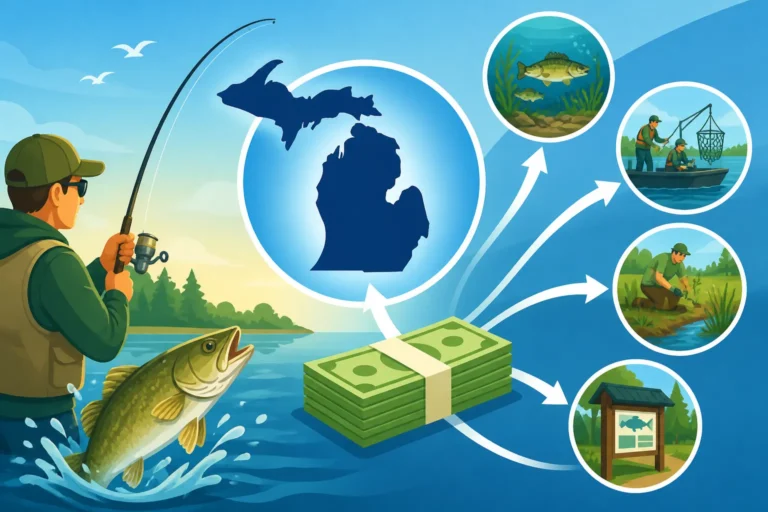
This fee isn't just an arbitrary number; it's an investment in the health and sustainability of Michigan's fisheries. A portion of every license sale directly contributes to vital conservation efforts. This includes funding for fish stocking programs, which ensure healthy populations of popular species like walleye, salmon, and trout. It also supports habitat restoration projects, critical research by fisheries biologists, and the enforcement of fishing regulations by conservation officers, all of which are crucial for maintaining world-class fishing for generations to come. So, while you might not get a specific "senior discount," your contribution is directly supporting the sport you love. You can get more details on Michigan Resident Annual Fishing License Cost.
Michigan Nonresident Annual Fishing License Cost
For our senior friends visiting from out of state, the pricing structure is different, reflecting your nonresident status. A Michigan Nonresident Annual Fishing License is considerably more expensive than the resident version, but it still provides full access to Michigan's incredible fishing landscape.
As of my last check, a Michigan Nonresident Annual Fishing License costs around $76. This higher price accounts for the fact that nonresidents do not contribute to the state's tax base in the same way residents do, yet they still benefit from the state's managed natural resources. Many out-of-state anglers find this to be a fair trade-off, given the unparalleled quality and diversity of fishing available in Michigan, from the mighty salmon and trout in the Great Lakes to the abundant bass and panfish in inland waters. If you're planning an extended stay or multiple trips throughout the year, this annual license is generally the most economical choice for nonresidents.
| License Type | Resident (Age 17+) | Nonresident (Age 17+) |
|---|---|---|
| Annual All-Species Fishing | ~$26 | ~$76 |
| 24-Hour All-Species Fishing | ~$10 | ~$10 |
| Annual Hunt/Fish Combo | ~$76 | ~$166 |
Prices are approximate and subject to change by the Michigan DNR. Always check the official DNR website for the most current pricing.
Other License Options and Their Relevance to Seniors
While the annual license is the most common choice, Michigan offers a few other options that might be particularly relevant or beneficial for senior anglers, depending on their fishing habits and length of stay.
-
24-Hour License: This is an excellent option for seniors, especially nonresidents, who might only be visiting Michigan for a very short period – perhaps a single day of fishing with family or friends. A Michigan 24-Hour Fishing License costs approximately $10 for both residents and nonresidents. This license is valid for 24 consecutive hours from the time of purchase. If you’re only planning one or two short fishing outings in Michigan for the entire year, this might be a more cost-effective choice than an annual nonresident license. However, if you plan to fish for more than a few days, the annual license quickly becomes the better value. Learn more about the Michigan 24-Hour Fishing License Explained.
-
Hunt/Fish Combo License: For seniors who enjoy both hunting and fishing, Michigan offers a combined annual license. This is often a good value, as it bundles the regular hunting and fishing licenses together at a slightly reduced overall cost compared to buying them separately. As of my last check, a Resident Annual Hunt/Fish Combo might be around $76, and a Nonresident Annual Hunt/Fish Combo around $166. If you're an active outdoorsperson who loves to pursue both game and fish, this combo license could be your best bet, saving you a few dollars in the process.
-
Voluntary Youth License: While not directly applicable to seniors, it's worth noting that Michigan residents under 17 do not need a fishing license. However, they can purchase a voluntary youth license for a nominal fee (around $2). This program encourages young anglers and the funds still support conservation. It’s a nice way for grandparents to get their grandkids involved in fishing without the worry of license costs for the little ones. For more info on who needs a license, refer to Do You Need a License to Fish in Michigan?.
Where to Purchase Your Michigan Fishing License
Getting your Michigan fishing license is a straightforward process, thanks to several convenient options provided by the Michigan Department of Natural Resources (DNR). Whether you prefer the ease of online shopping, the personal touch of an in-person purchase, or the modern convenience of a mobile app, there’s a method that will work for you.
Online Purchase Through the DNR Website
For many seniors, the most convenient way to purchase a Michigan fishing license is directly through the official Michigan DNR eLicense website. This method allows you to complete the entire transaction from the comfort of your home, at any time of day or night.
The process is quite user-friendly:
- Visit the Official Site: Navigate to the Michigan DNR eLicense portal.
- Create/Log In to Your Account: If you've purchased licenses before, you'll simply log in. If it's your first time, you'll need to create an account, which usually involves providing some basic personal information like your name, address, and date of birth. This helps the system confirm your residency.
- Select Your License: Choose the "Annual All-Species Fishing" license if you're a resident senior, or the "Nonresident Annual All-Species Fishing" license if you're visiting. If you only plan a quick trip, consider the 24-hour option.
- Complete Purchase: Follow the prompts to add the license to your cart and proceed to payment. You'll need a credit or debit card.
- Print or Save: After a successful purchase, you'll receive a confirmation email, often with a printable version of your license. You can print it out and carry it with you, or save a digital copy on your phone.
Buying online is fast, secure, and ensures you have your license before you even leave the house. Plus, it eliminates any travel time or waiting in lines. This method is fully explained in our guide on Buying a Michigan Fishing License Online.
In-Person at Authorized License Retailers
If you prefer a more traditional approach, or if you simply like to chat with someone and get local fishing tips, purchasing your license in person is always an option. Michigan has a wide network of authorized license retailers spread throughout the state.
These retailers include:
- Bait and Tackle Shops: Often the best choice, as the staff are usually avid anglers themselves and can offer invaluable advice on local conditions, hot spots, and effective baits or lures.
- Sporting Goods Stores: Larger retailers like Dunham's Sports or independent sporting goods stores typically have a dedicated license counter.
- Some Convenience Stores and Gas Stations: Many smaller shops, especially in rural or vacation areas, are authorized dealers.
- DNR Customer Service Centers: These locations offer direct assistance from DNR staff.
When purchasing in person, you'll need to bring a valid Michigan driver's license or state ID to prove your residency and age. The retailer will process your transaction and print your license on the spot. This is a great way to support local businesses and get real-time information. You can find locations near you by searching the DNR's dealer locator tool online. Our article How to Buy a Michigan Fishing License offers more details.
Using the Michigan DNR Hunt Fish App
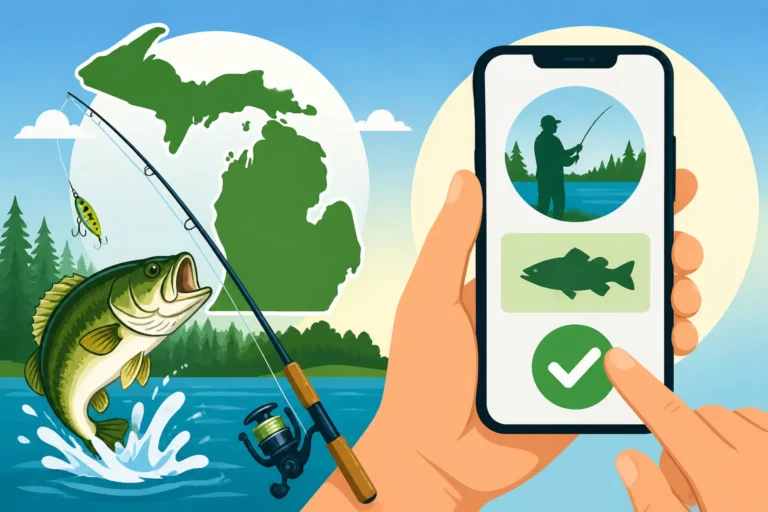
In this digital age, the Michigan DNR offers a fantastic mobile application called the "Michigan DNR Hunt Fish App." This app is incredibly convenient, especially for tech-savvy seniors who want their license readily available on their smartphone.
Here’s how it works:
- Download the App: Search for "Michigan DNR Hunt Fish" in your smartphone's app store (available for both Apple and Android devices).
- Log In: Use your existing DNR eLicense account credentials to log in.
- Purchase Licenses: You can purchase new licenses directly through the app, just like on the website.
- Digital Proof: Once purchased, your license will be stored digitally within the app. This means you don't need a physical paper copy; your phone acts as your proof of license. This is incredibly handy if you're prone to forgetting your wallet or printed documents.
- Reporting: Beyond licenses, the app also allows you to quickly and easily report certain harvests, like deer or turkey, if you're also a hunter.
Having your license on your phone is a modern convenience that many anglers appreciate. It ensures you're always legal, even if you head out on an impromptu fishing trip without your physical wallet. For more on this, check out Michigan's DNR Hunt Fish App for Licenses and Reporting.
Special Considerations and Helpful Tips for Senior Anglers
While Michigan might not offer a universal senior discount on fishing licenses, there are still some important considerations and beneficial programs that senior anglers should be aware of. These can help reduce costs or make your fishing experience more enjoyable and accessible.
Legally Blind Resident Discount
Here's an important exception to Michigan's general senior license policy: residents who are legally blind are eligible for a significantly discounted annual fishing license. This is a specific provision designed to support anglers with a visual impairment.
To qualify for this discount, an applicant must provide proof of legal blindness. This typically involves a certificate from a licensed ophthalmologist or optometrist stating that their central visual acuity does not exceed 20/200 in the better eye with corrective lenses, or that their visual field is restricted to 20 degrees or less. The discounted license fee is usually very low, often just a few dollars, making it a truly accessible option.
If you or a senior angler you know meets these criteria, it's crucial to contact the Michigan DNR directly or visit a DNR customer service center to apply for this specific license. The application process might require additional documentation, so it’s not typically available through online purchase initially. This is a wonderful program that ensures everyone, regardless of visual ability, can enjoy the therapeutic benefits of fishing. You can find more details in our article, Michigan Fishing License Discount for Legally Blind Residents.
Understanding the License Year
A common point of confusion for many anglers, especially those new to Michigan or returning after a long break, is the fishing license year. It's easy to assume that a license purchased in January is valid for the entire calendar year, but that's not how it works in Michigan.
Michigan fishing licenses are valid from March 1st of the current year through March 31st of the following year. So, if you purchase an annual license on July 15th, 2024, it will be valid until March 31st, 2025. This means you effectively get more than a full year of fishing if you purchase your license early in the cycle, or just under a year if you purchase it late. This system is designed to align with key fish spawning cycles and seasons, ensuring that anglers are covered for critical periods like the spring trout opener and the fall salmon runs. Always keep an eye on that March 31st expiration date to ensure you're always fishing legally! Our guide on Michigan's Fishing License Year Runs April to March explains this thoroughly.
Free Fishing Weekends
Perhaps the best "discount" available to all anglers in Michigan, including seniors, comes in the form of the state's annual Free Fishing Weekends. Michigan hosts two such weekends each year, one in winter and one in summer. During these special designated periods, both residents and nonresidents can fish without needing a fishing license!
- Winter Free Fishing Weekend: This usually occurs in February, coinciding with prime ice fishing season. It's a fantastic opportunity for seniors to try ice fishing for the first time or to introduce grandchildren to the sport without the initial financial outlay of a license. Imagine dropping a line through the ice on Houghton Lake or Higgins Lake without needing any license at all!
- Summer Free Fishing Weekend: Typically held in June, this weekend provides a perfect chance to enjoy open-water fishing. You can try your luck on a local pond, cast for smallmouth bass on Lake St. Clair, or even head to a Great Lakes pier for salmon, all without a license.
These weekends are a brilliant initiative by the DNR to encourage participation in fishing and introduce new people to the sport. They also often come with other perks, like free entry into Michigan's state parks and recreation areas, removing barrier after barrier to getting outdoors. For seniors, these weekends are a priceless opportunity to enjoy Michigan's fisheries completely free of charge. Mark your calendars and plan a trip! You can find the exact dates each year by checking Michigan Free Fishing Weekends Explained.
Disclaimer
This article is for general informational purposes only and does not constitute professional advice. Laws, prices and regulations vary by location and change over time. Consult a qualified professional for guidance on your specific situation.